
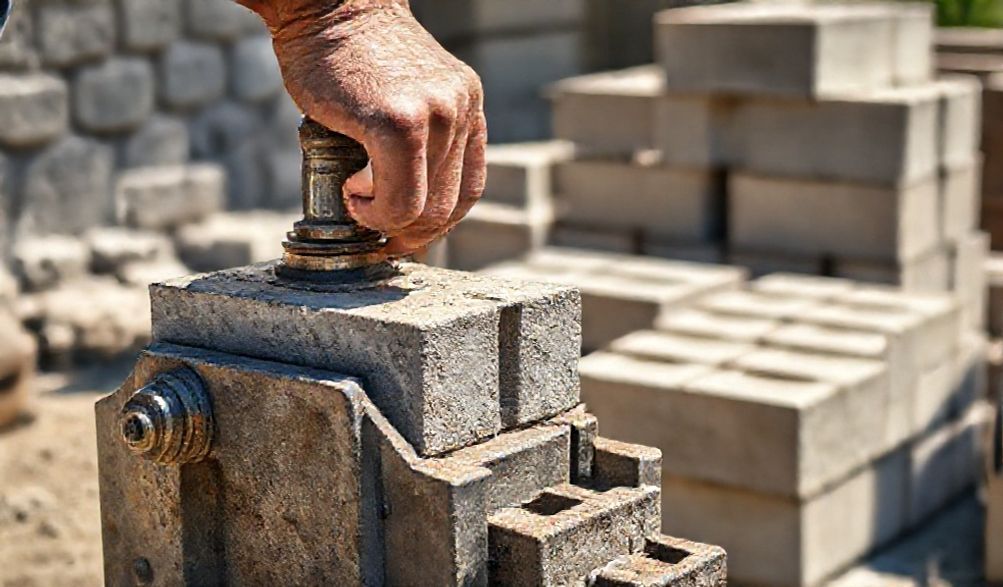
Panduan Lengkap Mesin Pembuat Blok Konkrit Manual: Cara Memilih, Menggunakan, dan Menyelenggara Mesin Anda
Pengenalan
Bayangkan anda seorang pembina kecil di kawasan luar bandar, seorang usahawan memulakan perniagaan bahan binaan dengan bajet yang terhad, atau kumpulan komuniti yang ingin membina sebuah sekolah tempatan. Keperluan mereka sama: blok binaan yang mampu milik, tahan lama dan mudah diperoleh. Membelinya adalah mahal, dan pengangkutan adalah satu masalah logistik yang rumit. Bagaimana jika anda boleh menghasilkan blok konkrit berkualiti profesional terus di tapak, dengan pelaburan minima dan kawalan penuh?
Inilah realiti berkuasa yang ditawarkan oleh mesin pembuat blok konkrit manual. Jauh daripada sekadar alat primitif, ia merupakan bukti kecekapan mekanikal yang elegan yang memperkasakan individu dan perniagaan kecil di seluruh dunia. Sebagai seseorang yang telah bekerja dan memberi nasihat mengenai mesin-mesin ini untuk pelbagai projek, saya telah menyaksikan sendiri bagaimana ia mampu mengubah kekangan menjadi peluang.
Panduan ini bertujuan menjadi manual praktikal dan muktamad anda. Kami akan melangkaui brosur jualan kepada kepakaran aras tanah, merangkumi bukan sahaja cara mesin ini berfungsi, tetapi juga cara memilih yang tepat, mengendalikannya untuk hasil optimum, menyelenggaranya bagi jangka hayat panjang, dan malah menilai potensi perniagaannya. Matlamat kami adalah melengkapkan anda dengan pengetahuan untuk memastikan keselamatan anda, kejayaan projek anda, dan nilai pelaburan anda.
Apakah itu Mesin Pembuat Blok Konkrit Manual?
Pada terasnya, mesin pembuat blok konkrit manual adalah peranti beroperasi tangan yang direka untuk memampatkan campuran konkrit kering ke dalam acuan, membentuk blok atau bata yang padat dan seragam melalui daya mekanikal tulen. Ia memanfaatkan kuasa manusia dan kejuruteraan bijak untuk menggantikan sistem automatik yang mahal dan intensif tenaga bagi pengeluaran kecil hingga sederhana.
Definisi Teras dan Prinsip Kerja
Prinsipnya mudah tetapi berkesan. Campuran "kering" khusus simen, pasir, dan agregat dimasukkan ke dalam rongga acuan keluli. Operator kemudian menggunakan sistem tuas untuk mengenakan tekanan yang sangat besar, memadatkan campuran tersebut. Pemadatan ini menghilangkan ruang udara dan mengikat bahan-bahan, membentuk bongkah "hijau" yang cukup kuat untuk dikeluarkan dan diendurkan segera. Keajaibannya terletak pada kelebihan mekanikal yang disediakan oleh tuas, membolehkan seorang individu menghasilkan daya pemadatan berjumlah beberapa tan.
Komponen Utama dan Fungsinya
Memahami bahagian-bahagiannya menjelaskan prosesnya:
* Bingkai:Struktur yang kuat, biasanya diperbuat daripada keluli, yang menyatukan segala komponen. Ia mesti kukuh untuk menahan tekanan berulang tanpa melentur.
* Acuan/Die:Jantung mesin. Kotak keluli yang boleh ditanggalkan ini menentukan bentuk blok (berongga, pejal, bata). Acuan berkualiti diperbuat daripada keluli terkeras untuk ketahanan.
* Tekan Tuas/Pemegang:Pengganda daya. Tuas panjang membolehkan pengendali menghasilkan tekanan pemadatan tinggi dengan usaha yang boleh dikawal.
* Kepala Tamper/Pelat Pemadatan:Komponen ini, yang sering disambungkan kepada tuil, menekan secara langsung ke dalam campuran di dalam acuan.
* Sistem Pelontaran:Mekanisme mudah—kadangkala plat dasar ditolak ke atas oleh lejang seterusnya tuas—yang mengangkat blok yang baru terbentuk keluar dari acuan dengan lembut.
Jenis Blok Biasa Dihasilkan
Dengan acuan yang boleh ditukar ganti, satu mesin boleh menjadi serba guna:
* Blok Pejal & Blok Berongga:Bahan asas untuk pembinaan dinding. Blok berongga lebih ringan dan memberikan penebat.
* Blok Pavers:Untuk jalan masuk, laluan pejalan kaki, dan patio. Ini biasanya lebih tebal dan boleh mempunyai pelbagai tekstur permukaan.
* Blok Saling Kunci: Designed to fit together like puzzle pieces, reducing or eliminating the need for mortar in certain wall types.
* Curbstones & Garden Edging: For landscaping and road demarcation.
Advantages of Choosing a Manual Machine
Why choose a manual machine in an age of automation? The benefits are compelling for the right user, offering a unique set of advantages that automated systems can’t match on a small scale.
Unbeatable Cost-Effectiveness
This is the primary advantage.
* Pelaburan Awal Yang Rendah: Manual machines cost a fraction of electric or hydraulic models.
* Minimal Operating Cost: No electricity, diesel, or complex hydraulics means near-zero running costs.
* Affordable Entry: It opens block production to individuals and micro-enterprises who could never finance an automated plant.
Simplicity and Ease of Use
- No Specialized Skills Required: Basic training is sufficient. The mechanics are intuitive.
- Easy to Troubleshoot: With no circuits or engines, most issues are visible and mechanically simple to fix.
- Quick Setup: You can be producing blocks within an hour of delivery.
Portability and Low Maintenance
- Move It Anywhere: Most units are light enough to be carried by two people or loaded onto a truck, perfect for moving around a site.
- Ketahanan: Fewer moving parts mean fewer things that can break.
- Easy Cleaning: A hose and brush are typically all you need for daily maintenance.
Ideal Application Scenarios
A manual machine is perfect for:
* Small-scale residential construction (building a home, extension, or boundary wall).
* Remote or off-grid locations with unreliable power.
* Startup block-making businesses testing the market.
* DIY enthusiasts and community self-help projects.
* Vocational training and educational workshops.
Key Considerations Before You Buy
A thoughtful purchase decision prevents regret. Here’s how to apply expert scrutiny when choosing your machine.
Menilai Keperluan Pengeluaran Anda
Tanya diri anda:
* What is my daily block requirement? Be realistic. A skilled operator/team might produce 200-500 blocks in an 8-hour day.
* What is the total scale of my project? A single home build has different needs than an ongoing small business.
* What block types do I need? Ensure the supplier offers the specific molds you require.
Critical Machine Specifications to Examine
Don’t just look at the price; inspect the build.
* Mold Size & Output: Know the block dimensions (e.g., 4″x8″x16″) and how many blocks are produced per cycle (often 1 or 2).
* Machine Weight & Build Material: Heavier machines with thicker steel frames generally indicate better stability and durability. Avoid flimsy, lightweight frames.
* Pressure Mechanism: Examine the lever’s pivot point and design. A longer lever or a compound lever system provides greater mechanical advantage, making operation easier and compaction better.
Mold Quality and Versatility
The mold is a consumable part that defines your product quality.
* Bahan: Insist on hardened steel molds. Mild steel will deform quickly, ruining block dimensions.
* Kebolehgantian: Can you easily buy and swap different molds from the same manufacturer? A good machine system allows for product line expansion.
* Finish: Internal surfaces should be smooth to ensure easy block ejection and a clean finish.
Supplier Reputation and Support
This step is crucial for long-term trust and operation.
* Check Credentials: How long have they been manufacturing? Can they provide references?
* Jaminan: What is covered and for how long?
* Alat Ganti: Are spare parts, especially molds, levers, and tamper heads, readily available?
* Perkhidmatan Selepas Jualan: Do they offer operational guidance or troubleshooting support? A reputable supplier will.
Step-by-Step: Operating Your Machine for Optimal Results
Success hinges on the triad: Machine, Mix, and Method. Here’s the practical, experienced-based process.
The Right Concrete Mix Design
The mix must be a “dry” or “semi-dry” mix—this is non-negotiable. A wet, sloppy mix will not compact properly and will slump upon ejection.
* A Standard Ratio: A common, strong starting point is 1 part cement : 3 parts sand : 5 parts coarse aggregate (by volume). For finer blocks like pavers, you might use a 1:4 mix (cement:sand).
* Water Content: This is critical. Add just enough water so that the mix holds its shape when squeezed in your fist, with no water dripping. It should crumble when poked.
Preparation: Machine Setup and Mixing
- Penentuan Kedudukan: Place the machine on a firm, level surface like a concrete slab or compacted earth.
- Mencampurkan: Use a clean, hard surface or a mixing tray. Mix the dry sand and aggregate first, then add cement and mix until uniform. Finally, add water gradually and mix thoroughly.
The Block Making Cycle: A Detailed Walkthrough
- Mengisi Acuan: Place the empty mold under the tamper head. Shovel in your dry mix, slightly overfilling it.
- Initial Compaction: Use the tamper head to press down and level the mix in the mold. This ensures an even fill.
- Applying Full Pressure: Engage the main lever. Apply steady, firm pressure until the lever reaches its full stop. You are compacting the mix to its maximum density. Hold the pressure for a few seconds.
- Ejecting the Green Block: Release the lever. Operate the ejection mechanism (often by pulling/pushing a separate handle or continuing the lever stroke) to lift the freshly formed block out of the mold.
- Handling: Carefully transfer the green block to a curing area. It will have immediate “green strength” but is still fragile.
Curing and Drying Your Blocks Correctly
Curing is not just drying; it’s the chemical process where cement gains strength.
* Keep Them Moist: For the first 7-14 days, blocks must be kept damp. Cover them with plastic sheeting or damp burlap sacks, and sprinkle with water 2-3 times daily.
* Penumpukan: Stack blocks on a flat surface, leaving small gaps between them for air circulation. Avoid stacking too high in the first few days.
* Full Strength: Blocks reach handling strength in a few days but continue to gain strength for weeks. Allow at least 28 days for maximum compressive strength before use in load-bearing walls.
Essential Maintenance and Troubleshooting
Proper care ensures years of service and consistent block quality.
Daily and Weekly Maintenance Routine
- After Each Use: Thoroughly clean all mix residue from the mold, tamper head, and frame with a brush and water. Never let concrete harden on the machine.
- Weekly: Check and tighten all bolts and nuts. Apply a light lubricant (like grease or oil) to all pivot points and moving parts.
Common Issues and Practical Solutions
- Problem: Blocks breaking or crumbling during ejection.
- Solution: The mix is likely incorrect. It could be too dry (lacks cohesion) or too wet (lacks green strength). Adjust water content. Also, ensure you are applying full, held pressure.
- Problem: Blocks lack sharp, defined edges.
- Solution: The mold may be overfilled, causing “flash” or spillover. Adjust the fill amount. Worn mold edges can also cause this.
- Problem: Machine jams or lever is extremely hard to press.
- Solution: Stop immediately. There is likely hardened concrete jamming the mechanism. Disassemble as per instructions and clear the obstruction. Never force the lever.
Mold Care and Longevity Tips
- Always clean the mold immediately after production.
- Store in a dry place to prevent rust. A light coating of oil can help during long storage.
- Inspect regularly for wear, especially on the internal edges and corners. A worn mold produces substandard blocks and needs replacement.
FAQ: Your Manual Block Machine Questions Answered
Q1: How many blocks can I make in a day with a manual machine?
A: A realistic output for a single skilled operator, working efficiently with prepared mix, is 200-300 blocks per 8-hour day. A well-organized team of two (one mixing, one operating) can produce 400-500+ blocks. Output depends entirely on rhythm, preparation, and stamina.
Q2: What is the compressive strength of blocks made this way?
A: With a proper mix design (e.g., 1:3:5) and correct curing, blocks can easily achieve compressive strengths between 3.5 MPa (500 psi) to 7 MPa (1000 psi) or more. This meets or exceeds the requirements for many residential and low-rise construction standards (like ASTM C90). Strength is in your control through the mix.
Q3: Is a manual machine profitable for a small business?
A: Yes, primarily due to the very low barrier to entry. Profitability depends on your local market. Calculate your cost per block (cement, sand, aggregate, labor) versus the selling price of finished blocks. For micro-enterprises and local supply, the margins can be attractive, especially where transport costs for imported blocks are high.
Q4: Can I make interlocking blocks without mortar?
A: Absolutely. With a specific interlocking block mold, the blocks are designed to fit together laterally and sometimes vertically. These are excellent for retaining walls, garden walls, and some non-load-bearing structures. They save significantly on mortar and labor for laying.
Q5: Where can I find reliable suppliers or manufacturers?
A: Look for established industrial equipment manufacturers or exporters, often found in countries with strong small-scale construction sectors. Reputable B2B platforms can be a starting point. Critical advice: Always request actual production videos, ask for a list of spare parts with prices, and insist on customer references you can contact. A trustworthy supplier will be transparent.
Kesimpulan
The manual concrete block making machine is more than a tool; it’s an engine of empowerment. It democratizes the production of essential building materials, turning local resources into durable construction elements. Its value lies in its simplicity, affordability, and the direct control it offers.
Remember, your success will be built on three pillars: investing in a quality, well-specified machine, mastering the correct dry-mix design, and committing to proper curing practices. Neglecting any one of these will compromise your results.
Use this guide to inform your purchase, prepare your site, and refine your technique. Start small, perfect your process, and scale up as your confidence and demand grow. As a final, crucial note, always prioritize safety: wear sturdy gloves and eye protection when handling cement and aggregates, and practice safe lifting techniques when moving blocks and equipment. Here’s to building something solid, from the ground up.
<