
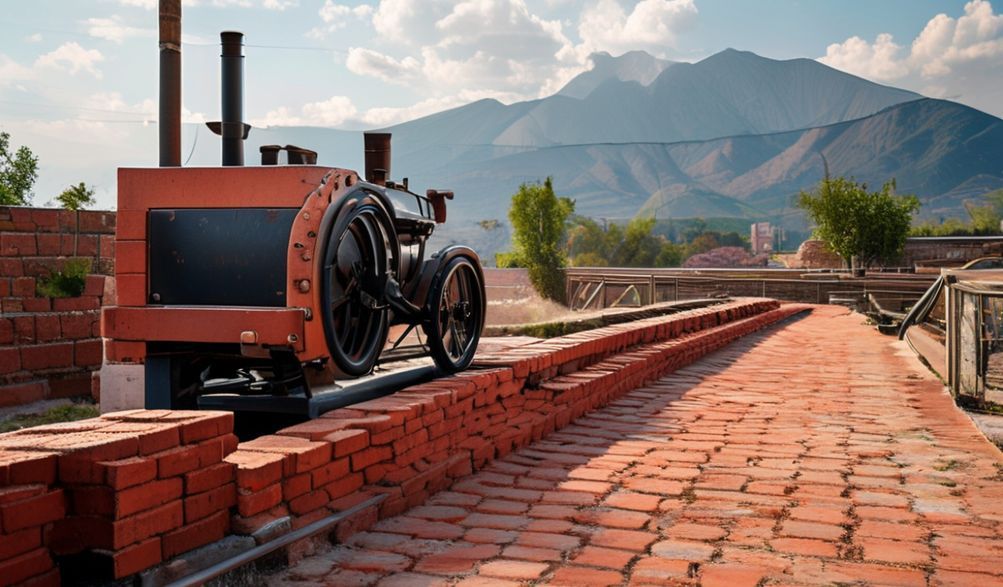
Полное руководство по кирпичеделательным машинам Columbia: эффективность, модели и инвестиции
Введение
Вы находитесь в разгаре перспективного строительного проекта в Медельине, Боготе или на быстрорастущих прибрежных территориях. Планы согласованы, бригада готова, но вас держат в заложниках из-за задержек с поставками кирпича, взлетевших цен на материалы или нестабильного качества, которое угрожает прочности конструкций и вашей прибыли. Если эта ситуация кажется знакомой, вы не одиноки. Для застройщиков, девелоперов и предпринимателей по всей Колумбии обеспечение надёжных и доступных строительных материалов остаётся фундаментальной проблемой.
Это всеобъемлющее руководство создано как ваш основной источник информации. Оно составлено на основе глубокого отраслевого анализа, технических спецификаций и четкого понимания уникальных требований строительного сектора Колумбии, что позволяет отделить важное от второстепенного. Наша цель — предоставить вам экспертные знания и достоверную информацию, необходимые для принятия уверенного и обоснованного решения.
Мы рассмотрим неоспоримые стратегические преимущества автоматизации производства кирпича, подробно разберем типы оборудования, подходящие для местного рынка. Вы получите ключевые критерии выбора, информацию о ведущих моделях и ответственных поставщиках, а также четкий план инвестиций и эксплуатации. В итоге вы точно будете знать, как выбратьКолумбийский станок для производства кирпичаЭто повышает вашу прибыльность, обеспечивает качество и защищает ваш бизнес от сбоев в цепочке поставок в будущем.
Почему автоматизировать производство кирпича в Колумбии? Стратегические преимущества
В стране, активно строящей свое будущее — от масштабных инфраструктурных инициатив, таких как...4G и 5G магистралидля срочных жилищных проектов — контроль над вашим основным строительным материалом больше не роскошь; это стратегическая необходимость. Автоматизация производства кирпича — это преобразующий шаг.
Решение вопросов местного строительства
Строительный сектор Колумбии является стабильным двигателем роста. Однако этот рост создает нагрузку на традиционные цепочки поставок. Зависимость от сторонних поставщиков кирпича создает уязвимости:
* Задержки проекта:Транспортные узкие места и графики производства поставщиков могут сорвать ваши сроки.
* Логистические издержки:Транспортировка тяжелых кирпичей по разнообразному рельефу Колумбии влечет за собой значительные и непостоянные расходы.
Производство кирпича непосредственно на стройплощадке или на специализированном дворе дает вам прямой контроль. Вы производите именно то, что нужно, именно тогда, когда это необходимо, защищая свои проекты от внешних дефицитов и идеально согласуясь с национальными целями развития.
Значительное сокращение затрат и минимизация отходов
Хотя первоначальные вложения требуют капитала, долгосрочная экономическая эффективность убедительна.
* Снижение затрат на материалы:Сырье для кирпичей — глина, цемент, песок — часто добывается на местном уровне и обходится значительно дешевле, чем готовые покупные кирпичи.
* Резко сократить отходы:Современные машины используют точное прессование и формование, сводя к минимуму потери и расход материала. Эта точность напрямую влияет на вашу прибыль, особенно в условиях колебания цен на сырьё.
Несгибаемое качество и постоянство
Ручное или кустарное производство кирпича может приводить к различиям в размере, плотности и прочности. Эти несоответствия подрывают структурную целостность и могут вызывать проблемы с получением нормативных разрешений.
АвтоматизированныйКолумбийские машины для производства кирпичаУбедитесь, что каждая единица продукции соответствует точным спецификациям. Это критически важно для соблюдения колумбийских технических норм.Колумбийские технические стандарты – NTCв частности:
* НТЦ 4017(Пустотелые глиняные блоки)
* НТЦ 4026Бетонные блоки
* НТЦ 4205(Тротуарная плитка)
Постоянное качество означает более прочные здания, более гладкие проверки и превосходную репутацию для вашей работы.
Повышение производительности для соблюдения сроков проекта
Сравните результаты:
* Ручной труд: A team might produce a few hundred bricks per day.
* Полуавтоматическая машина: 1,500 to 3,000+ bricks per 8-hour shift.
* Полностью автоматическая машина: 10,000 to 30,000+ bricks per day.
This exponential increase in productivity allows you to meet aggressive deadlines, take on more projects, and scale your business efficiently.
Types of Brick Making Machines for the Colombian Market
Choosing the right type of machine is the first critical decision. Your choice should align with your business scale, budget, and project requirements.
Manual & Semi-Automatic Presses
- Лучше всего подходит для: Startups, small construction firms, artisanal producers, community projects, and those testing the market with lower initial investment.
- Операция и вывод: These machines require operator involvement to feed material and sometimes remove finished bricks. A semi-automatic system may use a mechanical or hydraulic press but doesn’t automate the entire cycle. Daily output can range from 500 to 3,000 bricks, depending on the model and crew.
- Плюсы и минусы:
- Плюсы: Lower upfront cost, simpler mechanics, easier to maintain, lower power consumption.
- Минусы: Higher labor intensity, lower overall output, more potential for product variation.
Полностью автоматические стационарные машины
- Лучше всего подходит для: Established brick yards, medium-to-large construction companies, and entrepreneurs aiming to supply multiple projects or the local market.
- Операция и вывод: These are complete production lines. They automatically handle proportioning, mixing, molding, pressing, and sometimes even stacking or palletizing. Labor is primarily for supervision, feeding raw materials, and quality control.
- Плюсы и минусы:
- Плюсы: Very high, consistent output; excellent product uniformity; optimal labor efficiency.
- Минусы: Significant capital investment; requires stable, high-capacity power supply; needs more space and proper foundation.
Мобильные станки для производства кирпича
- Лучше всего подходит для: Large-scale infrastructure projects (road construction, dams), remote housing developments, or businesses that move between large sites.
- Операция и вывод: Mounted on a trailer or truck bed, these machines can be driven directly to the project site. They produce bricks exactly where they will be used, often using on-site soil or locally sourced materials.
- Плюсы и минусы:
- Плюсы: Eliminates 100% of brick transportation costs; ideal for remote locations; reduces material handling.
- Минусы: Typically has a lower output than large stationary plants; requires on-site organization for power (often diesel) and raw material handling.
Key Features to Consider When Choosing Your Machine
Look beyond the price tag. These technical and support features determine your long-term success and return on investment.
Производственные мощности и технические характеристики выпускаемой продукции
Don’t just look at a “theoretical” maximum speed. You need practical output.
* Рассчитайте свои потребности: Estimate your average daily or monthly brick requirement based on current and projected projects.
* Понять время цикла. A machine’s cycle time is how long it takes to produce one brick or block. A faster cycle time means higher output. Ask suppliers for real-world production data from similar operations in Colombia’s climate.
Brick Type & Size Versatility
The Colombian market uses diverse brick types. Your machine should offer adaptability.
* Распространенные типы: Solid/hollow concrete blocks, interlocking paving stones, soil-cement blocks, clay bricks.
* The Key: Interchangeable Molds. Ensure the supplier offers or can source molds for the specific products you need to sell. This flexibility allows you to pivot with market demands.
Power Source: Electric, Diesel, or Hybrid?
This decision hinges on your location’s infrastructure.
* Электрический: Cleaner, quieter, and lower operational cost per hour. Ideal for urban/peri-urban areas with stable grid power.
* Дизель: Fully independent, powerful, and necessary for remote sites or areas with frequent power cuts. Higher fuel cost and maintenance.
* Гибрид: Offers the flexibility to switch between power sources, providing valuable resilience. A strong option for many Colombian regions.
Durability & After-Sales Support
This is the most critical non-technical factor. A machine is a long-term asset.
* Качество сборки: Look for robust frames, high-quality hydraulic systems, and hardened steel components. It must withstand constant use.
* After-Sales Support is Non-Negotiable: Prioritize suppliers with a proven service network within Colombia. You need:
* Access to spare parts (wear parts like molds, seals, etc.) without waiting months for international shipping.
* Local technicians who can provide installation, training, and urgent repairs.
* Clear warranty terms from a local entity.
Leading Models & Trusted Suppliers for Colombia
Navigating the global market requires a focus on brands that offer reliability and, crucially, local presence.
Overview of Reputable Brands
Globally recognized brands like Zenith (Germany), BESS (Turkey), and Prensoland (Spain) are known for engineering and durability. However, the brand name is less important than its local footprint. Always verify:
1. Is there an authorized distributor or partner in Colombia?
2. Do they have a parts warehouse in the country?
3. Can they provide references from existing Colombian clients?
Spotlight on Specific Models (Examples)
-
Model Example: Semi-Automatic Hydraulic Press
- Идеально подходит для: A small cooperative or family-run construction business.
- Specs: Output of ~2,000 standard concrete blocks per 8-hour shift. Can produce hollow blocks and paving stones with mold changes. Runs on standard 220V single-phase or three-phase power.
- Преимущество: Balances affordability with improved quality and output over manual methods.
-
Model Example: Fully Automatic Stationary Plant
- Идеально подходит для: An expanding construction firm launching a commercial brick yard.
- Specs: Integrated mixer and conveyor, automatic palletizing. Output of 15,000+ blocks per day. Produces a wide array of block types and sizes.
- Преимущество: Turns raw materials into palletized, cured blocks with minimal labor, maximizing efficiency for large-scale supply.
Sourcing Responsibly: Local Dealers vs. Direct Import
- Local Dealer: Higher initial price, but includes invaluable support: import handling, warranty service, local spare parts, and often installation/training. This reduces risk significantly.
- Direct Import: May seem cheaper upfront, but you bear all risks: import duties, shipping logistics, technical setup, and sourcing spare parts. Any breakdown can lead to costly, prolonged downtime.
Vetting Checklist: Ask for client references, request to visit an active installation in Colombia, review the service contract in detail, and confirm the inventory status of common spare parts.
The Investment: Costs, Setup, and Operational Insights
A clear-eyed view of the total project prevents surprises and ensures a smooth launch.
Understanding the Total Cost of Ownership
Budget for all these elements:
* Machine Price: The base cost of the equipment.
* Транспортировка и логистика International freight and domestic transport to your site.
* Import Duties & Taxes: Consult with a local customs broker for accurate rates for Colombia.
* Site Preparation: Foundation, shelter (warehouse), electrical hookups.
* Установка и обучение: Often provided by the supplier for a fee.
* Initial Raw Material Inventory: Stockpile of cement, aggregate, and/or screened clay.
Site Preparation & Basic Requirements
A proper setup ensures safety and efficiency:
* Космос: Adequate area for the machine, raw material storage, curing area, and finished product storage. Think about forklift access.
* Foundation: A level, reinforced concrete slab is essential for stationary machines to prevent vibration and misalignment.
* Power & Water: Ensure your electrical supply matches the machine’s requirements. A reliable water source for mixing is also critical.
Raw Materials: Sourcing Clay & Cement in Colombia
The quality of your bricks depends on the quality of your inputs.
* Локальные закупки: Colombia has abundant clay and cement production. Source from reliable local providers.
* Mix Design & Testing: Don’t guess. Work with your machine supplier or a local materials lab to develop the optimal mix ratio (cement:aggregate:sand/soil) for strength and durability. Test your first batches against NTC standards.
Skilled Operation & Basic Maintenance
Your machine is only as good as its operator.
* Обучение: Insist on comprehensive training from your supplier for all operators. This ensures safety, optimal production, and basic troubleshooting.
* Maintenance Checklist:
* Ежедневно: Clean the machine, check hydraulic fluid levels, inspect for loose parts.
* Weekly: Lubricate all moving parts as per manual, check mold wear.
* Monthly: Inspect hydraulic hoses and electrical connections thoroughly.
Frequently Asked Questions (FAQ)
Q1: What is the approximate price range for a good quality brick making machine in Colombia?
А: Prices vary dramatically. A basic manual press can start around COP 15-30 million. A robust semi-automatic machine may range from COP 80-200 million. Fully automatic stationary plants can begin around COP 300 million and go upwards of COP 1 billion+. Final cost depends on capacity, automation level, brand, and import factors. Always get detailed, all-inclusive quotes.
Q2: Can these machines produce bricks that meet Colombian technical standards (NTC)?
А: Absolutely. Reputable machines are engineered to produce bricks to precise international standards. The responsibility lies in using the correct mold dimensions and, most importantly, the proper raw material mix and curing process. We strongly recommend having sample bricks tested at a certified Colombian laboratory (e.g., ICONTEC-accredited labs) to verify compliance before full-scale production.
Q3: How do I handle maintenance and find spare parts in Colombia?
А: This should be your primary concern before purchasing. Only consider suppliers who can guarantee spare parts availability within Colombia. Ask to see their parts inventory list and confirm lead times for common wear items like seals, mold liners, and hydraulic components. A local service agreement is worth its weight in gold.
Q4: What is the typical payback period on this investment?
А: It varies based on scale, operational efficiency, and local brick prices. For a small to medium operation actively supplying a local project or market, a well-run business often sees a full return on investment (ROI) within 18 to 36 months. High-output machines serving large contracts can achieve ROI even faster.
Q5: Are there financing options available locally for this equipment?
А: Yes, several avenues exist. Many established equipment distributors offer in-house financing or leasing plans. Additionally, Colombian commercial banks often provide loans for capital equipment to registered businesses. It’s also worth exploring programs from development agencies like Bancóldex that support productivity and industrial investments for SMEs.
Заключение
Investing in a Колумбийский станок для производства кирпича is more than a purchase; it’s a strategic decision to take control of your supply chain, costs, and quality. In the dynamic Colombian construction landscape, this move builds resilience, enhances competitiveness, and unlocks significant growth potential.
As a final, critical recommendation: prioritize total lifetime value over the lowest initial price. The right machine—backed by robust local support, durable engineering, and adaptable to your needs—is a partner that will generate profits for years to come.
Take the next step towards material independence and project security.
Contact reputable local distributors to request detailed specifications and a live demonstration. Analyze your specific output goals and financial model. Take action to boost your profitability and build the future of Colombia, brick by precise brick.