
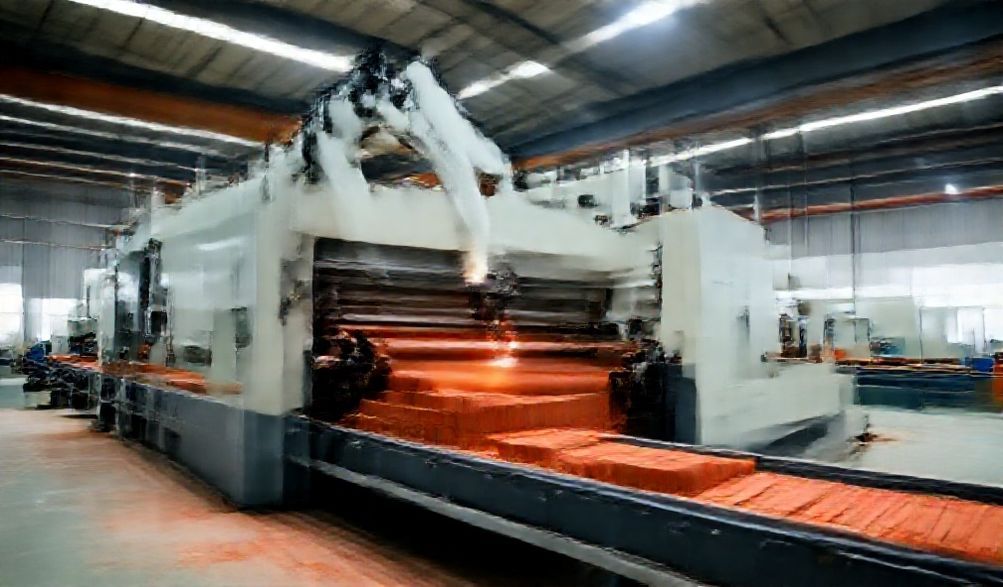
2026年寻找可靠中国制砖机械供应商的终极指南
Введение
Глобальная строительная отрасль держится на фундаменте из кирпичей и блоков. По мере того как спрос на эффективные и экономичные строительные материалы стремительно растет во всем мире, оборудование для их производства становится критически важным активом. Для компаний, стремящихся создать или модернизировать свои производственные линии, Китай стал бесспорным центральным узлом для станков по производству кирпича.
Поиск подходящих中国制砖机供应商Это не просто покупка; это ключевое стратегическое решение. Этот единственный выбор напрямую повлияет на долгосрочную прибыльность вашего проекта, качество продукции и сроки операционной деятельности на годы вперед. Рынок обширен, предлагая всё от простых ручных прессов до полностью автоматизированных умных фабрик. Ориентироваться в этом пространстве требует не просто быстрого поиска на B2B-платформе — это требует экспертизы и системного подхода.
Это всеобъемлющее руководство создано как ваш авторитетный путеводитель. Мы используем глубокие отраслевые знания, чтобы отделить важное от второстепенного, предоставляя вам практические рекомендации по проверке поставщиков, технологиям оборудования и тонкостям международных закупок. Наша цель — дать вам возможность сделать осознанные и надежные инвестиции, гарантируя, что ваше решение подкреплено реальным опытом и проверенной экспертизой, которые определяют успех в сфере промышленного снабжения.
了解中国制砖机械市场
Обзор рынка и промышленные кластеры
中国的制造业实力并非均匀分布,而是集中在强大的产业集群中。找到优质供应商的第一步,就是知道去哪里寻找。
- Географические центры:Производство оборудования для изготовления кирпича сосредоточено в основном в нескольких ключевых провинциях.
- 福建省:Особенно город Цюаньчжоу известен как крупный центр по производству станков для изготовления блоков, в частности гидравлических прессов и машин для производства блоков с замковым соединением.
- 山东省:Тяжелая промышленная база, известная мощными и крупномасштабными линиями по производству бетонных блоков и автоматическими машинами.
- 广东省:Центр инноваций и экспорта, часто включающий поставщиков с мощными возможностями в области НИОКР в автоматизации и новых технологиях.
- Типы производителей:Вы столкнётесь с целым спектром поставщиков.
- Крупномасштабные производители оригинального оборудования:Эти заводы выпускают крупносерийные, стандартизированные машины и часто имеют развитые экспортные отделы. Они обеспечивают надёжность, но могут быть менее гибкими в вопросах кастомизации.
- Специализированные мастер-классы:Мелкие, гибкие производители, которые часто преуспевают в узких нишевых областях, таких как специализированные...Машины для производства глиняных кирпичейили индивидуальные решения для уникальных сырьевых материалов, таких как зола-унос.
Преимущества закупок из Китая
中国砖机市场的吸引力源于其多重显著优势。
- Конкурентоспособность по стоимости:Несопоставимый масштаб экономики и зрелая цепочка поставок компонентов (таких как гидравлические системы и программируемые логические контроллеры) приводят к значительно более низким капитальным затратам по сравнению с западными или местными аналогами.
- Технологический спектр:Будь то простая ручная машина для общественного проекта или полностью автоматизированная производственная линия с роботизированным обслуживанием, китайские поставщики предлагают весь спектр решений. Это позволяет найти идеальное соотношение технологий и бюджета.
- Экологичные инновации:中国制造商在可持续材料生产设备制造方面迅速取得了进展。Машины для производства кирпича из золы-уносакоторые используют промышленные отходы, и системы, оптимизированные для необожженного кирпича, становятся все более распространенными и совершенными.
Основные типы кирпичеделательных машин из Китая
Автоматические машины для производства кирпича
Это рабочие лошадки крупносерийного коммерческого производства. Автоматическая машина для производства кирпича объединяет процессы смешивания, формования, отверждения и укладки/паллетирования с минимальным вмешательством человека.
- Особенности:Управляются системами PLC, с серводвигателями, синхронизированными конвейерами и часто роботизированными манипуляторами. Они оснащены высоконапорными гидравлическими системами для обеспечения равномерной плотности кирпича.
- Вывод:Может производить от 10 000 до более 100 000 кирпичей или блоков за 8-часовую смену в зависимости от модели и размера кирпича.
- Идеальное применение:Крупномасштабные строительные проекты, специализированные предприятия по поставке кирпича и государственные инфраструктурные инициативы, где объёмы выпуска и стабильность имеют первостепенное значение.
Полуавтоматические и ручные станки для производства кирпича
Эта категория предлагает идеальную отправную точку или решение для конкретных ситуаций, где полная автоматизация нецелесообразна или не требуется.
- Анализ затрат и выгод:
- Более низкие первоначальные инвестиции:Значительно дешевле в покупке и установке.
- Высокая зависимость от рабочей силы:Требуется больше операторов для подачи, удаления и укладки кирпичей.
- Гибкость:Легче настраивать для небольших партий или нестандартных форм.
- Идеальное применение:Малые и средние предприятия (МСП), стартапы, тестирующие рынок, строительные проекты под руководством сообществ и производство в регионах с более низкими затратами на рабочую силу.
Специализированные станки для производства кирпича
原材料决定机器。中国供应商提供高度专业化的设备。
- Машины для производства глиняного кирпича:Предназначена для обработки природной почвы и глины, часто оснащена экструдерами или специальными формами для традиционного обожжённого кирпича.
- Машины для производства бетонных блоков:Наиболее распространенный тип, использующий смесь цемента, заполнителя и песка. Они производят широкий ассортимент пустотелых блоков, полнотелых блоков и тротуарной плитки.
- Машины для производства блоков с замковым соединением:Производить кирпичи с заданными выступами и пазами, которые соединяются без раствора, популярны для мощения и некоторых стеновых систем.
- Гидравлические пресс-формы для производства кирпича:一种先进技术,利用巨大且可控的液压压力将原材料(通常是水泥土或粉煤灰)压缩成极其致密、坚固的砖块。以其高质量和高效率而闻名。
如何识别和甄别可靠的供应商
Essential Supplier Credentials and Certifications
Paperwork is your first filter. A legitimate manufacturer will have its documentation in order.
- Business Licenses: A valid Chinese business registration is non-negotiable. Verify the company name matches across all platforms.
- Сертификация ISO: ISO 9001 certification for quality management systems is a strong indicator of a supplier committed to standardized production and process control.
- Industry Associations: Membership in bodies like the China Construction Machinery Association (CCMA) suggests industry recognition and a commitment to professional standards.
Due Diligence: Factory Audits and Site Visits
Seeing is believing. In a post-pandemic world, virtual audits have become a standard and effective tool.
- Request a Live Video Tour: Don’t settle for pre-recorded videos. Ask for a live walkthrough of the workshop, assembly area, and quality control station via video call. This allows you to ask real-time questions.
- Assess Key Areas:
- Manufacturing Capability: Look for organized production lines, modern equipment (CNC machines, welding robots), and raw material inventory.
- Контроль качества: Ask to see their testing procedures. Do they have a pressure testing machine for sample bricks? Do they check hydraulic system integrity?
- Инвестиции в НИОКР: A dedicated R&D office or team is a good sign of a forward-thinking supplier, not just a copycat manufacturer.
Evaluating Online Presence and Reputation
Scrutinize online profiles with a detective’s eye.
- B2B Platform Analysis (Alibaba, Made-in-China):
- Transaction History: Look for verified transaction records, especially for similar machinery.
- Response Time & Quality: Gauge their professionalism from their inquiry responses.
- Photo/Video Authenticity: Be wary of suppliers using generic stock factory images. Request current, specific photos of their facility.
- Identifying Genuine Reviews:
- Look for detailed, specific reviews that mention machine models, project outcomes, and after-sales support.
- Be skeptical of multiple overly generic, 5-star reviews posted in a short timeframe.
- If possible, use the platform’s contact feature to message past buyers directly.
Critical Factors Before Placing Your Order
Technical Specifications and Customization
The devil is in the details. A clear technical agreement prevents future disputes.
- Key Specs to Compare:
- Время цикла: Seconds per cycle. This directly determines output.
- Давление (Тоннаж): The molding pressure (e.g., 200 tons) defines brick strength.
- Требования к питанию: Voltage (380V/220V), phase, and total power consumption (KW).
- Brick Size Versatility: What mold sizes are included? How quickly can molds be changed?
- Customization Discussion: Be explicit about your raw materials. Provide samples of your local soil, fly ash, or aggregate for the supplier to test. The machine must be engineered for ваш inputs.
Logistics, Shipping, and Incoterms
Heavy machinery logistics require careful planning. Misunderstanding terms can lead to unexpected costs.
- Understanding Incoterms:
- ФОБ (Франко Борт): You pay for the machine loaded onto the ship at the Chinese port. You arrange and pay for sea freight and insurance. Offers more control over shipping costs.
- CIF (стоимость, страхование и фрахт): The supplier arranges and pays for shipping and insurance to your nearest port. Simpler for you, but you may pay a premium.
- EXW (Ex-Works) – Франко-завод. You take responsibility at the supplier’s factory gate. You handle all transportation, export clearance, and shipping. Only for experienced importers.
- Practical Planning: Discuss container loading plans (will the machine be disassembled?), ensure proper wooden crating for protection, and understand who will handle export documentation.
After-Sales Support and Warranty
This is where reliable suppliers separate themselves from the rest.
- Non-Negotiable Elements:
- Комплексная гарантия: A clear warranty (e.g., 12 months for parts, excluding wear items) covering manufacturing defects.
- Техническая документация: Demand complete technical drawings, electrical schematics, and parts lists in English.
- Обучение: Provision of detailed operation manuals and instructional videos. For complex lines, on-site engineer support should be an available option.
- Remote Support: Ensure they offer reliable communication channels (WhatsApp, WeChat, email) for troubleshooting and can supply spare parts promptly.
Navigating Communication and Negotiation
Effective Communication with Chinese Suppliers
Clarity eliminates costly errors.
- Use Visuals: Always communicate using marked-up technical drawings, diagrams, and photos. A picture is worth a thousand words, especially across a language barrier.
- Be Precise and Simple: Avoid idioms and complex sentences. Use bullet points for specifications and requirements.
- Request a Sample or Prototype Mold: For custom brick designs, paying for a sample mold to be made and tested at the factory is an excellent investment to confirm the final product quality before full production.
Price Negotiation and Payment Security
Understand the cost structure to negotiate fairly and protect your funds.
- Cost Structure: A machine’s price includes materials (steel, hydraulics, electrical components), labor, overhead, and profit. Asking for a basic breakdown shows you are a serious buyer.
- Secure Payment Methods:
- Letter of Credit (L/C): A bank-guaranteed payment method common in large industrial transactions. Secure for both parties but involves bank fees.
- Escrow Services (Alibaba Trade Assurance): The platform holds your payment until you confirm satisfactory receipt of the goods. Highly recommended for first-time buyers.
- Staged Payments: A common structure is 30% deposit, 60% against shipping documents, and 10% after successful installation/commissioning.
Common Pitfalls and How to Avoid Them
Quality Compromises and Misrepresented Specifications
- Red Flags: Vague answers to technical questions, reluctance to provide a live factory tour, prices significantly lower than the market average, and pressure to pay via insecure methods like wire transfer to a personal account.
- Solution: Insist on a detailed, signed proforma invoice (PI) that lists every specification. Use third-party inspection services (like SGS or Bureau Veritas) for pre-shipment inspections, especially for large orders.
Hidden Costs and Contractual Ambiguities
- Скрытые расходы: These can include export packing, domestic Chinese transportation to the port, documentation fees, and the cost of optional spare parts packages.
- Solution: Demand a finalized, itemized proforma invoice that clearly states what is included (e.g., “price includes standard molds, standard packing, and FOB Shenzhen charges”). Ask directly: “Are there any other fees not listed here?”
Intellectual Property (IP) Considerations
- The Risk: If you are providing a unique brick design, ensure your proprietary mold design is protected.
- Solution: Have a clear Non-Disclosure Agreement (NDA) in place before sharing detailed designs. Discuss IP ownership clauses in your contract. For critical proprietary technology, consider registering your design in China.
Раздел часто задаваемых вопросов
Q1: What is the average lead time for receiving a brick making machine from China?
А: Lead times typically range from 30-60 days after the deposit is received, depending on machine complexity, customization level, and factory workload. This period covers production, assembly, testing, and packing. Always get the confirmed lead time in writing on your proforma invoice.
Q2: Are Chinese brick making machines compatible with the electrical standards and raw materials in my country?
А: Reputable suppliers routinely customize machines for different voltage standards (e.g., 220V/380V, 50Hz/60Hz). Crucially, they can also engineer the machine to work with your locally available raw materials—this is a key discussion point. Provide material samples for their technical team to analyze.
Q3: How can I verify if a supplier is a real manufacturer and not just a trading company?
А: Request a live video tour of their production floor and ask to see their in-house machining, welding, and assembly areas. Ask specific technical questions about hydraulic system sourcing and PLC programming. Manufacturers have deep technical knowledge; traders often deflect to “I’ll check with the factory.”
Q4: What is the minimum order quantity (MOQ) when sourcing from China?
А: For standard brick making machines, the MOQ is usually 1 unit. For highly customized production lines or specific auxiliary equipment, there may be an MOQ. This should be one of your first questions during initial contact.
Q5: Who is responsible for installing and commissioning the machine at my site?
А: This is a contractual term. Many suppliers provide comprehensive installation manuals and video guides. For full automatic lines, it is common (and highly advisable) to include the cost of sending 1-2 engineers for on-site installation and operator training. Clearly define the scope and duration of this support in your agreement.
Заключение
Sourcing a brick making machine from China represents a strategic leap toward greater operational efficiency and business growth. The opportunity for value is immense, but it is not without its complexities. Success is not found in choosing the lowest price, but in a process defined by meticulous planning, rigorous supplier vetting, and crystal-clear communication.
By prioritizing suppliers who demonstrate tangible экспертиза in their engineering, авторитетность through legitimate certifications and industry standing, and a proven track record of надёжность in their customer relationships, you systematically de-risk your investment. Remember, you are not just buying a machine; you are entering a partnership that will support your production for a decade or more.
Invest the time upfront in thorough due diligence. Insist on comprehensive after-sales terms. Build a relationship with a supplier who views your success as their own. This experienced, analytical approach will ensure your investment lays a solid, profitable foundation for your business far into the future.
<