
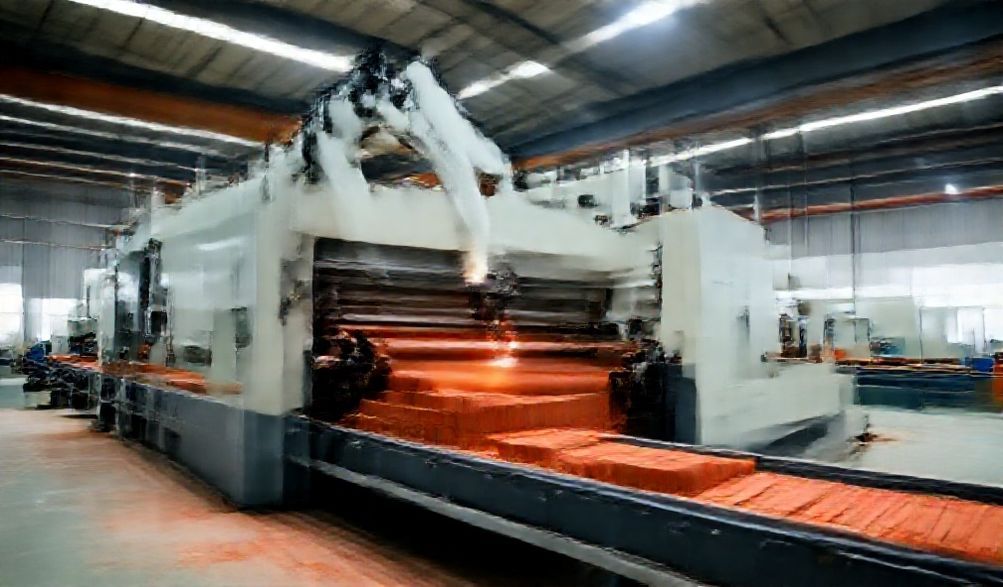
Hướng Dẫn Toàn Diện Để Tìm Nguồn Nhà Cung Cấp Máy Sản Xuất Gạch Đáng Tin Cậy Từ Trung Quốc Năm 2026
Giới thiệu
Ngành xây dựng toàn cầu được xây dựng trên nền tảng gạch và khối xây. Khi nhu cầu về vật liệu xây dựng hiệu quả, tiết kiệm chi phí tăng vọt trên toàn thế giới, máy móc sản xuất chúng trở thành tài sản quan trọng. Đối với các doanh nghiệp muốn thiết lập hoặc nâng cấp dây chuyền sản xuất, Trung Quốc đã nổi lên như trung tâm trọng điểm không thể tranh cãi cho máy móc sản xuất gạch.
Tìm kiếm nguồn cung ứng phù hợpNhà cung cấp máy làm gạch Trung Quốckhông chỉ đơn thuần là một giao dịch mua hàng; đó là một quyết định chiến lược then chốt. Lựa chọn này sẽ trực tiếp ảnh hưởng đến lợi nhuận dài hạn, chất lượng sản phẩm và tiến độ vận hành của dự án trong nhiều năm tới. Thị trường rộng lớn, cung cấp mọi thứ từ máy ép thủ công đơn giản đến các nhà máy thông minh tự động hoàn toàn. Để định hướng trong bối cảnh này, không chỉ cần một tìm kiếm nhanh trên nền tảng B2B—mà đòi hỏi chuyên môn và một cách tiếp cận có hệ thống.
Hướng dẫn toàn diện này được thiết kế để trở thành lộ trình đáng tin cậy của bạn. Chúng tôi sẽ tận dụng kiến thức chuyên sâu về ngành để loại bỏ những thông tin nhiễu loạn, cung cấp cho bạn những hiểu biết có thể áp dụng ngay về xác minh nhà cung cấp, công nghệ máy móc, và những cân nhắc tinh tế trong việc mua sắm quốc tế. Mục tiêu của chúng tôi là trao quyền để bạn đưa ra quyết định đầu tư sáng suốt và đáng tin cậy, đảm bảo lựa chọn của bạn được hỗ trợ bởi kinh nghiệm thực tế và chuyên môn đã được chứng minh - những yếu tố định hình nên thành công trong tìm nguồn cung công nghiệp.
了解中国制砖机械市场
Tổng quan Thị trường và Các Cụm Công nghiệp
Sức mạnh sản xuất của Trung Quốc không phân bố đồng đều; nó tập trung ở các cụm công nghiệp mạnh. Biết tìm kiếm ở đâu là bước đầu tiên của bạn để tìm được nhà cung cấp chất lượng.
- Trung tâm Địa lý:Ngành công nghiệp sản xuất máy làm gạch chủ yếu tập trung ở một số tỉnh trọng điểm.
- 福建省:Đặc biệt, thành phố Tuyền Châu nổi tiếng là một cụm sản xuất chính cho máy sản xuất gạch, đặc biệt là các mẫu máy ép thủy lực và máy làm gạch liên kết.
- 山东省:Một cơ sở công nghiệp nặng được biết đến với các dây chuyền sản xuất khối bê tông quy mô lớn, vững chắc và máy móc tự động.
- 广东省:Một trung tâm đổi mới và xuất khẩu, thường có các nhà cung cấp với năng lực nghiên cứu và phát triển mạnh mẽ trong lĩnh vực tự động hóa và công nghệ mới.
- Các Loại Hình Nhà Sản Xuất:Bạn sẽ gặp phải một loạt các nhà cung cấp.
- Các OEM Quy mô Lớn:Các nhà máy này sản xuất máy móc tiêu chuẩn hóa với số lượng lớn và thường có bộ phận xuất khẩu mạnh. Họ mang lại sự đáng tin cậy nhưng có thể linh hoạt kém hơn trong việc tùy chỉnh.
- Các Hội thảo Chuyên đề:Các nhà sản xuất nhỏ linh hoạt thường vượt trội trong các lĩnh vực thị trường ngách, chẳng hạn như các lĩnh vực cụ thểmáy làm gạch đất nunghoặc các giải pháp tùy chỉnh cho nguyên liệu thô độc đáo như tro bay.
Lợi ích của việc tìm nguồn hàng từ Trung Quốc
Sức hút của thị trường Trung Quốc đối với máy móc sản xuất gạch được thúc đẩy bởi nhiều lợi thế hấp dẫn.
- Tính Cạnh Tranh về Chi Phí:Quy mô kinh tế vô địch và chuỗi cung ứng linh kiện trưởng thành (như hệ thống thủy lực và PLC) giúp giảm đáng kể chi phí vốn so với các lựa chọn thay thế từ phương Tây hoặc địa phương.
- Phổ Công nghệ:Dù bạn cần một máy móc thủ công cơ bản cho dự án cộng đồng hay một dây chuyền sản xuất tự động hoàn toàn được vận hành bằng robot, các nhà cung cấp Trung Quốc đều đáp ứng đầy đủ. Điều này giúp bạn tìm được công nghệ phù hợp nhất với ngân sách của mình.
- Sáng tạo thân thiện với môi trường:Các nhà sản xuất Trung Quốc đã nhanh chóng tiến bộ trong việc sản xuất máy móc dành cho vật liệu bền vững.Máy làm gạch tro baynhững hệ thống sử dụng chất thải công nghiệp và được tối ưu hóa cho gạch không nung ngày càng trở nên phổ biến và tinh vi.
Các Loại Máy Làm Gạch Chính từ Trung Quốc
Máy Làm Gạch Tự Động
Đây là những cỗ máy làm việc không mệt mỏi trong sản xuất thương mại khối lượng lớn. Máy làm gạch tự động tích hợp quá trình trộn, đúc khuôn, bảo dưỡng và xếp chồng/đóng pallet với sự can thiệp tối thiểu của con người.
- Tính năng:Được điều khiển bởi hệ thống PLC, với động cơ servo, băng tải đồng bộ và thường có cánh tay robot. Chúng có hệ thống thủy lực áp suất cao để đảm bảo độ đặc chắc đồng nhất của gạch.
- Đầu ra:Có thể sản xuất từ 10.000 đến hơn 100.000 viên gạch hoặc khối mỗi ca 8 giờ, tùy thuộc vào mẫu mã và kích thước gạch.
- Công Dụng Lý Tưởng:Các dự án xây dựng quy mô lớn, các doanh nghiệp chuyên cung cấp gạch và các sáng kiến hạ tầng của chính phủ, nơi sản lượng và tính nhất quán là yếu tố tối quan trọng.
Máy Làm Gạch Bán Tự Động và Thủ Công
This category offers the perfect entry point or solution for specific contexts where full automation isn’t feasible or necessary.
- Cost-Benefit Analysis:
- Đầu tư ban đầu thấp hơn: Significantly cheaper to purchase and install.
- Higher Labor Dependency: Require more operators for feeding, removing, and stacking bricks.
- Tính linh hoạt: Easier to adjust for small batches or custom shapes.
- Công Dụng Lý Tưởng: Small to medium enterprises (SMEs), startups testing the market, community-led building projects, and production in regions with lower labor costs.
Specialized Brick Making Machines
The raw material defines the machine. Chinese suppliers offer highly specialized equipment.
- Máy Sản Xuất Gạch Đất Sét: Designed to handle natural soil and clay, often featuring extruders or specific mold designs for traditional fired bricks.
- Máy Sản Xuất Gạch Bê Tông: The most common type, using a mixture of cement, aggregate, and sand. They produce a wide variety of hollow blocks, solid blocks, and pavers.
- Máy Sản Xuất Gạch Khóa Liên Kết: Produce bricks with designed ridges and grooves that lock together without mortar, popular for paving and certain wall systems.
- Hydraulic Press Brick Machines: An advanced technology that uses immense, controlled hydraulic pressure to compact raw material (often soil-cement or fly ash) into extremely dense, strong bricks. Known for high quality and efficiency.
How to Identify and Vet Reliable Suppliers
Essential Supplier Credentials and Certifications
Paperwork is your first filter. A legitimate manufacturer will have its documentation in order.
- Business Licenses: A valid Chinese business registration is non-negotiable. Verify the company name matches across all platforms.
- Chứng nhận ISO: ISO 9001 certification for quality management systems is a strong indicator of a supplier committed to standardized production and process control.
- Industry Associations: Membership in bodies like the China Construction Machinery Association (CCMA) suggests industry recognition and a commitment to professional standards.
Due Diligence: Factory Audits and Site Visits
Seeing is believing. In a post-pandemic world, virtual audits have become a standard and effective tool.
- Request a Live Video Tour: Don’t settle for pre-recorded videos. Ask for a live walkthrough of the workshop, assembly area, and quality control station via video call. This allows you to ask real-time questions.
- Assess Key Areas:
- Manufacturing Capability: Look for organized production lines, modern equipment (CNC machines, welding robots), and raw material inventory.
- Kiểm soát chất lượng: Ask to see their testing procedures. Do they have a pressure testing machine for sample bricks? Do they check hydraulic system integrity?
- Đầu tư vào Nghiên cứu và Phát triển: A dedicated R&D office or team is a good sign of a forward-thinking supplier, not just a copycat manufacturer.
Evaluating Online Presence and Reputation
Scrutinize online profiles with a detective’s eye.
- B2B Platform Analysis (Alibaba, Made-in-China):
- Transaction History: Look for verified transaction records, especially for similar machinery.
- Response Time & Quality: Gauge their professionalism from their inquiry responses.
- Photo/Video Authenticity: Be wary of suppliers using generic stock factory images. Request current, specific photos of their facility.
- Identifying Genuine Reviews:
- Look for detailed, specific reviews that mention machine models, project outcomes, and after-sales support.
- Be skeptical of multiple overly generic, 5-star reviews posted in a short timeframe.
- If possible, use the platform’s contact feature to message past buyers directly.
Critical Factors Before Placing Your Order
Technical Specifications and Customization
The devil is in the details. A clear technical agreement prevents future disputes.
- Key Specs to Compare:
- Thời gian chu kỳ: Seconds per cycle. This directly determines output.
- Áp lực (Tấn lực): The molding pressure (e.g., 200 tons) defines brick strength.
- Yêu cầu về nguồn điện: Voltage (380V/220V), phase, and total power consumption (KW).
- Brick Size Versatility: What mold sizes are included? How quickly can molds be changed?
- Customization Discussion: Be explicit about your raw materials. Provide samples of your local soil, fly ash, or aggregate for the supplier to test. The machine must be engineered for bạn inputs.
Logistics, Shipping, and Incoterms
Heavy machinery logistics require careful planning. Misunderstanding terms can lead to unexpected costs.
- Understanding Incoterms:
- FOB (Giao hàng lên tàu): You pay for the machine loaded onto the ship at the Chinese port. You arrange and pay for sea freight and insurance. Offers more control over shipping costs.
- CIF (Chi phí, Bảo hiểm và Cước phí): The supplier arranges and pays for shipping and insurance to your nearest port. Simpler for you, but you may pay a premium.
- EXW (Giao tại xưởng): You take responsibility at the supplier’s factory gate. You handle all transportation, export clearance, and shipping. Only for experienced importers.
- Practical Planning: Discuss container loading plans (will the machine be disassembled?), ensure proper wooden crating for protection, and understand who will handle export documentation.
After-Sales Support and Warranty
This is where reliable suppliers separate themselves from the rest.
- Non-Negotiable Elements:
- Bảo hành Toàn diện: A clear warranty (e.g., 12 months for parts, excluding wear items) covering manufacturing defects.
- Technical Documentation: Demand complete technical drawings, electrical schematics, and parts lists in English.
- Đào tạo: Provision of detailed operation manuals and instructional videos. For complex lines, on-site engineer support should be an available option.
- Remote Support: Ensure they offer reliable communication channels (WhatsApp, WeChat, email) for troubleshooting and can supply spare parts promptly.
Navigating Communication and Negotiation
Effective Communication with Chinese Suppliers
Clarity eliminates costly errors.
- Use Visuals: Always communicate using marked-up technical drawings, diagrams, and photos. A picture is worth a thousand words, especially across a language barrier.
- Be Precise and Simple: Avoid idioms and complex sentences. Use bullet points for specifications and requirements.
- Request a Sample or Prototype Mold: For custom brick designs, paying for a sample mold to be made and tested at the factory is an excellent investment to confirm the final product quality before full production.
Price Negotiation and Payment Security
Understand the cost structure to negotiate fairly and protect your funds.
- Cost Structure: A machine’s price includes materials (steel, hydraulics, electrical components), labor, overhead, and profit. Asking for a basic breakdown shows you are a serious buyer.
- Secure Payment Methods:
- Letter of Credit (L/C): A bank-guaranteed payment method common in large industrial transactions. Secure for both parties but involves bank fees.
- Escrow Services (Alibaba Trade Assurance): The platform holds your payment until you confirm satisfactory receipt of the goods. Highly recommended for first-time buyers.
- Staged Payments: A common structure is 30% deposit, 60% against shipping documents, and 10% after successful installation/commissioning.
Common Pitfalls and How to Avoid Them
Quality Compromises and Misrepresented Specifications
- Red Flags: Vague answers to technical questions, reluctance to provide a live factory tour, prices significantly lower than the market average, and pressure to pay via insecure methods like wire transfer to a personal account.
- Giải pháp: Insist on a detailed, signed proforma invoice (PI) that lists every specification. Use third-party inspection services (like SGS or Bureau Veritas) for pre-shipment inspections, especially for large orders.
Hidden Costs and Contractual Ambiguities
- Chi Phí Ẩn: These can include export packing, domestic Chinese transportation to the port, documentation fees, and the cost of optional spare parts packages.
- Giải pháp: Demand a finalized, itemized proforma invoice that clearly states what is included (e.g., “price includes standard molds, standard packing, and FOB Shenzhen charges”). Ask directly: “Are there any other fees not listed here?”
Intellectual Property (IP) Considerations
- The Risk: If you are providing a unique brick design, ensure your proprietary mold design is protected.
- Giải pháp: Have a clear Non-Disclosure Agreement (NDA) in place before sharing detailed designs. Discuss IP ownership clauses in your contract. For critical proprietary technology, consider registering your design in China.
FAQ Section
Q1: What is the average lead time for receiving a brick making machine from China?
A: Lead times typically range from 30-60 days after the deposit is received, depending on machine complexity, customization level, and factory workload. This period covers production, assembly, testing, and packing. Always get the confirmed lead time in writing on your proforma invoice.
Q2: Are Chinese brick making machines compatible with the electrical standards and raw materials in my country?
A: Reputable suppliers routinely customize machines for different voltage standards (e.g., 220V/380V, 50Hz/60Hz). Crucially, they can also engineer the machine to work with your locally available raw materials—this is a key discussion point. Provide material samples for their technical team to analyze.
Q3: How can I verify if a supplier is a real manufacturer and not just a trading company?
A: Request a live video tour of their production floor and ask to see their in-house machining, welding, and assembly areas. Ask specific technical questions about hydraulic system sourcing and PLC programming. Manufacturers have deep technical knowledge; traders often deflect to “I’ll check with the factory.”
Q4: What is the minimum order quantity (MOQ) when sourcing from China?
A: For standard brick making machines, the MOQ is usually 1 unit. For highly customized production lines or specific auxiliary equipment, there may be an MOQ. This should be one of your first questions during initial contact.
Q5: Who is responsible for installing and commissioning the machine at my site?
A: This is a contractual term. Many suppliers provide comprehensive installation manuals and video guides. For full automatic lines, it is common (and highly advisable) to include the cost of sending 1-2 engineers for on-site installation and operator training. Clearly define the scope and duration of this support in your agreement.
Conclusion
Sourcing a brick making machine from China represents a strategic leap toward greater operational efficiency and business growth. The opportunity for value is immense, but it is not without its complexities. Success is not found in choosing the lowest price, but in a process defined by meticulous planning, rigorous supplier vetting, and crystal-clear communication.
By prioritizing suppliers who demonstrate tangible chuyên môn in their engineering, tính thẩm quyền through legitimate certifications and industry standing, and a proven track record of đáng tin cậy in their customer relationships, you systematically de-risk your investment. Remember, you are not just buying a machine; you are entering a partnership that will support your production for a decade or more.
Invest the time upfront in thorough due diligence. Insist on comprehensive after-sales terms. Build a relationship with a supplier who views your success as their own. This experienced, analytical approach will ensure your investment lays a solid, profitable foundation for your business far into the future.
<