
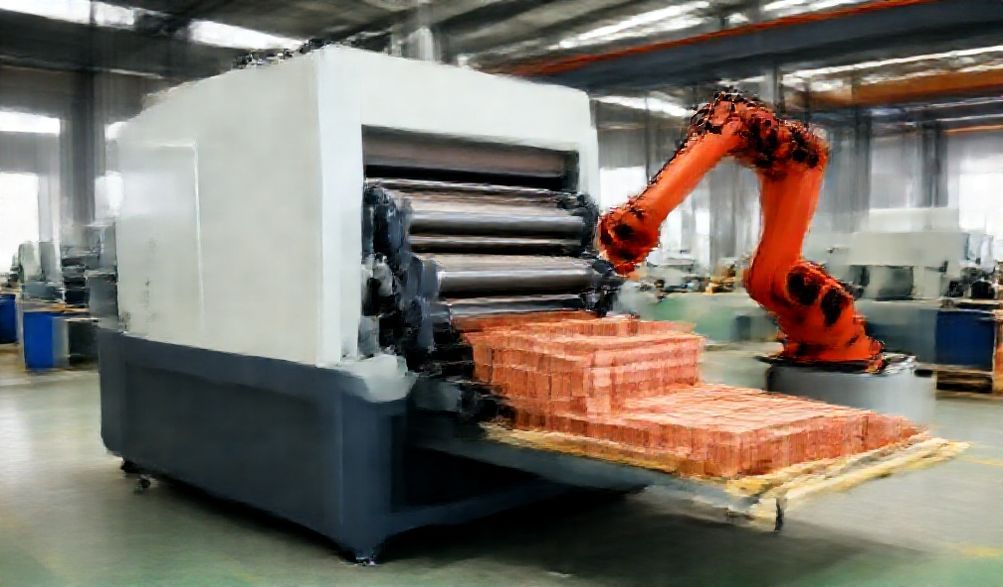
Hướng Dẫn Toàn Diện Để Tìm Nhà Cung Cấp Máy Sản Xuất Gạch Trung Quốc Đáng Tin Cậy
Giới thiệu
Ngành xây dựng toàn cầu vận hành dựa trên gạch, và nhu cầu về máy móc sản xuất gạch chất lượng cao với giá cả phải chăng chưa bao giờ cao hơn. Trong bối cảnh này, Trung Quốc đã củng cố vị thế là trung tâm sản xuất không thể tranh cãi của thế giới, cung cấp đại đa số máy ép gạch và block được sử dụng trên khắp các châu lục. Đối với chủ doanh nghiệp và quản lý dự án, việc tìm nguồn cung ứng từ Trung Quốc mang đến cơ hội tuyệt vời về giá trị và năng lực.
Tuy nhiên, cơ hội này thường bị che phủ bởi sự phức tạp. Những thách thức phổ biến là có thật: định hướng trong biển nhà cung cấp trực tuyến khổng lồ trên các nền tảng B2B, xác minh chất lượng sản xuất thực tế từ xa, quản lý hậu cần quốc tế phức tạp, và đảm bảo hỗ trợ sau bán hàng hiệu quả xuyên ngôn ngữ và múi giờ. Một quyết định sai lầm có thể dẫn đến thời gian ngừng hoạt động tốn kém, sản xuất kém chất lượng và những cơn ác mộng hậu cần.
Hướng dẫn này được thiết kế để trở thành nguồn tài nguyên toàn diện dành cho bạn. Được xây dựng không dựa trên lý thuyết suông, mà dựa trên nhiều năm kinh nghiệm trực tiếp trong ngành, các cuộc kiểm tra thực tế tại nhà máy, và kiến thức chuyên sâu về quy trình sản xuất gạch, mục tiêu của chúng tôi là xây dựng sự tin tưởng và minh bạch. Chúng tôi sẽ trang bị cho bạn những hiểu biết thiết thực cần thiết để vượt qua những thông tin nhiễu loạn, xác định đúng đối tác đáng tin cậy, và thực hiện khoản đầu tư sáng suốt, vững chắc cho tương lai doanh nghiệp của bạn. Hãy cùng bắt đầu hành trình biến việc tìm kiếm một "nhà cung cấp máy làm gạch Trung Quốc" từ một nhiệm vụ đầy thách thức thành một chiến lược thành công.
Tại sao nên mua máy làm gạch từ Trung Quốc?
Lựa chọn địa điểm tìm nguồn cung là một quyết định kinh doanh chiến lược. Đối với máy móc sản xuất gạch, Trung Quốc mang đến sự kết hợp những lợi thế mà các khu vực khác khó có thể sánh bằng, biến nơi đây thành điểm đến đầu tiên của người mua trên toàn cầu.
Hiệu quả Chi phí và Định giá Cạnh tranh
Sức hấp dẫn chính nằm ở giá trị không thể phủ nhận. Lợi thế về giá của Trung Quốc bắt nguồn từ một số yếu tố then chốt:
- Kinh tế quy mô:Khối lượng máy móc sản xuất lớn đã làm giảm chi phí đơn vị.
- Chuỗi Cung Ứng Tích HợpGần nguồn nguyên liệu thô (thép, thủy lực, điện tử) giúp giảm chi phí mua sắm vật tư.
- Hệ sinh thái sản xuất trưởng thành:Một lực lượng lao động có tay nghề cao nhưng vẫn cạnh tranh về chi phí cùng các quy trình sản xuất được tối ưu hóa góp phần giảm tổng chi phí sản xuất.
Điều này không có nghĩa là "rẻ" theo nghĩa tiêu cực. Nó có nghĩa là bạn có thể tiếp cận công nghệ tiên tiến và chất lượng chế tạo bền bỉ ở một mức giá thường cho phép thu hồi vốn đầu tư (ROI) nhanh hơn.
Đa Dạng Phong Phú và Phạm Vi Công Nghệ
Dù bạn là một doanh nhân nhỏ bắt đầu với một bãi gạch hay một tập đoàn lớn xây dựng nhà máy tự động hóa, Trung Quốc đều có máy móc phù hợp cho bạn. Phạm vi lựa chọn là vô song:
- Theo Hoạt động:Từ những máy móc thủ công đơn giản và bán tự động đến các dây chuyền sản xuất hoàn toàn tự động, được vi tính hóa toàn phần.
- Đầu ra:Máy sản xuất từ 1.000 đến hơn 30.000 viên gạch hoặc khối mỗi ngày.
- Theo Loại:Máy cố định (như dòng QT phổ biến để sản xuất gạch block rỗng), máy làm gạch di động, máy làm gạch liên kết, và các máy chuyên dụng cho gạch lát vỉa hè, đá bó vỉa, và nhiều loại khác.
- Theo Công nghệ:Các nhà cung cấp cung cấp các mức độ tinh vi khác nhau trong hệ thống rung, áp suất thủy lực, bảng điều khiển (PLC so với thủ công) và hiệu suất năng lượng.
Quy mô Sản xuất và Mức độ Trưởng thành Chuỗi Cung ứng
Trung Quốc không chỉ là nơi đặt các nhà máy riêng lẻ; nước này còn sở hữu những cụm công nghiệp toàn diện chuyên về sản xuất máy móc. Các thành phố như Tuyền Châu, Quảng Châu và Trịnh Châu có mạng lưới dày đặc các xưởng đúc, nhà cung cấp linh kiện và nhà máy lắp ráp. Sự phát triển đến mức độ này mang ý nghĩa:
- Nguồn Cung Ứng Linh Kiện Nhanh Hơn:Nếu một bộ phận quan trọng như bơm thủy lực hoặc động cơ bị hỏng, các bộ phận thay thế thường có sẵn ngay lập tức.
- Đổi mới liên tục:Cạnh tranh trong các cụm này thúc đẩy cải tiến công nghệ nhanh chóng và thích ứng với nhu cầu thị trường toàn cầu.
- Hiệu Quả Hậu Cần:Các cảng và công ty giao nhận vận tải có kinh nghiệm dày dạn trong việc xử lý xuất khẩu máy móc hạng nặng, giúp tối ưu hóa quy trình vận chuyển.
评估中国供应商时的关键因素
Với hàng ngàn lựa chọn, việc đánh giá là vô cùng quan trọng. Nhìn xa hơn trang web và tài liệu quảng cáo là điều thiết yếu để tìm được một đối tác thực sự.
Xác Minh Nhà Sản Xuất So Với Công Ty Thương Mại
Đây là bộ lọc đầu tiên và quan trọng nhất. Một công ty thương mại đóng vai trò trung gian, trong khi nhà sản xuất kiểm soát quy trình sản xuất.
- Làm thế nào để phân biệt:
- Nhà sản xuất:Họ sẽ cung cấp chi tiết cụ thể về xưởng sản xuất, năng lực sản xuất và bộ phận kỹ thuật nội bộ. Họ có thể dễ dàng sắp xếp các chuyến tham quan trực tiếp qua video tại khu vực sản xuất.
- Công ty Thương mại:Thường đại diện cho nhiều nhà máy, đôi khi thay đổi. Giao tiếp của họ có thể ít chi tiết kỹ thuật hơn, và họ có thể miễn cưỡng cung cấp thông tin liên hệ trực tiếp của nhà máy hoặc tổ chức các chuyến tham quan không theo kịch bản.
- Ưu điểm và Nhược điểm:Một công ty thương mại uy tín có thể đơn giản hóa giao tiếp và xử lý các chi tiết xuất khẩu. Tuy nhiên, làm việc trực tiếp với nhà máy thường mang lại khả năng kiểm soát giá tốt hơn, hỗ trợ kỹ thuật trực tiếp và tính minh bạch cao hơn về chất lượng sản xuất cũng như tiến độ sản xuất.
Đánh giá Năng lực Chuyên môn Kỹ thuật và Nghiên cứu Phát triển
Một cỗ máy chất lượng được sinh ra từ tài năng kỹ thuật. Hãy đào sâu vào trình độ kỹ thuật của họ:
- Đội Ngũ Kỹ Thuật Nội Bộ Do they design and iterate their own machines, or simply assemble purchased parts?
- Customization Ability: Can they modify standard models to suit your specific raw materials (e.g., fly ash, clay, concrete mix) or brick size requirements?
- Tập trung vào Hệ thống Cốt lõi Ask detailed questions about their vibration system (frequency, amplitude), hydraulic system (brand of pumps and valves, pressure settings), and control logic. Their ability to explain these clearly signals expertise.
Quality Control Processes and Certifications
Certificates are a baseline, but processes are what guarantee quality.
- Critical Certifications: Look for CE (mandatory for the European market, indicating safety compliance), ISO 9001 (a framework for quality management systems), and other relevant machinery safety standards.
- Tiêu chuẩn Vật liệu: Inquire about the grade of steel used for the frame and mold, the specification of hydraulic cylinders, and the brand of electrical components (e.g., Siemens, Schneider for premium machines).
- Audit and QC Plans: A trustworthy supplier will provide a Factory Audit Report or a detailed Quality Control Plan outlining inspection points at each production stage (from welding to assembly to testing).
Production Capacity and Lead Times
Realistic scheduling prevents project delays.
- Ask for a Breakdown: A typical lead time isn’t just “30 days.” It should include: raw material procurement, machining, assembly, painting, factory testing, and crating.
- Understand Capacity: Can they handle your order alongside others without quality suffering? Ask about their current production schedule.
- Buffer for Logistics: Factor in shipping time (sea freight is common for machinery) and potential customs clearance delays at your port.
The Complete Sourcing Process: From Inquiry to Delivery
A structured approach minimizes risk at every stage.
Step 1: Effective Supplier Discovery and Shortlisting
Move beyond a simple Alibaba search.
- Use Precise Keywords: Searches like “china qt6 brick making machine manufacturer” or “fully automatic block machine factory” yield more targeted results than generic terms.
- Leverage Industry Directories: Specialized B2B platforms for construction machinery can have more vetted lists.
- Research Trade Shows: Suppliers who exhibit at major international fairs like the China Import and Export Fair (Canton Fair) or BAUMA China often have stronger export experience.
Step 2: The Art of Technical Communication and Quotation
Clarity here prevents costly misunderstandings. Provide a clear specification sheet:
- Loại & Kích thước Gạch: (e.g., 400x200x200mm hollow block).
- Công suất đầu ra: Bricks per shift or per day.
- Mức độ Tự động hóa: Manual, semi-auto, or fully automatic with robotic pallet handling.
- Yêu cầu về nguồn điện: Voltage and phase (e.g., 380V/3Phase/50Hz).
- Nguyên liệu thô: Composition of your concrete or clay mix.
When quotes arrive, understand the Điều khoản thương mại quốc tế (Incoterms):
* EXW (Giao tại xưởng): You own the goods at their factory gate. You handle all shipping, insurance, and customs.
* FOB (Giao hàng lên tàu): They deliver and load the machine onto the ship. You handle sea freight and destination costs.
* CIF (Cost, Insurance, Freight): They pay for the machine, insurance, and freight to your nearest port. You handle customs and inland transport.
Step 3: Due Diligence: Factory Audit and Sample Inspection
Never skip this step.
- Virtual/On-Site Audit Checklist:
- Workshop organization and cleanliness.
- Quality of welding and fabrication.
- Inventory of raw materials and components.
- Testing area for finished machines.
- Interview with engineers or production managers.
- Request Evidence: Ask for a production video of a machine similar to your order or a sample test report from their quality lab.
Step 4: Navigating Contracts, Payment, and Logistics
Protect your investment with clear documentation.
- Key Contract Clauses: Ensure it covers detailed machine specifications, warranty terms (duration, coverage, exclusions), spare parts list with part numbers, and intellectual property if customizations are made.
- Secure Payment Terms: Avoid 100% upfront payments. Common secure terms are:
- 30% T/T deposit, 70% against copy of Bill of Lading.
- Letter of Credit (L/C): A bank-guaranteed payment, safer but more complex.
- Shipping and Customs: Work with a reputable freight forwarder experienced in heavy machinery. They will guide you on crating requirements, HS codes, and necessary import documentation for your country.
Avoiding Common Pitfalls and Red Flags
Forewarned is forearmed. Watch for these warning signs.
Price Traps and “Too Good to Be True” Offers
An offer significantly lower than the market average is a major red flag. This often indicates:
- The use of inferior, non-standard materials that will fail prematurely.
- Hidden costs that will appear later for “essential” components or documentation.
- A complete lack of after-sales service.
Poor Communication and Vague Documentation
A reliable partner is a communicative partner. Be wary of:
- Inconsistent or evasive answers to technical questions.
- Lack of detailed, English operation and maintenance manuals.
- Slow response times, which often predict poor after-sales support.
- Unwillingness to provide any form of verifiable reference or contact.
Weak or Non-Existent After-Sales Service
The machine’s life begins after delivery. A supplier that doesn’t prioritize after-sales is a liability.
- Red Flags: No clear warranty policy, no spare parts catalog, no plan for installation guidance or operator training.
- Critical Parts: Ensure they commit to supplying key wear-and-tear parts like molds, hydraulic seals, vibration motors, and control system components for the long term.
Maximizing Your Investment: After-Sales and Long-Term Partnership
View your supplier as a long-term partner for your business growth.
Installation, Commissioning, and Operator Training
A reputable supplier will support you through startup:
- Detailed Installation Manuals: With clear diagrams and steps.
- Remote Commissioning Support: Via video call to guide your technicians through setup and calibration.
- On-Site Training (Optional): For larger lines, you can often contract a factory engineer to travel to your site for hands-on training, ensuring optimal machine performance from day one.
Sourcing and Managing Spare Parts Inventory
Proactive planning prevents prolonged downtime.
- Request a Critical Spare Parts List from the supplier upon purchase.
- Initial Inventory: Consider purchasing a starter kit of the most common wear parts (filters, seals, gaskets) with your machine order.
- Verify Parts Availability: Confirm that parts will be available for purchase separately for years to come.
Building a Relationship for Future Upgrades and Support
A good supplier relationship pays ongoing dividends. They can become your advisor for:
- Production Line Expansion: Adding capacity or new product lines.
- Technology Upgrades: Retrofitting newer control systems or more efficient components.
- Market Advice: Sharing insights on successful brick types or production techniques used by other clients globally.
Các Câu Hỏi Thường Gặp (FAQ)
Q1: What is the typical price range for a brick making machine from China?
A: Prices vary dramatically. A small manual or semi-automatic machine can start from $3,000 to $15,000 USD. A standard stationary block machine like a QT4 might range from $25,000 to $45,000. Large, fully automated production lines with robotic handling can cost $150,000 to $500,000+. An accurate quote requires your detailed specifications.
Q2: How can I verify if a supplier is a real manufacturer and not just a middleman?
A: Request a live, unscripted video tour of their production workshop via video call. Ask specific questions about their laser cutting, welding, and assembly processes. Check their business license and compare the registered factory address with the location shown in the video and on mapping apps.
Q3: What are the most important certifications to look for?
A:CáiCE Mark is critical for safety and EU market access. ISO 9001:2015 certification indicates a managed quality system. For electrical components, look for mentions of international standards. Always ask for copies of the certificates and verify their authenticity if possible.
Q4: What is the standard warranty period, and what does it usually cover?
A: A standard warranty is typically 12 months from the date of shipment or commissioning. It covers defects in materials and workmanship under normal use. It generally does không cover wear-and-tear parts (like mold liners), damage from improper operation, lack of maintenance, or force majeure events.
Q5: How do I handle machine breakdowns and technical support from overseas?
A: A professional supplier will offer remote video support to diagnose issues. Ensure you receive comprehensive English manuals with troubleshooting guides. Maintain the provided spare parts list. For critical failures, discuss the possibility and cost of dispatching a technician beforehand, so you have a plan in place.
Conclusion
Sourcing a brick making machine from China is a significant investment that, when done correctly, can propel your business forward for years. The path to success is built on thorough supplier vetting, crystal-clear technical communication, rigorous due diligence, and strategic planning for after-sales support. Remember, the goal is not to find the cheapest supplier, but the most reliable and expert partner—one whose engineering capability, quality commitment, and service ethos align with your business’s long-term vision.
A trustworthy “china machine for making bricks supplier” is more than a vendor; they are an integral part of your production ecosystem. Use this guide as your actionable checklist. Approach your sourcing journey with confidence, armed with the right questions and a clear process. Your ideal manufacturing partner is out there, ready to help you build a stronger foundation, one brick at a time.
<