
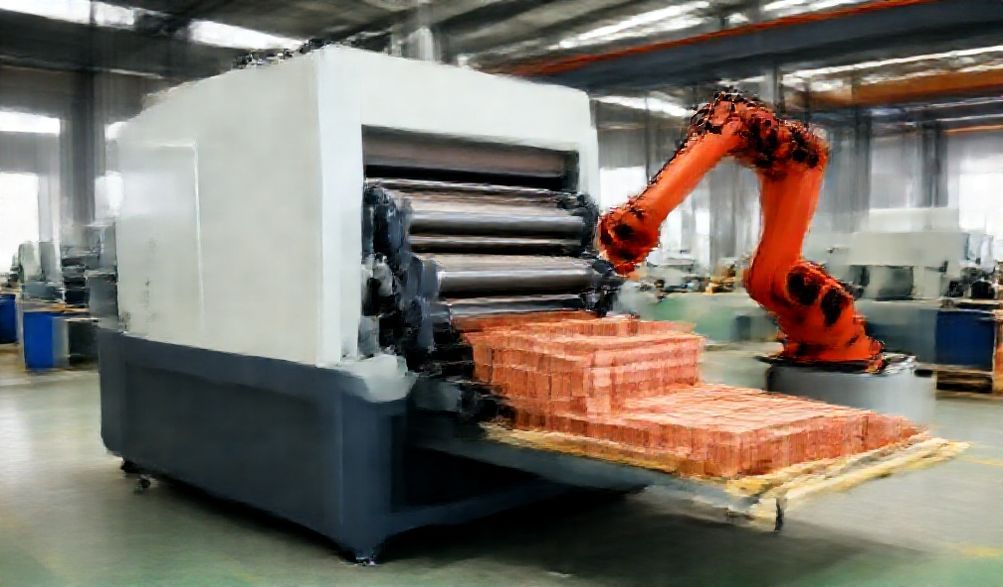
Ang Iyong Komprehensibong Gabay sa Paghahanap ng Mapagkakatiwalaang Supplier ng Makina sa China para sa Paggawa ng Bricks
Panimula
Ang pandaigdigang industriya ng konstruksiyon ay umaasa sa mga ladrilyo, at ang pangangailangan para sa abot-kayang, de-kalidad na makinarya sa paggawa ng ladrilyo ay hindi kailanman naging mas mataas. Sa ganitong kalagayan, ang Tsina ay nagpatatag sa kanyang papel bilang walang duda na sentro ng pagmamanupaktura sa buong mundo, na gumagawa ng karamihan sa mga makina para sa bloke at ladrilyo na ginagamit sa iba't ibang kontinente. Para sa mga may-ari ng negosyo at tagapamahala ng proyekto, ang pagkuha ng mga ito mula sa Tsina ay nagbibigay ng pambihirang pagkakataon para sa halaga at kakayahan.
Gayunpaman, ang oportunidad na ito ay kadalasang nababalot ng kumplikasyon. Ang mga karaniwang hamon ay totoo: paglalayag sa napakalawak na dagat ng mga online supplier sa mga platform ng B2B, pagtiyak sa aktwal na kalidad ng pagmamanupaktura mula sa malayo, pamamahala ng masalimuot na internasyonal na lohistika, at pagtitiyak ng makabuluhang suporta pagkatapos ng pagbebenta sa iba't ibang wika at time zone. Ang isang maling desisyon ay maaaring magdulot ng magastos na downtime, substandard na produksyon, at mga bangungot sa lohistika.
Ang gabay na ito ay inilaan upang maging iyong tiyak na sanggunian. Hindi batay sa teorya, kundi sa mga taon ng direktang karanasan sa industriya, mga audit sa pabrika, at malalim na teknikal na kaalaman sa mga proseso ng paggawa ng ladrilyo, ang aming layunin ay mapalago ang tiwala at pagiging transparent. Bibigyan ka namin ng mga mabisang kaalaman na kailangan upang malampasan ang kalituhan, matukoy ang tunay na mapagkakatiwalaang mga kasosyo, at makagawa ng isang maalam at tiwasay na pamumuhunan para sa kinabukasan ng iyong negosyo. Simulan natin ang paglalakbay ng pagbabago sa paghahanap ng "supplier ng makina sa China para sa paggawa ng mga ladrilyo" mula sa isang nakakatakot na gawain tungo sa isang estratehikong tagumpay.
Bakit Sourcing ng Brick Making Machines mula sa China?
Ang pagpili ng destinasyon para sa sourcing ay isang estratehikong desisyon sa negosyo. Para sa makinarya ng paggawa ng ladrilyo, ang Tsina ay nag-aalok ng kombinasyon ng mga benepisyo na mahirap pantayan ng ibang mga rehiyon, na ginagawa itong pangunahing puntahan ng mga mamimili sa buong mundo.
Cost-Effectiveness and Competitive Pricing: Epektibong Pagkakagastusan at Kompetitibong Pagpepresyo
Ang pangunahing pang-akit ay ang hindi matatawarang halaga. Ang bentaha sa pagpepresyo ng Tsina ay nagmumula sa ilang mahahalagang salik:
- Mga Ekonomiya ng Eskala:Ang napakalaking dami ng makinaryang nagawa ay nagpapababa sa gastos sa bawat yunit.
- Pinagsamang Mga Supply Chain:Ang kalapitan sa mga pinagmumulan ng hilaw na materyales (bakal, hydraulics, elektronika) ay nagpapababa sa mga gastos sa pagkuha ng materyales.
- Hinog na Ekosistema ng Pagmamanupaktura:Isang lubos na sanay, ngunit abot-kayang lakas-paggawa at mga pinahusay na proseso ng produksyon ang nag-aambag sa mas mababang kabuuang gastos sa pagmamanupaktura.
Hindi ito nangangahulugan ng "mura" sa negatibong diwa. Ibig sabihin, magkakaroon ka ng access sa advanced na teknolohiya at matibay na kalidad ng pagkakagawa sa isang presyong kadalasan ay nagbibigay-daan sa mas mabilis na pagbalik ng puhunan (ROI).
Malawak na Uri at Saklaw ng Teknolohiya
Maging malaki man o maliit ang iyong negosyo—mula sa isang nagsisimulang bloke yard hanggang sa isang awtomatikong planta—may makinarya ang Tsina para sa iyo. Walang katulad ang saklaw ng kanilang mga makina:
- Sa Pamamagitan ng Operasyon:Mula sa mga simpleng manual at semi-awtomatikong makina hanggang sa ganap na kompyuterisado at lubos na awtomatikong mga linya ng produksyon.
- Sa pamamagitan ng Output:Mga makina na gumagawa mula 1,000 hanggang mahigit 30,000 na ladrilyo o bloke bawat araw.
- Ayon sa Uri:Mga nakatigil na makina (tulad ng sikat na seryeng QT para sa mga hollow block), mga mobile na tagagawa ng bloke, mga makina para sa interlocking brick, at mga espesyalisadong makina para sa mga paver, curbstone, at iba pa.
- Sa Teknolohiya:Nag-aalok ang mga supplier ng iba't ibang antas ng sopistikasyon sa mga sistema ng panginginig, haydrolikong presyon, mga panel ng kontrol (PLC kumpara sa manual), at kahusayan sa enerhiya.
Sukat ng Paggawa at Kahinugan ng Supply Chain
Ang Tsina ay hindi lamang tahanan ng mga indibidwal na pabrika; ito ay may buong mga kumpol ng industriya na nakatuon sa paggawa ng makinarya. Ang mga lungsod tulad ng Quanzhou, Guangzhou, at Zhengzhou ay may siksik na network ng mga pagawaan ng metal, mga supplier ng sangkap, at mga planta ng pag-assemble. Ang ganitong kahusayan ay nangangahulugan:
- Mas Mabilis na Pagkuha ng mga Komponente:Kung mabibigo ang isang kritikal na bahagi tulad ng haydrolik na bomba o motor, ang mga kapalit ay kadalasang madaling makukuha.
- Patuloy na Pagbabago: Competition within these clusters drives rapid technological improvement and adaptation to global market needs.
- Kahusayan sa Lohistika: Ports and freight forwarders are highly experienced in handling heavy machinery exports, streamlining the shipping process.
Key Factors When Evaluating a Chinese Supplier
With thousands of options, evaluation is critical. Looking beyond the website and brochure is essential to find a true partner.
Verifying Manufacturer vs. Trading Company
This is the first and most crucial filter. A trading company acts as a middleman, while a manufacturer controls the production process.
- How to Distinguish:
- Manufacturer: Will provide specific details about their workshop, production capacity, and in-house engineering. They can easily arrange live video tours of the factory floor.
- Kumpanya ng Pangangalakal: Often represents multiple, sometimes shifting, factories. Their communication may be less technically detailed, and they may be reluctant to provide direct factory contact or unscripted tours.
- Pros and Cons: A reputable trading company can simplify communication and handle export details. However, dealing factory-direct typically offers better price control, direct technical support, and greater transparency into the build quality and production timeline.
Assessing Technical Expertise and R&D Capability
A quality machine is born from engineering prowess. Probe into their technical depth:
- In-House Engineering Team: Do they design and iterate their own machines, or simply assemble purchased parts?
- Kakayahang Mag-Personalisa Can they modify standard models to suit your specific raw materials (e.g., fly ash, clay, concrete mix) or brick size requirements?
- Tumutok sa mga Pangunahing Sistema: Ask detailed questions about their vibration system (frequency, amplitude), hydraulic system (brand of pumps and valves, pressure settings), and control logic. Their ability to explain these clearly signals expertise.
Quality Control Processes and Certifications
Certificates are a baseline, but processes are what guarantee quality.
- Critical Certifications: Look for CE (mandatory for the European market, indicating safety compliance), ISO 9001 (a framework for quality management systems), and other relevant machinery safety standards.
- Mga Pamantayan sa Materyales: Inquire about the grade of steel used for the frame and mold, the specification of hydraulic cylinders, and the brand of electrical components (e.g., Siemens, Schneider for premium machines).
- Audit and QC Plans: A trustworthy supplier will provide a Factory Audit Report or a detailed Quality Control Plan outlining inspection points at each production stage (from welding to assembly to testing).
Production Capacity and Lead Times
Realistic scheduling prevents project delays.
- Ask for a Breakdown: A typical lead time isn’t just “30 days.” It should include: raw material procurement, machining, assembly, painting, factory testing, and crating.
- Understand Capacity: Can they handle your order alongside others without quality suffering? Ask about their current production schedule.
- Buffer for Logistics: Factor in shipping time (sea freight is common for machinery) and potential customs clearance delays at your port.
The Complete Sourcing Process: From Inquiry to Delivery
A structured approach minimizes risk at every stage.
Step 1: Effective Supplier Discovery and Shortlisting
Move beyond a simple Alibaba search.
- Use Precise Keywords: Searches like “china qt6 brick making machine manufacturer” or “fully automatic block machine factory” yield more targeted results than generic terms.
- Leverage Industry Directories: Specialized B2B platforms for construction machinery can have more vetted lists.
- Research Trade Shows: Suppliers who exhibit at major international fairs like the China Import and Export Fair (Canton Fair) or BAUMA China often have stronger export experience.
Step 2: The Art of Technical Communication and Quotation
Clarity here prevents costly misunderstandings. Provide a clear specification sheet:
- Uri ng Brick at Sukat: (e.g., 400x200x200mm hollow block).
- Kapasidad ng Output: Bricks per shift or per day.
- Antas ng Automation: Manual, semi-auto, or fully automatic with robotic pallet handling.
- Mga Pangangailangan sa Kuryente: Voltage and phase (e.g., 380V/3Phase/50Hz).
- Mga Hilaw na Materyales: Composition of your concrete or clay mix.
When quotes arrive, understand the Incoterms:
* EXW (Ex-Works): You own the goods at their factory gate. You handle all shipping, insurance, and customs.
* FOB (Libre sa Barko): They deliver and load the machine onto the ship. You handle sea freight and destination costs.
* CIF (Cost, Insurance, Freight): They pay for the machine, insurance, and freight to your nearest port. You handle customs and inland transport.
Step 3: Due Diligence: Factory Audit and Sample Inspection
Never skip this step.
- Virtual/On-Site Audit Checklist:
- Workshop organization and cleanliness.
- Quality of welding and fabrication.
- Inventory of raw materials and components.
- Testing area for finished machines.
- Interview with engineers or production managers.
- Request Evidence: Ask for a production video of a machine similar to your order or a sample test report from their quality lab.
Step 4: Navigating Contracts, Payment, and Logistics
Protect your investment with clear documentation.
- Key Contract Clauses: Ensure it covers detailed machine specifications, warranty terms (duration, coverage, exclusions), spare parts list with part numbers, and intellectual property if customizations are made.
- Secure Payment Terms: Avoid 100% upfront payments. Common secure terms are:
- 30% T/T deposit, 70% against copy of Bill of Lading.
- Letter of Credit (L/C): A bank-guaranteed payment, safer but more complex.
- Shipping and Customs: Work with a reputable freight forwarder experienced in heavy machinery. They will guide you on crating requirements, HS codes, and necessary import documentation for your country.
Avoiding Common Pitfalls and Red Flags
Forewarned is forearmed. Watch for these warning signs.
Price Traps and “Too Good to Be True” Offers
An offer significantly lower than the market average is a major red flag. This often indicates:
- The use of inferior, non-standard materials that will fail prematurely.
- Hidden costs that will appear later for “essential” components or documentation.
- A complete lack of after-sales service.
Poor Communication and Vague Documentation
A reliable partner is a communicative partner. Be wary of:
- Inconsistent or evasive answers to technical questions.
- Lack of detailed, English operation and maintenance manuals.
- Slow response times, which often predict poor after-sales support.
- Unwillingness to provide any form of verifiable reference or contact.
Weak or Non-Existent After-Sales Service
The machine’s life begins after delivery. A supplier that doesn’t prioritize after-sales is a liability.
- Red Flags: No clear warranty policy, no spare parts catalog, no plan for installation guidance or operator training.
- Critical Parts: Ensure they commit to supplying key wear-and-tear parts like molds, hydraulic seals, vibration motors, and control system components for the long term.
Maximizing Your Investment: After-Sales and Long-Term Partnership
View your supplier as a long-term partner for your business growth.
Installation, Commissioning, and Operator Training
A reputable supplier will support you through startup:
- Detailed Installation Manuals: With clear diagrams and steps.
- Remote Commissioning Support: Via video call to guide your technicians through setup and calibration.
- On-Site Training (Optional): For larger lines, you can often contract a factory engineer to travel to your site for hands-on training, ensuring optimal machine performance from day one.
Sourcing and Managing Spare Parts Inventory
Proactive planning prevents prolonged downtime.
- Request a Critical Spare Parts List from the supplier upon purchase.
- Initial Inventory: Consider purchasing a starter kit of the most common wear parts (filters, seals, gaskets) with your machine order.
- Verify Parts Availability: Confirm that parts will be available for purchase separately for years to come.
Building a Relationship for Future Upgrades and Support
A good supplier relationship pays ongoing dividends. They can become your advisor for:
- Production Line Expansion: Adding capacity or new product lines.
- Technology Upgrades: Retrofitting newer control systems or more efficient components.
- Market Advice: Sharing insights on successful brick types or production techniques used by other clients globally.
Mga Madalas Itanong (FAQ)
Q1: What is the typical price range for a brick making machine from China?
Isalin ang teksto sa Filipino. I-output LAMANG ang isinalin na teksto. Prices vary dramatically. A small manual or semi-automatic machine can start from $3,000 to $15,000 USD. A standard stationary block machine like a QT4 might range from $25,000 to $45,000. Large, fully automated production lines with robotic handling can cost $150,000 to $500,000+. An accurate quote requires your detailed specifications.
Q2: How can I verify if a supplier is a real manufacturer and not just a middleman?
Isalin ang teksto sa Filipino. I-output LAMANG ang isinalin na teksto. Request a live, unscripted video tour of their production workshop via video call. Ask specific questions about their laser cutting, welding, and assembly processes. Check their business license and compare the registered factory address with the location shown in the video and on mapping apps.
Q3: What are the most important certifications to look for?
Isalin ang teksto sa Filipino. I-output LAMANG ang isinalin na teksto.AngCE Mark is critical for safety and EU market access. ISO 9001:2015 certification indicates a managed quality system. For electrical components, look for mentions of international standards. Always ask for copies of the certificates and verify their authenticity if possible.
Q4: What is the standard warranty period, and what does it usually cover?
Isalin ang teksto sa Filipino. I-output LAMANG ang isinalin na teksto. A standard warranty is typically 12 months from the date of shipment or commissioning. It covers defects in materials and workmanship under normal use. It generally does hindi cover wear-and-tear parts (like mold liners), damage from improper operation, lack of maintenance, or force majeure events.
Q5: How do I handle machine breakdowns and technical support from overseas?
Isalin ang teksto sa Filipino. I-output LAMANG ang isinalin na teksto. A professional supplier will offer remote video support to diagnose issues. Ensure you receive comprehensive English manuals with troubleshooting guides. Maintain the provided spare parts list. For critical failures, discuss the possibility and cost of dispatching a technician beforehand, so you have a plan in place.
Konklusyon
Sourcing a brick making machine from China is a significant investment that, when done correctly, can propel your business forward for years. The path to success is built on thorough supplier vetting, crystal-clear technical communication, rigorous due diligence, and strategic planning for after-sales support. Remember, the goal is not to find the cheapest supplier, but the most reliable and expert partner—one whose engineering capability, quality commitment, and service ethos align with your business’s long-term vision.
A trustworthy “china machine for making bricks supplier” is more than a vendor; they are an integral part of your production ecosystem. Use this guide as your actionable checklist. Approach your sourcing journey with confidence, armed with the right questions and a clear process. Your ideal manufacturing partner is out there, ready to help you build a stronger foundation, one brick at a time.
<