
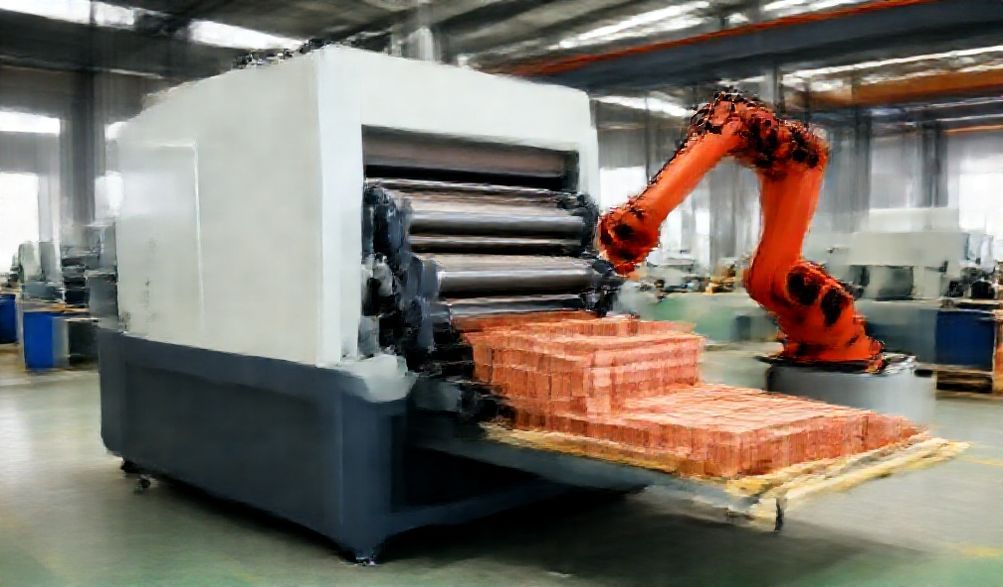
คู่มือขั้นสุดท้ายในการค้นหาซัพพลายเออร์เครื่องจักรทำอิฐจากจีนที่น่าเชื่อถือ
บทนำ
อุตสาหกรรมก่อสร้างทั่วโลกขับเคลื่อนด้วยอิฐ และความต้องการเครื่องจักรผลิตอิฐคุณภาพสูงในราคาที่จับต้องได้ก็สูงขึ้นกว่าที่เคยเป็นมา ในบริบทนี้ จีนได้ตอกย้ำบทบาทของตนในฐานะศูนย์กลางการผลิตที่ไม่อาจโต้แย้งได้ของโลก โดยผลิตเครื่องจักรผลิตบล็อกและอิฐส่วนใหญ่ที่ใช้งานกันทั่วทุกทวีป สำหรับเจ้าของธุรกิจและผู้จัดการโครงการ การจัดซื้อจากจีนถือเป็นโอกาสอันยอดเยี่ยมในด้านคุณค่าและขีดความสามารถ
อย่างไรก็ตาม โอกาสนี้มักถูกปกคลุมไปด้วยความซับซ้อน ความท้าทายทั่วไปนั้นมีอยู่จริง: การเดินทางผ่านทะเลซัพพลายเออร์ออนไลน์ที่มากมายบนแพลตฟอร์ม B2B การตรวจสอบคุณภาพการผลิตจริงจากระยะไกล การจัดการโลจิสติกส์ระหว่างประเทศที่ซับซ้อน และการรับประกันการสนับสนุนหลังการขายที่มีความหมายข้ามภาษาและเขตเวลา การตัดสินใจที่ผิดพลาดอาจนำไปสู่การหยุดทำงานที่เสียค่าใช้จ่ายสูง การผลิตที่ไม่ได้มาตรฐาน และฝันร้ายทางด้านโลจิสติกส์
คู่มือนี้ถูกออกแบบมาเพื่อเป็นแหล่งข้อมูลที่สมบูรณ์แบบสำหรับคุณ สร้างขึ้นไม่ใช่จากทฤษฎี แต่จากประสบการณ์ตรงในอุตสาหกรรมยาวนาน การตรวจสอบกระบวนการในโรงงานจริง และความรู้ทางเทคนิคเชิงลึกเกี่ยวกับกระบวนการผลิตอิฐ เป้าหมายของเราคือการส่งเสริมความไว้วางใจและความโปร่งใส เราจะมอบข้อมูลเชิงปฏิบัติที่คุณสามารถนำไปใช้ได้ทันที เพื่อช่วยให้คุณตัดผ่านข้อมูลที่สับสน ระบุหุ้นส่วนที่เชื่อถือได้อย่างแท้จริง และตัดสินใจลงทุนในอนาคตของธุรกิจคุณอย่างรอบรู้และมั่นใจ เริ่มต้นการเดินทางเพื่อเปลี่ยนการค้นหา "ซัพพลายเออร์เครื่องจักรทำอิฐจากจีน" จากงานที่ยากลำบากให้กลายเป็นความสำเร็จเชิงกลยุทธ์กันเถอะ
ทำไมต้องเลือกเครื่องทำอิฐจากประเทศจีน?
การเลือกแหล่งจัดหาเป็นกลยุทธ์ทางธุรกิจที่สำคัญ สำหรับเครื่องจักรทำอิฐ จีนนำเสนอข้อได้เปรียบที่ผสมผสานกันจนยากที่ภูมิภาคอื่นจะเทียบได้ ทำให้เป็นจุดหมายแรกของผู้ซื้อทั่วโลก
ประสิทธิภาพด้านต้นทุนและการกำหนดราคาที่แข่งขันได้
จุดดึงดูดหลักคือคุณค่าที่ไม่อสามารถปฏิเสธได้ ข้อได้เปรียบด้านราคาของจีนมาจากปัจจัยสำคัญหลายประการ
- ประหยัดจากขนาดปริมาณเครื่องจักรที่ผลิตได้มากมายมหาศาลช่วยลดต้นทุนต่อหน่วย
- ห่วงโซ่อุปทานแบบบูรณาการความใกล้ชิดกับแหล่งวัตถุดิบ (เหล็กกล้า, ระบบไฮดรอลิกส์, อิเล็กทรอนิกส์) ช่วยลดต้นทุนการจัดหาวัสดุ
- ระบบนิเวศการผลิตที่ครบวงจรแรงงานที่มีทักษะสูงแต่ยังคงแข่งขันด้านต้นทุนได้และกระบวนการผลิตที่ได้รับการปรับให้เหมาะสมที่สุด ช่วยลดค่าใช้จ่ายการผลิตโดยรวมลง
นี่ไม่ได้หมายถึง "ราคาถูก" ในความหมายเชิงลบ แต่หมายความว่าคุณสามารถเข้าถึงเทคโนโลยีขั้นสูงและคุณภาพการผลิตที่แข็งแกร่งในระดับราคาที่มักช่วยให้ได้ผลตอบแทนจากการลงทุน (ROI) เร็วขึ้น
ความหลากหลายและขอบเขตทางเทคโนโลยีที่กว้างขวาง
ไม่ว่าคุณจะเป็นผู้ประกอบการรายย่อยที่กำลังเริ่มต้นลานบล็อกหรือบริษัทขนาดใหญ่ที่กำลังสร้างโรงงานอัตโนมัติ จีนมีเครื่องจักรที่เหมาะสำหรับคุณ โดยมีช่วงที่ไม่มีใครเทียบได้
- ตามการดำเนินงานจากเครื่องจักรแบบง่ายๆ ที่ใช้มือและกึ่งอัตโนมัติ ไปจนถึงสายการผลิตที่ใช้คอมพิวเตอร์ควบคุมเต็มรูปแบบและอัตโนมัติสมบูรณ์
- ผลลัพธ์:เครื่องจักรผลิตอิฐหรือบล็อกได้ตั้งแต่ 1,000 ถึงกว่า 30,000 ก้อนต่อวัน
- ตามประเภท:เครื่องจักรแบบอยู่กับที่ (เช่นซีรีย์ QT ที่ได้รับความนิยมสำหรับการผลิตบล็อกคอนกรีตแบบกลวง), เครื่องผลิตบล็อกแบบเคลื่อนที่, เครื่องผลิตอิฐบล็อกประสาน, และเครื่องจักรเฉพาะทางสำหรับผลิตแผ่นปูพื้น, กระเบื้องขอบทางเท้า และอื่นๆ
- ตามเทคโนโลยี:ซัพพลายเออร์เสนอระบบสั่นสะเทือน ความดันไฮดรอลิก แผงควบคุม (PLC เทียบกับแบบแมนนวล) และประสิทธิภาพการใช้พลังงานในระดับความซับซ้อนที่แตกต่างกัน
ขนาดการผลิตและวุฒิภาวะของห่วงโซ่อุปทาน
จีนไม่ได้มีเพียงแค่โรงงานเดี่ยวๆ แต่ยังเป็นที่ตั้งของกลุ่มอุตสาหกรรมทั้งหมดที่อุทิศให้กับการผลิตเครื่องจักรกล เมืองต่างๆ เช่น เฉวียนโจว กว่างโจว และเจิ้งโจว มีเครือข่ายที่หนาแน่นของโรงหล่อ ผู้ผลิตชิ้นส่วน และโรงงานประกอบ ซึ่งความเติบโตเต็มที่นี้หมายความว่า:
- การจัดหาอุปกรณ์ที่รวดเร็วยิ่งขึ้นหากชิ้นส่วนสำคัญ เช่น ปั๊มไฮดรอลิกหรือมอเตอร์เกิดขัดข้อง ส่วนประกอบทดแทนมักจะหาซื้อได้ง่าย
- นวัตกรรมอย่างต่อเนื่องการแข่งขันภายในกลุ่มเหล่านี้ผลักดันให้เกิดการปรับปรุงทางเทคโนโลยีอย่างรวดเร็วและการปรับตัวให้สอดคล้องกับความต้องการของตลาดโลก
- ประสิทธิภาพด้านโลจิสติกส์ท่าเรือและบริษัทตัวแทนขนส่งสินค้ามีประสบการณ์สูงในการจัดการการส่งออกเครื่องจักรหนัก ทำให้กระบวนการขนส่งเป็นไปอย่างมีประสิทธิภาพ
ปัจจัยสำคัญในการประเมินซัพพลายเออร์จีน
ด้วยตัวเลือกนับพัน การประเมินจึงเป็นสิ่งสำคัญ การมองให้ไกลกว่าเว็บไซต์และโบรชัวร์เป็นสิ่งจำเป็นเพื่อหาพันธมิตรที่แท้จริง
ตรวจสอบผู้ผลิตกับบริษัทการค้า
นี่คือตัวกรองแรกและสำคัญที่สุด บริษัทการค้าทำหน้าที่เป็นคนกลาง ในขณะที่ผู้ผลิตควบคุมกระบวนการผลิต
- วิธีแยกแยะ:
- ผู้ผลิต:จะให้รายละเอียดเฉพาะเกี่ยวกับโรงงานของพวกเขา ความสามารถในการผลิต และวิศวกรรมภายในองค์กร พวกเขาสามารถจัดทัวร์สดผ่านวิดีโอของพื้นที่โรงงานได้อย่างง่ายดาย
- บริษัทการค้า:มักเป็นตัวแทนของโรงงานหลายแห่งที่อาจเปลี่ยนแปลงได้ การสื่อสารของพวกเขาอาจมีรายละเอียดทางเทคนิคน้อยกว่า และอาจไม่เต็มใจที่จะให้ข้อมูลการติดต่อโรงงานโดยตรงหรือนำเยี่ยมชมแบบไม่ได้เตรียมล่วงหน้า
- ข้อดีและข้อเสีย:บริษัทการค้าที่มีชื่อเสียงสามารถทำให้การสื่อสารง่ายขึ้นและจัดการรายละเอียดการส่งออกได้ อย่างไรก็ตาม การติดต่อกับโรงงานโดยตรงมักจะให้การควบคุมราคาที่ดีกว่า การสนับสนุนทางเทคนิคโดยตรง และความโปร่งใสที่มากขึ้นในคุณภาพการผลิตและระยะเวลาการผลิต
การประเมินความเชี่ยวชาญทางเทคนิคและความสามารถในการวิจัยและพัฒนา
เครื่องจักรคุณภาพถือกำเนิดจากความเชี่ยวชาญทางวิศวกรรม ลองเจาะลึกถึงความลึกซึ้งทางเทคนิคของพวกเขาดู:
- ทีมวิศวกรรมภายในองค์กร Do they design and iterate their own machines, or simply assemble purchased parts?
- Customization Ability: Can they modify standard models to suit your specific raw materials (e.g., fly ash, clay, concrete mix) or brick size requirements?
- มุ่งเน้นระบบหลัก Ask detailed questions about their vibration system (frequency, amplitude), hydraulic system (brand of pumps and valves, pressure settings), and control logic. Their ability to explain these clearly signals expertise.
Quality Control Processes and Certifications
Certificates are a baseline, but processes are what guarantee quality.
- Critical Certifications: Look for ซีอี (mandatory for the European market, indicating safety compliance), ISO 9001 (a framework for quality management systems), and other relevant machinery safety standards.
- มาตรฐานวัสดุ: Inquire about the grade of steel used for the frame and mold, the specification of hydraulic cylinders, and the brand of electrical components (e.g., Siemens, Schneider for premium machines).
- Audit and QC Plans: A trustworthy supplier will provide a Factory Audit Report or a detailed Quality Control Plan outlining inspection points at each production stage (from welding to assembly to testing).
Production Capacity and Lead Times
Realistic scheduling prevents project delays.
- Ask for a Breakdown: A typical lead time isn’t just “30 days.” It should include: raw material procurement, machining, assembly, painting, factory testing, and crating.
- Understand Capacity: Can they handle your order alongside others without quality suffering? Ask about their current production schedule.
- Buffer for Logistics: Factor in shipping time (sea freight is common for machinery) and potential customs clearance delays at your port.
The Complete Sourcing Process: From Inquiry to Delivery
A structured approach minimizes risk at every stage.
Step 1: Effective Supplier Discovery and Shortlisting
Move beyond a simple Alibaba search.
- Use Precise Keywords: Searches like “china qt6 brick making machine manufacturer” or “fully automatic block machine factory” yield more targeted results than generic terms.
- Leverage Industry Directories: Specialized B2B platforms for construction machinery can have more vetted lists.
- Research Trade Shows: Suppliers who exhibit at major international fairs like the China Import and Export Fair (Canton Fair) or BAUMA China often have stronger export experience.
Step 2: The Art of Technical Communication and Quotation
Clarity here prevents costly misunderstandings. Provide a clear specification sheet:
- ประเภทและขนาดของอิฐ (e.g., 400x200x200mm hollow block).
- ความสามารถในการส่งออก Bricks per shift or per day.
- ระดับการทำงานอัตโนมัติ Manual, semi-auto, or fully automatic with robotic pallet handling.
- ข้อกำหนดด้านพลังงาน: Voltage and phase (e.g., 380V/3Phase/50Hz).
- วัตถุดิบ: Composition of your concrete or clay mix.
When quotes arrive, understand the Incoterms:
* EXW (ส่งมอบที่โรงงาน): You own the goods at their factory gate. You handle all shipping, insurance, and customs.
* เอฟโอบี (ฟรีออนบอร์ด): They deliver and load the machine onto the ship. You handle sea freight and destination costs.
* CIF (Cost, Insurance, Freight): They pay for the machine, insurance, and freight to your nearest port. You handle customs and inland transport.
Step 3: Due Diligence: Factory Audit and Sample Inspection
Never skip this step.
- Virtual/On-Site Audit Checklist:
- Workshop organization and cleanliness.
- Quality of welding and fabrication.
- Inventory of raw materials and components.
- Testing area for finished machines.
- Interview with engineers or production managers.
- Request Evidence: Ask for a production video of a machine similar to your order or a sample test report from their quality lab.
Step 4: Navigating Contracts, Payment, and Logistics
Protect your investment with clear documentation.
- Key Contract Clauses: Ensure it covers detailed machine specifications, warranty terms (duration, coverage, exclusions), spare parts list with part numbers, and intellectual property if customizations are made.
- Secure Payment Terms: Avoid 100% upfront payments. Common secure terms are:
- 30% T/T deposit, 70% against copy of Bill of Lading.
- Letter of Credit (L/C): A bank-guaranteed payment, safer but more complex.
- Shipping and Customs: Work with a reputable freight forwarder experienced in heavy machinery. They will guide you on crating requirements, HS codes, and necessary import documentation for your country.
Avoiding Common Pitfalls and Red Flags
Forewarned is forearmed. Watch for these warning signs.
Price Traps and “Too Good to Be True” Offers
An offer significantly lower than the market average is a major red flag. This often indicates:
- The use of inferior, non-standard materials that will fail prematurely.
- Hidden costs that will appear later for “essential” components or documentation.
- A complete lack of after-sales service.
Poor Communication and Vague Documentation
A reliable partner is a communicative partner. Be wary of:
- Inconsistent or evasive answers to technical questions.
- Lack of detailed, English operation and maintenance manuals.
- Slow response times, which often predict poor after-sales support.
- Unwillingness to provide any form of verifiable reference or contact.
Weak or Non-Existent After-Sales Service
The machine’s life begins after delivery. A supplier that doesn’t prioritize after-sales is a liability.
- Red Flags: No clear warranty policy, no spare parts catalog, no plan for installation guidance or operator training.
- Critical Parts: Ensure they commit to supplying key wear-and-tear parts like molds, hydraulic seals, vibration motors, and control system components for the long term.
Maximizing Your Investment: After-Sales and Long-Term Partnership
View your supplier as a long-term partner for your business growth.
Installation, Commissioning, and Operator Training
A reputable supplier will support you through startup:
- Detailed Installation Manuals: With clear diagrams and steps.
- Remote Commissioning Support: Via video call to guide your technicians through setup and calibration.
- On-Site Training (Optional): For larger lines, you can often contract a factory engineer to travel to your site for hands-on training, ensuring optimal machine performance from day one.
Sourcing and Managing Spare Parts Inventory
Proactive planning prevents prolonged downtime.
- Request a Critical Spare Parts List from the supplier upon purchase.
- Initial Inventory: Consider purchasing a starter kit of the most common wear parts (filters, seals, gaskets) with your machine order.
- Verify Parts Availability: Confirm that parts will be available for purchase separately for years to come.
Building a Relationship for Future Upgrades and Support
A good supplier relationship pays ongoing dividends. They can become your advisor for:
- Production Line Expansion: Adding capacity or new product lines.
- Technology Upgrades: Retrofitting newer control systems or more efficient components.
- Market Advice: Sharing insights on successful brick types or production techniques used by other clients globally.
คำถามที่พบบ่อย (FAQ)
Q1: What is the typical price range for a brick making machine from China?
ก Prices vary dramatically. A small manual or semi-automatic machine can start from $3,000 to $15,000 USD. A standard stationary block machine like a QT4 might range from $25,000 to $45,000. Large, fully automated production lines with robotic handling can cost $150,000 to $500,000+. An accurate quote requires your detailed specifications.
Q2: How can I verify if a supplier is a real manufacturer and not just a middleman?
ก Request a live, unscripted video tour of their production workshop via video call. Ask specific questions about their laser cutting, welding, and assembly processes. Check their business license and compare the registered factory address with the location shown in the video and on mapping apps.
Q3: What are the most important certifications to look for?
กTheCE Mark is critical for safety and EU market access. ISO 9001:2015 certification indicates a managed quality system. For electrical components, look for mentions of international standards. Always ask for copies of the certificates and verify their authenticity if possible.
Q4: What is the standard warranty period, and what does it usually cover?
ก A standard warranty is typically 12 months from the date of shipment or commissioning. It covers defects in materials and workmanship under normal use. It generally does not cover wear-and-tear parts (like mold liners), damage from improper operation, lack of maintenance, or force majeure events.
Q5: How do I handle machine breakdowns and technical support from overseas?
ก A professional supplier will offer remote video support to diagnose issues. Ensure you receive comprehensive English manuals with troubleshooting guides. Maintain the provided spare parts list. For critical failures, discuss the possibility and cost of dispatching a technician beforehand, so you have a plan in place.
สรุป
Sourcing a brick making machine from China is a significant investment that, when done correctly, can propel your business forward for years. The path to success is built on thorough supplier vetting, crystal-clear technical communication, rigorous due diligence, and strategic planning for after-sales support. Remember, the goal is not to find the cheapest supplier, but the most reliable and expert partner—one whose engineering capability, quality commitment, and service ethos align with your business’s long-term vision.
A trustworthy “china machine for making bricks supplier” is more than a vendor; they are an integral part of your production ecosystem. Use this guide as your actionable checklist. Approach your sourcing journey with confidence, armed with the right questions and a clear process. Your ideal manufacturing partner is out there, ready to help you build a stronger foundation, one brick at a time.
<