
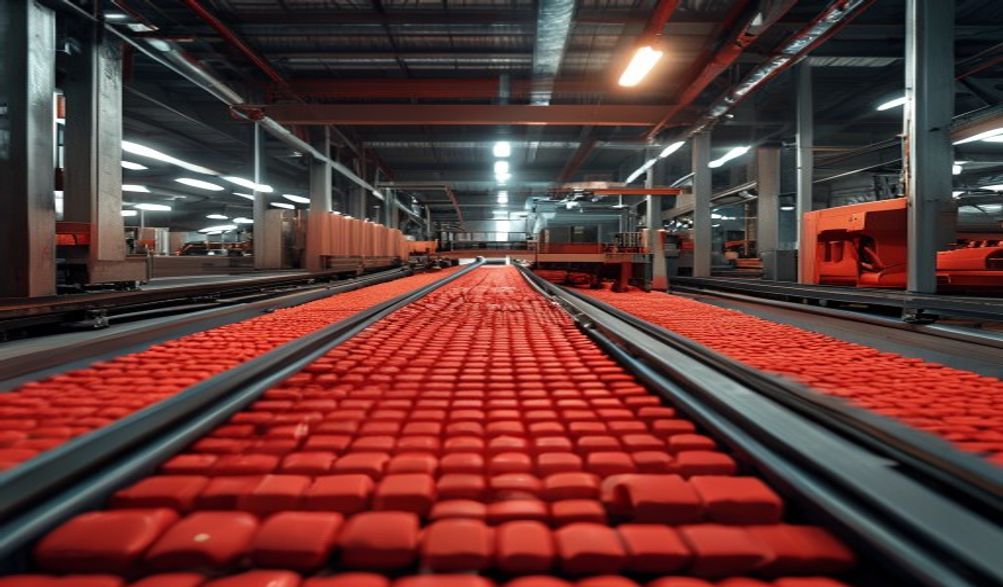
Роҳнамои интихоби мошини мувофиқи хишти гилин дар Чин барои соли 2026
Бӯми сохтмони ҷаҳонӣ нишонаи сустшавиро надорад ва дар маркази лоиҳаҳои бешумор як блоки асосии бунёдӣ ҷойгир аст: хишти хоксор. Барои соҳибкорон ва саноатчиёне, ки мехоҳанд ба ин бозори муҳим ворид шаванд, пайдо кардани таҷҳизоти дурусти истеҳсолӣ муҳимтарин қадами аввал мебошад. Чин, ҳамчун маркази бебаҳси истеҳсолии ҷаҳон, як қатор беҳамтои мошинҳои хиштсози гилиро пешкаш мекунад. Бо вуҷуди ин, ин фаровонӣ боиси мушкилии худ мегардад — чӣ тавр шумо метавонед аз садҳо таъминкунандагон гузашта, шарики боэътимод барои чунин сармоягузории муҳимро пайдо кунед?
Ман зиёда аз даҳ сол бо истеҳсолкунандагони мошинҳо дар қалбҳои саноатии Шандонг, Фуҷиан ва Гуандун ҳамкорӣ намуда, ҳам муваффақиятҳои бузург ва ҳам хатоҳои гаронбаҳоро дидаам. Фарқият ҳамеша ба дониш ва тафтишоти ҷиддӣ рабт дошт. Ин дастур ҳамчун роҳнамои ҳамаҷонибаи шумо тарҳрезӣ шудааст, то шуморо аз садоҳои беҳуда гузаронида, тахассуси заруриро пешниҳод кунад. Мо ҳар қадами муҳими ин равандро аз сар мегузаронем.интихоби мошини сохтани хишти гил дар Чинтабдил додани раванди даҳшатнок ба стратегияи сармоягузории сохторӣ, бехатар ва фоидаовар.
Фаҳмидани ниёзҳои истеҳсолӣ ва намудҳои дастгоҳҳо
Рафтан мустақиман ба вебсайтҳои таъминкунандагон маъмултарин—ва пурарзиштарин—хато мебошад. Раванд бояд аз арзёбии дақиқи дохилӣ оғоз шавад. Мошине, ки барои лоиҳаи бузурги манзилӣ комилан мувофиқ аст, барои як ҳавлияи хурди маҳаллӣ бениҳоят носамаранок мебуд ва баръакс.
Арзёбии миқёс ва ҳадафҳои натиҷаи лоиҳаи шумо
Лутфан, аввал ба ин саволҳои асосӣ бо рақамҳои мушаххас ҷавоб диҳед:
- Талаботи рӯзона/солонаи хишт:Барои расидан ба ҳадафҳои тиҷоратӣ, шумо чанд хишт (масалан, сахт, ковок, ба ҳам пайвастшаванда) дар як рӯз истеҳсол кардан лозим аст? Дар марҳилаи оғоз ва рушд воқеъбин бошед.
- Давомнокии лоиҳаОё ин барои як лоиҳаи сохтмонии яккарата ва муваққатӣ аст, ё барои таъсиси як ташкилоти истеҳсолии доимӣ ва давомдор?
- Замин ва инфрасохторАндоза ва ҳолати майдони истеҳсолии шумо чӣ гуна аст? Оё ба манбаъҳои зарурии коммуналӣ (қувваи барқи сефазаи устувор, об) дастрасии боэътимод доред?
- Меҳнат:Сатҳи маҳорат ва арзиши қувваи кории дастраси шумо чӣ гуна аст? Ин бевосита ба сатҳи автоматӣ, ки шумо бояд баррасӣ кунед, таъсир мерасонад.
Categorize your needs:
* Хурдсозӣ: Up to 5,000 bricks per day. Often manual or semi-automatic operation.
* Миқёси миёна: 5,000 to 20,000 bricks per day. Typically semi-automatic or entry-level automatic lines.
* Миқёси бузурги саноатӣ 20,000+ bricks per day. Requires fully automatic production lines with integrated material handling systems.
Types of Clay Brick Making Machines in China
Chinese manufacturers produce a vast spectrum of machines. Knowing the categories is key.
- Дастӣ/Нимаавтоматӣ Машинаҳо: Ideal for startups with limited capital or in regions with very low labor costs. They require significant manual labor for feeding and brick removal but have a low initial investment.
- Машинаҳои пурра худкор барои сохтани блокҳо: The workhorses of high-volume production. These computer-controlled lines automate material feeding, pressing, curing, and stacking. They offer unmatched consistency, output, and labor savings.
- Машинаҳои муваққатии хиштӣ: Mounted on trailers, these offer the unique advantage of on-site production, eliminating transport costs for finished bricks. Perfect for remote projects.
- Машинаҳои махсусгардида: This includes interlocking brick machines (for dry-stack construction), машинаҳои блокҳои холи, and machines designed for specific raw material mixes like fly ash or cement-stabilized earth.
Key Technical Specifications to Decode
When reviewing brochures, focus on these core specs:
- Фишори (Тоннаж): Measured in tons, this determines the brick’s density and strength. Higher tonnage (e.g., 500T vs. 200T) generally means a stronger, higher-quality brick.
- Вақти даврӣ: The time to produce one batch of bricks. A shorter cycle time means higher output.
- Намуди қолиб & Фармоишӣ: The mold defines the brick’s shape and size. Ensure the supplier can provide or customize molds for your specific brick design.
- Талабҳои барқ: Machines can be electric, dieselёhybrid. Your local power stability and fuel costs will dictate the best choice.
Навигация дар ландшафти таъминкунандагони Хитой
Finding a supplier is easy; finding a trustworthy, competent partner is the real task. The Chinese market has both world-class factories and problematic intermediaries.
Where to Find Reputable Manufacturers
- B2B Platforms (Alibaba, Made-in-China):
- Муҳоҷизот: Vast selection, easy to contact suppliers, trade assurance options.
- Манфӣҳо Overwhelming, filled with trading companies posing as factories, requires intense vetting.
- Industry Exhibitions (Canton Fair, BIMU in Italy):
- Муҳоҷизот: See machines in person, meet engineering teams directly, gauge build quality firsthand.
- Манфӣҳо Time-consuming and expensive to attend.
- Direct Sourcing via Professional Agents/Sourcing Companies:
- Муҳоҷизот: Leverages local expertise, language skills, and established factory networks for vetting and negotiation.
- Манфӣҳо Adds a service cost, requires finding a trustworthy agent.
The Critical Supplier Vetting Process
This is your primary defense against risk.
- Factory Audit is Non-Negotiable: Insist on a live video tour of the production workshop. Look for organized assembly lines, quality control stations, and modern welding/CNC equipment. A refusal is a major red flag.
- Check Licenses & Certifications: Request business licenses and certificates like ISO 9001(менеджменти сифат) ваСЕ (for export to many markets). Understand that while CE is important, it can be self-declared; the factory’s internal quality processes matter more.
- Analyze History & Portfolio: How long have they been in business? A 15-year-old company has more experience than a 2-year-old one. Crucially, ask for references and case studies of machines exported to your country or region. Similar climates and raw materials are a plus.
Red Flags and Green Flags in Supplier Communication
Red Flags:
* Vague, non-technical answers to specific questions.
* Unwillingness to provide a customer contact for a reference.
* Pressure to pay 100% upfront before production.
* No clear after-sales service plan or warranty details.
* Email domain doesn’t match the company name (e.g., using a generic @163.com email for a large factory).
Green Flags:
* Provides detailed, technical proposals with clear drawings.
* Offers a comprehensive warranty (e.g., 12 months for the whole machine, 18 months for the hydraulic system).
* Has a clear process for installation, training, and spare parts supply.
* Communication is prompt, professional, and in clear English (or your language).
Beyond the Price Tag: Total Cost of Ownership
The initial machine quote is just the entry fee. Your real investment is the Total Cost of Ownership (TCO) over 5-10 years.
Understanding the Quotation Breakdown
A professional quote should itemize:
* Machine Cost: The base price.
* Mold Cost: For each brick type you need.
* Shipping Terms: Understand the Incoterms!
* EXW: You handle everything from the factory gate.
* FOB: Supplier gets it to the port and on the ship; you handle sea freight and import.
* CIF: Supplier covers sea freight and insurance to your nearest port.
* Ҳуқуқҳои гумрукӣ ва андозҳо: These vary by your country and must be researched separately.
The Hidden Costs of a Cheap Machine
A low bid often signals future expenses:
* High Failure Rates: Inferior components fail, causing constant downtime.
* Expensive & Hard-to-Find Spare Parts: Proprietary or non-standard parts can be priced exorbitantly.
* Нисбати паст самарабахшии энергия Weak hydraulic systems or motors consume more power, raising operational costs daily.
* Zero After-Sales Support: When it breaks, you’re on your own, paying for expensive local technicians to reverse-engineer fixes.
Warranty, After-Sales Service, and Spare Parts
Your negotiation must cover:
* Warranty Scope: What’s covered (parts, labor, shipping for parts)? What’s excluded (wear-and-tear items, misuse)?
* Дастгирии пас аз фурӯш: Is remote troubleshooting via video call available? What is the response time guarantee?
* Қисмҳои ивазшаванда: Request a recommended spare parts list with pricing. How quickly can critical parts be shipped?
* Насб ва омӯзиш: Is a technician dispatch included? If not, what are the costs? Comprehensive training for your operators is essential for productivity and safety.
Ensuring Quality and Performance
This is where technical due diligence separates the professionals from the amateurs.
Key Components That Define Machine Longevity
The machine is only as good as its weakest part. Prioritize quality in:
* Системаи гидравликӣ: The heart of the machine. Renowned brand pumps and valves (e.g., Rexroth, Kawasaki, Yuken) are far more reliable than no-name components.
* Electrical Controls: A modern PLC (Programmable Logic Controller) system (from Siemens, Mitsubishi, etc.) is more reliable, programmable, and easier to troubleshoot than old-fashioned relay systems.
* Сохтори чаҳорчӯб Look for robust, welded steel frames with sufficient reinforcement. Thinner frames will warp under constant high pressure.
* Системи омехтакунӣ: For plants with mixers, the quality of the blades, shaft, and gearbox determines mixture consistency and maintenance intervals.
Requesting and Evaluating a Factory Test
Never buy a machine untested. Demand a performance test using raw materials as close to yours as possible.
* Step 1: Provide your clay sample or its detailed composition (clay, sand, silt content, moisture).
* Step 2: Observe the entire cycle: feeding, pressing, ejection.
* Step 3: Check the finished bricks for consistent dimensions, sharp edges, and structural integrity.
* Step 4: Assess machine stability, noise levels, and ease of operation.
Мувофиқати Маводи Хом
This is arguably the most critical technical factor. Chinese machines are often tuned for local clay. Your local clay’s plasticity, moisture content, and mineral composition will behave differently. The best practice is to send a 100-200kg sample to your shortlisted supplier for a real test. The cost is minimal compared to the risk of a machine that cannot process your material efficiently.
The Purchase and Logistics Process
With the right supplier and machine identified, it’s time to execute the purchase securely.
Negotiation Strategies and Payment Terms
- Secure Payment Methods: Never use 100% T/T (bank transfer) upfront. Standard and secure terms include:
- 30% T/T deposit, 70% against copy of Bill of Lading.
- Letter of Credit (L/C): More complex but very secure, as the bank guarantees payment upon fulfillment of contract terms.
- Negotiate: Price is negotiable, but so are warranty terms, spare part discounts, and inclusion of extra molds or tools.
Managing Shipping and Customs Clearance
- Freight Forwarder: Hire a reliable freight forwarder in your country or use one recommended by your supplier. They will handle the complex logistics and customs brokerage.
- Documentation: Ensure you receive clean, accurate documents: Commercial Invoice, Packing List, Bill of Lading, Certificate of Origin, and any required manuals.
Installation, Commissioning, and Training
- Plan ahead. Ensure your site is prepared with foundations, power, and water connections before the machine arrives.
- Coordinate the visa and travel for the supplier’s technician well in advance.
- Schedule the training program for all key operators and maintenance staff during the commissioning phase.
Frequently Asked Questions (FAQ)
Q1: What is the average price range for a clay brick making machine from China?
A: Prices vary dramatically from around $5,000 for a small manual machine to over $150,000 for a fully automatic, high-output production line. A robust semi-automatic machine for medium-scale production typically ranges from $25,000 to $60,000. Budget based on required output and automation, not just the sticker price.
Q2: How can I verify if a Chinese supplier is legitimate and not a trading company posing as a factory?
A: Demand a live video tour of the active manufacturing floor—ask them to pan across machinery, show raw materials, and walk through the assembly line. Request their official business license and check the registered address. A true factory will have no issue showing its facility.
Q3: What is the typical lead time from order to delivery?
A: For standard models, production takes 20-40 days. Sea shipping adds 30-60 days depending on your destination port. Customized machines or full plant lines require more time for engineering and manufacturing—always get a written timeline in the contract.
Q4: Do Chinese manufacturers provide English manuals and software?
A: Reputable exporters targeting international markets do. You must confirm this before signing the contract. Specify that you require English operation manuals, maintenance guides, and electrical diagrams. Also, ensure the PLC touchscreen interface can be set to English.
Q5: Who is responsible if the machine arrives damaged or has major faults?
A: Clear contract terms are vital. The supplier is typically responsible for ensuring the machine is properly packed and insured for sea transit. Upon arrival, document any damage with photos and videos immediately. A trustworthy supplier, bound by their warranty, will work to ship replacement parts or, in severe cases, negotiate a resolution. This underscores the importance of working with a vetted, reputable partner.
Conclusion
Choosing the right clay brick making machine in China is a meticulous journey, not a simple transaction. It hinges on four pillars: precisely defining your own production needs, conducting relentless supplier vetting, evaluating the total cost of ownership over the initial price, and insisting on tangible quality verification through material tests and factory audits.
Remember, in this market, the cheapest option is almost invariably the most expensive long-term investment. Your greatest asset will not be the machine itself, but the reliable, communicative, and expert manufacturer standing behind it. That partnership is the ultimate determinant of your project’s profitability and longevity.
Ready to take the next step with confidence? Download our comprehensive supplier vetting checklist and negotiation guide to ensure you ask all the right questions and secure the best possible partnership for your brick-making venture.
<