
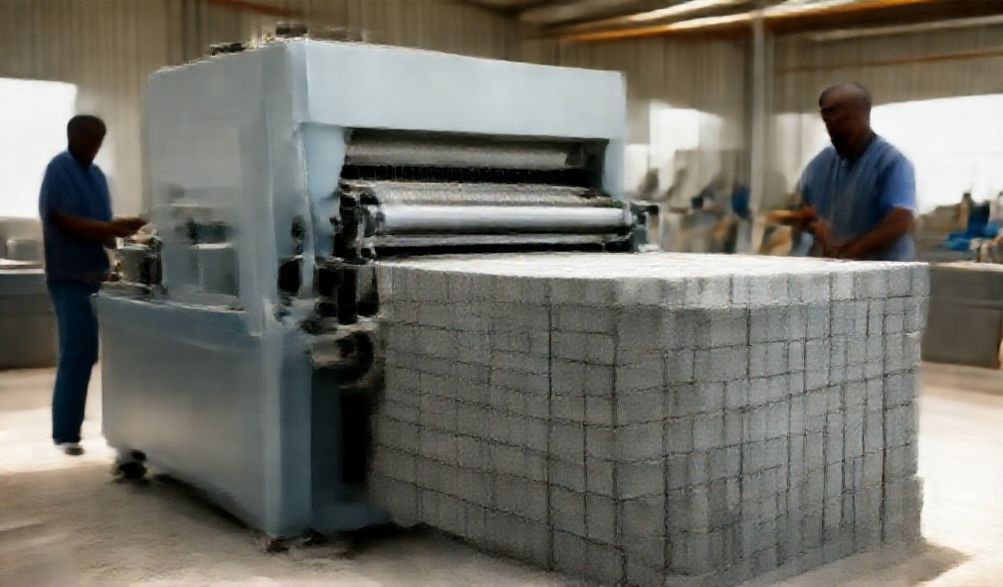
Дастури комил барои мошинҳои сохтани хишти семент дар Африқои Ҷанубӣ (2026)
Муқаддима
Соҳаи сохтмони Африқои Ҷанубӣ устувори иқтисоди он мебошад, ки ба зудӣ ба беш аз 3,5 миллион хонаи арзон ба нарх ниёз дорад. Ин талабот, бо рушди инфраструктура ва лоиҳаҳои хусусӣ якҷоя, эҳтиёҷи доимии материалҳои сохтмонии боэътимод ва арзонро ба вуҷуд меорад. Даҳсолаҳост, ки созандаҳо ва соҳибкорон бо маҳдудиятҳои анъанавии истеҳсоли хишти меҳнатталаб ё хароҳати баланд ва нобаробарии таъминоти хишти харидашуда дучор мешаванд.
Машини муосири сохтмони хишти сементӣ: ҳалли қувватманд, ки моддаҳои хомро ба блокҳои дақиқ ва боқуввати сохтмонӣ ба таври самаранок табдил медиҳад. Ин дастур аз таҳқиқи васеъи бозор, таҳлили техникӣ ва нуктахои назари коршиносони соҳаи Африқои Ҷанубӣ таҳия шудааст. Он барои раҳнамунӣ ва пешниҳоди роҳнамои равшан ва маъмурӣ тарҳрезӣ шудааст. Мо намудҳои дастраси машинаҳо, фоидаҳо, назарҳои асосии харид, панораи таъминкунандагони маҳаллӣ ва масъалаҳои молиявиро баррасӣ мекунем, то шуморо барои сармоягузории боварманд барои лоиҳа ё бизнесатон қудмат диҳем.
Фаҳмидани дастгоҳҳои сохтани хишти сементӣ
Пе аз сармоягузорӣ, муҳим аст, ки технология ва имконотеро, ки дар контексти Африқои Ҷанубӣ рушд мекунанд, фаҳмида шавад.
Машинаҳои сохтмони хишти семент чӣ гуна кор мекунанд?
Дар асоси онҳо, ин дастгоҳҳо раванди қадимаи сохтани хиштро автоматӣ ва такмил медиҳанд. Принсип чор марҳилаи асосиро дар бар мегирад:
- Омехта карданСемент, рег, санги майда ва об барои тайёр кардани бетони якхела ва нимхушк омехта мешаванд.
- Қолибгирӣ:Ин маҳлул ба қолаби шакли хишти дилхоҳ (масалан, максӣ, блоки ҳолӣ) дохил карда мешавад.
- Фарсудан:Ин марҳилаи муҳим аст, ки фишор татбиқ карда мешавад. Мошин ба воситаи дастгоҳи фишор, ларзиши механикӣ ё қувваи гидравликӣ омехтаро фишор медиҳад, ҳавои даромадаро хориҷ мекунад ва хишти зич ва мустаҳкам месозад.
- Шифо додан:Сангҳои хами "сабз" пас аз хориҷ кардан чунда мешаванд ва барои муддате (оддӣ 7-28 рӯз) тар нигоҳ дошта мешаванд, то ки тавассути гидратсия пурра сахтӣ пайдо кунанд.
Фарқияти асосӣ байни намудҳои мошинҳо дар он аст, ки чӣ таврфурӯбурданқувва татбиқ карда мешавад ва сатҳи автоматсозии хӯрокдиҳӣ ва баровардани маҳсулот.
Навъҳои мошинҳои дастрас дар бозори Африқои Ҷанубӣ
Бозор ба ҳама аз сохтмони ҳавлӣ то истеҳсолкунандаи саноатӣ хизмат мерасонад.
-
Машинаҳои дастӣ барои сохтани хишт:
- Беҳтарин барои:Стартапҳо, лоиҳаҳои ҷамъиятӣ, сохтмончиёни хурдмасштаб ва касоне, ки буҷети хеле маҳдуд доранд.
- Амалиёт:Барои фишурдани хок ба қуввати инсонии дастӣ такя мекунад. Истеҳсоли кам, аммо барои харидорӣ арзон ва барои ҳамл осон аст.
- Натиҷа:Одатан 300 – 1 000 хишт дар як рӯзи 8-соата.
-
Машинаҳои ним-автоматӣ:
- Беҳтарин барои:Рушди корхонаҳои хурду миёна (SMEs) ва подрядчиён бо талаботи устувор.
- Амалиёт:Бо истифода аз муҳаррики барқӣ ё дизелӣ системаи ларзиш ва фишор кор карда, хишти сохташударо фишор медиҳад. Оператор омехтаро мегузорад ва хиштҳоро мебарорад, аммо раванди асосӣ механикӣ карда шудааст.
- Натиҷа:Аз 1,500 то 6,000 хисоб дар як рӯз метавонад фарқ кунад. Беҳтарин мувозинати истеҳсолнокӣ ва хароҷотро пешниҳод мекунад.
-
Сохтмони пурра худкори хишти:
- Беҳтарин барои:Истеҳсоли тиҷоратии васеъ, ки ширкатҳои сохтмон ва фурӯшандагонро таъмин мекунад.
- Амалиёт:Системаҳои идорашавандаи компютерӣ, ки омехтакунӣ, хӯрокдиҳӣ, қолибгирӣ, фишурдашавӣ ва чойгиркуниро автоматӣ мекунанд. Дастгустарии дастӣ ҳадди ақал.
- Натиҷа:Метавонад зиёда аз 10,000 хисса хар рӯз бо устувории фавқулодда истеҳсол кунад.
- Ба назар гирифтанСармояи баланди сармоягузорӣ ва талабҳои зиёди фазо ва барқи устувор.
-
Mobile vs. Static Machines:
- Машинаҳои мобилӣ: Mounted on trailers. Ideal for on-site production, eliminating transport costs for large projects like housing estates or remote builds.
- Машинаҳои статикӣ: Fixed installations for factory-based production, often with higher capacity and integration with conveyor systems.
Key Benefits of Investing in a Brick Making Machine in South Africa
The investment goes beyond just making bricks; it’s about securing strategic advantages.
Cost Efficiency and ROI
- Саҳмияҳои бевосита For large-scale projects, producing your own bricks can slash material costs by 30-50% compared to buying retail.
- Даромадҳо ҳосил кардан: A brick-making business has a clear, tangible product with constant demand. The ROI can be swift, especially when supplying local builders, hardware stores, or government housing projects.
- Control: You are insulated from market price fluctuations and supply chain delays for finished bricks.
Uncompromised Quality and Consistency
- Муҳандисии дақиқ Machines apply consistent pressure, producing bricks of uniform size, density, and compressive strength (e.g., 7MPa for non-load bearing, 14MPa+ for structural work).
- SANS Compliance: By controlling the mix design and process, you can reliably produce bricks that meet the South African National Standards (SANS 1215), a critical requirement for formal construction and building plan approval.
Speed and Scalability for Growing Demand
- Meet Deadlines: A semi-automatic machine can produce a house-worth of bricks in days, not weeks, keeping projects on schedule.
- Grow with Demand: Start with a manual or semi-automatic model and upgrade your machinery as your order book grows. This scalability is perfect for the entrepreneurial journey.
Contributing to Local Economic Development
Investing in this technology is inherently local-centric. You create jobs (operators, drivers, admin), support local industries (cement, aggregates), and keep capital within the community. It’s a tangible way to participate in building the nation’s infrastructure.
Critical Features to Consider Before You Buy
Choosing the right machine is a technical decision. Focus on these core features.
Production Capacity (Bricks Per Hour/Day)
Be brutally honest about your needs. A machine that is too small will frustrate you; one that is too large will strain your finances and sit idle.
* Small Project/Start-up: 500 – 2,000 bricks/day.
* Established SME/Contractor: 3,000 – 8,000 bricks/day.
* Large Commercial Venture: 10,000+ bricks/day.
Brick Type and Size Versatility
- Талабҳои бозор: In South Africa, maxi bricks, hollow blocks (for insulation and lighter structures), and pavers are highly popular.
- Mold Flexibility: Ensure the supplier offers a variety of easily interchangeable molds. A machine that can produce multiple products future-proofs your business against changing market trends.
Power Source: Electric, Diesel, or Manual?
- Электрикӣ: Cleaner, quieter, and lower operating cost. Requires reliable grid connection or a substantial generator.
- Дизелӣ: Offers complete mobility and independence from the grid. Ideal for remote sites or areas with load-shedding, but has higher fuel costs and maintenance.
- Дастур: Zero running energy costs, but limited to very low output.
Durability and After-Sales Support
This is the most critical consideration for the South African market.
* Сифати сохтмон: Look for robust frames, high-quality vibration motors, and hardened steel molds. Avoid flimsy, imported machines not built for local conditions.
* Local Service & Spare Parts: Your machine will need maintenance. A supplier with a workshop, trained technicians, and a comprehensive inventory of spare parts within South Africa is non-negotiable. Downtime means lost revenue.
* E-E-A-T Focus: Always verify a supplier’s service claims. Ask for a list of local clients you can contact and inquire about their warranty terms and response times for breakdowns.
Navigating the South African Supplier Landscape
The supplier you choose is as important as the machine itself.
Top Manufacturers and Suppliers of Brick Machines in SA
The market features a mix of long-standing local manufacturers, reputable international brands with local distributors, and newer importers. A trustworthy supplier, whether local or international, will have:
* A physical showroom or factory you can visit.
* Demonstrable machines in operation.
* Transparent pricing and specifications.
* A documented track record of installations and service support.
Authoritativeness Note: Conduct your own due diligence. This guide provides a framework for evaluation, not a definitive ranking. The “best” supplier is the one that reliably supports the machine model that fits your specific needs.
New vs. Used Machines: A Practical Comparison
- New Machines:
- Муҳоҷизот: Full warranty, latest technology, reliable performance, and supplier training/support.
- Манфӣҳо Higher upfront capital outlay.
- Used Machines:
- Муҳоҷизот: Lower initial purchase price.
- Манфӣҳо Potential hidden wear, no or limited warranty, possible obsolescence of parts.
- Red Flags: Avoid machines with excessive rust, cracked frames, or where the seller cannot demonstrate it working. Always check for the availability of spare parts for that specific model.
The Importance of Local Service and Spare Parts
Reiterating this point: a machine without local support is a liability. Before signing anything, ask the supplier:
* “Where is your service centre located?”
* “Can you provide a list of common spare parts and their prices?”
* “What is your typical response time for a service call?”
* “Can I speak to two of your existing customers in my province?”
Cost Analysis and Financing Your Investment
Plan your finances with a clear view of both capital and ongoing costs.
Price Ranges for Different Machine Types (Estimated in ZAR)
Prices are indicative and vary based on capacity, brand, and features.
* Дастгоҳҳои дастӣ: R8,000 – R25,000
* Машинаҳои ним-автоматӣ: R50,000 – R250,000
* Заминҳои Пурра Автоматӣ: R300,000 – R2,000,000+
Beyond the Machine: Calculating Total Operational Costs
Your budget must include:
* Маводҳои хом: Cement, sand, crusher stone/dust.
* Меҳнат: Operators and general assistants.
* Site Costs: Rent, security, water for curing.
* Power/Fuel: Electricity or diesel for the machine.
* Maintenance: A monthly reserve for spare parts and service.
* Transport: Vehicle for delivering bricks.
Financing Options and Government Incentives
- Equipment Financing: Many banks and specialist finance companies offer asset-based loans for machinery.
- SME Funding: Explore opportunities from the Small Enterprise Finance Agency (sefa) and other development finance institutions.
- Ҳимояҳои ҳукуматӣ: While not specific to brick-making, general manufacturing incentives from the Department of Trade, Industry and Competition (DTIC), such as the Critical Infrastructure Programme, may be applicable for larger setups. Consult with a business advisor.
Frequently Asked Questions (FAQ)
Q1: What is the average production output of a standard brick making machine?
A: Output varies dramatically. A manual machine may produce 500-1,000 bricks per day. A standard semi-automatic model can produce 2,000-5,000 bricks per 8-hour shift. Fully automatic plants can exceed 10,000 bricks daily.
Q2: Can I start a brick-making business with a small budget?
A: Absolutely. Many successful businesses start with a single manual or small semi-automatic machine. Focus on a local market, manage costs tightly, and reinvest profits to upgrade your equipment over time.
Q3: How do I ensure the bricks I produce meet South African building standards?
A: Use the correct mix ratio (e.g., 1 part cement to 6 parts combined aggregate for a standard brick), ensure your machine provides adequate compaction, and follow a proper curing process (keeping bricks moist for at least 7 days). For formal projects, have samples tested at a certified lab to verify they meet SANS 1215.
Q4: What is the most common cause of machine breakdown, and how can I prevent it?
A: Neglect is the biggest enemy. The most common issues stem from not cleaning the machine after use (hardened concrete causes damage) and failing to lubricate moving parts as per the manual. Prevent this by implementing a strict daily cleaning and weekly maintenance schedule.
Q5: Where can I get training on operating and maintaining my machine?
A: A reputable supplier should provide comprehensive hands-on training upon installation. For deeper technical knowledge, consider short courses in concrete technology offered by various Technical and Vocational Education and Training (TVET) colleges across South Africa.
Conclusion
Investing in a cement brick making machine in South Africa is a strategic decision that blends practical construction needs with entrepreneurial opportunity. The journey begins by clearly defining your production goals, understanding the mechanics behind different machine types, and, most importantly, prioritising suppliers who offer unwavering local service and support. A thorough cost analysis, considering both the purchase price and ongoing operational expenses, will ensure your venture is built on a solid foundation.
Let this guide be your first step. We strongly encourage you to move from research to action: visit supplier workshops, see machines in operation, and speak directly to their existing customers. There is no substitute for firsthand verification.
Ready to take the next step? Download our free checklist: ’10 Essential Questions to Ask Before Buying a Brick Making Machine in South Africa’ to equip yourself for confident conversations with suppliers.
By making an informed choice, you’re not just buying a piece of equipment—you’re investing in the capacity to build the future of South Africa, one high-quality, locally-produced brick at a time.
<