
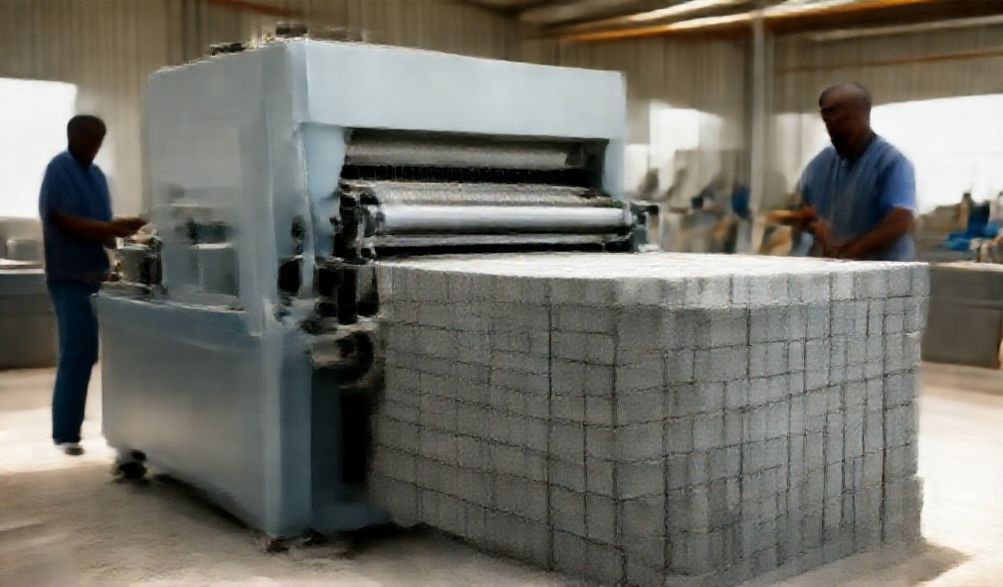
Түркменистанда цемент кирпич ясайыш машинкаларының толук гуллугмасы (2026)
Giriş
Günorta Afrika gurluşyk sektory ykdysadyýetiniň esasy tayanjydyr we 3,5 milliondan gowrak elýeterli jaýlara çalt zerurlyk bar. Bu talap, infrastruktura ösüşi we hususy taslamalar bilen birleşdirilende, ygtybarly, tygşytly gurluşyk materiallaryna üznüksiz talap döredýär. Onlarça ýyllardan bäri gurluşykçylar we telekeçiler geleneksional, iş güýjüne köp zerur bolýan kerpiç ýasamagyň çäklendirmeleri ýa-da satyn alynýan kerpiçleriň artýan bahalary we üpjün edilişiniň durnuksyzlygy bilen kynçylyk çekýärler.
Müasir sement garyş maşyny giriziň: bu, çig materiallary takyk we berk gurluş bloklaryna üstünlikli öwürýän güýçli çözgüt. Bu gollanma giňişleýin bazar gözleginden, tehniki analizden we Günorta Afrikanyň senagat hünärmenlerinden alnan çümlülerden düzüldi. Ol, şowly kesip geçmek we size açyk, ygtybarly ýol görkeziji bermek üçin niýetlenendir. Biz elýeterli maşynlaryň görnüşlerini, olaryň peýdalaryny, esasy satyn almak üns berilmeli zatlary, ýerli üpjünçileriň ýagdaýyny we maliýe aspektlerini düşündireris, bu bolsa taslamanyz ýa-da işiňiz üçin ygtybarly sarmany etmäge mümkinçilik berer.
Sement garyndy kagyz ýasamak maşynlaryny düşünmek
Sowat goýum etmezden öň, tehnologiýany we Günorta Afrika şertlerinde ösýän wariantlary düşünmek möhümdir.
Sement garyndy kiremit ýasama maşynlary nädip işleýär?
Olar, esasan, kerpiç ýasamagyň gadymy prosesini awtomatlaşdyrýar we gowulandyrýar. Bu prinsip dört esasy etapdan ybarat:
- Gatnaşdyrmak:Sement, gum, daş agregaty we suw birleşdirilip, yzygiderli, ýary-gurak beton garyndysy emele getirilýär.
- Galyplama:Бул аралашма каалайлан кирпич формасынын (макси, көңдөй блок сыяклуу) калыбына салына.
- Ыкмалашдырма:Bu basyşyň çykyş fazasy bolup, bu ýerde basyş ýerine ýetirilýär. Maşyn, güýji—düwün, mehaniki titreme ýa-da gidrawlik güýji arkaly—ulanyp, garyndyny gyysdyrýar, howa boşluklaryny aýyrýar we ýygy, güýçli kerpiç döredýär.
- Gowulama:Täze çykarylan "ýaşyl" kerpiç soňra bir wagt (adaty 7-28 gün) üçin üstüne-üstüne goýulýar we gidratasiýa arkaly doly güýjüne ýetmek üçin nemli saklanýar.
The primary difference between machine types lies in how the compacting force is applied and the level of automation in feeding and ejection.
Types of Machines Available in the South African Market
The market caters to everyone from the backyard builder to the industrial manufacturer.
-
Колданма Кирпич Ясагыш Машиналары:
- Iň gowy bolýar: Start-ups, community projects, small-scale builders, and those with a very tight budget.
- Amal: Relies on human lever power for compaction. Low output but highly affordable and portable.
- Çykyş: Typically 300 – 1,000 bricks per 8-hour day.
-
Ýary-awtomatik maşynlar:
- Iň gowy bolýar: Growing small-to-medium enterprises (SMEs) and contractors with steady demand.
- Amal: Uses an electric or diesel engine to power a vibration and compaction system. Operator feeds mix and removes bricks, but the core process is mechanised.
- Çykyş: Can range from 1,500 to 6,000 bricks per day. Offers the best balance of productivity and cost.
-
Fully Automatic Brick Making Plants:
- Iň gowy bolýar: Large-scale commercial production supplying construction companies and retailers.
- Amal: Computer-controlled systems that automate mixing, feeding, molding, compaction, and stacking. Minimal manual intervention.
- Çykyş: Can exceed 10,000 bricks per day with exceptional consistency.
- Ser etmek: High capital investment and requires more space and stable power.
-
Mobile vs. Static Machines:
- Mobil Maşynlar: Mounted on trailers. Ideal for on-site production, eliminating transport costs for large projects like housing estates or remote builds.
- Статик машиналар: Fixed installations for factory-based production, often with higher capacity and integration with conveyor systems.
Key Benefits of Investing in a Brick Making Machine in South Africa
The investment goes beyond just making bricks; it’s about securing strategic advantages.
Cost Efficiency and ROI
- Göni Týarýaýyş: For large-scale projects, producing your own bricks can slash material costs by 30-50% compared to buying retail.
- Gelir ýöretmek: A brick-making business has a clear, tangible product with constant demand. The ROI can be swift, especially when supplying local builders, hardware stores, or government housing projects.
- Control: You are insulated from market price fluctuations and supply chain delays for finished bricks.
Uncompromised Quality and Consistency
- Takyklykly Inženerlik: Machines apply consistent pressure, producing bricks of uniform size, density, and compressive strength (e.g., 7MPa for non-load bearing, 14MPa+ for structural work).
- SANS Compliance: By controlling the mix design and process, you can reliably produce bricks that meet the South African National Standards (SANS 1215), a critical requirement for formal construction and building plan approval.
Speed and Scalability for Growing Demand
- Meet Deadlines: A semi-automatic machine can produce a house-worth of bricks in days, not weeks, keeping projects on schedule.
- Grow with Demand: Start with a manual or semi-automatic model and upgrade your machinery as your order book grows. This scalability is perfect for the entrepreneurial journey.
Contributing to Local Economic Development
Investing in this technology is inherently local-centric. You create jobs (operators, drivers, admin), support local industries (cement, aggregates), and keep capital within the community. It’s a tangible way to participate in building the nation’s infrastructure.
Critical Features to Consider Before You Buy
Choosing the right machine is a technical decision. Focus on these core features.
Production Capacity (Bricks Per Hour/Day)
Be brutally honest about your needs. A machine that is too small will frustrate you; one that is too large will strain your finances and sit idle.
* Small Project/Start-up: 500 – 2,000 bricks/day.
* Established SME/Contractor: 3,000 – 8,000 bricks/day.
* Large Commercial Venture: 10,000+ bricks/day.
Brick Type and Size Versatility
- Bazar Talaby: In South Africa, maxi bricks, hollow blocks (for insulation and lighter structures), and pavers are highly popular.
- Mold Flexibility: Ensure the supplier offers a variety of easily interchangeable molds. A machine that can produce multiple products future-proofs your business against changing market trends.
Power Source: Electric, Diesel, or Manual?
- Elektrik: Cleaner, quieter, and lower operating cost. Requires reliable grid connection or a substantial generator.
- Дизель: Offers complete mobility and independence from the grid. Ideal for remote sites or areas with load-shedding, but has higher fuel costs and maintenance.
- Gollanma: Zero running energy costs, but limited to very low output.
Durability and After-Sales Support
This is the most critical consideration for the South African market.
* Gurluşyk Sypaty: Look for robust frames, high-quality vibration motors, and hardened steel molds. Avoid flimsy, imported machines not built for local conditions.
* Local Service & Spare Parts: Your machine will need maintenance. A supplier with a workshop, trained technicians, and a comprehensive inventory of spare parts within South Africa is non-negotiable. Downtime means lost revenue.
* E-E-A-T Focus: Always verify a supplier’s service claims. Ask for a list of local clients you can contact and inquire about their warranty terms and response times for breakdowns.
Navigating the South African Supplier Landscape
The supplier you choose is as important as the machine itself.
Top Manufacturers and Suppliers of Brick Machines in SA
The market features a mix of long-standing local manufacturers, reputable international brands with local distributors, and newer importers. A trustworthy supplier, whether local or international, will have:
* A physical showroom or factory you can visit.
* Demonstrable machines in operation.
* Transparent pricing and specifications.
* A documented track record of installations and service support.
Authoritativeness Note: Conduct your own due diligence. This guide provides a framework for evaluation, not a definitive ranking. The “best” supplier is the one that reliably supports the machine model that fits your specific needs.
New vs. Used Machines: A Practical Comparison
- New Machines:
- Artalary: Full warranty, latest technology, reliable performance, and supplier training/support.
- Kemçilikler: Higher upfront capital outlay.
- Used Machines:
- Artalary: Lower initial purchase price.
- Kemçilikler: Potential hidden wear, no or limited warranty, possible obsolescence of parts.
- Red Flags: Avoid machines with excessive rust, cracked frames, or where the seller cannot demonstrate it working. Always check for the availability of spare parts for that specific model.
The Importance of Local Service and Spare Parts
Reiterating this point: a machine without local support is a liability. Before signing anything, ask the supplier:
* “Where is your service centre located?”
* “Can you provide a list of common spare parts and their prices?”
* “What is your typical response time for a service call?”
* “Can I speak to two of your existing customers in my province?”
Cost Analysis and Financing Your Investment
Plan your finances with a clear view of both capital and ongoing costs.
Price Ranges for Different Machine Types (Estimated in ZAR)
Prices are indicative and vary based on capacity, brand, and features.
* Elderly Machines: R8,000 – R25,000
* Ýary-awtomatik maşynlar: R50,000 – R250,000
* Doly Awtomatik Ösümlikler: R300,000 – R2,000,000+
Beyond the Machine: Calculating Total Operational Costs
Your budget must include:
* Çig mal. Cement, sand, crusher stone/dust.
* Emegeý Operators and general assistants.
* Site Costs: Rent, security, water for curing.
* Power/Fuel: Electricity or diesel for the machine.
* Maintenance: A monthly reserve for spare parts and service.
* Transport: Vehicle for delivering bricks.
Financing Options and Government Incentives
- Equipment Financing: Many banks and specialist finance companies offer asset-based loans for machinery.
- SME Funding: Explore opportunities from the Small Enterprise Finance Agency (sefa) and other development finance institutions.
- Döwlet tejribeleri: While not specific to brick-making, general manufacturing incentives from the Department of Trade, Industry and Competition (DTIC), such as the Critical Infrastructure Programme, may be applicable for larger setups. Consult with a business advisor.
Frequently Asked Questions (FAQ)
Q1: What is the average production output of a standard brick making machine?
A: Output varies dramatically. A manual machine may produce 500-1,000 bricks per day. A standard semi-automatic model can produce 2,000-5,000 bricks per 8-hour shift. Fully automatic plants can exceed 10,000 bricks daily.
Q2: Can I start a brick-making business with a small budget?
A: Absolutely. Many successful businesses start with a single manual or small semi-automatic machine. Focus on a local market, manage costs tightly, and reinvest profits to upgrade your equipment over time.
Q3: How do I ensure the bricks I produce meet South African building standards?
A: Use the correct mix ratio (e.g., 1 part cement to 6 parts combined aggregate for a standard brick), ensure your machine provides adequate compaction, and follow a proper curing process (keeping bricks moist for at least 7 days). For formal projects, have samples tested at a certified lab to verify they meet SANS 1215.
Q4: What is the most common cause of machine breakdown, and how can I prevent it?
A: Neglect is the biggest enemy. The most common issues stem from not cleaning the machine after use (hardened concrete causes damage) and failing to lubricate moving parts as per the manual. Prevent this by implementing a strict daily cleaning and weekly maintenance schedule.
Q5: Where can I get training on operating and maintaining my machine?
A: A reputable supplier should provide comprehensive hands-on training upon installation. For deeper technical knowledge, consider short courses in concrete technology offered by various Technical and Vocational Education and Training (TVET) colleges across South Africa.
Netije
Investing in a cement brick making machine in South Africa is a strategic decision that blends practical construction needs with entrepreneurial opportunity. The journey begins by clearly defining your production goals, understanding the mechanics behind different machine types, and, most importantly, prioritising suppliers who offer unwavering local service and support. A thorough cost analysis, considering both the purchase price and ongoing operational expenses, will ensure your venture is built on a solid foundation.
Let this guide be your first step. We strongly encourage you to move from research to action: visit supplier workshops, see machines in operation, and speak directly to their existing customers. There is no substitute for firsthand verification.
Ready to take the next step? Download our free checklist: ’10 Essential Questions to Ask Before Buying a Brick Making Machine in South Africa’ to equip yourself for confident conversations with suppliers.
By making an informed choice, you’re not just buying a piece of equipment—you’re investing in the capacity to build the future of South Africa, one high-quality, locally-produced brick at a time.
<