
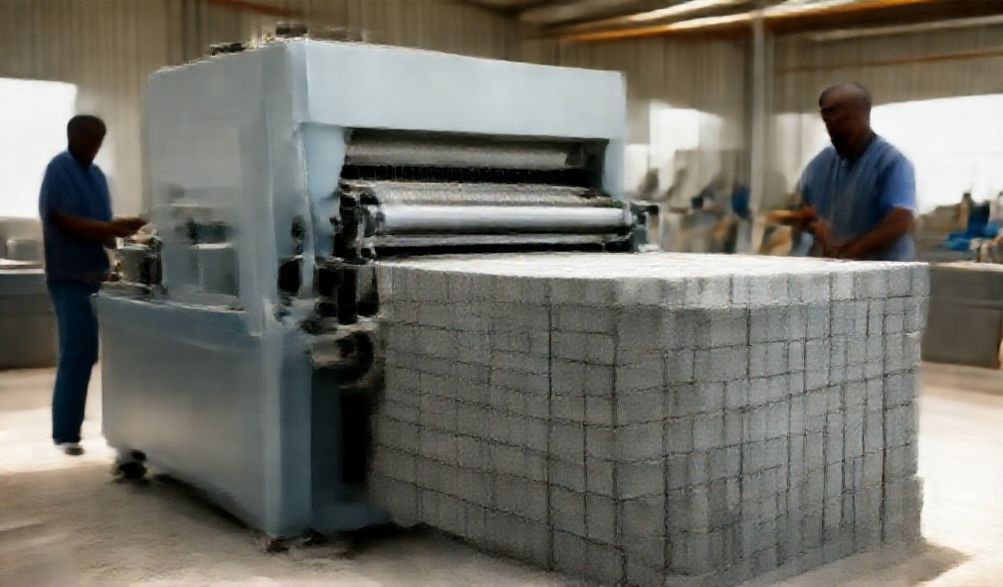
Hướng Dẫn Toàn Diện Về Máy Sản Xuất Gạch Xi Măng tại Nam Phi (2026)
Giới thiệu
Ngành xây dựng Nam Phi là trụ cột của nền kinh tế nước này, với nhu cầu cấp thiết về hơn 3,5 triệu ngôi nhà giá rẻ. Nhu cầu này, cùng với sự phát triển cơ sở hạ tầng và các dự án tư nhân, tạo ra nhu cầu liên tục về vật liệu xây dựng đáng tin cậy và tiết kiệm chi phí. Trong nhiều thập kỷ, các nhà thầu và doanh nhân đã phải vật lộn với những hạn chế của việc sản xuất gạch truyền thống tốn nhiều nhân công hoặc chi phí ngày càng tăng và tình trạng cung ứng không ổn định của gạch mua ngoài.
Bước vào thế giới máy sản xuất gạch xi măng hiện đại: một giải pháp mạnh mẽ biến nguyên liệu thô thành những viên gạch xây dựng chính xác, bền vững một cách hiệu quả. Hướng dẫn này được xây dựng từ nghiên cứu thị trường chuyên sâu, phân tích kỹ thuật và những đóng góp từ các chuyên gia ngành công nghiệp Nam Phi. Nó được thiết kế để loại bỏ những thông tin nhiễu loạn và cung cấp cho bạn một lộ trình rõ ràng, đáng tin cậy. Chúng tôi sẽ phân tích các loại máy có sẵn, lợi ích của chúng, những cân nhắc mua hàng quan trọng, bức tranh nhà cung cấp địa phương và các yếu tố tài chính, trang bị cho bạn khả năng đưa ra quyết định đầu tư tự tin cho dự án hoặc doanh nghiệp của mình.
Hiểu về Máy Sản Xuất Gạch Xi Măng
Trước khi đầu tư, điều quan trọng là phải hiểu công nghệ và các lựa chọn phát triển mạnh trong bối cảnh Nam Phi.
Máy Sản Xuất Gạch Xi Măng Hoạt Động Như Thế Nào?
Cốt lõi của những chiếc máy này là tự động hóa và nâng cao quy trình làm gạch truyền thống. Nguyên lý hoạt động bao gồm bốn giai đoạn chính:
- Pha trộn:Xi măng, cát, đá dăm và nước được trộn đều để tạo thành hỗn hợp bê tông đồng nhất, dạng bán khô.
- Đúc khuônHỗn hợp này được đổ vào khuôn có hình dạng viên gạch mong muốn (ví dụ: gạch maxi, gạch block rỗng).
- Nén chặt:Đây là giai đoạn quan trọng khi áp lực được tác động. Máy sử dụng lực—thông qua một đòn bẩy, rung cơ học, hoặc thủy lực—để nén hỗn hợp, loại bỏ các túi khí và tạo ra viên gạch đặc chắc, bền vững.
- Chữa bệnh:Viên gạch "xanh" vừa được đùn ra sau đó được xếp chồng và giữ ẩm trong một khoảng thời gian (thường là 7-28 ngày) để đạt được cường độ tối đa thông qua quá trình hydrat hóa.
Sự khác biệt chính giữa các loại máy móc nằm ở cách thức mànén chặtlực được áp dụng và mức độ tự động hóa trong việc cấp liệu và đẩy phôi ra.
Các Loại Máy Móc Có Sẵn trên Thị Trường Nam Phi
Thị trường phục vụ tất cả mọi người, từ những người xây dựng sân sau đến các nhà sản xuất công nghiệp.
-
Máy Làm Gạch Thủ Công:
- Tốt nhất cho:Khởi nghiệp, dự án cộng đồng, nhà xây dựng quy mô nhỏ và những người có ngân sách hạn hẹp.
- Hoạt động:Dựa vào sức người để nén. Năng suất thấp nhưng giá cả phải chăng và dễ di chuyển.
- Đầu ra:Thông thường từ 300 đến 1.000 viên gạch mỗi ngày 8 giờ.
-
Máy Bán Tự Động:
- Tốt nhất cho:Phát triển các doanh nghiệp vừa và nhỏ (SMEs) và nhà thầu có nhu cầu ổn định.
- Hoạt động:Sử dụng động cơ điện hoặc động cơ diesel để cung cấp năng lượng cho hệ thống rung và đầm nén. Người vận hành cấp liệu hỗn hợp và lấy gạch thành phẩm, nhưng quy trình cốt lõi được cơ giới hóa.
- Đầu ra:Có thể dao động từ 1.500 đến 6.000 viên gạch mỗi ngày. Mang lại sự cân bằng tốt nhất giữa năng suất và chi phí.
-
Nhà máy sản xuất gạch tự động hoàn toàn:
- Tốt nhất cho:Sản xuất thương mại quy mô lớn cung cấp cho các công ty xây dựng và nhà bán lẻ.
- Hoạt động:Các hệ thống điều khiển bằng máy tính tự động hóa quá trình trộn, cho ăn, đúc, nén chặt và xếp chồng. Can thiệp thủ công tối thiểu.
- Đầu ra:Có thể vượt quá 10.000 viên gạch mỗi ngày với độ đồng đều đặc biệt cao.
- Suy xét:Đầu tư vốn cao và yêu cầu nhiều không gian cùng nguồn điện ổn định.
-
Mobile vs. Static Machines:
- Máy Móc Di Động: Mounted on trailers. Ideal for on-site production, eliminating transport costs for large projects like housing estates or remote builds.
- Máy Tĩnh: Fixed installations for factory-based production, often with higher capacity and integration with conveyor systems.
Key Benefits of Investing in a Brick Making Machine in South Africa
The investment goes beyond just making bricks; it’s about securing strategic advantages.
Cost Efficiency and ROI
- Tiết Kiệm Trực Tiếp For large-scale projects, producing your own bricks can slash material costs by 30-50% compared to buying retail.
- Tạo doanh thu: A brick-making business has a clear, tangible product with constant demand. The ROI can be swift, especially when supplying local builders, hardware stores, or government housing projects.
- Control: You are insulated from market price fluctuations and supply chain delays for finished bricks.
Uncompromised Quality and Consistency
- Kỹ thuật Chính xác: Machines apply consistent pressure, producing bricks of uniform size, density, and compressive strength (e.g., 7MPa for non-load bearing, 14MPa+ for structural work).
- SANS Compliance: By controlling the mix design and process, you can reliably produce bricks that meet the South African National Standards (SANS 1215), a critical requirement for formal construction and building plan approval.
Speed and Scalability for Growing Demand
- Meet Deadlines: A semi-automatic machine can produce a house-worth of bricks in days, not weeks, keeping projects on schedule.
- Grow with Demand: Start with a manual or semi-automatic model and upgrade your machinery as your order book grows. This scalability is perfect for the entrepreneurial journey.
Contributing to Local Economic Development
Investing in this technology is inherently local-centric. You create jobs (operators, drivers, admin), support local industries (cement, aggregates), and keep capital within the community. It’s a tangible way to participate in building the nation’s infrastructure.
Critical Features to Consider Before You Buy
Choosing the right machine is a technical decision. Focus on these core features.
Production Capacity (Bricks Per Hour/Day)
Be brutally honest about your needs. A machine that is too small will frustrate you; one that is too large will strain your finances and sit idle.
* Small Project/Start-up: 500 – 2,000 bricks/day.
* Established SME/Contractor: 3,000 – 8,000 bricks/day.
* Large Commercial Venture: 10,000+ bricks/day.
Brick Type and Size Versatility
- Nhu cầu thị trường: In South Africa, maxi bricks, hollow blocks (for insulation and lighter structures), and pavers are highly popular.
- Mold Flexibility: Ensure the supplier offers a variety of easily interchangeable molds. A machine that can produce multiple products future-proofs your business against changing market trends.
Power Source: Electric, Diesel, or Manual?
- Điện: Cleaner, quieter, and lower operating cost. Requires reliable grid connection or a substantial generator.
- Đi-ê-zen Offers complete mobility and independence from the grid. Ideal for remote sites or areas with load-shedding, but has higher fuel costs and maintenance.
- Hướng dẫn sử dụng: Zero running energy costs, but limited to very low output.
Durability and After-Sales Support
This is the most critical consideration for the South African market.
* Chất Lượng Xây Dựng: Look for robust frames, high-quality vibration motors, and hardened steel molds. Avoid flimsy, imported machines not built for local conditions.
* Local Service & Spare Parts: Your machine will need maintenance. A supplier with a workshop, trained technicians, and a comprehensive inventory of spare parts within South Africa is non-negotiable. Downtime means lost revenue.
* E-E-A-T Focus: Always verify a supplier’s service claims. Ask for a list of local clients you can contact and inquire about their warranty terms and response times for breakdowns.
Navigating the South African Supplier Landscape
The supplier you choose is as important as the machine itself.
Top Manufacturers and Suppliers of Brick Machines in SA
The market features a mix of long-standing local manufacturers, reputable international brands with local distributors, and newer importers. A trustworthy supplier, whether local or international, will have:
* A physical showroom or factory you can visit.
* Demonstrable machines in operation.
* Transparent pricing and specifications.
* A documented track record of installations and service support.
Authoritativeness Note: Conduct your own due diligence. This guide provides a framework for evaluation, not a definitive ranking. The “best” supplier is the one that reliably supports the machine model that fits your specific needs.
New vs. Used Machines: A Practical Comparison
- New Machines:
- Ưu điểm: Full warranty, latest technology, reliable performance, and supplier training/support.
- Nhược điểm: Higher upfront capital outlay.
- Used Machines:
- Ưu điểm: Lower initial purchase price.
- Nhược điểm: Potential hidden wear, no or limited warranty, possible obsolescence of parts.
- Red Flags: Avoid machines with excessive rust, cracked frames, or where the seller cannot demonstrate it working. Always check for the availability of spare parts for that specific model.
The Importance of Local Service and Spare Parts
Reiterating this point: a machine without local support is a liability. Before signing anything, ask the supplier:
* “Where is your service centre located?”
* “Can you provide a list of common spare parts and their prices?”
* “What is your typical response time for a service call?”
* “Can I speak to two of your existing customers in my province?”
Cost Analysis and Financing Your Investment
Plan your finances with a clear view of both capital and ongoing costs.
Price Ranges for Different Machine Types (Estimated in ZAR)
Prices are indicative and vary based on capacity, brand, and features.
* Máy Móc Thủ Công: R8,000 – R25,000
* Máy Bán Tự Động: R50,000 – R250,000
* Cây Trồng Tự Động Hoàn Toàn: R300,000 – R2,000,000+
Beyond the Machine: Calculating Total Operational Costs
Your budget must include:
* Nguyên liệu thô: Cement, sand, crusher stone/dust.
* Labour: Operators and general assistants.
* Site Costs: Rent, security, water for curing.
* Power/Fuel: Electricity or diesel for the machine.
* Maintenance: A monthly reserve for spare parts and service.
* Transport: Vehicle for delivering bricks.
Financing Options and Government Incentives
- Equipment Financing: Many banks and specialist finance companies offer asset-based loans for machinery.
- SME Funding: Explore opportunities from the Small Enterprise Finance Agency (sefa) and other development finance institutions.
- Khuyến khích của Chính phủ: While not specific to brick-making, general manufacturing incentives from the Department of Trade, Industry and Competition (DTIC), such as the Critical Infrastructure Programme, may be applicable for larger setups. Consult with a business advisor.
Frequently Asked Questions (FAQ)
Q1: What is the average production output of a standard brick making machine?
A: Output varies dramatically. A manual machine may produce 500-1,000 bricks per day. A standard semi-automatic model can produce 2,000-5,000 bricks per 8-hour shift. Fully automatic plants can exceed 10,000 bricks daily.
Q2: Can I start a brick-making business with a small budget?
A: Absolutely. Many successful businesses start with a single manual or small semi-automatic machine. Focus on a local market, manage costs tightly, and reinvest profits to upgrade your equipment over time.
Q3: How do I ensure the bricks I produce meet South African building standards?
A: Use the correct mix ratio (e.g., 1 part cement to 6 parts combined aggregate for a standard brick), ensure your machine provides adequate compaction, and follow a proper curing process (keeping bricks moist for at least 7 days). For formal projects, have samples tested at a certified lab to verify they meet SANS 1215.
Q4: What is the most common cause of machine breakdown, and how can I prevent it?
A: Neglect is the biggest enemy. The most common issues stem from not cleaning the machine after use (hardened concrete causes damage) and failing to lubricate moving parts as per the manual. Prevent this by implementing a strict daily cleaning and weekly maintenance schedule.
Q5: Where can I get training on operating and maintaining my machine?
A: A reputable supplier should provide comprehensive hands-on training upon installation. For deeper technical knowledge, consider short courses in concrete technology offered by various Technical and Vocational Education and Training (TVET) colleges across South Africa.
Conclusion
Investing in a cement brick making machine in South Africa is a strategic decision that blends practical construction needs with entrepreneurial opportunity. The journey begins by clearly defining your production goals, understanding the mechanics behind different machine types, and, most importantly, prioritising suppliers who offer unwavering local service and support. A thorough cost analysis, considering both the purchase price and ongoing operational expenses, will ensure your venture is built on a solid foundation.
Let this guide be your first step. We strongly encourage you to move from research to action: visit supplier workshops, see machines in operation, and speak directly to their existing customers. There is no substitute for firsthand verification.
Ready to take the next step? Download our free checklist: ’10 Essential Questions to Ask Before Buying a Brick Making Machine in South Africa’ to equip yourself for confident conversations with suppliers.
By making an informed choice, you’re not just buying a piece of equipment—you’re investing in the capacity to build the future of South Africa, one high-quality, locally-produced brick at a time.
<