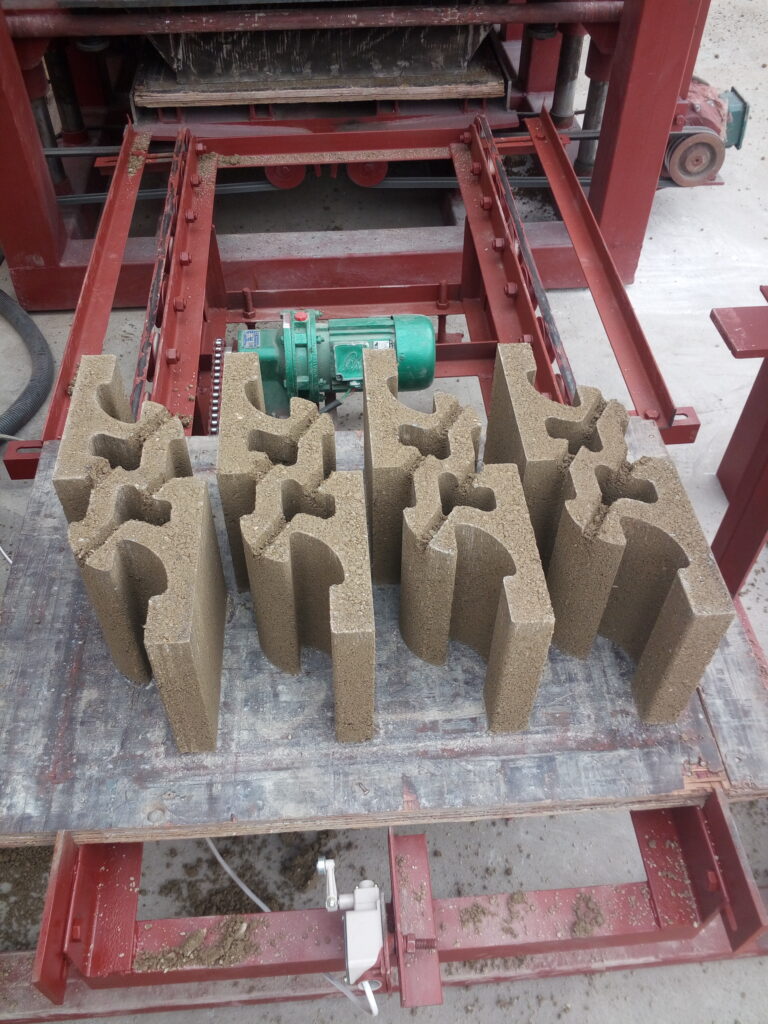
Мошини истеҳсоли хишти бетонӣ
Муқаддима
Дар бахси масолеҳи сохтмон, мошинҳои сохтани хишти бетонӣ технологияи асосии истеҳсоли муосир, миқёспазир ва самаранокро ташкил медиҳанд. Барои тақсимкунандагон, фурӯшандагон ва мутахассисони харид, фаҳмиши нозуки ин дастаи таҷҳизот аз таърифҳои асосӣ дуртар аст — он принсипҳои амалиётӣ, барномаҳои бозорӣ ва бартариҳои стратегиро дар бар мегирад, ки сармоягузории муштариёнро равона мекунанд. Бар хилофи равандҳои анъанавии пухтани хишти гилӣ, мошинҳои хишти бетонӣ аз фишори гидравликӣ ва ларзишӣ истифода мебаранд, то агрегатҳои хом ва сементро ба воҳидҳои дақиқ ва боқимондаи масонӣ табдил диҳанд.
Муайян кардани технология: Принсипҳои асосӣ ва механизмҳо
Дастгоҳи сохтани хишти бетонӣ як дастгоҳи саноатӣ мебошад, ки барои истеҳсоли воҳидҳои мустаҳкам, ҷофӣ, пайвастшаванда ва фаршӣ асосан аз омехтаи агрегатҳо (рег, шағал, сангҳои шикаста), симентҳои Портланд ва об таҳия шудааст. Хусусияти мушаххаси он истифодаи фишори механикӣ мебошад—ба ҷои пухтани дар каминҳои гармӣ—барои ба даст овардани устувории сохторӣ. Ин раванд ба таҳкими гидравликӣ ё ларзишии омехтаи бетонӣ бо нулуни сифр ё паст такя мекунад, ки баъд аз он барои иҷрои гидратсияи симент дар шароити муҳити атроф сабзиш медиҳад.
- Принципи фишурдани гидравликӣ
- Дар маркази бисёр системаҳо пресси гидравликӣ ҷойгир аст. Мотори электрики насосро ба кор меорад, ки моеъи гидравликро фишор медиҳад ва ин моеъ ба навбат худ як ё якчанд цилиндрҳоро фаъол мекунад. Ин цилиндрҳо бо қувваи бузург ва идорашаванда (бо тонна ё мега-Паскал чен карда мешавад) сари фишордиҳандаро ба воситаи матрис барои фишор додан ба материал мерасонанд. Ин фишор холиҳои байни зарраҳоро ба таври назаррас коҳиш дода, матрикси зич ва мутаҳидшудае месозад, ки дар он маҳлули семент агрегатҳоро ба таври самараноб мепайвандад. Қобилияти идоракунии дақиқ ва нигоҳ доштани ин фишор барои ба даст овардани зичии устувор ва муқаррарии маҳсулот муҳим аст.
- Нақши Ларзиш дар Мустаҳкамсозӣ
- Ва Vibratsiyaи баландбасомад, ки аксар вақт бо фишори гидравликӣ якҷоя истифода мешавад, фарқияти калидии он аз усулҳои дигари хиштсозӣ мебошад. Виброторҳое, ки дар миз ё сари қолаб насб шудаанд, энергиюи кинетикиро ба омехтаи бетонӣ интиқол медиҳанд. Ин энергия муваққатан соишро кам мекунад, ки ин ба маводҳои донагӣ имкон медиҳад, ҷараён ёфта, ба контурҳои мураккаби қолаб, аз ҷумла дар атрофи меҳварҳои асосӣ барои блокҳои холӣ нишаст кунанд. Вибросия зичии яксони маҳсулотро таъмин мекунад, холоҳоро бартараф намуда, сатҳи ҳамворро ба вуҷуд меорад, ки барои иқтидори борбардорӣ ва сифати зебоӣ зарур аст.
- Парадигмаи табобат: Гидратсия бар зидди оташзанӣ
- Муҳимтарин фарқият аз технологияи гили пухта раванди муолиҷа (curring) мебошад. Хиштҳои бетонӣ тавассути реаксияи химиявие, ки гидратация номида мешавад, қувват мегиранд, ки дар он семент бо об вокуниш карда, сохторҳои кристаллии сахтшударо ташкил медиҳад. Ин раванд дар ҳарорати муҳити зист дар тӯли чанд рӯз ба амал меояд. Мошин хиштҳои "сабз" (green) истеҳсол мекунад, ки онҳо пас аз он ҷамъ карда шуда, дар шароити назоратшаванда (аксаран бо рӯйпӯши пластикӣ ё дар камераҳои муолиҷа) нам нигоҳ дошта мешаванд, то пурра қувват гиранд, бе он ки барои кӯраҳои пухтан вориди энергияи зиёд шаванд.
Меъмории система ва ҳамгироии ҷузъҳо
Мошини муосир барои хишти бетонӣ на танҳо преси алоҳида, балки системаи интегралӣ мебошад. Сохтори онро метавон ба якчанд зерсистемаҳои асосӣ тақсим кард.
- Қувва ва Системаи Амалисозӣ
- Ин система қувваи ҳаракатдиҳандаро таъмин менамояд. Он одатан аз як муҳаррики барқии баланд-торк, воҳиди қувваи гидравликӣ (занбур, насос, клапанҳо, филтрҳо) ва силиндрҳои амалкунанда иборат аст. Мураккабии блоки клапан — ки аксар вақт клапанҳои мутаносибиро барои назорати ҳамвор дар бар мегирад — дақиқии давраи прессро муайян мекунад. Дар мошинҳои ларзишӣ-марказӣ, ин инчунин муҳаррикҳои ларзишии барқӣ ё гидравликӣ бо назораткунандагони басомади танзимшавандаро дар бар мегирад.
- Қолаб ва васлкунии асбобҳо
- This is the product-defining subsystem. It consists of a hardened steel mold box that forms the external dimensions, a compaction head (upper mold), and, for hollow products, fixed or retractable core rods. These components are manufactured to exacting tolerances to prevent material leakage (flashing) and ensure easy release. The mold’s design directly dictates the brick’s shape, texture, and structural features (e.g., frog, grip patterns, interlocking keys).
- The Control and Automation Nexus
- Operational intelligence resides in a Programmable Logic Controller (PLC). This industrial computer receives signals from sensors (position, pressure, presence) and executes a pre-programmed logic sequence to control all machine functions: feeder movement, vibration activation, press stroke, and ejection. The Human-Machine Interface (HMI) touchscreen allows operators to input parameters, select product recipes, and monitor real-time diagnostics, making the machine adaptable and transparent in operation.
- Auxiliary Material Handling Systems
- To achieve continuous production, the core press is supported by peripheral equipment. This includes aggregate batchers, pan or twin-shaft mixers for homogeneous blending, conveyor belts for material transfer, and automated pallet circulation systems that move green bricks from the press to curing areas and return empty pallets. The degree of integration of these auxiliaries defines the line’s automation level.
Product Portfolio and Application Scope
The versatility of this machinery is a primary commercial driver. By changing mold sets and adjusting machine parameters, a single system can produce a diverse range of market-ready products.
- Structural Masonry Units
- Блокҳои бетонии ҷофӣ: The industry workhorse for wall construction, offering an optimal balance of strength, weight, and material economy. The machine must ensure perfect formation of the webs and shells around the cores.
- Блокҳои бетони сахт: Used for foundations, load-bearing piers, and applications requiring maximum compressive strength and density.
- Блокҳои басташуда: Designed for dry-stack or minimal-mortar construction, these require molds with extreme precision to ensure consistent locking geometry, enabling faster build times.
- Paving and Landscape Products
- Пешравиҳои бетонӣ: For driveways, walkways, and patios. Produced at very high pressures for exceptional durability and freeze-thaw resistance. Machines can produce myriad shapes, from simple rectangles to complex interlocking patterns.
- Сангҳои канорӣ ва ҳадбандии роҳ: Specialized long, linear products that require specific mold designs and handling systems.
- Retaining Wall Units: Often larger, sculpted blocks designed for gravity walls, requiring robust machine frames and high-pressure capabilities.
- Specialized and Engineered Products
- Блокҳои сабук Utilizing expanded clay or shale aggregates. The machine must be tuned to compact these softer aggregates without crushing them.
- Insulated Concrete Forms (ICFs): Complex blocks with built-in cavities for insulation.
- Architectural Screen Blocks: Decorative units with intricate perforations, showcasing the machine’s ability to handle delicate mold tooling.
Strategic Value Proposition for Stakeholders
For the target audience of distributors and their clients, concrete brick machinery offers a compelling set of advantages.
- Economic and Operational Efficiency
- The process eliminates the fuel cost of kiln firing, one of the largest expenses in clay brick production. With quick cycle times (often seconds per brick) and high levels of automation, the cost-per-unit is highly competitive. The ability to use locally sourced aggregates and industrial by-products like fly ash further reduces material costs and supports circular economy goals.
- Quality, Consistency, and Performance
- Machine-controlled production ensures every unit meets identical specifications for dimensions, density, and strength. This consistency is paramount for modern construction, allowing for predictable structural performance, easier bricklaying, and adherence to international standards (ASTM, EN, ISO). The resulting products offer high compressive strength, excellent fire resistance, and good acoustic insulation properties.
- Sustainability and Environmental Profile
- The technology supports sustainable construction through energy-efficient production (no firing), the potential for high recycled content in aggregates, and the use of supplementary cementitious materials like fly ash. Furthermore, concrete masonry buildings offer significant thermal mass, contributing to energy efficiency in operation.
Conclusion
The concrete brick making machine is far more than a simple press; it is the engine of a highly efficient, adaptable, and modern construction materials plant. Its core principles of hydraulic/vibratory compaction and ambient curing represent a technologically and economically superior alternative to traditional fired methods for a vast range of applications. For the strategic distributor, success lies in conveying this machine’s role as a system—integrating mechanical force, electronic control, and material science to produce a diversified portfolio of high-performance building products. By articulating its operational logic, product versatility, and strong value proposition in terms of cost, quality, and sustainability, distributors empower their clients to make transformative investments. These investments not only build profitable businesses but also contribute to meeting the global need for resilient, affordable, and sustainable infrastructure.
Frequently Asked Questions (FAQ)
Q1: How does the strength of a machine-made concrete brick compare to a traditional fired clay brick?
A: High-quality concrete bricks produced on modern machinery routinely achieve compressive strengths that meet or exceed those of standard fired clay bricks. While clay bricks excel in certain properties like absorption, well-compacted concrete blocks offer superior consistency, dimensional accuracy, and can be engineered for very high strengths (over 20 MPa or 2900 psi) for specific structural applications. The performance is highly dependent on mix design and machine pressure.
Q2: What are the key infrastructure requirements for installing a concrete brick production line?
A: Major requirements include:
- Фазо: A large, covered area for the production line, raw material storage, and curing yard.
- Қудрат A stable, high-capacity three-phase electrical supply for motors, hydraulic pumps, and controls.
- Foundation: A heavy-duty, level concrete foundation to absorb machine vibrations and ensure alignment.
- Water Supply: A consistent source of clean water for mixing and curing.
- Material Storage: Organized space for aggregates, cement, and pallets.
Q3: Can these machines use recycled materials in the concrete mix?
A: Yes, this is a significant advantage. Properly processed recycled concrete aggregate (RCA), crushed glass (cullet), and post-industrial materials like fly ash can be successfully incorporated into the mix design. This requires careful grading and quality control to ensure the recycled content does not compromise strength or durability, but it offers substantial cost savings and environmental benefits.
Q4: What is the typical lifespan of a concrete brick making machine, and what drives maintenance costs?
A: With proper maintenance, the core structural frame of a quality machine can last 20+ years. The primary maintenance costs and wear are associated with:
- Mold Tooling: The highest wear item, requiring refurbishment or replacement after 1-3 million cycles depending on material abrasiveness.
- Hydraulic Components: Seals, hoses, and pumps require periodic replacement.
- Vibrators and Bearings: In vibration systems, these are subject to high-stress fatigue.
A proactive, scheduled maintenance program is far less costly than reactive repairs following a breakdown.
Q5: How quickly can a production line be reconfigured to make a different type of brick or block?
A: Reconfiguration time, or changeover, varies. For a simple mold change (e.g., from a solid block to a different sized solid block), a well-designed machine with quick-change clamps can be ready in under an hour. Switching to a radically different product (e.g., from standard block to thin pavers) may take several hours, as it involves changing multiple mold components, adjusting feeder settings, and recalibrating press parameters. This flexibility is a key selling point for markets requiring a diverse product mix.