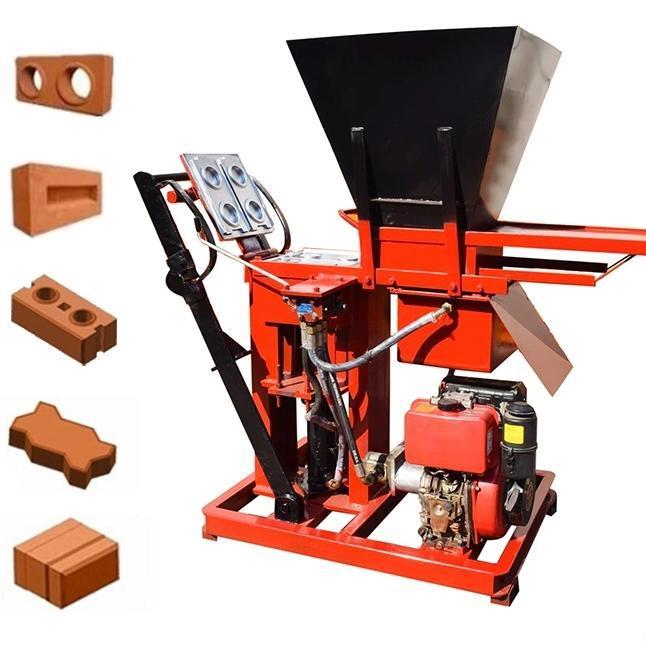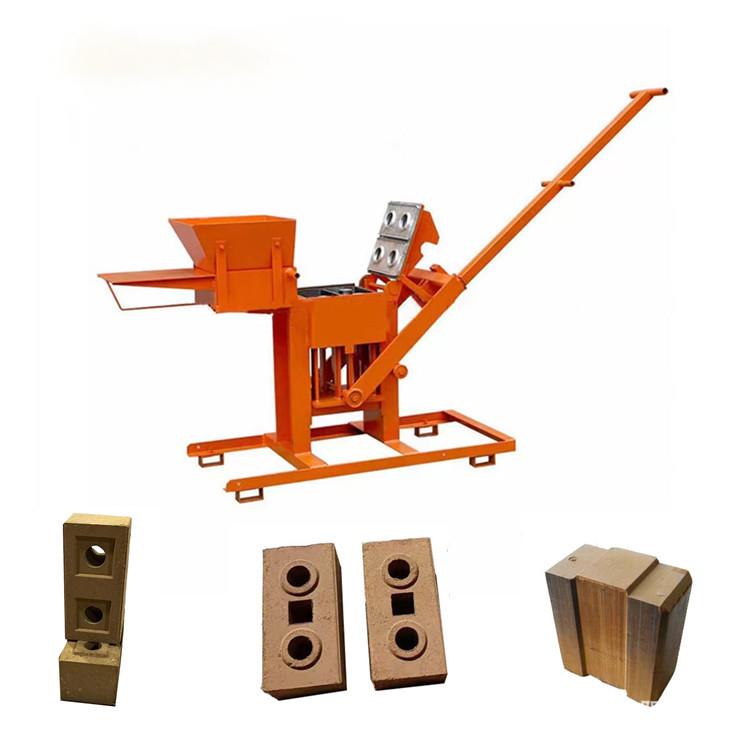
Giới thiệu Công nghệ Xây dựng Khô Xếp Chồng Đột phá
The global construction industry faces persistent challenges in balancing cost efficiency, structural integrity, and accessibility, particularly in developing regions and for budget-conscious projects. The interlocking manual brick making machine emerges as a transformative solution that addresses these fundamental concerns through innovative engineering principles. This specialized equipment produces masonry units featuring precisely engineered protrusions and recesses that mechanically lock together without conventional mortar binding. For distributors, procurement specialists, and development organizations, this technology represents not merely a construction tool but a comprehensive building system that redefines traditional masonry methodologies.
Khung Kỹ Thuật và Cơ Chế Vận Hành
1.1 Nguyên tắc Kỹ thuật và Quy cách Thiết kế
Máy làm gạch thủ công dạng liên hoàn thể hiện sự tinh vi trong kỹ thuật dù có cấu tạo cơ khí đơn giản, kết hợp các tính toán hình học chính xác và nguyên lý khoa học vật liệu.
- Cơ Chế Khóa Hình Học Liên KếtĐiểm đột phá cốt lõi nằm ở thiết kế viên gạch với các gờ và rãnh tương ứng được bố trí chiến lược, tạo thành liên kết cơ học khi lắp ghép. Hầu hết hệ thống sử dụng kiểu khóa liên kết theo chiều dọc và ngang, mang lại độ ổn định đa chiều. Độ chính xác của các kết nối này thường cho phép sai số trong khoảng 0.5-1.0 milimét, đảm bảo độ khít đồng nhất giữa các lô sản xuất. Thiết kế thường tích hợp độ côn nhẹ để dễ dàng lắp đặt nhưng vẫn duy trì các mối nối chặt khít, với cơ chế khóa thường cung cấp khả năng chịu cắt tương đương các mạch vữa truyền thống khi được ăn khớp đúng cách.
- Công Nghệ Nén Thủ CôngCác máy này sử dụng hệ thống cơ khí đòn bẩy để tạo ra lực nén đủ lớn, thường từ 2 đến 5 tấn, thông qua cơ cấu đòn bẩy kép hoặc hệ thống ép kiểu vít. Việc áp dụng lực được hiệu chỉnh chính xác để sản xuất gạch có khối lượng riêng từ 1.800-2.200 kg/m³, tối ưu cho cả khả năng chịu lực và tính năng cách nhiệt. Vận hành thủ công giúp loại bỏ sự phụ thuộc vào nguồn điện trong khi vẫn đảm bảo lực nén phù hợp để sản xuất gạch bền vững, với hầu hết hệ thống được thiết kế cho lực vận hành trong khoảng 15-25 kg, giúp chúng dễ sử dụng cho nhiều đối tượng vận hành khác nhau.
- Hệ Thống Khuôn Mô-đun:Các phiên bản nâng cao có các tấm khuôn có thể thay thế, cho phép sản xuất nhiều kiểu mẫu liên kết khác nhau chỉ từ một khung máy. Những hệ thống này giúp nhà sản xuất tạo ra các đơn vị bổ trợ như gạch nửa, mảnh góc và các thành phần đặc biệt bằng cùng một thiết bị cơ bản. Thiết kế khuôn thường tích hợp cơ chế tháo nhanh, hỗ trợ việc lấy gạch dễ dàng mà vẫn bảo toàn các đặc điểm liên kết tinh tế - yếu tố then chốt để duy trì hiệu suất sản xuất và chất lượng sản phẩm.
1.2 Quy trình Sản xuất và Kiểm soát Chất lượng
Phương pháp sản xuất gạch block chú trọng tính nhất quán và độ chính xác thông qua các quy trình vận hành có hệ thống.
- Chuẩn bị Vật liệu và Thiết kế Hỗn hợp:Sản xuất gạch block thành công đòi hỏi nguyên liệu được phân loại đặc biệt, thường sử dụng cốt liệu có độ đồng đều cao với kích thước hạt tối đa 6-8mm để đảm bảo tạo hình chi tiết chính xác. Tỷ lệ xi măng-cốt liệu thường dao động từ 1:6 đến 1:8, với độ ẩm được duy trì nghiêm ngặt trong khoảng 8-12% để đạt độ nén tối ưu mà không dính vào bề mặt khuôn. Nhiều cơ sở sản xuất hiệu quả kết hợp hỗn hợp đất-xi măng khi có sẵn đất địa phương phù hợp, tuân theo các tiêu chuẩn thiết lập như ASTM D559 để kiểm tra độ bền.
- Quy trình sản xuất tiêu chuẩn hóaQuy trình sản xuất tuân theo một trình tự kỷ lưỡng, bắt đầu bằng việc đo lường vật liệu đồng nhất sử dụng các thùng chứa tiêu chuẩn. Hỗn hợp được đặt cẩn thận trong buồng khuôn với sự chú ý đặc biệt đến việc lấp đầy các vùng có đặc điểm khóa liên động. Áp lực nén được tác động ổn định và duy trì trong 10-30 giây tùy thuộc vào đặc tính của hỗn hợp. Quá trình tháo khuôn sử dụng hệ thống đẩy chính xác để bảo vệ các chi tiết khóa liên động tinh tế, sau đó ngay lập tức chuyển đến các khu vực bảo dưỡng có kiểm soát. Phương pháp tiếp cận có hệ thống này đảm bảo độ chính xác kích thước đồng đều giữa các lô sản xuất.
- Quy trình Chữa bệnh và Đảm bảo Chất lượng:Khác với gạch thông thường, các khối liên kết đòi hỏi sự chú ý đặc biệt trong giai đoạn bảo dưỡng ban đầu để duy trì tính toàn vẹn hình học. Quy trình bảo dưỡng thường bao gồm 48 giờ bảo dưỡng ẩm dưới tấm nhựa, sau đó là 14-21 ngày bảo dưỡng trong không khí trước khi đưa vào sử dụng trong xây dựng. Việc kiểm tra chất lượng bao gồm kiểm tra kích thước định kỳ bằng thước đo chuyên dụng để đo các đặc điểm liên kết quan trọng, cùng với thử nghiệm nén định kỳ nhằm đảm bảo độ bền kết cấu, thường nhắm đến cường độ từ 3-7 MPa tùy theo yêu cầu ứng dụng.
1.3 Hệ thống Phân loại và Các Biến thể Kỹ thuật
Máy ép gạch không nung có nhiều mức độ công nghệ và năng lực sản xuất khác nhau, phù hợp với từng phân khúc thị trường.
- Hệ Thống Cơ Bản Hoạt Động Bằng Đòn Bẩy:Đại diện cho cấp độ công nghệ dễ tiếp cận nhất, những máy này sử dụng cơ chế đòn bẩy đơn giản để tạo ra lực nén. Năng suất sản xuất thường dao động từ 300-600 viên gạch mỗi ngày 8 giờ, với yêu cầu đào tạo ban đầu cho người vận hành là 2-3 ngày để đạt trình độ cơ bản. Các hệ thống này được đặc trưng bởi kết cấu bền bỉ, nhu cầu bảo trì tối thiểu và hoàn toàn không phụ thuộc vào nguồn điện bên ngoài, khiến chúng trở nên lý tưởng cho các ứng dụng ở vùng sâu vùng xa và các sáng kiến xây dựng dựa vào cộng đồng.
- Advanced Multi-Function Manual Presses: This category incorporates improved mechanical advantage systems, often using compound levers or flywheel mechanisms to achieve higher compaction forces. Daily outputs typically range from 600-1,200 bricks, with features including adjustable compression settings, quick-change mold systems, and integrated brick ejection mechanisms. These systems represent the optimal balance between production efficiency and affordability for small to medium enterprises establishing commercial brick manufacturing operations.
- Specialized System Variants: The market includes machines optimized for specific applications, including machines producing interlocking bricks for curved walls, specialized units for slope retention structures, and systems designed specifically for earthquake-resistant construction incorporating reinforced interlocking patterns. These specialized variants typically command 25-40% price premiums over standard models while addressing specific structural and architectural requirements.
1.4 Strategic Advantages and Application Methodology
The interlocking brick system delivers compelling advantages across multiple dimensions of the construction process.
- Construction Efficiency and Labor Optimization: The dry-stack methodology eliminates mortar preparation and application, typically reducing construction time by 40-60% compared to conventional masonry. The interlocking system simplifies alignment and eliminates the need for highly skilled masons, with basic wall construction trainable in 3-5 days. The reduced labor specialization and accelerated construction timeline significantly lower overall project costs, particularly impactful in regions with limited access to skilled masonry labor.
- Structural Performance and Seismic Resilience: Properly engineered interlocking systems demonstrate exceptional structural characteristics, particularly in seismic applications. The mechanical interlocking creates a semi-rigid wall system that can accommodate minor movement without failure, outperforming conventional masonry in earthquake simulation testing. The system’s inherent flexibility, combined with the ability to incorporate vertical reinforcement in designated channels, provides enhanced seismic performance compared to traditional unreinforced masonry construction.
- Economic Accessibility and Cost Efficiency: The technology significantly reduces construction costs through multiple pathways: elimination of mortar materials (typically 15-20% of masonry costs), reduced labor requirements (30-50% savings), minimized material waste (under 2% compared to 5-10% in conventional masonry), and lower transportation costs due to localized production. The overall construction cost savings typically range from 25-35% compared to conventional fired brick construction, making quality housing more economically accessible.
1.5 Implementation Framework and Commercial Considerations
Successful deployment of interlocking brick technology requires strategic planning across technical, operational, and commercial dimensions.
- Market Development and Application Strategy: Successful implementation begins with identifying appropriate applications, typically starting with single-story residential construction, perimeter walls, and agricultural structures. Market education is crucial, particularly demonstrating the structural credibility through test walls and reference projects. Strategic partnerships with housing agencies, development organizations, and progressive construction firms can accelerate market acceptance and create sustainable demand for manufactured units.
- Production Facility Planning and Operation: Establishing successful manufacturing operations requires appropriate site selection considering raw material access, production area requirements (typically 200-500 m² for small operations), and product curing space. The operational model must account for raw material testing, systematic production scheduling, quality control protocols, and skilled labor development. Successful operations typically achieve profitability at production levels of 4,000-6,000 bricks monthly, with clear pathways to scale as market demand increases.
- Business Model Development and Financial Planning: Viable business models range from direct manufacturing and sales to technology licensing and construction service provision. Financial planning must account for machine acquisition costs (typically $1,500-$4,000 for quality manual systems), raw material inventory, production labor, and market development expenses. Break-even analysis typically indicates viability at 40-50% capacity utilization, with full ROI achievable within 12-18 months for well-managed operations serving established markets.
Conclusion
The interlocking manual brick making machine represents far more than construction equipment—it embodies an integrated building system that addresses fundamental challenges of cost, skill, and resource efficiency in construction. Its innovative approach to masonry construction delivers compelling advantages in speed, economy, and structural performance while simultaneously reducing dependency on scarce resources and specialized skills. For commercial stakeholders, this technology opens significant opportunities in affordable housing, disaster-resistant construction, and sustainable building markets. The successful implementation requires careful technical understanding, strategic market development, and operational excellence, but offers the potential to transform construction methodologies and create substantial social and economic value across diverse market conditions.
Frequently Asked Questions (FAQ)
Q1: What is the learning curve for construction crews transitioning from conventional masonry to interlocking brick systems?
A: Skilled masons typically require 3-5 days of training to achieve proficiency with interlocking brick construction, while unskilled laborers can become competent in basic wall construction within 5-7 days. The key differences involve understanding the dry-stack methodology, proper alignment techniques using guide strings, and learning the specific patterns for corners and openings. Most training programs report that crews achieve 80% of maximum efficiency within their first 2-3 projects using the system.
Q2: How does the structural performance of interlocking brick walls compare to conventional masonry?
A: Properly constructed interlocking brick walls demonstrate compressive strength comparable to conventional masonry, typically ranging from 3-7 MPa. The interlocking system provides improved resistance to shear forces, making it particularly suitable for seismic applications. When reinforced with vertical steel in designated channels and properly capped with bond beams, interlocking brick walls can meet international building code requirements for load-bearing construction up to 2-3 stories, depending on specific design parameters.
Q3: What are the maintenance requirements for manual interlocking brick machines?
A: Maintenance requirements are minimal but crucial for consistent production quality. Daily maintenance includes cleaning all mold surfaces and lubrication of moving parts. Weekly inspection should verify wear on compression components and check for deformation in mold plates. Major maintenance typically involves replacement of wear parts every 50,000-100,000 bricks, depending on material abrasiveness. Proper maintenance typically requires 15-30 minutes daily and 2-3 hours for weekly thorough inspection and servicing.
Q4: Can interlocking bricks be used in combination with conventional construction methods?
A: Yes, interlocking bricks integrate effectively with conventional concrete frameworks, reinforced concrete columns, and standard roofing systems. The interface typically involves creating a standard mortar bed at connection points or using specialized U-shaped interlocking bricks that accommodate reinforced concrete elements. This flexibility allows architects and engineers to combine the efficiency of interlocking masonry with the structural benefits of reinforced concrete where required by design considerations.
Q5: What quality control measures are most critical for successful interlocking brick production?
A: The most critical quality parameters include dimensional consistency (particularly for interlocking features), uniform compaction density, and proper curing. Key control measures include: daily dimensional verification using checking gauges, periodic weight checks to ensure consistent density, systematic compression testing of sample bricks, and careful monitoring of curing conditions. Establishing and maintaining these quality protocols is essential for producing bricks that assemble properly and perform as intended structurally.
Q6: How does production output vary between different models of manual interlocking brick machines?
A: Production capacity ranges significantly based on machine design and operator skill. Basic lever systems typically produce 40-70 bricks per hour, while advanced manual presses can achieve 100-150 bricks per hour with trained operators. Actual daily output for an 8-hour production day typically ranges from 300-600 bricks for basic systems and 600-1,000 bricks for advanced manual presses, accounting for necessary breaks, material preparation, and quality checking activities.