
Hướng Dẫn Toàn Diện Về Các Nhà Sản Xuất & Nhà Cung Cấp Máy Làm Khối Bê Tông Đúc Sẵn
Giới thiệu
Trong thế giới xây dựng bê tông cốt thép, những thành phần nhỏ nhất thường gánh vác trách nhiệm lớn lao nhất. Cục kê - những miếng đệm bằng bê tông hoặc nhựa tưởng chừng khiêm tốn - lại là những người bảo vệ thầm lặng cho tính toàn vẹn kết cấu. Chúng đảm bảo lớp bê tông bảo vệ quan trọng, che chắn cốt thép khỏi ăn mòn, lửa và tác động môi trường, ảnh hưởng trực tiếp đến tuổi thọ và độ an toàn của công trình. Thế nhưng, chất lượng và độ đồng đều của những thành phần sống còn này lại phụ thuộc vào một yếu tố then chốt: chiếc máy sản xuất ra chúng.
Đối với các công ty xây dựng, nhà sản xuất cấu kiện đúc sẵn và doanh nhân, việc tìm nguồn máy làm cục kê đáng tin cậy có thể là một thách thức khó khăn. Thị trường tràn ngập các lựa chọn, nhưng việc tìm hiểu thường dẫn đến những bực bội: máy móc tạo ra kích thước cục kê không đồng đều, thường xuyên hỏng hóc, hoặc đi kèm với dịch vụ hỗ trợ không đáng kể. Lựa chọn sai lầm không chỉ ảnh hưởng đến sản lượng; nó còn có nguy cơ làm tổn hại đến các thông số kỹ thuật của dự án, dẫn đến công việc sửa chữa tốn kém và các vấn đề tiềm ẩn về tuân thủ quy định.
Đây là lúc quyết định vượt ra khỏi bản thân cỗ máy và tập trung vào nguồn gốc. Việc lựa chọn đúngnhà sản xuất máy làm khối bê tônglà một khoản đầu tư chiến lược cho năng suất lâu dài, hiệu quả chi phí và sự an tâm của bạn. Một đối tác uy tín không chỉ bán thiết bị cho bạn; họ cung cấp một giải pháp được hỗ trợ bởi chuyên môn kỹ thuật, cấu trúc bền vững và dịch vụ hậu mãi không ngừng.
Hướng dẫn toàn diện này được xây dựng từ những hiểu biết ngành và kiến thức kỹ thuật nhằm trao quyền cho bạn. Mục tiêu của chúng tôi là giúp bạn vượt qua việc chỉ so sánh giá cả và trang bị cho bạn các tiêu chí để đánh giá nhà sản xuất dựa trên năng lực kỹ thuật, danh tiếng đã được chứng minh và cam kết dịch vụ. Hãy cùng xây dựng nền tảng cho một quyết định mua hàng thông minh hơn.
Máy Làm Cốt Liệu Là Gì?
Trước khi đánh giá ai chế tạo cỗ máy tốt nhất, điều cốt yếu là phải hiểu nó làm gì và tại sao độ chính xác của nó không thể thỏa hiệp.
Chức năng cốt lõi và tầm quan trọng
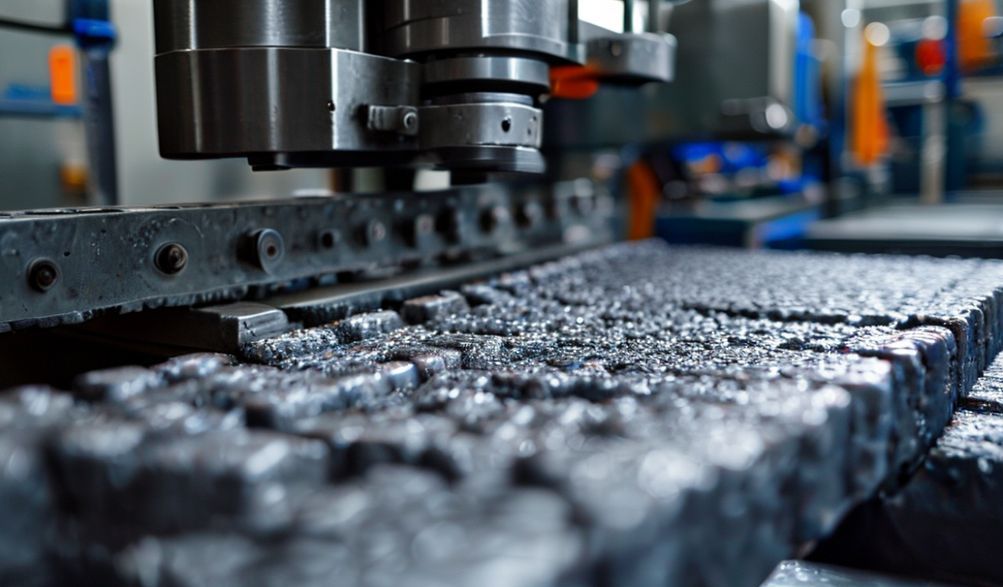
Máy làm cục kê là một thiết bị chuyên dụng được thiết kế để sản xuất số lượng lớn các cục kê bê tông hoặc nhựa PVC. Các máy này thường hoạt động bằng cách sử dụng áp lực thủy lực hoặc cơ chế rung (hoặc kết hợp cả hai) để nén nguyên liệu thô—hỗn hợp bê tông khô hoặc hợp chất nhựa—thành các khối chính xác, đặc chắc và đồng đều trong khuôn.
Tầm quan trọng của máy móc không thể được đánh giá quá cao. Độ chính xác của nó trực tiếp quyết định độ chính xác về kích thước của mọi khối phủ mà nó sản xuất. Trong xây dựng, chỉ một vài milimet sai lệch trong lớp bê tông bảo vệ cũng có thể vi phạm các tiêu chuẩn kỹ thuật, chẳng hạn nhưIS 456:2000 (Bê tông thường và bê tông cốt thép – Quy phạm thực hành)tại Ấn Độ, quy định yêu cầu lớp bê tông bảo vệ tối thiểu dựa trên điều kiện môi trường. Một máy móc chất lượng cao đảm bảo mỗi khối đạt chính xác chiều cao quy định (ví dụ: 20mm, 40mm, 50mm), từ đó đảm bảo lớp bảo vệ cốt thép thiết kế được thực hiện đồng nhất tại công trường.
Các Loại và Kết Quả Phổ Biến
Máy móc được phân loại dựa trên mức độ tự động hóa và phương thức hoạt động của chúng.
- Máy Móc Thủ Công:Được vận hành bằng các cần gạt tay hoặc cơ cấu đơn giản. Chi phí thấp nhất, phù hợp cho quy mô rất nhỏ hoặc sử dụng không thường xuyên. Sản lượng phụ thuộc vào lao động và tương đối thấp.
- Máy Bán Tự Động:Kết hợp giữa việc nạp liệu thủ công và ép/đẩy tự động. Mang lại sự cân bằng tốt giữa chi phí, sản lượng và tính ổn định cho các doanh nghiệp vừa và nhỏ.
- Máy Móc Tự Động Hoàn Toàn:Tích hợp tính năng cấp liệu tự động, ép và đẩy khối ra, thường được điều khiển bằng PLC (Bộ điều khiển logic khả trình). Chúng mang lại sản lượng cao nhất với sự can thiệp thủ công tối thiểu, lý tưởng cho sản xuất quy mô lớn.
Những máy móc này có thể sản xuất nhiều loại khối đệm khác nhau, bao gồm:
* Khối Tròn/Trụ
* Khối Lập Phương
* Khối Loại Bánh Xe/Trục Cuốn
* Khoảng cách kiểu ghế
* PVC Cover Blocks (using a different mold and material hopper)
Key Factors When Choosing a Cover Block Machine Manufacturer
This is the heart of your decision-making process. Look beyond glossy brochures and evaluate manufacturers on these critical pillars.
Technical Expertise and Machine Quality
The core of a manufacturer’s value lies in their engineering capability and the build quality of their machines.
-
Material & Build: Inspect the fundamentals.
- The machine frame should be constructed from heavy-duty, welded steel sections to withstand constant vibration and pressure without deformation.
- Molds must be precision-machined from high-grade, hardened steel to resist wear and maintain dimensional accuracy over thousands of cycles.
- Hydraulic systems should use reputed brand pumps, valves, and cylinders. For vibration-based machines, the motor and vibrator assembly quality is paramount.
-
Năng lực sản xuất: Align the machine with your needs.
- Output is typically measured in blocks per hour or per 8-hour shift. A small contractor might need 2,000-5,000 blocks/day, while a large precast plant may require 20,000+.
- Clearly communicate your volume requirements and ask for the tested output capacity of the specific model under consideration.
-
Mức độ Tự động hóa: Choose based on your operational scale.
- Manual/Semi-Auto: Lower capital cost, higher variable labor cost, suitable for fluctuating demand.
- Hoàn Toàn Tự Động: Higher initial investment, but significantly lower per-unit labor cost, superior consistency, and higher output. Justifies itself quickly for steady, high-volume production.
-
Customization Ability: A sign of a responsive manufacturer.
- Can they modify the machine’s pressure settings for different concrete mix designs?
- Do they offer custom mold designs for proprietary or non-standard block shapes?
- This flexibility can be crucial for niche applications or optimizing production for your specific raw materials.
Manufacturer’s Reputation & Industry Experience
A manufacturer’s past performance is the most reliable indicator of your future experience.
-
Years in Business: Longevity in the heavy machinery sector generally suggests resilience, accumulated technical knowledge, and an established supply chain for parts. It indicates they’ve evolved with industry demands.
-
Client Portfolio & Case Studies: Ask for specifics.
- Request a list of clients, particularly those in a similar industry (e.g., other precast plants, construction firms).
- Genuine testimonials, photos, or videos of machines operating in client facilities are powerful validators.
- Case studies that detail a client’s challenge and the solution provided are excellent indicators of problem-solving capability.
-
Certifications & Compliance: Look for objective standards.
- ISO 9001:2015 Certification is a strong signal of a structured quality management system in design, manufacturing, and service.
- Compliance with industrial machinery safety standards (like those from the Bureau of Indian Standards) is essential.
- Certifications demonstrate a commitment to process-driven quality, not just ad-hoc assembly.
After-Sales Support and Service
This is where many manufacturers are separated from the suppliers. The machine will need support; ensure it’s part of the package.
-
Warranty Period: Scrutinize the details.
- A standard warranty of 12-24 months on the machine is common for reputable manufacturers.
- Understand what is covered (e.g., parts, labor) and, crucially, what is excluded (e.g., wear-and-tear items like mold liners, misuse).
-
Availability of Spare Parts: Critical for minimizing downtime.
- Inquire about the inventory of critical spares (hydraulic seals, electrical components, mold parts).
- Do they have a systematic parts catalog and a streamlined process for ordering?
- Long lead times for imported parts can be a major operational risk.
-
Technical Support & Training:
- Will they provide an engineer for installation and commissioning?
- Do they offer comprehensive training for your operators on machine use, routine maintenance, and basic troubleshooting?
- Is technical support available via phone, email, or remote diagnostics?
-
Mạng Lưới Dịch Vụ Evaluate responsiveness.
- What is the geographical coverage of their service engineers?
- What is the typical response time for a service call?
- A manufacturer with a wide network or trained local partners can resolve issues faster.
The Manufacturing Process: A Sign of a Quality Manufacturer
Understanding how a manufacturer builds their machines offers deep insight into their commitment to quality. A transparent process is a hallmark of a trustworthy partner.
From Design to Assembly
A vertically integrated manufacturer with in-house control over key stages typically delivers more reliable products.
- R&D & Design: It begins with engineering design using CAD software, focusing on structural integrity, force distribution, and ergonomics. This phase should consider real-world operational stresses.
- Sourcing: Quality components (hydraulic systems, electrical panels, motors) should be sourced from reputable, traceable suppliers. The best manufacturers have long-standing relationships with their component vendors.
- Fabrication: Cutting, drilling, and welding of the steel frame should occur in a controlled workshop environment using skilled labor and precision tools, ensuring perfect alignment.
- Assembly: This is where components come together. Look for manufacturers who perform assembly in-station, with rigorous checks at each step, rather than just bolting together outsourced sub-assemblies.
Quy Trình Kiểm Soát Chất Lượng và Thử Nghiệm
The final gate before dispatch separates exceptional manufacturers from the rest. Rigorous testing should be non-negotiable.
- Hydraulic System Testing: The system is pressure-tested to well above its standard operating pressure to check for leaks, gauge accuracy, and valve function.
- Vibration & Electrical Tests: For vibration machines, frequency and amplitude are measured. Electrical panels are checked for proper earthing, insulation, and safe operation of all controls.
- Trial Run & Output Inspection: The machine should undergo a full production trial run with the material you intend to use (or a standard mix).
- The produced blocks are checked for dimensional accuracy (length, width, height, density).
- The surface finish should be smooth and consistent.
- The output rate is verified against the claimed capacity.
- Kiểm tra cuối cùng: A comprehensive check of all safety features, guards, lubrication points, and paint finish before crating.
Questions to Ask Potential Cover Block Machine Suppliers
Arm yourself with this due-diligence checklist during your discussions with shortlisted manufacturers.
Questions About the Product
- “Can you provide the technical data sheet for this model, detailing motor power, hydraulic pressure, cycle time, and power consumption?”
- “What is the expected output (in blocks per hour) for a standard 40mm concrete cover block using a XYZ mix design?”
- “Which specific brands are used for the hydraulic pump, PLC, and electrical components? Can I see them during a unit visit?”
- “How many block impressions can I expect from the standard mold before re-lining or significant wear?”
- “Can we arrange a live video demonstration or, preferably, visit your facility to see this model under production?”
Questions About Business Practices
- “Please share the detailed warranty document. What is the process for claiming warranty support?”
- “What is your standard delivery timeline ex-works? What are the installation and commissioning timelines at our site?”
- “Can you provide 2-3 references from clients who purchased a similar model in the last 18 months?”
- “Do you offer any financing options or partnerships with financial institutions?”
- “What is the estimated cost and lead time for a standard set of critical spare parts (e.g., hydraulic seal kit, main relay set)?”
FAQ: Cover Block Making Machine Manufacturers
Q1: What is the approximate price range for a cover block making machine?
A: Prices vary significantly based on automation, capacity, and brand. A basic manual machine may start around ₹ 1.5 – 2.5 lakhs, while semi-automatic models typically range from ₹ 3 – 6 lakhs. High-capacity, fully automatic machines with advanced features can range from ₹ 8 lakhs to over ₹ 20 lakhs. It’s imperative to get detailed, model-specific quotations based on your technical requirements.
Q2: How do I maintain my cover block machine for optimal lifespan?
A: Consistent maintenance is key:
* Clean the machine daily to prevent concrete buildup.
* Check hydraulic oil levels and quality monthly; change oil as per the manufacturer’s schedule.
* Lubricate all moving parts (guide rods, bearings) regularly with recommended grease.
* Inspect electrical connections for tightness and wear.
* Store molds properly when not in use to prevent rust.
Q3: Can one machine produce different sizes and shapes of cover blocks?
A: Yes, this is a standard and vital feature. Reputable manufacturers provide interchangeable molds. You can purchase additional mold sets for different block sizes (e.g., 20mm, 30mm, 40mm) and shapes (circular, cubical). Changing molds is usually a straightforward process.
Q4: What is the typical delivery and installation timeline?
A: For a standard, in-stock model, delivery might take 2-4 weeks after order confirmation. For customized machines, it can extend to 6-10 weeks. Installation and commissioning by a technician typically add 3-7 days on-site, depending on machine complexity.
Q5: Are there any safety features I should look for?
A: Absolutely. Essential safety features include:
* Emergency Stop Buttons: Prominently placed at multiple points.
* Safety Guards: Physical guards covering all pinch points, moving parts, and the vibration unit.
* Electrical Safety: Proper earthing, overload protection in the circuit, and moisture-protected panels.
* Two-Hand Operation: On semi/auto machines, to ensure the operator’s hands are clear during the pressing cycle.
Conclusion
Selecting a nhà sản xuất máy làm khối bê tông is a decision that reverberates through your projects and balance sheet for years. It’s a choice between a mere transaction and forging a productive partnership. As we’ve outlined, the key lies in a balanced evaluation of technical quality (robust design, precision), proven reputation (experience, client proof), and comprehensive support (warranty, service, training).
Move forward by shortlisting 2-3 manufacturers who score well on these criteria. Request their detailed technical proposals, scrutinize the warranty terms, and insist on client references. If feasible, a visit to their manufacturing facility is invaluable—it allows you to witness their processes, quality checks, and operational ethos firsthand.
Ready to discuss your specific requirements with a trusted partner? Contact our team of experts today for a personalized consultation and a detailed, transparent quote tailored to your production goals.
Want to ensure you don’t miss any critical details? Download our comprehensive checklist for evaluating machinery suppliers to guide your final decision.
<