
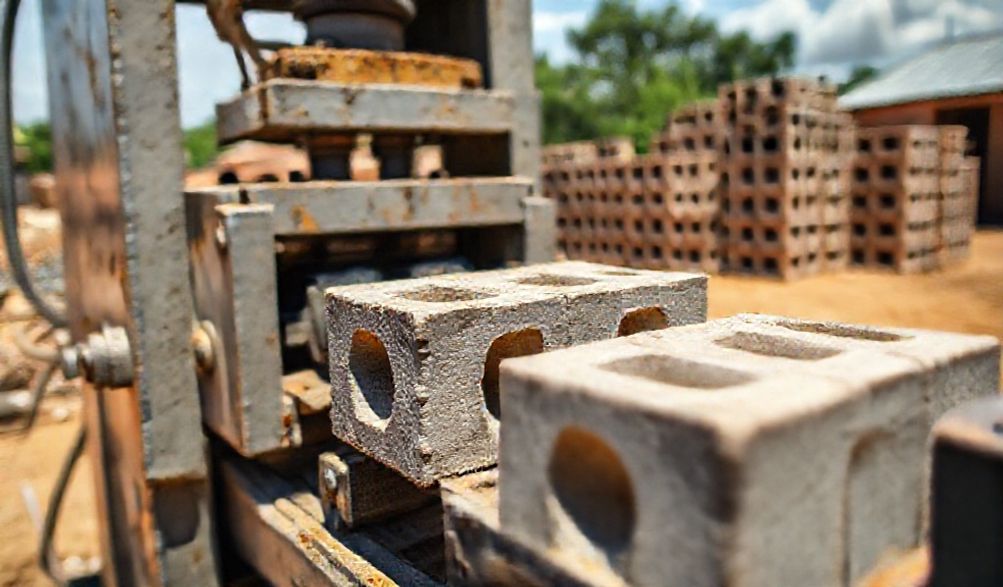
Betonblokmasjienprys in Uganda: 'n 2026 Koper se Gids en Markontleding
Inleiding
Uganda se skyline is besig om te transformeer. Met 'n jaarlikse konstruksiegroeikoers wat konsekwent 6% oorskry en 'n nasionale behuisings-tekort wat in die miljoene geskat word, is die vraag na bekostigbare, betroubare boumateriaal nog nooit hoër nie. Die nederige betonblok is die kern van hierdie bourevolusie—'n fundamentele komponent vir alles van residensiële huise tot kommersiële komplekse. Vir slim entrepreneurs en gevestigde konstruksiemaatskappye bied dit 'n beduidende geleentheid: om in 'n betonblokvervaardigingsmasjien te belê. Maar met pryse wat wissel van 'n paar miljoen tot honderde miljoene Ugandese sjielings, hoe navigeer jy hierdie kritieke belegging?
Gebaseer op uitgebreide markopnames en konsultasies met plaaslike vervaardigers en konstruksie-ondernemings regoor Kampala, Jinja en Mbarara, is hierdie gids ontwerp om jou beslissende hulpbron te wees. Ons sal nie net pryse lys nie. Jy sal 'n omvattende begrip verkry van die faktore wat koste bepaal, leer hoe om jou ware belegging en potensiële opbrengs te bereken, en praktiese advies ontvang oor hoe om 'n betroubare verskaffer te kies in Uganda se dinamiese mark. Beskou dit as jou padkaart om 'n ingeligte, selfversekerde aankoop te maak wat jou besigheidsgroei aanvuur.
Verstaan die Ugandese Betonblokmark
Voordat jy in masjienspesifikasies en prysmerke duik, is dit deurslaggewend om die markkragte wat aan die werk is, te verstaan. Die geleentheid in blokproduksie is direk gekoppel aan Uganda se breër ontwikkelingsbaan.
Die vraag na bekostigbare behuising en infrastruktuur
Uganda se Visie 2040 en die Derde Nasionale Ontwikkelingsplan (NDPIII) prioritiseer uitdruklik infrastruktuurontwikkeling en verstedeliking. Die regering se fokus op paaie, skole, hospitale en nywerheidsparke, gekoppel aan vinnige stedelike migrasie, skep 'n volgehoue, hoë-volume aanvraag na konstruksiemateriaal. Betonblokke word verkies vir hul duursaamheid, termiese eienskappe en koste-doeltreffendheid in vergelyking met tradisionele gebakte stene. Hierdie beleidsgedrewe en demografiese aanvraag bied 'n stabiele mark vir blokvervaardigers.
Voordele van die Begin van 'n Betonblokbesigheid in Uganda
Om 'n blokproduksie-onderneming in Uganda te begin, is uniek voordelig:
* Plaaslike Materiaal Beskikbaarheid:Die kerninsette - totaal (klip), sand en sement - word grootliks plaaslik verkry. Dit verminder roumateriaalvoorraadkettingrisiko's en koste.
* Hoë Winsgewendheid Potensiaal:Met doeltreffende bedryfsvoering kan die marge tussen die produktsiekoste en die verkoopprys van blokke aansienlik wees, veral wanneer voortgesette konstruksieprojekte voorsien word.
* Ekonomiese Bydrae:Jy dra direk by tot plaaslike werkverskaffing en die "Made in Uganda"-inisiatief deur 'n kritieke produk vir die nasie se groei te verskaf.
* Standaardisering:Masjienvervaardigde blokke bied konsekwente grootte, vorm en sterkte, wat toenemend deur ingenieurs en kontrakteurs geëis word vir kwaliteitsversekering.
Sleutelfaktore wat Prys van Betonblokmasjiene in Uganda Bepaal
Die prys van 'n blokmasjien is nie arbitrêr nie. Dit is 'n direkte weerspieëling van sy vermoëns, kompleksiteit en oorsprong. Om hierdie faktore te verstaan sal jou help om jou begroting by jou besigheidsbehoeftes in lyn te bring.
Masjien Tipe en Outomatisasievlak
Dit is die belangrikste prysbepaler.
* Handmatige Masjiene:Heeltemal met handhefboom bedryf. Laagste voorafkoste, maar hoogste arbeidsintensiteit en laagste uitset.
* Halfoutomatiese Masjiene:Beskik oor 'n elektriese of diesel-aangedrewe vibrasiestelsel om die beton te verdig. Die operateur voer materiaal in en verwyder blokke. Bied die beste balans van prys, produksie en outomatisering vir baie Ugandese ondernemings.
* Volledig Outomatiese Masjiene:Rekenaar-beheerde stelsels wat meng, voer, kompaksie, uitharding en stapel hanteer met minimale menslike ingryping. Beveel 'n premieprys maar bied ongeëwenaarde uitset en konsekwentheid.
* Mobiele Blokmasjiene:Gemonteer op 'n sleepwa vir maklike vervoer na groot konstruksieterreine. Skakel vervoerkoste vir voltooide blokke uit. Prys hoër as stasionêre semi-outomatiese modelle as gevolg van bykomende mobiliteit.
Produksiekapasiteit (Blokke Per Uur/Dag)
Kapasiteit is 'n primêre drywer van koste. 'n Masjien wat vir 1 000 blokke per 8-uur skof gegradeer is, sal aansienlik minder duur wees as een wat vir 5 000 blokke gegradeer is. Wees realisties oor jou markaanvraag en groeiprojeksies. Oorbеlegging in ongebruikte kapasiteit bind kapitaal, terwyl onderbelegging geld op die tafel laat lê.
Handelsmerk en Land van Oorsprong
Die bron van die masjien beïnvloed sy prys, kwaliteit en langtermyn koste van eienaarskap aansienlik.
* Chinese MasjieneAs dominant in die Ugandese mark as gevolg van mededingende pryse. Kwaliteit kan dramaties verskil tussen vervaardigers. Waaksame verskaffer-keuring is noodsaaklik.
* Indiese MasjieneDikwels gesien as 'n middelgrond, wat robuuste boukwaliteit bied teen pryse wat effens hoër is as Chinese ekwivalente, met oor die algemeen goeie beskikbaarheid van onderdele.
* European Machines: Represent the premium tier with superior engineering, durability, and automation. Prices are significantly higher, and parts/service networks in East Africa may be limited.
* Locally Assembled/Manufactured: A growing segment. These machines may use imported components but are assembled in Uganda, potentially offering better after-sales support and understanding of local conditions.
Block Type and Mold Configuration
The type of block you plan to produce affects the machine’s complexity and price.
* Standard Hollow/Solid Blocks: The most common and typically the least expensive mold option.
* Inmekaar-sluitende Blokke: Require more precise molds and often stronger vibration, increasing cost.
* Paving Slabs, Kerbstones, and Designer Blocks: Specialized molds and sometimes different machine configurations are needed, raising the investment.
Power Source
Your site’s infrastructure will guide this choice.
* Elektries Most common for semi and fully automatic stationary plants. Requires reliable grid or generator power.
* Diesel: Crucial for mobile machines or areas with unstable electricity. Higher operational fuel cost but ensures independence.
* Handleiding: No power cost, but severely limits production scale.
Concrete Block Making Machine Price Ranges in Uganda (2026)
Belangrike Vrystelling: The following price ranges are indicative estimates for 2026 based on current market trends, inflation projections, and supplier data. Final prices are subject to change based on specific supplier negotiations, exact specifications, shipping costs, customs duties at the time of import, and currency exchange rate fluctuations. Always request a detailed, itemized quotation from your shortlisted suppliers.
Handmatige Blokmaakmasjiene
- Prysreeks: UGX 1,500,000 – UGX 6,000,000
- Beste Vir: Individuals, very small-scale startups, community-based organizations, or for producing blocks for a single personal construction project. Output is low and physically demanding.
Semi-Automatiese Blokmaakmasjiene
- Prysreeks: UGX 10,000,000 – UGX 45,000,000
- Beste Vir: The sweet spot for most growing small and medium enterprises (SMEs) in Uganda. Ideal for a dedicated block yard supplying local builders. Offers a strong balance between automation, output (500 – 3,000 blocks per day), and upfront cost.
Volledig Outomatiese Blokvervaardigingsmasjiene
- Prysreeks: UGX 50,000,000 – UGX 250,000,000+
- Beste Vir: Large-scale commercial production plants aiming to supply major contractors, government projects, or distributors across regions. Requires significant space, stable three-phase power, and higher technical expertise to operate and maintain.
Mobiele Blokmaakmasjiene
- Prysreeks: UGX 25,000,000 – UGX 80,000,000
- Beste Vir: Construction companies undertaking large, long-duration projects (e.g., housing estates, factory complexes). Producing blocks directly on-site eliminates transport costs and block damage.
Beyond the Machine: Total Investment & Operational Costs
A seasoned operator in Namanve will tell you: the machine’s sticker price is just the beginning. Failing to budget for the total cost of ownership is a common pitfall for new entrants.
Hidden and Ancillary Costs
- Shipping, Customs Duty, and Taxes: If importing directly, factor in CIF (Cost, Insurance, Freight) charges, port clearing fees, and Uganda Revenue Authority (URA) import duties, which can add 25-35%+ to the ex-factory price.
- Foundation & Installation: A semi-automatic machine needs a solid, level concrete foundation. Installation may require a technician, sometimes at an extra cost.
- Hulpapparatuur: You will likely need a pan or drum concrete mixer, a wheelbarrow or conveyor system, curing racks or pallets, and a reliable water source. These are separate costs.
Raw Material & Labor Costs
- Rou Materiaal: As of 2026 trends, calculate the cost per block based on cement, sand, and aggregate prices in your region. Building relationships with local quarry and sand suppliers is key to managing this variable cost.
- Arbeid: A semi-automatic operation may require 3-5 workers for material handling, mixing, operation, and curing. Factor in competitive wages for your area.
Calculating Your Return on Investment (ROI)
Here’s a simplified framework:
1. Calculate Cost Per Block: (Cost of Cement + Sand + Aggregate + Labor + Power + Machine Depreciation) per block.
2. Determine Selling Price: Research the current market price for blocks in your target area (e.g., 6-inch hollow blocks).
3. Estimate Gross Profit Per Block: Selling Price – Cost Per Block.
4. Project Daily/Monthly Output: Based on your machine’s capacity and operational hours.
5. Calculate Payback Period: (Total Machine Investment + Ancillary Costs) / (Gross Profit Per Block x Monthly Block Output).
Example Snapshot for a UGX 30M Semi-Auto Setup:
* Estimated Production Cost per Block: UGX 1,200
* Average Selling Price: UGX 1,800
* Gross Profit per Block: UGX 600
* Daily Output (Target): 1,000 blocks
* Monthly Gross Profit (25 days): UGX 15,000,000
* This is a simplified illustration. Your detailed business plan must account for all overheads, market fluctuations, and downtime.
How to Choose the Right Supplier in Uganda
Your supplier relationship is critical for long-term success. A common challenge reported in Kampala is the difficulty of getting timely spare parts or technical support after the sale.
Local Dealers vs. Direct Import: Pros and Cons
- Local Dealer: Higher machine price, but includes warranty, potential installation help, and (crucially) local after-sales support. They handle import complexities.
- Direct Import from Abroad: Lower ex-factory price, but you bear all shipping, customs, and logistics risks. After-sales support is often slow or non-existent. Recommended only for experienced importers.
Vetting a Supplier: Essential Checklist
- Physical Visit: Do they have a showroom or workshop you can visit?
- After-Sales Promise: Get warranty terms (typically 1 year on major parts) in writing. Ask about the availability of common spare parts (vibration motors, hydraulic seals, molds) in their local stock.
- Kliëntverwysings: Insist on contacting 2-3 previous customers in Uganda. Ask about machine performance and the supplier’s responsiveness to issues.
- Demonstration: Can they show you a machine in operation, either at their yard or a client’s site?
Red Flags to Avoid
- Prices drastically lower than the market average.
- Suppliers who only communicate via WhatsApp with no verifiable physical address.
- Pressure to pay a large deposit before providing a detailed contract.
- Vague or unwilling answers about warranty and service.
Top Recommendations for Different Business Scales
Best Machine for a Small Startup/Individual
A manual or small semi-automatic machine (at the lower end of the UGX 10-20M range) is advisable. Focus on mastering the production process, building a local customer base, and generating cash flow before scaling up. A common recommendation from experienced owners is to start with a robust single-mold semi-automatic machine.
Best Machine for a Growing Construction Company
A medium-capacity semi-automatic machine (UGX 25-45M range) with options for multiple block molds (hollow, solid, interlocking) offers the flexibility to meet diverse project needs. Ensure it has a reliable diesel option if your site power is unstable.
Best Machine for a Large-Scale Block Production Plant
Investment in a volledige outomatiese produksielyn is justified. Partner with a reputable international brand that can provide commissioning support and training. Your focus should be on consistent high-volume output, supply contracts, and efficient logistics for distribution.
FAQ Section
Q1: What is the cheapest concrete block making machine available in Uganda?
The cheapest options are single-mold manual presses, which can be found from UGX 1.5 million upwards. However, consider your labor costs and output needs carefully.
Q2: Can I get a loan or financing for a block machine in Uganda?
Yes. Several financial institutions and SACCOs offer asset financing or business loans for equipment purchase. A solid business plan is essential for approval.
Q3: How much profit can I make per block?
Profit varies widely based on your location, material costs, and efficiency. Using the earlier framework, gross profits can range from UGX 300 to UGX 800 per standard block. Net profit is after deducting all overheads.
Q4: Are Chinese block machines in Uganda reliable?
They can be, but quality is not uniform. The key is the verskaffer, not just the country of origin. Choose a supplier with a long-term presence in Uganda and a proven track record of support.
Q5: What is the typical warranty period for these machines?
Typically 12 months on major components like the vibration motor, hydraulic system, and frame. Wear items like molds are often covered for a shorter period (e.g., 3-6 months).
Q6: How do I maintain my block making machine to avoid breakdowns?
Daily cleaning of concrete residue, regular checking and tightening of bolts, timely greasing of bearings, and ensuring the hydraulic oil is clean and at the correct level are the most critical routines.
Q7: Where are the main suppliers located in Uganda?
Most established suppliers and dealers are clustered in the industrial areas of Kampala (Namanve, Kisenyi, Bweyogerere)enJinja. Some also operate in larger regional towns like Mbarara and Gulu.
Conclusion
Investing in a concrete block making machine in Uganda is a strategic move into the backbone of the nation’s construction sector. As we’ve explored, the price is a function of automation, capacity, and brand, with total costs extending far beyond the initial purchase. The most critical step is partnering with a reputable supplier who will support your business long after the sale.
Use this guide as your foundation. Visit multiple suppliers, inspect their machines, talk to their past clients, and run your numbers meticulously. The potential for success is significant for those who combine a quality machine with sound business acumen and a commitment to serving Uganda’s growing built environment. Take the next step in your entrepreneurial journey with confidence.
<