
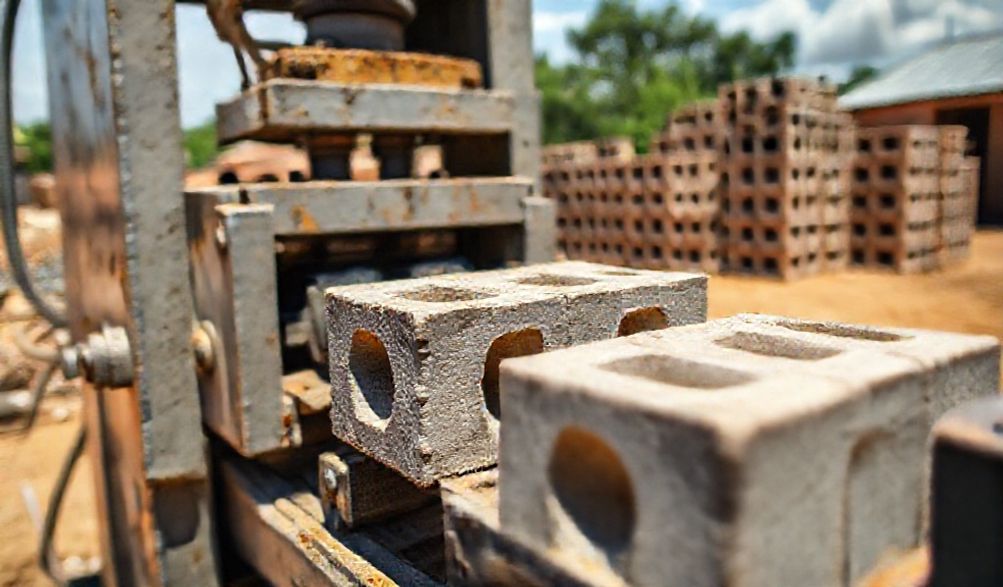
سعر آلة صنع الطوب الخرساني في أوغندا: دليل المشتري وتحليل السوق لعام 2026
مقدمة
تتحول أفق مدينة أوغندا. مع معدل نمو سنوي في البناء يتجاوز باستمرار 6% وعجز وطني في الإسكان يقدر بالملايين، فإن الطلب على مواد البناء الميسورة والموثوقة لم يكن أعلى من أي وقت مضى. في قلب ثورة البناء هذه تقع الطوبة الخرسانية المتواضعة - مكون أساسي لكل شيء من المنازل السكنية إلى المجمعات التجارية. بالنسبة لرواد الأعمال الأذكياء وشركات البناء الراسخة، يمثل هذا فرصة كبيرة: الاستثمار في آلة صنع الطوب الخرساني. ولكن مع تفاوت الأسعار من بضعة ملايين إلى مئات الملايين من الشلن الأوغندي، كيف يمكنك توجيه هذا الاستثمار الحرج؟
استناداً إلى استطلاعات السوق الواسعة والمشاورات مع الشركات المصنعة المحلية وأعمال البناء في كامبالا وجينجا ومبارارا، صُمم هذا الدليل ليكون مصدرك الشامل. لن نكتفي بسرد الأسعار فقط. ستكتسب فهماً شاملاً للعوامل التي تحدد التكلفة، وتتعلم كيفية حساب استثمارك الحقيقي والعائد المحتمل، وتتلقى نصائح عملية لاختيار مورد موثوق في السوق الديناميكي بأوغندا. اعتبر هذا دليلك الشامل لاتخاذ قرار شراء واثق ومستنير يُعزز نمو أعمالك.
فهم سوق الطوب الخرساني في أوغندا
قبل الخوض في مواصفات الآلات وأسعارها، من الضروري فهم القوى السوقية العاملة. ترتبط الفرصة في إنتاج الكتل ارتباطاً مباشراً بمسار التنمية الأوسع في أوغندا.
الطلب على السكن الميسور والبنية التحتية
رؤية أوغندا 2040 وخطة التنمية الوطنية الثالثة (NDPIII) تعطي أولوية واضحة لتطوير البنية التحتية والتحضر. يركز الحكومة على الطرق والمدارس والمستشفيات والمجمعات الصناعية، إلى جانب الهجرة الحضرية السريعة، مما يخلق طلبًا مستمرًا وعالي الحجم على مواد البناء. تُفضل الكتل الخرسانية لمتانتها وخصائصها الحرارية وفعاليتها من حيث التكلفة مقارنة بالطوب التقليدي المحروق. يوفر هذا الطلب الموجه بالسياسات والديموغرافية سوقًا مستقرة لمنتجي الكتل.
مزايا بدء مشروع صناعة الطوب الخرساني في أوغندا
بدء مشروع إنتاج الكتل في أوغندا يتميز بمزايا فريدة:
* توافر المواد المحليةيتم الحصول على المدخلات الأساسية - وهي الركام (الحجر) والرمل والأسمنت - بشكل كبير من مصادر محلية. وهذا يقلل من مخاطر سلسلة توريد المواد الخام والتكاليف المرتبطة بها.
* إمكانية تحقيق ربحية عالية:مع عمليات فعالة، يمكن أن يكون الهامش بين تكلفة الإنتاج وسعر بيع الكتل كبيرًا، خاصة عند توريد مشاريع البناء المستمرة.
* المساهمة الاقتصادية:أنت تساهم مباشرة في خلق فرص عمل محلية ومبادرة "صنع في أوغندا"، من خلال توريد منتج حاسم لنمو الأمة.
* التوحيد القياسي:توفر الكتل المصنوعة آليًا حجمًا وشكلًا وقوة متسقة، وهو ما يطلبه المهندسون والمقاولون بشكل متزايد لضمان الجودة.
العوامل الرئيسية التي تحدد أسعار آلات صناعة الطوب الخرساني في أوغندا
سعر آلة الطوب ليس اعتباطياً. إنه انعكاس مباشر لقدراتها وتعقيدها وأصلها. فهم هذه العوامل سيساعدك على مواءمة ميزانيتك مع احتياجات عملك.
نوع الآلة ومستوى الأتمتة
هذا هو العامل الأكثر أهمية في تحديد السعر.
* الآلات اليدوية: تعمل بالكامل بواسطة رافعة يدوية. أقل تكلفة أولية لكن أعلى كثافة عمل وأقل إنتاجية.
* الآلات شبه الآلية:تزويد النظام بنظام اهتزاز يعمل بالكهرباء أو الديزل لدمك الخرسانة. يقوم المشغل بتغذية المادة وإزالة الكتل. يوفر أفضل توازن بين السعر والإنتاج والأتمتة للعديد من الشركات الأوغندية.
* آلات أوتوماتيكية بالكامل:أنظمة تحكمها الحواسيب تدير عمليات الخلط والتغذية والضغط والمعالجة والتكديس بأقل تدخل بشري. تفرض أسعارًا مرتفعة لكنها توفر إنتاجًا وثباتًا لا مثيل لهما.
* آلات تصنيع الكتل المتنقلة:مثبتة على مقطورة لتسهيل نقلها إلى مواقع البناء الكبيرة. تلغي تكاليف نقل البلوكات النهائية. سعرها أعلى من الموديلات شبه الأوتوماتيكية الثابتة بسبب القدرة الإضافية على التحرك.
القدرة الإنتاجية (الكتل في الساعة / اليوم)
تعد الطاقة الإنتاجية محركًا رئيسيًا للتكلفة. ستكون الآلة المصممة لإنتاج 1000 قالب لكل نوبة عمل مدتها 8 ساعات أقل تكلفة بكثير من تلك المصممة لإنتاج 5000 قالب. كن واقعيًا بشأن طلب السوق وتوقعات النمو الخاصة بك. الاستثمار المفرط في طاقة إنتاجية غير مستخدمة يؤدي إلى تقييد رأس المال، بينما الاستثمار غير الكافي يضيع فرص الربح.
العلامة التجارية وبلد المنشأ
مصدر الآلة يؤثر بشكل كبير على سعرها وجودتها وتكلفة الملكية على المدى الطويل.
* ماكينات صينية Dominant in the Ugandan market due to competitive pricing. Quality can vary dramatically between manufacturers. Vigilant supplier vetting is essential.
* Indian Machines: Often seen as a middle ground, offering robust build quality at prices slightly higher than Chinese equivalents, with generally good parts availability.
* European Machines: Represent the premium tier with superior engineering, durability, and automation. Prices are significantly higher, and parts/service networks in East Africa may be limited.
* Locally Assembled/Manufactured: A growing segment. These machines may use imported components but are assembled in Uganda, potentially offering better after-sales support and understanding of local conditions.
Block Type and Mold Configuration
The type of block you plan to produce affects the machine’s complexity and price.
* Standard Hollow/Solid Blocks: The most common and typically the least expensive mold option.
* الكتل المتشابكة: Require more precise molds and often stronger vibration, increasing cost.
* Paving Slabs, Kerbstones, and Designer Blocks: Specialized molds and sometimes different machine configurations are needed, raising the investment.
مصدر الطاقة
Your site’s infrastructure will guide this choice.
* كهربائي Most common for semi and fully automatic stationary plants. Requires reliable grid or generator power.
* ديزل Crucial for mobile machines or areas with unstable electricity. Higher operational fuel cost but ensures independence.
* دليل: No power cost, but severely limits production scale.
Concrete Block Making Machine Price Ranges in Uganda (2026)
إخلاء المسؤولية المهم: The following price ranges are indicative estimates for 2026 based on current market trends, inflation projections, and supplier data. Final prices are subject to change based on specific supplier negotiations, exact specifications, shipping costs, customs duties at the time of import, and currency exchange rate fluctuations. Always request a detailed, itemized quotation from your shortlisted suppliers.
آلات صناعة الطوب اليدوية
- نطاق السعر: UGX 1,500,000 – UGX 6,000,000
- الأفضل لـ: Individuals, very small-scale startups, community-based organizations, or for producing blocks for a single personal construction project. Output is low and physically demanding.
آلات صناعة الطوب شبه الأوتوماتيكية
- نطاق السعر: UGX 10,000,000 – UGX 45,000,000
- الأفضل لـ: The sweet spot for most growing small and medium enterprises (SMEs) in Uganda. Ideal for a dedicated block yard supplying local builders. Offers a strong balance between automation, output (500 – 3,000 blocks per day), and upfront cost.
آلات صناعة البلوك الآلية بالكامل
- نطاق السعر: UGX 50,000,000 – UGX 250,000,000+
- الأفضل لـ: Large-scale commercial production plants aiming to supply major contractors, government projects, or distributors across regions. Requires significant space, stable three-phase power, and higher technical expertise to operate and maintain.
آلات صناعة الكتل المتنقلة
- نطاق السعر: UGX 25,000,000 – UGX 80,000,000
- الأفضل لـ: Construction companies undertaking large, long-duration projects (e.g., housing estates, factory complexes). Producing blocks directly on-site eliminates transport costs and block damage.
Beyond the Machine: Total Investment & Operational Costs
A seasoned operator in Namanve will tell you: the machine’s sticker price is just the beginning. Failing to budget for the total cost of ownership is a common pitfall for new entrants.
Hidden and Ancillary Costs
- Shipping, Customs Duty, and Taxes: If importing directly, factor in CIF (Cost, Insurance, Freight) charges, port clearing fees, and Uganda Revenue Authority (URA) import duties, which can add 25-35%+ to the ex-factory price.
- Foundation & Installation: A semi-automatic machine needs a solid, level concrete foundation. Installation may require a technician, sometimes at an extra cost.
- المعدات المساعدة: You will likely need a pan or drum concrete mixer, a wheelbarrow or conveyor system, curing racks or pallets, and a reliable water source. These are separate costs.
Raw Material & Labor Costs
- المواد الخام: As of 2026 trends, calculate the cost per block based on cement, sand, and aggregate prices in your region. Building relationships with local quarry and sand suppliers is key to managing this variable cost.
- العمل A semi-automatic operation may require 3-5 workers for material handling, mixing, operation, and curing. Factor in competitive wages for your area.
Calculating Your Return on Investment (ROI)
Here’s a simplified framework:
1. Calculate Cost Per Block: (Cost of Cement + Sand + Aggregate + Labor + Power + Machine Depreciation) per block.
2. Determine Selling Price: Research the current market price for blocks in your target area (e.g., 6-inch hollow blocks).
3. Estimate Gross Profit Per Block: Selling Price – Cost Per Block.
4. Project Daily/Monthly Output: Based on your machine’s capacity and operational hours.
5. Calculate Payback Period: (Total Machine Investment + Ancillary Costs) / (Gross Profit Per Block x Monthly Block Output).
Example Snapshot for a UGX 30M Semi-Auto Setup:
* Estimated Production Cost per Block: UGX 1,200
* Average Selling Price: UGX 1,800
* Gross Profit per Block: UGX 600
* Daily Output (Target): 1,000 blocks
* Monthly Gross Profit (25 days): UGX 15,000,000
* This is a simplified illustration. Your detailed business plan must account for all overheads, market fluctuations, and downtime.
How to Choose the Right Supplier in Uganda
Your supplier relationship is critical for long-term success. A common challenge reported in Kampala is the difficulty of getting timely spare parts or technical support after the sale.
Local Dealers vs. Direct Import: Pros and Cons
- Local Dealer: Higher machine price, but includes warranty, potential installation help, and (crucially) local after-sales support. They handle import complexities.
- Direct Import from Abroad: Lower ex-factory price, but you bear all shipping, customs, and logistics risks. After-sales support is often slow or non-existent. Recommended only for experienced importers.
Vetting a Supplier: Essential Checklist
- Physical Visit: Do they have a showroom or workshop you can visit?
- After-Sales Promise: Get warranty terms (typically 1 year on major parts) in writing. Ask about the availability of common spare parts (vibration motors, hydraulic seals, molds) in their local stock.
- مراجع العملاء: Insist on contacting 2-3 previous customers in Uganda. Ask about machine performance and the supplier’s responsiveness to issues.
- Demonstration: Can they show you a machine in operation, either at their yard or a client’s site?
Red Flags to Avoid
- Prices drastically lower than the market average.
- Suppliers who only communicate via WhatsApp with no verifiable physical address.
- Pressure to pay a large deposit before providing a detailed contract.
- Vague or unwilling answers about warranty and service.
Top Recommendations for Different Business Scales
Best Machine for a Small Startup/Individual
A manual or small semi-automatic machine (at the lower end of the UGX 10-20M range) is advisable. Focus on mastering the production process, building a local customer base, and generating cash flow before scaling up. A common recommendation from experienced owners is to start with a robust single-mold semi-automatic machine.
Best Machine for a Growing Construction Company
A medium-capacity semi-automatic machine (UGX 25-45M range) with options for multiple block molds (hollow, solid, interlocking) offers the flexibility to meet diverse project needs. Ensure it has a reliable diesel option if your site power is unstable.
Best Machine for a Large-Scale Block Production Plant
Investment in a خط إنتاج آلي بالكامل is justified. Partner with a reputable international brand that can provide commissioning support and training. Your focus should be on consistent high-volume output, supply contracts, and efficient logistics for distribution.
FAQ Section
Q1: What is the cheapest concrete block making machine available in Uganda?
The cheapest options are single-mold manual presses, which can be found from UGX 1.5 million upwards. However, consider your labor costs and output needs carefully.
Q2: Can I get a loan or financing for a block machine in Uganda?
Yes. Several financial institutions and SACCOs offer asset financing or business loans for equipment purchase. A solid business plan is essential for approval.
Q3: How much profit can I make per block?
Profit varies widely based on your location, material costs, and efficiency. Using the earlier framework, gross profits can range from UGX 300 to UGX 800 per standard block. Net profit is after deducting all overheads.
Q4: Are Chinese block machines in Uganda reliable?
They can be, but quality is not uniform. The key is the مُوَرِّد, not just the country of origin. Choose a supplier with a long-term presence in Uganda and a proven track record of support.
Q5: What is the typical warranty period for these machines?
Typically 12 months on major components like the vibration motor, hydraulic system, and frame. Wear items like molds are often covered for a shorter period (e.g., 3-6 months).
Q6: How do I maintain my block making machine to avoid breakdowns?
Daily cleaning of concrete residue, regular checking and tightening of bolts, timely greasing of bearings, and ensuring the hydraulic oil is clean and at the correct level are the most critical routines.
Q7: Where are the main suppliers located in Uganda?
Most established suppliers and dealers are clustered in the industrial areas of Kampala (Namanve, Kisenyi, Bweyogerere)وJinja. Some also operate in larger regional towns like Mbarara and Gulu.
خاتمة
Investing in a concrete block making machine in Uganda is a strategic move into the backbone of the nation’s construction sector. As we’ve explored, the price is a function of automation, capacity, and brand, with total costs extending far beyond the initial purchase. The most critical step is partnering with a reputable supplier who will support your business long after the sale.
Use this guide as your foundation. Visit multiple suppliers, inspect their machines, talk to their past clients, and run your numbers meticulously. The potential for success is significant for those who combine a quality machine with sound business acumen and a commitment to serving Uganda’s growing built environment. Take the next step in your entrepreneurial journey with confidence.
<