
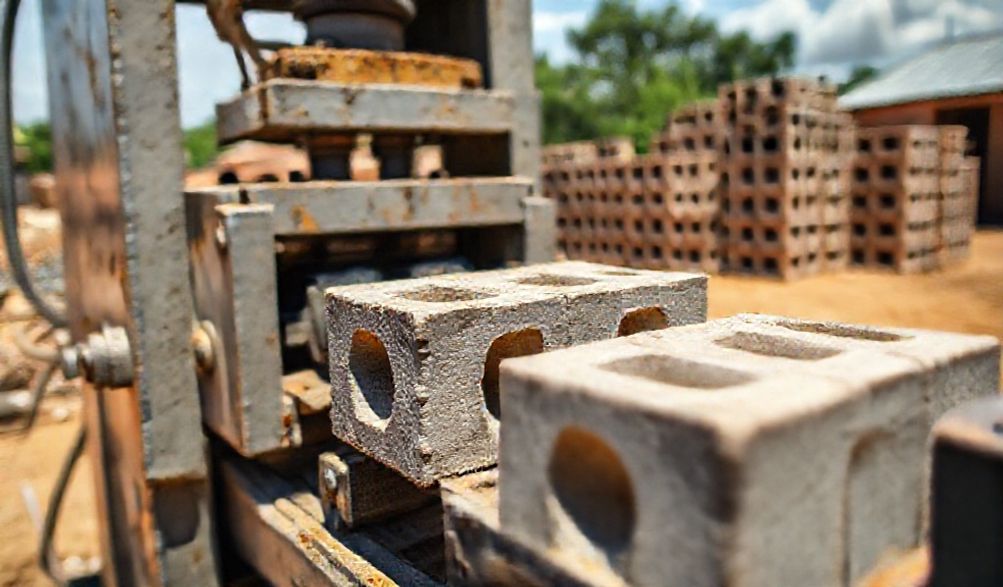
Preço da Máquina de Fabricar Blocos de Concreto em Uganda: Um Guia de Compra e Análise de Mercado para 2026
Introdução
O horizonte de Uganda está se transformando. Com uma taxa de crescimento anual da construção consistentemente superior a 6% e um déficit habitacional nacional estimado em milhões, a demanda por materiais de construção acessíveis e confiáveis nunca foi tão alta. No centro desta revolução da construção está o humilde bloco de concreto — um componente fundamental para tudo, desde residências até complexos comerciais. Para empreendedores astutos e empresas de construção estabelecidas, isso representa uma oportunidade significativa: investir em uma máquina de fabricar blocos de concreto. Mas com preços variando de alguns milhões a centenas de milhões de Xelins Ugandenses, como navegar por este investimento crucial?
Com base em extensas pesquisas de mercado e consultas com fabricantes locais e empresas de construção em Kampala, Jinja e Mbarara, este guia foi projetado para ser seu recurso definitivo. Não vamos apenas listar preços. Você obterá uma compreensão abrangente dos fatores que determinam o custo, aprenderá a calcular seu verdadeiro investimento e retorno potencial, e receberá conselhos práticos sobre como escolher um fornecedor confiável no dinâmico mercado de Uganda. Considere este o seu roteiro para fazer uma compra informada e segura que impulsione o crescimento do seu negócio.
Entendendo o Mercado de Blocos de Concreto em Uganda
Antes de mergulhar nas especificações das máquinas e nas etiquetas de preço, é crucial entender as forças de mercado em jogo. A oportunidade na produção de blocos está diretamente ligada à trajetória de desenvolvimento mais ampla de Uganda.
A Demanda por Habitação e Infraestrutura Acessíveis
A Visão 2040 de Uganda e o Terceiro Plano Nacional de Desenvolvimento (NDPIII) priorizam explicitamente o desenvolvimento de infraestrutura e a urbanização. O foco do governo em estradas, escolas, hospitais e parques industriais, aliado à rápida migração urbana, cria uma demanda sustentada e de alto volume por materiais de construção. Os blocos de concreto são preferidos por sua durabilidade, propriedades térmicas e custo-benefício em comparação com os tijolos queimados tradicionais. Essa demanda impulsionada por políticas e fatores demográficos oferece um mercado estável para os produtores de blocos.
Vantagens de Iniciar um Negócio de Blocos de Concreto em Uganda
Iniciar um empreendimento de produção de blocos em Uganda é singularmente vantajoso:
* Disponibilidade de Materiais Locais:Os insumos principais — agregado (pedra), areia e cimento — são em grande parte obtidos localmente. Isso minimiza os riscos e os custos da cadeia de suprimentos de matérias-primas.
* Alto Potencial de Lucratividade:Com operações eficientes, a margem entre o custo de produção e o preço de venda dos blocos pode ser substancial, especialmente ao fornecer para projetos de construção em andamento.
* Contribuição Econômica:Você contribui diretamente para a criação de empregos locais e para a iniciativa "Made in Uganda", fornecendo um produto essencial para o crescimento da nação.
* Padronização:Blocos feitos por máquina oferecem tamanho, forma e resistência consistentes, o que é cada vez mais exigido por engenheiros e empreiteiros para garantir a qualidade.
Fatores Determinantes dos Preços das Máquinas de Blocos de Concreto em Uganda
O preço de uma máquina de blocos não é arbitrário. É um reflexo direto de suas capacidades, complexidade e origem. Compreender esses fatores ajudará você a alinhar seu orçamento com as necessidades do seu negócio.
Tipo de Máquina e Nível de Automação
Este é o determinante de preço mais significativo.
* Máquinas Manuais:Operado inteiramente por alavanca manual. Custo inicial mais baixo, mas maior intensidade de mão de obra e menor produção.
* Máquinas Semiautomáticas:Apresenta um sistema de vibração elétrico ou a diesel para compactar o concreto. O operador alimenta o material e remove os blocos. Oferece o melhor equilíbrio entre preço, produção e automação para muitas empresas ugandenses.
* Máquinas Totalmente Automáticas:Sistemas controlados por computador que gerenciam mistura, alimentação, compactação, cura e empilhamento com mínima intervenção humana. Têm preço premium, mas oferecem produção e consistência incomparáveis.
* Máquinas de Blocos Móveis:Montado em um reboque para facilitar o transporte a grandes canteiros de obras. Elimina os custos de transporte para blocos acabados. Preço mais alto do que os modelos semiautomáticos estacionários devido à mobilidade adicional.
Capacidade de Produção (Blocos por Hora/Dia)
A capacidade é um dos principais fatores que influenciam o custo. Uma máquina com capacidade para 1.000 blocos por turno de 8 horas será significativamente mais barata do que uma com capacidade para 5.000 blocos. Seja realista quanto à demanda do seu mercado e às projeções de crescimento. Investir demais em capacidade ociosa imobiliza capital, enquanto investir de menos significa deixar dinheiro na mesa.
Marca e País de Origem
A origem da máquina influencia fortemente seu preço, qualidade e custo de propriedade a longo prazo.
* Máquinas ChinesasDominante no mercado ugandense devido a preços competitivos. A qualidade pode variar drasticamente entre os fabricantes. A verificação rigorosa de fornecedores é essencial.
* Máquinas IndianasFrequentemente visto como um meio-termo, oferece qualidade de construção robusta a preços ligeiramente mais altos que os equivalentes chineses, com disponibilidade de peças geralmente boa.
* European Machines: Represent the premium tier with superior engineering, durability, and automation. Prices are significantly higher, and parts/service networks in East Africa may be limited.
* Locally Assembled/Manufactured: A growing segment. These machines may use imported components but are assembled in Uganda, potentially offering better after-sales support and understanding of local conditions.
Block Type and Mold Configuration
The type of block you plan to produce affects the machine’s complexity and price.
* Standard Hollow/Solid Blocks: The most common and typically the least expensive mold option.
* Blocos de Encaixe: Require more precise molds and often stronger vibration, increasing cost.
* Paving Slabs, Kerbstones, and Designer Blocks: Specialized molds and sometimes different machine configurations are needed, raising the investment.
Fonte de Energia
Your site’s infrastructure will guide this choice.
* Elétrico: Most common for semi and fully automatic stationary plants. Requires reliable grid or generator power.
* Diesel: Crucial for mobile machines or areas with unstable electricity. Higher operational fuel cost but ensures independence.
* Manual: No power cost, but severely limits production scale.
Concrete Block Making Machine Price Ranges in Uganda (2026)
Aviso Importante: The following price ranges are indicative estimates for 2026 based on current market trends, inflation projections, and supplier data. Final prices are subject to change based on specific supplier negotiations, exact specifications, shipping costs, customs duties at the time of import, and currency exchange rate fluctuations. Always request a detailed, itemized quotation from your shortlisted suppliers.
Máquinas Manuais para Fabricação de Blocos
- Faixa de Preço: UGX 1,500,000 – UGX 6,000,000
- Melhor Para: Individuals, very small-scale startups, community-based organizations, or for producing blocks for a single personal construction project. Output is low and physically demanding.
Máquinas Semi-Automáticas para Fabricação de Blocos
- Faixa de Preço: UGX 10,000,000 – UGX 45,000,000
- Melhor Para: The sweet spot for most growing small and medium enterprises (SMEs) in Uganda. Ideal for a dedicated block yard supplying local builders. Offers a strong balance between automation, output (500 – 3,000 blocks per day), and upfront cost.
Máquinas de Fabricação de Blocos Totalmente Automáticas
- Faixa de Preço: UGX 50,000,000 – UGX 250,000,000+
- Melhor Para: Large-scale commercial production plants aiming to supply major contractors, government projects, or distributors across regions. Requires significant space, stable three-phase power, and higher technical expertise to operate and maintain.
Máquinas de Blocos Móveis
- Faixa de Preço: UGX 25,000,000 – UGX 80,000,000
- Melhor Para: Construction companies undertaking large, long-duration projects (e.g., housing estates, factory complexes). Producing blocks directly on-site eliminates transport costs and block damage.
Beyond the Machine: Total Investment & Operational Costs
A seasoned operator in Namanve will tell you: the machine’s sticker price is just the beginning. Failing to budget for the total cost of ownership is a common pitfall for new entrants.
Hidden and Ancillary Costs
- Shipping, Customs Duty, and Taxes: If importing directly, factor in CIF (Cost, Insurance, Freight) charges, port clearing fees, and Uganda Revenue Authority (URA) import duties, which can add 25-35%+ to the ex-factory price.
- Foundation & Installation: A semi-automatic machine needs a solid, level concrete foundation. Installation may require a technician, sometimes at an extra cost.
- Equipamento Auxiliar: You will likely need a pan or drum concrete mixer, a wheelbarrow or conveyor system, curing racks or pallets, and a reliable water source. These are separate costs.
Raw Material & Labor Costs
- Matérias-primas: As of 2026 trends, calculate the cost per block based on cement, sand, and aggregate prices in your region. Building relationships with local quarry and sand suppliers is key to managing this variable cost.
- Trabalho: A semi-automatic operation may require 3-5 workers for material handling, mixing, operation, and curing. Factor in competitive wages for your area.
Calculating Your Return on Investment (ROI)
Here’s a simplified framework:
1. Calculate Cost Per Block: (Cost of Cement + Sand + Aggregate + Labor + Power + Machine Depreciation) per block.
2. Determine Selling Price: Research the current market price for blocks in your target area (e.g., 6-inch hollow blocks).
3. Estimate Gross Profit Per Block: Selling Price – Cost Per Block.
4. Project Daily/Monthly Output: Based on your machine’s capacity and operational hours.
5. Calculate Payback Period: (Total Machine Investment + Ancillary Costs) / (Gross Profit Per Block x Monthly Block Output).
Example Snapshot for a UGX 30M Semi-Auto Setup:
* Estimated Production Cost per Block: UGX 1,200
* Average Selling Price: UGX 1,800
* Gross Profit per Block: UGX 600
* Daily Output (Target): 1,000 blocks
* Monthly Gross Profit (25 days): UGX 15,000,000
* This is a simplified illustration. Your detailed business plan must account for all overheads, market fluctuations, and downtime.
How to Choose the Right Supplier in Uganda
Your supplier relationship is critical for long-term success. A common challenge reported in Kampala is the difficulty of getting timely spare parts or technical support after the sale.
Local Dealers vs. Direct Import: Pros and Cons
- Local Dealer: Higher machine price, but includes warranty, potential installation help, and (crucially) local after-sales support. They handle import complexities.
- Direct Import from Abroad: Lower ex-factory price, but you bear all shipping, customs, and logistics risks. After-sales support is often slow or non-existent. Recommended only for experienced importers.
Vetting a Supplier: Essential Checklist
- Physical Visit: Do they have a showroom or workshop you can visit?
- After-Sales Promise: Get warranty terms (typically 1 year on major parts) in writing. Ask about the availability of common spare parts (vibration motors, hydraulic seals, molds) in their local stock.
- Client References: Insist on contacting 2-3 previous customers in Uganda. Ask about machine performance and the supplier’s responsiveness to issues.
- Demonstration: Can they show you a machine in operation, either at their yard or a client’s site?
Red Flags to Avoid
- Prices drastically lower than the market average.
- Suppliers who only communicate via WhatsApp with no verifiable physical address.
- Pressure to pay a large deposit before providing a detailed contract.
- Vague or unwilling answers about warranty and service.
Top Recommendations for Different Business Scales
Best Machine for a Small Startup/Individual
A manual or small semi-automatic machine (at the lower end of the UGX 10-20M range) is advisable. Focus on mastering the production process, building a local customer base, and generating cash flow before scaling up. A common recommendation from experienced owners is to start with a robust single-mold semi-automatic machine.
Best Machine for a Growing Construction Company
A medium-capacity semi-automatic machine (UGX 25-45M range) with options for multiple block molds (hollow, solid, interlocking) offers the flexibility to meet diverse project needs. Ensure it has a reliable diesel option if your site power is unstable.
Best Machine for a Large-Scale Block Production Plant
Investment in a linha de produção totalmente automática is justified. Partner with a reputable international brand that can provide commissioning support and training. Your focus should be on consistent high-volume output, supply contracts, and efficient logistics for distribution.
FAQ Section
Q1: What is the cheapest concrete block making machine available in Uganda?
The cheapest options are single-mold manual presses, which can be found from UGX 1.5 million upwards. However, consider your labor costs and output needs carefully.
Q2: Can I get a loan or financing for a block machine in Uganda?
Yes. Several financial institutions and SACCOs offer asset financing or business loans for equipment purchase. A solid business plan is essential for approval.
Q3: How much profit can I make per block?
Profit varies widely based on your location, material costs, and efficiency. Using the earlier framework, gross profits can range from UGX 300 to UGX 800 per standard block. Net profit is after deducting all overheads.
Q4: Are Chinese block machines in Uganda reliable?
They can be, but quality is not uniform. The key is the fornecedor, not just the country of origin. Choose a supplier with a long-term presence in Uganda and a proven track record of support.
Q5: What is the typical warranty period for these machines?
Typically 12 months on major components like the vibration motor, hydraulic system, and frame. Wear items like molds are often covered for a shorter period (e.g., 3-6 months).
Q6: How do I maintain my block making machine to avoid breakdowns?
Daily cleaning of concrete residue, regular checking and tightening of bolts, timely greasing of bearings, and ensuring the hydraulic oil is clean and at the correct level are the most critical routines.
Q7: Where are the main suppliers located in Uganda?
Most established suppliers and dealers are clustered in the industrial areas of Kampala (Namanve, Kisenyi, Bweyogerere)eJinja. Some also operate in larger regional towns like Mbarara and Gulu.
Conclusão
Investing in a concrete block making machine in Uganda is a strategic move into the backbone of the nation’s construction sector. As we’ve explored, the price is a function of automation, capacity, and brand, with total costs extending far beyond the initial purchase. The most critical step is partnering with a reputable supplier who will support your business long after the sale.
Use this guide as your foundation. Visit multiple suppliers, inspect their machines, talk to their past clients, and run your numbers meticulously. The potential for success is significant for those who combine a quality machine with sound business acumen and a commitment to serving Uganda’s growing built environment. Take the next step in your entrepreneurial journey with confidence.
<