
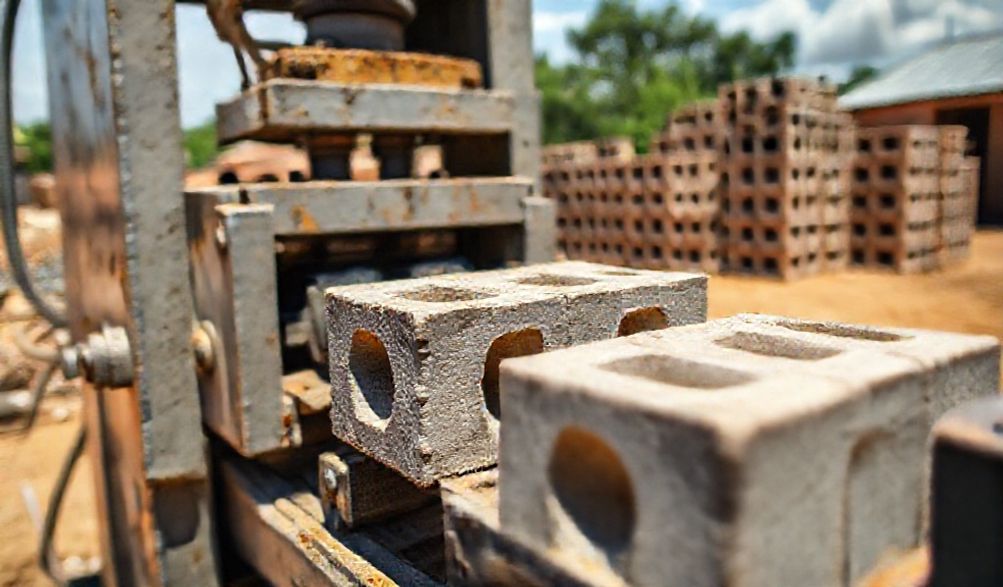
Giá Máy Sản Xuất Khối Bê Tông tại Uganda: Hướng Dẫn Mua Hàng & Phân Tích Thị Trường Năm 2026
Giới thiệu
Bầu trời của Uganda đang thay đổi. Với tốc độ tăng trưởng xây dựng hàng năm luôn vượt quá 6% và tình trạng thiếu hụt nhà ở trên toàn quốc ước tính lên đến hàng triệu căn, nhu cầu về vật liệu xây dựng giá cả phải chăng, đáng tin cậy chưa bao giờ cao hơn thế. Trọng tâm của cuộc cách mạng xây dựng này chính là những khối bê tông giản dị - thành phần cơ bản cho mọi công trình từ nhà ở dân dụng đến các khu phức hợp thương mại. Đối với các doanh nhân thông thái và các công ty xây dựng lâu năm, đây là một cơ hội đáng kể: đầu tư vào máy sản xuất khối bê tông. Nhưng với mức giá dao động từ vài triệu đến hàng trăm triệu Shilling Uganda, làm thế nào để định hướng cho khoản đầu tư quan trọng này?
Dựa trên các cuộc khảo sát thị trường chuyên sâu và tham vấn với các nhà sản xuất địa phương cùng doanh nghiệp xây dựng trên khắp Kampala, Jinja và Mbarara, hướng dẫn này được thiết kế để trở thành nguồn thông tin đáng tin cậy nhất của bạn. Chúng tôi không chỉ liệt kê giá cả. Bạn sẽ đạt được hiểu biết toàn diện về các yếu tố quyết định chi phí, học cách tính toán khoản đầu tư thực tế và lợi nhuận tiềm năng, đồng thời nhận được lời khuyên thiết thực về việc lựa chọn nhà cung cấp đáng tin cậy trong thị trường sôi động của Uganda. Hãy xem đây như lộ trình giúp bạn đưa ra quyết định mua sắm sáng suốt và tự tin, thúc đẩy sự phát triển doanh nghiệp của mình.
Hiểu Rõ Thị Trường Gạch Bê Tông tại Uganda
Trước khi đi sâu vào thông số kỹ thuật và giá cả máy móc, điều quan trọng là phải hiểu các động lực thị trường đang diễn ra. Cơ hội trong sản xuất khối gạch gắn liền trực tiếp với lộ trình phát triển tổng thể của Uganda.
Nhu Cầu về Nhà Ở Giá Rẻ và Cơ Sở Hạ Tầng
Tầm nhìn 2040 của Uganda và Kế hoạch Phát triển Quốc gia lần thứ Ba (NDPIII) đặt ưu tiên rõ ràng vào phát triển cơ sở hạ tầng và đô thị hóa. Trọng tâm của chính phủ vào đường xá, trường học, bệnh viện và khu công nghiệp, cùng với làn sóng di cư đô thị nhanh chóng, tạo ra nhu cầu bền vững và quy mô lớn cho vật liệu xây dựng. Các khối bê tông được ưa chuộng nhờ độ bền, tính chất nhiệt và hiệu quả chi phí so với gạch nung truyền thống. Nhu cầu mang tính chính sách và nhân khẩu học này tạo ra thị trường ổn định cho các nhà sản xuất khối bê tông.
Lợi thế khi khởi nghiệp kinh doanh gạch bê tông tại Uganda
Bắt đầu một dự án sản xuất khối tại Uganda mang lại những lợi thế đặc biệt:
* Sự Sẵn Có của Vật Liệu Địa Phương:Các nguyên liệu cốt lõi—cốt liệu (đá), cát và xi măng—chủ yếu được cung cấp tại địa phương. Điều này giảm thiểu rủi ro và chi phí trong chuỗi cung ứng nguyên liệu thô.
* Tiềm năng sinh lời cao:Với hoạt động hiệu quả, mức chênh lệch giữa chi phí sản xuất và giá bán của các khối có thể rất lớn, đặc biệt khi cung cấp cho các dự án xây dựng đang triển khai.
* Đóng góp Kinh tế:Bạn đóng góp trực tiếp vào việc tạo việc làm tại địa phương và sáng kiến "Sản xuất tại Uganda", cung cấp một sản phẩm thiết yếu cho sự phát triển của quốc gia.
* Tiêu chuẩn hóa:Máy sản xuất gạch mang lại kích thước, hình dạng và độ bền đồng nhất, điều mà các kỹ sư và nhà thầu ngày càng yêu cầu để đảm bảo chất lượng.
Các yếu tố chính quyết định giá máy sản xuất gạch bê tông tại Uganda
Giá máy gạch không phải ngẫu nhiên. Nó phản ánh trực tiếp khả năng, độ phức tạp và nguồn gốc xuất xứ. Hiểu được những yếu tố này sẽ giúp bạn cân đối ngân sách phù hợp với nhu cầu kinh doanh.
Loại Máy và Cấp Độ Tự Động Hóa
Đây là yếu tố quyết định giá quan trọng nhất.
* Máy Móc Thủ Công:完全由手动杠杆操作。初始成本最低,但劳动力强度最高,产出最低。
* Máy Bán Tự Động:Sử dụng hệ thống rung chạy điện hoặc dầu diesel để nén chặt bê tông. Người vận hành cấp nguyên liệu và lấy các khối ra. Mang lại sự cân bằng tốt nhất về giá cả, sản lượng và tự động hóa cho nhiều doanh nghiệp Uganda.
* Máy Móc Tự Động Hoàn Toàn:计算机控制的系统,以最少的人工干预处理混合、进料、压实、固化和堆叠。虽价格昂贵,但能提供无与伦比的产量和一致性。
* Máy đúc khối di động:Được gắn trên rơ-moóc để dễ dàng vận chuyển đến các công trường xây dựng lớn. Loại bỏ chi phí vận chuyển cho các khối thành phẩm. Có giá cao hơn các mô hình bán tự động cố định do tính cơ động được bổ sung.
Công Suất Sản Xuất (Khối Mỗi Giờ/Ngày)
Năng suất là yếu tố chính ảnh hưởng đến chi phí. Một máy có công suất 1.000 khối mỗi ca 8 giờ sẽ rẻ hơn đáng kể so với máy có công suất 5.000 khối. Hãy thực tế về nhu cầu thị trường và dự báo tăng trưởng của bạn. Đầu tư quá mức vào năng suất không được sử dụng sẽ làm đọng vốn, trong khi đầu tư thiếu hụt sẽ bỏ lỡ cơ hội.
Brand and Country of Origin
The source of the machine heavily influences its price, quality, and long-term cost of ownership.
* Chinese Machines: Dominant in the Ugandan market due to competitive pricing. Quality can vary dramatically between manufacturers. Vigilant supplier vetting is essential.
* Indian Machines: Often seen as a middle ground, offering robust build quality at prices slightly higher than Chinese equivalents, with generally good parts availability.
* European Machines: Represent the premium tier with superior engineering, durability, and automation. Prices are significantly higher, and parts/service networks in East Africa may be limited.
* Locally Assembled/Manufactured: A growing segment. These machines may use imported components but are assembled in Uganda, potentially offering better after-sales support and understanding of local conditions.
Block Type and Mold Configuration
The type of block you plan to produce affects the machine’s complexity and price.
* Standard Hollow/Solid Blocks: The most common and typically the least expensive mold option.
* Khối Gạch Lắp Ghép: Require more precise molds and often stronger vibration, increasing cost.
* Paving Slabs, Kerbstones, and Designer Blocks: Specialized molds and sometimes different machine configurations are needed, raising the investment.
Power Source
Your site’s infrastructure will guide this choice.
* Điện: Most common for semi and fully automatic stationary plants. Requires reliable grid or generator power.
* Đi-ê-zen Crucial for mobile machines or areas with unstable electricity. Higher operational fuel cost but ensures independence.
* Hướng dẫn sử dụng: No power cost, but severely limits production scale.
Concrete Block Making Machine Price Ranges in Uganda (2026)
Tuyên bố miễn trách nhiệm quan trọng: The following price ranges are indicative estimates for 2026 based on current market trends, inflation projections, and supplier data. Final prices are subject to change based on specific supplier negotiations, exact specifications, shipping costs, customs duties at the time of import, and currency exchange rate fluctuations. Always request a detailed, itemized quotation from your shortlisted suppliers.
Máy Sản Xuất Gạch Thủ Công
- Khoảng giá: UGX 1,500,000 – UGX 6,000,000
- Tốt Nhất Cho: Individuals, very small-scale startups, community-based organizations, or for producing blocks for a single personal construction project. Output is low and physically demanding.
Máy Làm Khối Bán Tự Động
- Khoảng giá: UGX 10,000,000 – UGX 45,000,000
- Tốt Nhất Cho: The sweet spot for most growing small and medium enterprises (SMEs) in Uganda. Ideal for a dedicated block yard supplying local builders. Offers a strong balance between automation, output (500 – 3,000 blocks per day), and upfront cost.
Máy Làm Khối Tự Động Hoàn Toàn
- Khoảng giá: UGX 50,000,000 – UGX 250,000,000+
- Tốt Nhất Cho: Large-scale commercial production plants aiming to supply major contractors, government projects, or distributors across regions. Requires significant space, stable three-phase power, and higher technical expertise to operate and maintain.
Máy Đúc Khối Di Động
- Khoảng giá: UGX 25,000,000 – UGX 80,000,000
- Tốt Nhất Cho: Construction companies undertaking large, long-duration projects (e.g., housing estates, factory complexes). Producing blocks directly on-site eliminates transport costs and block damage.
Beyond the Machine: Total Investment & Operational Costs
A seasoned operator in Namanve will tell you: the machine’s sticker price is just the beginning. Failing to budget for the total cost of ownership is a common pitfall for new entrants.
Hidden and Ancillary Costs
- Shipping, Customs Duty, and Taxes: If importing directly, factor in CIF (Cost, Insurance, Freight) charges, port clearing fees, and Uganda Revenue Authority (URA) import duties, which can add 25-35%+ to the ex-factory price.
- Foundation & Installation: A semi-automatic machine needs a solid, level concrete foundation. Installation may require a technician, sometimes at an extra cost.
- Thiết bị phụ trợ: You will likely need a pan or drum concrete mixer, a wheelbarrow or conveyor system, curing racks or pallets, and a reliable water source. These are separate costs.
Raw Material & Labor Costs
- Nguyên liệu thô: As of 2026 trends, calculate the cost per block based on cement, sand, and aggregate prices in your region. Building relationships with local quarry and sand suppliers is key to managing this variable cost.
- Lao động A semi-automatic operation may require 3-5 workers for material handling, mixing, operation, and curing. Factor in competitive wages for your area.
Calculating Your Return on Investment (ROI)
Here’s a simplified framework:
1. Calculate Cost Per Block: (Cost of Cement + Sand + Aggregate + Labor + Power + Machine Depreciation) per block.
2. Determine Selling Price: Research the current market price for blocks in your target area (e.g., 6-inch hollow blocks).
3. Estimate Gross Profit Per Block: Selling Price – Cost Per Block.
4. Project Daily/Monthly Output: Based on your machine’s capacity and operational hours.
5. Calculate Payback Period: (Total Machine Investment + Ancillary Costs) / (Gross Profit Per Block x Monthly Block Output).
Example Snapshot for a UGX 30M Semi-Auto Setup:
* Estimated Production Cost per Block: UGX 1,200
* Average Selling Price: UGX 1,800
* Gross Profit per Block: UGX 600
* Daily Output (Target): 1,000 blocks
* Monthly Gross Profit (25 days): UGX 15,000,000
* This is a simplified illustration. Your detailed business plan must account for all overheads, market fluctuations, and downtime.
How to Choose the Right Supplier in Uganda
Your supplier relationship is critical for long-term success. A common challenge reported in Kampala is the difficulty of getting timely spare parts or technical support after the sale.
Local Dealers vs. Direct Import: Pros and Cons
- Local Dealer: Higher machine price, but includes warranty, potential installation help, and (crucially) local after-sales support. They handle import complexities.
- Direct Import from Abroad: Lower ex-factory price, but you bear all shipping, customs, and logistics risks. After-sales support is often slow or non-existent. Recommended only for experienced importers.
Vetting a Supplier: Essential Checklist
- Physical Visit: Do they have a showroom or workshop you can visit?
- After-Sales Promise: Get warranty terms (typically 1 year on major parts) in writing. Ask about the availability of common spare parts (vibration motors, hydraulic seals, molds) in their local stock.
- Client References: Insist on contacting 2-3 previous customers in Uganda. Ask about machine performance and the supplier’s responsiveness to issues.
- Demonstration: Can they show you a machine in operation, either at their yard or a client’s site?
Red Flags to Avoid
- Prices drastically lower than the market average.
- Suppliers who only communicate via WhatsApp with no verifiable physical address.
- Pressure to pay a large deposit before providing a detailed contract.
- Vague or unwilling answers about warranty and service.
Top Recommendations for Different Business Scales
Best Machine for a Small Startup/Individual
A manual or small semi-automatic machine (at the lower end of the UGX 10-20M range) is advisable. Focus on mastering the production process, building a local customer base, and generating cash flow before scaling up. A common recommendation from experienced owners is to start with a robust single-mold semi-automatic machine.
Best Machine for a Growing Construction Company
A medium-capacity semi-automatic machine (UGX 25-45M range) with options for multiple block molds (hollow, solid, interlocking) offers the flexibility to meet diverse project needs. Ensure it has a reliable diesel option if your site power is unstable.
Best Machine for a Large-Scale Block Production Plant
Investment in a dây chuyền sản xuất tự động hoàn toàn is justified. Partner with a reputable international brand that can provide commissioning support and training. Your focus should be on consistent high-volume output, supply contracts, and efficient logistics for distribution.
FAQ Section
Q1: What is the cheapest concrete block making machine available in Uganda?
The cheapest options are single-mold manual presses, which can be found from UGX 1.5 million upwards. However, consider your labor costs and output needs carefully.
Q2: Can I get a loan or financing for a block machine in Uganda?
Yes. Several financial institutions and SACCOs offer asset financing or business loans for equipment purchase. A solid business plan is essential for approval.
Q3: How much profit can I make per block?
Profit varies widely based on your location, material costs, and efficiency. Using the earlier framework, gross profits can range from UGX 300 to UGX 800 per standard block. Net profit is after deducting all overheads.
Q4: Are Chinese block machines in Uganda reliable?
They can be, but quality is not uniform. The key is the nhà cung cấp, not just the country of origin. Choose a supplier with a long-term presence in Uganda and a proven track record of support.
Q5: What is the typical warranty period for these machines?
Typically 12 months on major components like the vibration motor, hydraulic system, and frame. Wear items like molds are often covered for a shorter period (e.g., 3-6 months).
Q6: How do I maintain my block making machine to avoid breakdowns?
Daily cleaning of concrete residue, regular checking and tightening of bolts, timely greasing of bearings, and ensuring the hydraulic oil is clean and at the correct level are the most critical routines.
Q7: Where are the main suppliers located in Uganda?
Most established suppliers and dealers are clustered in the industrial areas of Kampala (Namanve, Kisenyi, Bweyogerere)vàJinja. Some also operate in larger regional towns like Mbarara and Gulu.
Conclusion
Investing in a concrete block making machine in Uganda is a strategic move into the backbone of the nation’s construction sector. As we’ve explored, the price is a function of automation, capacity, and brand, with total costs extending far beyond the initial purchase. The most critical step is partnering with a reputable supplier who will support your business long after the sale.
Use this guide as your foundation. Visit multiple suppliers, inspect their machines, talk to their past clients, and run your numbers meticulously. The potential for success is significant for those who combine a quality machine with sound business acumen and a commitment to serving Uganda’s growing built environment. Take the next step in your entrepreneurial journey with confidence.
<