
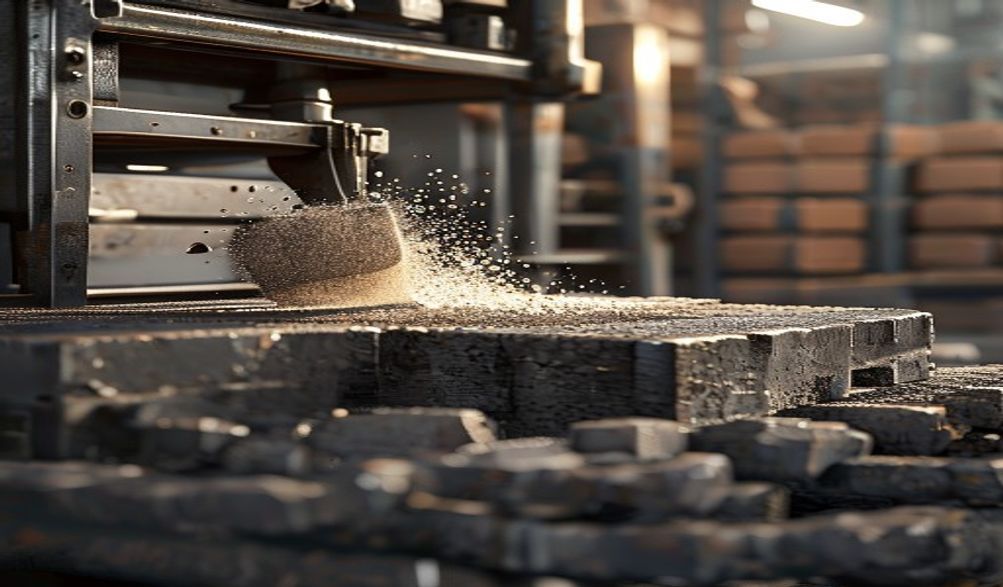
كيفية اختيار آلة صنع الطوب: دليل شامل للمشتري
مقدمة
الطوب هو حجر الأساس في عالمنا، حرفياً. من المنازل والمدارس إلى الطرق والمجمعات التجارية، دوره في البناء لا يمكن تعويضه. اليوم، التحول من العمل اليدوي إلى الأتمتة في إنتاج الطوب ليس مجرد اتجاه—بل هو ثورة في الكفاءة والجودة والقابلية للتوسع. لكن هذا التقدم يطرح تحدياً حاسماً: مع وجود مجموعة مذهلة من الآلات في السوق، كيف تختاريمينواحد لمشروعك أو عملك الخاص؟
هذا الدليل مصمم لاختراق الضجيج. كمرجعك الخبير، نقدم نصيحة موثوقة قائمة على الخبرة لمساعدتك على اتخاذ استثمار واثق ومستنير. سواء كنت مقاولًا تدير مشروع تطوير كبير، أو صاحب عمل صغير يتطلع للتوسع، أو هاويًا متحمسًا للمشاريع اليدوية يشرع في مشروع بناء ذاتي، فإن فهم احتياجاتك هو الخطوة الأولى.
سنأخذك في رحلة صنع القرار بأكملها. ستتعلم كيفية تحديد نطاق مشروعك، وفهم الأنواع الأساسية من الآلات، وتقييم المواصفات الفنية الحاسمة، وتحديد العوامل غير القابلة للتفاوض التي تميز الاستثمار الحكيم عن الخطأ المكلف. لنبدأ بوضع الأساس: فهم ما تحتاجه بالضبط.
فهم احتياجاتك ونطاق المشروع
قبل أن تنظر إلى كتيب آلة واحدة، يجب أن يكون لديك وضوح تام بشأن متطلباتك الخاصة. هذا التدقيق الداخلي هو الخطوة الأكثر أهمية في العملية.
تحديد أهداف الإنتاج الخاصة بك
ابدأ بطرح بعض الأسئلة الأساسية على نفسك، حيث ستحدد الإجابات مباشرة حجم وقدرة الآلة التي تحتاجها.
- ما هي متطلباتك اليومية أو الأسبوعية من الطوب؟مشروع لمرة واحدة لمنزل عائلي واحد له احتياجات مختلفة تماماً عن مشروع توريد مستمر.
- هل هذا لمشروع محدود أم لإنتاج تجاري مستمر؟قد تفضل العمل القائم على المشاريع المرونة أو خيارات التأجير، في حين تتطلب الأعمال التجارية الموثوقية وثبات الإنتاج.
- ما هو مسار نموك؟إذا كنت تخطط للتوسع، فإن الاستثمار في آلة ذات سعة أعلى قليلاً من احتياجاتك الحالية قد يكون أكثر اقتصاداً على المدى الطويل.
تأثيرتقليل تقدير احتياجاتك من الإنتاج يؤدي إلى تفويت المواعيد النهائية وفقدان الإيرادات. بينما المبالغة في التقدير تؤدي إلى نفقات رأسمالية كبيرة غير ضرورية وتكاليف تشغيل أعلى. كن واقعياً بلا رحمة.
أنواع الطوب والكتل التي تخطط لإنتاجها
لا تصنع جميع الآلات جميع أنواع الطوب. منتجك النهائي المطلوب يضيق المجال بشكل كبير.
- الكتل الصلبة والمجوفة:أساسيات بناء الجدران. الكتل المجوفة أخف وزناً وتوفر عزلًا أفضل.
- الطوب الرصيفي (البلاطات الرصفية):تُستخدم للممرات والمشايات والتراسات. تتطلب كثافة عالية وتناسقًا دقيقًا في اللون.
- الكتل المتشابكة:مصممة للالتحام معًا دون ملاط، مثالية للجدران الاستنادية وبعض أنظمة البناء.
- الطوب المتخصصالطوب المنحني، المثقب، أو المصمم حسب الطلب.
النقطة الرئيسية:نوع الطوب يحدد قالب الآلة، وغالباً نظام الدك الخاص بها. فآلة مثالية لصنع البلوك الصلب قد تكون غير قادرة على إنتاج بلاط الأرصفة عالي الجودة والمفصل. لذا، حدد أولاً مجموعة منتجاتك بوضوح.
المواد الخام المتاحة
المواد المحلية الخاصة بك هي قيد تصميم رئيسي. يجب أن تكون الآلة متوافقة مع مدخلاتك.
- الآلات القائمة على الأسمنت:استخدم مزيجًا من الأسمنت والرمل والركام (مثل الحجر المكسر). هذا شائع في آلات صناعة الكتل الخرسانية.
- الآلات القائمة على الطين/التربة:استخدم تربة أو طينًا من مصادر محلية. غالبًا ما يتطلب ذلك فحص التربة لتحديد مدى ملاءمتها وقد يشمل عملية حرق (للطوب المحروق في الأفران).
- آلات الرماد المتطاير أو المواد المعاد تدويرهاخيارات صديقة للبيئة تستخدم منتجات ثانوية صناعية. يجب أن تتعامل الآلة مع خصائص هذه المواد المحددة.
نصيحة احترافية:قم بإجراء اختبار للتربة إذا كنت تستخدم الطين. بالنسبة لخلطات الخرسانة، قم بتطوير تصميم خلطة قياسي. إن التحضير الصحيح للمواد الخام يمثل 50% من تحقيق لبنة عالية الجودة.
Core Types of Brick Making Machines
Machines are broadly categorized by their level of automation, which correlates directly with output, cost, and labor needs.
آلات صنع الطوب اليدوية
These are human-powered, lever-operated devices.
- مزايا: Extremely low initial cost, simple to understand, requires no electricity, portable.
- سلبيات: Highly labor-intensive, very low output, product consistency depends entirely on operator skill, physically demanding.
- مثالي لـ: Ultra-small-scale projects, remote locations with no power, NGOs in community development, or those with a very strict budget testing the waters.
آلات صنع الطوب شبه الأوتوماتيكية
These machines mechanize the critical compaction and molding process but require manual intervention for feeding raw material and removing finished bricks.
- مزايا: Excellent balance between output and cost. Significantly reduces labor compared to manual machines while being far more affordable than full automation. Good output consistency.
- سلبيات: Still requires several operators. Output is limited by the speed of manual handling.
- مثالي لـ: Small to medium-sized businesses, growing startups, contractors with multiple projects, and regions where labor is available but mechanization is desired for quality.
آلات صناعة الطوب الأوتوماتيكية بالكامل
These are complete production lines. They automate feeding, mixing, molding, compaction, curing, and sometimes even stacking/palletizing with minimal human oversight.
- مزايا: Very high, consistent output. Superior and uniform product quality. Dramatically reduced labor costs per brick. High efficiency.
- سلبيات: Very high initial investment. Requires reliable power (often three-phase). Needs more sophisticated maintenance and technical know-how.
- مثالي لـ: Large-scale commercial plants, industrial production, municipal projects, and businesses focused on maximizing volume and minimizing unit cost.
المواصفات الفنية الرئيسية للتقييم
Once you know the type of machine, dive into the specs. These numbers tell the real story.
القدرة الإنتاجية (الإنتاج في الساعة/اليوم)
Don’t just look at the “maximum” output in ideal conditions. Understand the practical output.
- وقت الدورة: How many seconds does it take to produce one cycle of bricks?
- الطوب لكل دورة How many bricks (e.g., standard blocks) does it produce in that one cycle?
- Matching to Timeline: Calculate backwards from your project deadline. If you need 10,000 bricks in a month, a machine producing 500 bricks per 8-hour shift won’t suffice.
Pressure and Vibration System
This is the heart of the machine. It determines the brick’s strength, density, and surface finish.
- لماذا يهم: High pressure and efficient vibration force out air pockets, ensuring the mix is compacted uniformly. This leads to higher compressive strength and durability.
- هيدروليكي مقابل ميكانيكي: Hydraulic systems offer more controllable and often higher pressure, leading to denser bricks. Mechanical systems can be robust but may offer less precise control.
متطلبات الطاقة وتكاليف التشغيل
The purchase price is just the beginning.
- مصدر الطاقة Is it electric (single-phase or industrial three-phase) or diesel-powered? Diesel offers mobility and independence from the grid but has higher fuel costs. Three-phase electric is more efficient for large machines.
- إجمالي تكلفة الملكية (TCO): Factor in energy consumption, routine maintenance costs, spare parts, and labor. A cheaper machine with high energy consumption or frequent breakdowns becomes expensive quickly.
Mobility and Space Requirements
Where will the machine live and operate?
- النباتات الثابتة: Fixed installations for high-volume production. Require a solid, level concrete foundation, significant floor space, and adequate ceiling height.
- الآلات المتنقلة: Mounted on trailers. Excellent for contractors who need to move the machine between job sites. Compromise on ultimate output for flexibility.
- اللوجستيات: Ensure your site has the access needed for delivery, installation, and raw material handling.
Beyond the Machine: Essential Factors for Success
The machine itself is only part of the equation. The company behind it and its build quality are what ensure long-term success.
Supplier Reputation and After-Sales Support
This is non-negotiable. A machine is a long-term investment, not a one-time purchase.
- Why E-E-A-T Matters: You need a supplier with خبرةوالسلطة. Look for companies with a long track record, verifiable customer testimonials, and a strong industry presence.
- Trust Checklist:
- الضمان: What is covered and for how long?
- قطع الغيار: Are they readily available, and what is the lead time?
- الدعم الفني Do they offer phone, online, or on-site support?
- التثبيت والتدريب: Will they commission the machine and train your operators?
جودة البناء والمتانة
Inspect the build like you would a piece of heavy equipment.
- المواد: Look for high-grade steel in critical frames and components. Thicker steel and robust welding resist the constant stress of vibration.
- Signs of Quality: Precision machining, well-fitted components, quality paint or coating to prevent rust, and reputable brand-name parts for hydraulics and electrical systems.
- Signs of a Cheap Copy: Thin-gauge metal, rough welds, poorly aligned parts, and generic, unlabeled components.
Safety Features and Ease of Operation
Protect your most valuable asset: your people.
- Safety Must-Haves: Proper guarding on all moving parts, emergency stop buttons in accessible locations, and clear safety labels.
- Usability: Are the controls intuitive? Is there a clear operation manual? Good machine design minimizes complex procedures and potential for operator error.
Financial Considerations and ROI
Translate your technical choices into financial logic.
Budgeting: Initial Investment vs. Total Cost of Ownership
Create a comprehensive budget that includes all costs:
* Machine Price
* Shipping, Customs, and Delivery
* Installation and Foundation Work
* Initial Set of Spare Parts and Molds
* Raw Material Inventory
* Labor for Operation
* Estimated Monthly Power/Fuel Costs
Calculating Your Potential Return on Investment (ROI)
A simple framework to gauge viability:
1. Estimate Annual Production Value: (Bricks produced per year) x (Selling price per brick).
2. Calculate Annual Operational Costs: Raw materials + labor + power + maintenance + other overheads.
3. Determine Annual Gross Profit: Production Value – Operational Costs.
4. Analyze Payback: (Total Initial Investment) / (Annual Gross Profit) = Simple Payback Period (in years).
Factors Influencing ROI: Local market demand and price for bricks, your production efficiency (reject rate), machine uptime/reliability, and your operational cost control.
الأسئلة الشائعة (FAQ)
Q1: What is the average cost range for a brick making machine?
أ: Prices vary dramatically. Manual machines can start from a few hundred dollars. Semi-automatic machines range from $5,000 to $50,000. Fully automatic production lines can start from $50,000 and go well into the hundreds of thousands. Always get detailed quotes based on your specific needs.
Q2: Can one machine produce different types/sizes of bricks?
أ: Yes, through interchangeable molds. Most manufacturers offer a variety of mold sizes and designs. However, changing molds takes time and requires an additional investment in each mold set. Ensure the machine you choose has a versatile and accessible mold system.
Q3: How important is after-sales service when buying a machine?
أ: It is absolutely crucial. A machine without reliable technical support and available spare parts can become a very expensive paperweight during a breakdown. Prioritize suppliers with a proven, responsive service network over a slightly cheaper price from an unknown vendor.
Q4: What are the most common maintenance tasks?
أ: Regular cleaning to prevent material buildup, daily lubrication of moving parts, checking and changing hydraulic oil as recommended, and inspecting high-wear items like mold liners, mixer blades, and conveyor belts for damage.
Q5: How do I choose between a new and a used brick making machine?
أ: A used machine offers a lower entry cost but carries risks: unknown maintenance history, potential wear, and often little to no warranty or support. If considering used, insist on a thorough inspection by a qualified technician, review maintenance logs, and try to see it running under load.
خاتمة
Choosing the right brick making machine is a strategic decision that blends technical understanding with clear business planning. Your journey should follow this path: start by deeply analyzing your own needs—your production scale, desired products, and available materials. Use that knowledge to navigate the world of machine types, from manual to fully automatic. Then, become a savvy evaluator of technical specifications, looking beyond marketing claims to pressure systems, power needs, and practical output.
Finally, and most importantly, conduct rigorous due diligence on the مُوَرِّد. Your partnership with them will define your experience for years to come. This comprehensive, research-driven approach is the hallmark of a trustworthy investment.
Your Next Step: Use this guide as a living checklist. Document your answers to each section. Then, contact 3-5 reputable suppliers with your specific requirements. Compare their proposals not just on price, but on how well they meet the criteria outlined here. The right machine is out there, ready to build your future, brick by brick.
<