
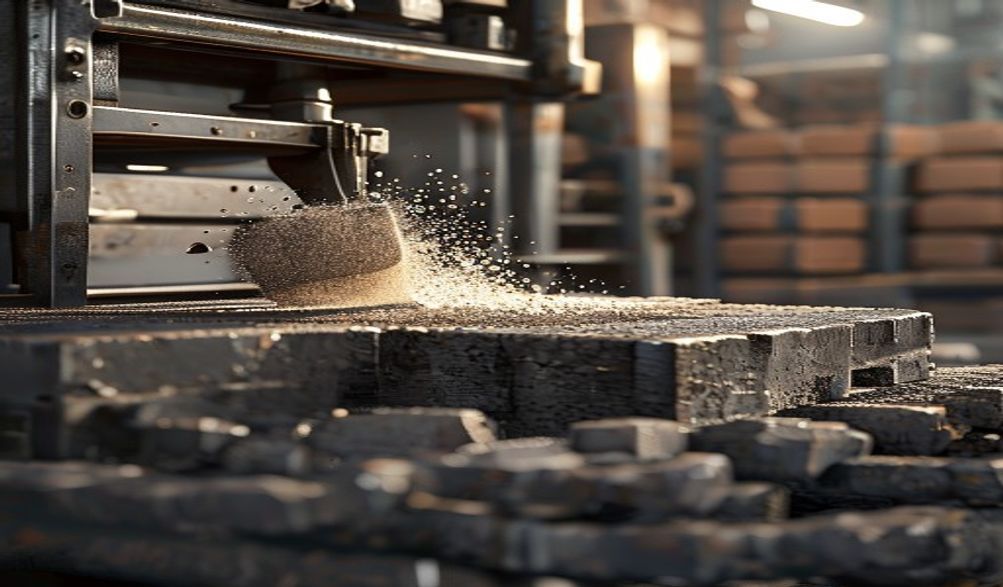
Чӣ гуна дастгоҳи сохтани хиштро интихоб кардан: Дастури ҳамаҷониба барои харидор
Муқаддима
Хоҷаҳо воҳидҳои асосии сохтмони дунёи мо ҳастанд, дар айни замон. Аз хонаҳо ва мактабҳо то роҳҳо ва маҷмӯъаҳои тиҷоратӣ, нақши онҳо дар сохтмон беҳамто аст. Имрӯз, гузариш аз меҳнати дастӣ ба автоматсозӣ дар истеҳсоли хоҷаҳо танҳо як равия нест—ин инқилобе дар самаранокӣ, сифат ва андозагирӣ аст. Аммо ин пешрафт як мушкили муҳим пеш меорад: бо гуногунии заҳролудии дастгоҳҳо дар бозор, чӣ гуна шумо интихоб мекунедростбарои лоиҳа ё тиҷорати мушаххаси шумо?
Ин дастур барои аз миёни садо баровардани маълумот тарҳрезӣ шудааст. Ҳамчун манбаи мутахассиси шумо, мо маслиҳати эътимодноки асосёфта аз таҷриба пешкаш мекунем, то ба шумо дар сӯҳбати сармоягузории огоҳона ва боварманд кумак расонем. Ҳарчанд шумо подрядкоре бошед, ки тараққиёти калонро идора мекунед, соҳибкори хурде бошед, ки барои васеъ кардан меҷӯед, ё энтузиасти ихтисосёфтаи худсоз бошед, ки дар оғози лоиҳаи худсохт қарор доред, дарк кардани эҳтиёҷоти шумо қадами аввал аст.
Мо шуморо аз тамоми сафари қабули қарор мегузаронем. Шумо меомӯзед, ки чӣ гуна доираи лоиҳаи худро муайян кунед, навъҳои асосии машинаҳоро дарк кунед, тавсифоти муҳими техникиро арзёбӣ намоед ва омилҳои ғайримуқовиматеро, ки сармоягузории оқилонаро аз хатои гарон ҷудо мекунанд, муайян кунед. Биёед бо гузоштани пояи асосӣ оғоз кунем: дарки дақиқи он чизе, ки ба он эҳтиёҷ доред.
Фаҳмидани Эҳтиёҷоти Шумо ва Ҳаҷми Лоиҳа
Пеш аз он ки ба ҳаргуна брошюри мошин назар кунед, шумо бояд дар бораи талаботи худ равшании мутлақ дошта бошед. Ин аудити дохилӣ қадами муҳимтарин дар ин раванд аст.
Муайян кардани ҳадафҳои истеҳсолии шумо
Аввал ба худ чанд саволи асосӣ бипурсед. Ҷавобҳо бевосита андоза ва иқтидори мошинеро, ки ба шумо лозим аст, муайян мекунанд.
- Шумо дар як рӯз ё як ҳафта чӣ қадар хишт лозим доред?Як лоиҳаи яккарата барои хонаи як оилавӣ аз ниёзҳои гуногунтар аз тиҷорати таъминоти доимӣ бархурдор аст.
- Ин барои лоиҳаи маҳдуд аст ё истеҳсоли тиҷорӣ?Корҳои лоиҳавӣ метавонанд барои фосила ва имконияти иҷора мувофиқ бошанд, дар ҳоле ки тиҷорат ба эътимод ва устувории натиҷаҳо ниёз дорад.
- Роҳи рушди шумо чист?Агар шумо нақшаи афзуниши фаъолият доред, сармоягузорӣ ба дастгоҳе, ки қобилияти каме баландтар аз эҳтиёҷоти ҷории шумо дорад, дар давраи дарозмуддат самарабахштар метавонад бошад.
Таъсир:Ҳаҷми зарурии маҳсулоти худро камбаҳогузорӣ кардан ба таъхир дар ҳадафҳо ва аз даст додани даромад меоранд. Зиёд баровардан ба сармоягузории беҳудаи калон ва хароҷоти амалиётии баланд меоранд. Ба таври бераҳмона воқеӣ бошед.
Намудҳои хишт ва блокҳое, ки шумо барои истеҳсол кардан нақша мекашед
Not all machines make all bricks. Your desired end product narrows the field significantly.
- Блокҳои Солид ва Ҳолло: The staples of wall construction. Hollow blocks are lighter and provide better insulation.
- Paving Bricks (Pavers): Used for driveways, walkways, and patios. Require high density and precise color consistency.
- Блокҳои басташуда: Designed to lock together without mortar, ideal for retaining walls and some building systems.
- Хаҷми махсус: Curved, perforated, or custom-designed bricks.
Калиди асосӣ: The brick type dictates the machine’s mold and, often, its compaction system. A machine perfect for solid blocks may be incapable of producing high-quality, detailed pavers. Clearly define your product catalog first.
Available Raw Materials
Your local materials are a key design constraint. The machine must be compatible with your input.
- Cement-Based Machines: Use a mix of cement, sand, and aggregate (e.g., crushed stone). This is common for concrete block machines.
- Clay/Soil-Based Machines: Utilize locally sourced soil or clay. This often requires a soil test to determine suitability and may involve a firing process (for kiln-fired bricks).
- Fly Ash or Recycled Material Machines: Eco-friendly options that use industrial by-products. The machine must handle these specific material properties.
Профессионалӣ маслиҳат: Conduct a soil test if using clay. For concrete mixes, develop a standard mix design. The right raw material preparation is 50% of achieving a quality brick.
Core Types of Brick Making Machines
Machines are broadly categorized by their level of automation, which correlates directly with output, cost, and labor needs.
Дастгоҳҳои дастӣ барои сохтани хишт
These are human-powered, lever-operated devices.
- Муҳоҷизот: Extremely low initial cost, simple to understand, requires no electricity, portable.
- Манфӣҳо Highly labor-intensive, very low output, product consistency depends entirely on operator skill, physically demanding.
- Идеалӣ барои: Ultra-small-scale projects, remote locations with no power, NGOs in community development, or those with a very strict budget testing the waters.
Машинаҳои ним-автоматии истеҳсоли хишт
These machines mechanize the critical compaction and molding process but require manual intervention for feeding raw material and removing finished bricks.
- Муҳоҷизот: Excellent balance between output and cost. Significantly reduces labor compared to manual machines while being far more affordable than full automation. Good output consistency.
- Манфӣҳо Still requires several operators. Output is limited by the speed of manual handling.
- Идеалӣ барои: Small to medium-sized businesses, growing startups, contractors with multiple projects, and regions where labor is available but mechanization is desired for quality.
Машинаҳои пурра автоматӣ барои сохтани хишт
These are complete production lines. They automate feeding, mixing, molding, compaction, curing, and sometimes even stacking/palletizing with minimal human oversight.
- Муҳоҷизот: Very high, consistent output. Superior and uniform product quality. Dramatically reduced labor costs per brick. High efficiency.
- Манфӣҳо Very high initial investment. Requires reliable power (often three-phase). Needs more sophisticated maintenance and technical know-how.
- Идеалӣ барои: Large-scale commercial plants, industrial production, municipal projects, and businesses focused on maximizing volume and minimizing unit cost.
Муҳимтарин Хусусиятҳои Техникии Арзёбӣ
Once you know the type of machine, dive into the specs. These numbers tell the real story.
Иқтидори Истеҳсолӣ (Маҳсулот дар як Соат/Рӯз)
Don’t just look at the “maximum” output in ideal conditions. Understand the practical output.
- Вақти даврӣ: How many seconds does it take to produce one cycle of bricks?
- Bricks per Cycle: How many bricks (e.g., standard blocks) does it produce in that one cycle?
- Matching to Timeline: Calculate backwards from your project deadline. If you need 10,000 bricks in a month, a machine producing 500 bricks per 8-hour shift won’t suffice.
Pressure and Vibration System
This is the heart of the machine. It determines the brick’s strength, density, and surface finish.
- Чаро ин муҳим аст: High pressure and efficient vibration force out air pockets, ensuring the mix is compacted uniformly. This leads to higher compressive strength and durability.
- Ҳидравликӣ ва механикӣ: Hydraulic systems offer more controllable and often higher pressure, leading to denser bricks. Mechanical systems can be robust but may offer less precise control.
Power Requirements and Operational Costs
The purchase price is just the beginning.
- Манбаи барқ Is it electric (single-phase or industrial three-phase) or diesel-powered? Diesel offers mobility and independence from the grid but has higher fuel costs. Three-phase electric is more efficient for large machines.
- Арзиши умумии моликият (TCO): Factor in energy consumption, routine maintenance costs, spare parts, and labor. A cheaper machine with high energy consumption or frequent breakdowns becomes expensive quickly.
Mobility and Space Requirements
Where will the machine live and operate?
- Набототи собит: Fixed installations for high-volume production. Require a solid, level concrete foundation, significant floor space, and adequate ceiling height.
- Машинаҳои мобилӣ: Mounted on trailers. Excellent for contractors who need to move the machine between job sites. Compromise on ultimate output for flexibility.
- Logistics: Ensure your site has the access needed for delivery, installation, and raw material handling.
Beyond the Machine: Essential Factors for Success
The machine itself is only part of the equation. The company behind it and its build quality are what ensure long-term success.
Supplier Reputation and After-Sales Support
This is non-negotiable. A machine is a long-term investment, not a one-time purchase.
- Why E-E-A-T Matters: You need a supplier with ТаҷрибаваМаъмурияти ҳокимият. Look for companies with a long track record, verifiable customer testimonials, and a strong industry presence.
- Trust Checklist:
- Warranty: What is covered and for how long?
- Қисмҳои ивазшаванда: Are they readily available, and what is the lead time?
- Дастгирии техникӣ: Do they offer phone, online, or on-site support?
- Насб ва омӯзиш: Will they commission the machine and train your operators?
Quality of Construction and Durability
Inspect the build like you would a piece of heavy equipment.
- Маводҳо: Look for high-grade steel in critical frames and components. Thicker steel and robust welding resist the constant stress of vibration.
- Signs of Quality: Precision machining, well-fitted components, quality paint or coating to prevent rust, and reputable brand-name parts for hydraulics and electrical systems.
- Signs of a Cheap Copy: Thin-gauge metal, rough welds, poorly aligned parts, and generic, unlabeled components.
Safety Features and Ease of Operation
Protect your most valuable asset: your people.
- Safety Must-Haves: Proper guarding on all moving parts, emergency stop buttons in accessible locations, and clear safety labels.
- Usability: Are the controls intuitive? Is there a clear operation manual? Good machine design minimizes complex procedures and potential for operator error.
Financial Considerations and ROI
Translate your technical choices into financial logic.
Budgeting: Initial Investment vs. Total Cost of Ownership
Create a comprehensive budget that includes all costs:
* Machine Price
* Shipping, Customs, and Delivery
* Installation and Foundation Work
* Initial Set of Spare Parts and Molds
* Raw Material Inventory
* Labor for Operation
* Estimated Monthly Power/Fuel Costs
Calculating Your Potential Return on Investment (ROI)
A simple framework to gauge viability:
1. Estimate Annual Production Value: (Bricks produced per year) x (Selling price per brick).
2. Calculate Annual Operational Costs: Raw materials + labor + power + maintenance + other overheads.
3. Determine Annual Gross Profit: Production Value – Operational Costs.
4. Analyze Payback: (Total Initial Investment) / (Annual Gross Profit) = Simple Payback Period (in years).
Factors Influencing ROI: Local market demand and price for bricks, your production efficiency (reject rate), machine uptime/reliability, and your operational cost control.
Frequently Asked Questions (FAQ)
Q1: What is the average cost range for a brick making machine?
A: Prices vary dramatically. Manual machines can start from a few hundred dollars. Semi-automatic machines range from $5,000 to $50,000. Fully automatic production lines can start from $50,000 and go well into the hundreds of thousands. Always get detailed quotes based on your specific needs.
Q2: Can one machine produce different types/sizes of bricks?
A: Yes, through interchangeable molds. Most manufacturers offer a variety of mold sizes and designs. However, changing molds takes time and requires an additional investment in each mold set. Ensure the machine you choose has a versatile and accessible mold system.
Q3: How important is after-sales service when buying a machine?
A: It is absolutely crucial. A machine without reliable technical support and available spare parts can become a very expensive paperweight during a breakdown. Prioritize suppliers with a proven, responsive service network over a slightly cheaper price from an unknown vendor.
Q4: What are the most common maintenance tasks?
A: Regular cleaning to prevent material buildup, daily lubrication of moving parts, checking and changing hydraulic oil as recommended, and inspecting high-wear items like mold liners, mixer blades, and conveyor belts for damage.
Q5: How do I choose between a new and a used brick making machine?
A: A used machine offers a lower entry cost but carries risks: unknown maintenance history, potential wear, and often little to no warranty or support. If considering used, insist on a thorough inspection by a qualified technician, review maintenance logs, and try to see it running under load.
Conclusion
Choosing the right brick making machine is a strategic decision that blends technical understanding with clear business planning. Your journey should follow this path: start by deeply analyzing your own needs—your production scale, desired products, and available materials. Use that knowledge to navigate the world of machine types, from manual to fully automatic. Then, become a savvy evaluator of technical specifications, looking beyond marketing claims to pressure systems, power needs, and practical output.
Finally, and most importantly, conduct rigorous due diligence on the таъминкунанда. Your partnership with them will define your experience for years to come. This comprehensive, research-driven approach is the hallmark of a trustworthy investment.
Your Next Step: Use this guide as a living checklist. Document your answers to each section. Then, contact 3-5 reputable suppliers with your specific requirements. Compare their proposals not just on price, but on how well they meet the criteria outlined here. The right machine is out there, ready to build your future, brick by brick.
<