
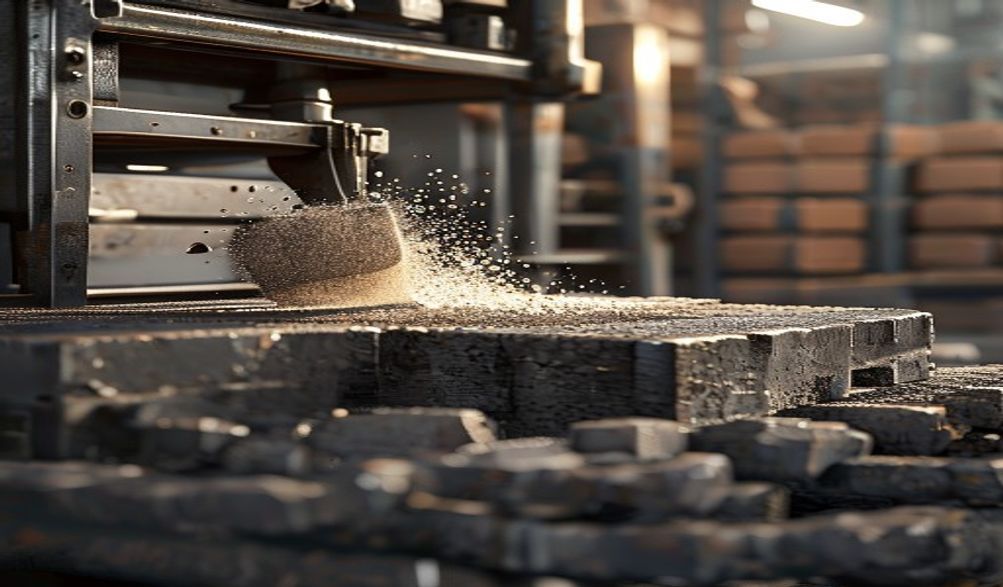
ইট তৈরির মেশিন কীভাবে বাছাই করবেন: একটি ব্যাপক ক্রেতার গাইড
ভূমিকা
ইট আমাদের বিশ্বের মৌলিক গঠন উপাদান, আক্ষরিক অর্থেই। বাড়িঘর ও স্কুল থেকে শুরু করে রাস্তা ও বাণিজ্যিক কমপ্লেক্স পর্যন্ত, নির্মাণে এদের ভূমিকা অপরিসীম। আজকাল, ইট উৎপাদনে শ্রমিক নির্ভরতা থেকে স্বয়ংক্রিয়তার দিকে পরিবর্তন শুধু একটি প্রবণতা নয়—এটি দক্ষতা, গুণমান ও সম্প্রসারণযোগ্যতার ক্ষেত্রে এক বিপ্লব। কিন্তু এই অগ্রগতি একটি গুরুত্বপূর্ণ চ্যালেঞ্জ উপস্থাপন করে: বাজারে যন্ত্রপাতির অগণিত বিকল্প নিয়ে, আপনি কীভাবে বেছে নেবেনঠিকআপনার নির্দিষ্ট প্রকল্প বা ব্যবসার জন্য একটি?
এই নির্দেশিকা শুধুমাত্র প্রয়োজনীয় তথ্য সরবরাহের জন্য তৈরি। আপনার বিশেষজ্ঞ সহায়ক হিসেবে, আমরা কর্তৃত্বপূর্ণ ও অভিজ্ঞতাভিত্তিক পরামর্শ দিয়ে থাকি, যা আপনাকে একটি সচেতন ও আত্মবিশ্বাসী বিনিয়োগে সহায়তা করবে। আপনি যদি একজন ঠিকাদার হন যিনি একটি বড় উন্নয়ন প্রকল্প পরিচালনা করছেন, একজন ছোট ব্যবসার মালিক হন যিনি সম্প্রসারণের চেষ্টা করছেন, অথবা একজন নিবেদিত DIY উত্সাহী হন যিনি একটি স্বনির্মাণ প্রকল্প শুরু করতে চলেছেন, আপনার প্রয়োজনীয়তাগুলো বোঝাই প্রথম পদক্ষেপ।
আমরা আপনাকে পুরো সিদ্ধান্ত গ্রহণের যাত্রাপথে সঙ্গ দেব। আপনি শিখবেন কিভাবে আপনার প্রকল্পের পরিধি নির্ধারণ করতে হয়, মেশিনের মূল প্রকারগুলি বুঝতে হয়, গুরুত্বপূর্ণ প্রযুক্তিগত বিবরণ মূল্যায়ন করতে হয় এবং সেই অপরিহার্য বিষয়গুলি চিহ্নিত করতে হয় যা একটি বুদ্ধিদীপ্ত বিনিয়োগকে একটি ব্যয়বহুল ভুল থেকে আলাদা করে। চলুন শুরু করা যাক ভিত্তি স্থাপন করে: আপনার প্রকৃত প্রয়োজনটি ঠিক কী তা বুঝে নিয়ে।
আপনার চাহিদা এবং প্রকল্পের পরিধি বোঝা
একটি মেশিন ব্রোশিওর দেখার আগেই, আপনার নিজস্ব প্রয়োজনীয়তা সম্পর্কে সম্পূর্ণ স্পষ্ট ধারণা থাকতে হবে। এই অভ্যন্তরীণ নিরীক্ষাই এই প্রক্রিয়ার সবচেয়ে গুরুত্বপূর্ণ ধাপ।
আপনার উৎপাদন লক্ষ্য নির্ধারণ
প্রথমে নিজেকে কিছু মৌলিক প্রশ্ন করুন। উত্তরগুলো সরাসরি আপনার প্রয়োজনীয় মেশিনের আকার ও ধারণক্ষমতা নির্ধারণ করবে।
- আপনার দৈনিক বা সাপ্তাহিক ইটের চাহিদা কত?একটি একক পরিবারের বাড়ির জন্য এককালীন প্রকল্পের চাহিদা অবিচ্ছিন্ন সরবরাহ ব্যবসার চেয়ে সম্পূর্ণ ভিন্ন।
- এটি একটি সীমিত প্রকল্পের জন্য নাকি চলমান বাণিজ্যিক উৎপাদনের জন্য?প্রকল্প-ভিত্তিক কাজ নমনীয়তা বা ভাড়ার বিকল্পগুলিকে পছন্দ করতে পারে, অন্যদিকে একটি ব্যবসা নির্ভরযোগ্যতা এবং আউটপুটের সামঞ্জস্যতা দাবি করে।
- আপনার বৃদ্ধির গতিপথ কী?আপনি যদি স্কেল করার পরিকল্পনা করেন, তাহলে আপনার বর্তমান চাহিদার চেয়ে সামান্য বেশি ক্ষমতাসম্পন্ন একটি মেশিনে বিনিয়োগ করা দীর্ঘমেয়াদে আরও অর্থনৈতিক হতে পারে।
প্রভাব:আপনার উৎপাদন চাহিদা কম অনুমান করলে নির্ধারিত সময়সীমা হারানো এবং রাজস্ব ক্ষতি হয়। অতিরিক্ত অনুমান করলে অপ্রয়োজনীয় বড় মূলধন বিনিয়োগ এবং উচ্চ পরিচালন ব্যয় সৃষ্টি হয়। নির্মমভাবে বাস্তববাদী হোন।
আপনি যে ধরনের ইট ও ব্লক উৎপাদন করার পরিকল্পনা করছেন
সকল মেশিন সব ধরনের ইট তৈরি করে না। আপনার কাঙ্ক্ষিত চূড়ান্ত পণ্য ক্ষেত্রকে উল্লেখযোগ্যভাবে সংকুচিত করে।
- সলিড ও হোলো ব্লক:দেয়াল নির্মাণের প্রধান উপকরণ। খোলা ব্লকগুলো হালকা এবং উত্তম তাপ নিরোধক প্রদান করে।
- পেভিং ইট (পেভার্স):ড্রাইভওয়ে, হাঁটার পথ এবং প্যাটিওর জন্য ব্যবহৃত হয়। উচ্চ ঘনত্ব এবং সুনির্দিষ্ট রঙের সামঞ্জস্য প্রয়োজন।
- ইন্টারলকিং ব্লক:মর্টার ছাড়াই একসাথে আটকে থাকার জন্য তৈরি, ধারণকারী দেয়াল এবং কিছু ভবন ব্যবস্থার জন্য আদর্শ।
- বিশেষ ধরনের ইট:বাঁকা, ছিদ্রযুক্ত বা কাস্টম-ডিজাইন করা ইট।
প্রধান উপসংহার:ইটের প্রকার মেশিনের ছাঁচ এবং প্রায়শই এর সংকোচন পদ্ধতি নির্ধারণ করে। একটি মেশিন যা কঠিন ব্লকের জন্য উপযুক্ত, তা উচ্চ-মানের, বিস্তারিত পেভার তৈরি করতে অক্ষম হতে পারে। প্রথমে আপনার পণ্য ক্যাটালগ স্পষ্টভাবে নির্ধারণ করুন।
উপলব্ধ কাঁচামাল
আপনার স্থানীয় উপকরণগুলো একটি মূল নকশা সীমাবদ্ধতা। মেশিনটি অবশ্যই আপনার ইনপুটের সাথে সামঞ্জস্যপূর্ণ হতে হবে।
- Cement-Based Machines: Use a mix of cement, sand, and aggregate (e.g., crushed stone). This is common for concrete block machines.
- Clay/Soil-Based Machines: Utilize locally sourced soil or clay. This often requires a soil test to determine suitability and may involve a firing process (for kiln-fired bricks).
- Fly Ash or Recycled Material Machines: Eco-friendly options that use industrial by-products. The machine must handle these specific material properties.
প্রো টিপ: Conduct a soil test if using clay. For concrete mixes, develop a standard mix design. The right raw material preparation is 50% of achieving a quality brick.
Core Types of Brick Making Machines
Machines are broadly categorized by their level of automation, which correlates directly with output, cost, and labor needs.
ম্যানুয়াল ইট তৈরির মেশিন
These are human-powered, lever-operated devices.
- সুবিধা: Extremely low initial cost, simple to understand, requires no electricity, portable.
- অসুবিধাগুলো Highly labor-intensive, very low output, product consistency depends entirely on operator skill, physically demanding.
- আদর্শ Ultra-small-scale projects, remote locations with no power, NGOs in community development, or those with a very strict budget testing the waters.
সেমি-অটোমেটিক ইট তৈরির মেশিন
These machines mechanize the critical compaction and molding process but require manual intervention for feeding raw material and removing finished bricks.
- সুবিধা: Excellent balance between output and cost. Significantly reduces labor compared to manual machines while being far more affordable than full automation. Good output consistency.
- অসুবিধাগুলো Still requires several operators. Output is limited by the speed of manual handling.
- আদর্শ Small to medium-sized businesses, growing startups, contractors with multiple projects, and regions where labor is available but mechanization is desired for quality.
সম্পূর্ণ স্বয়ংক্রিয় ইট তৈরির মেশিন
These are complete production lines. They automate feeding, mixing, molding, compaction, curing, and sometimes even stacking/palletizing with minimal human oversight.
- সুবিধা: Very high, consistent output. Superior and uniform product quality. Dramatically reduced labor costs per brick. High efficiency.
- অসুবিধাগুলো Very high initial investment. Requires reliable power (often three-phase). Needs more sophisticated maintenance and technical know-how.
- আদর্শ Large-scale commercial plants, industrial production, municipal projects, and businesses focused on maximizing volume and minimizing unit cost.
মূল্যায়ন করার জন্য প্রধান প্রযুক্তিগত বিবরণী
Once you know the type of machine, dive into the specs. These numbers tell the real story.
উৎপাদন ক্ষমতা (প্রতি ঘন্টা/দিনে আউটপুট)
Don’t just look at the “maximum” output in ideal conditions. Understand the practical output.
- চক্র সময়: How many seconds does it take to produce one cycle of bricks?
- চক্র প্রতি ইট: How many bricks (e.g., standard blocks) does it produce in that one cycle?
- Matching to Timeline: Calculate backwards from your project deadline. If you need 10,000 bricks in a month, a machine producing 500 bricks per 8-hour shift won’t suffice.
Pressure and Vibration System
This is the heart of the machine. It determines the brick’s strength, density, and surface finish.
- কেন এটি গুরুত্বপূর্ণ: High pressure and efficient vibration force out air pockets, ensuring the mix is compacted uniformly. This leads to higher compressive strength and durability.
- হাইড্রোলিক বনাম মেকানিক্যাল: Hydraulic systems offer more controllable and often higher pressure, leading to denser bricks. Mechanical systems can be robust but may offer less precise control.
শক্তি প্রয়োজন এবং পরিচালন ব্যয়
The purchase price is just the beginning.
- বিদ্যুতের উৎস Is it electric (single-phase or industrial three-phase) or diesel-powered? Diesel offers mobility and independence from the grid but has higher fuel costs. Three-phase electric is more efficient for large machines.
- মোট মালিকানার খরচ (টিসিও): Factor in energy consumption, routine maintenance costs, spare parts, and labor. A cheaper machine with high energy consumption or frequent breakdowns becomes expensive quickly.
Mobility and Space Requirements
Where will the machine live and operate?
- স্থির উদ্ভিদ: Fixed installations for high-volume production. Require a solid, level concrete foundation, significant floor space, and adequate ceiling height.
- মোবাইল মেশিন: Mounted on trailers. Excellent for contractors who need to move the machine between job sites. Compromise on ultimate output for flexibility.
- Logistics: Ensure your site has the access needed for delivery, installation, and raw material handling.
Beyond the Machine: Essential Factors for Success
The machine itself is only part of the equation. The company behind it and its build quality are what ensure long-term success.
Supplier Reputation and After-Sales Support
This is non-negotiable. A machine is a long-term investment, not a one-time purchase.
- Why E-E-A-T Matters: You need a supplier with অভিজ্ঞতাএবংকর্তৃত্বপূর্ণতা. Look for companies with a long track record, verifiable customer testimonials, and a strong industry presence.
- Trust Checklist:
- ওয়ারেন্টি: What is covered and for how long?
- স্পেয়ার পার্টস: Are they readily available, and what is the lead time?
- টেকনিক্যাল সাপোর্ট Do they offer phone, online, or on-site support?
- ইনস্টলেশন ও প্রশিক্ষণ: Will they commission the machine and train your operators?
নির্মাণের মান এবং স্থায়িত্ব
Inspect the build like you would a piece of heavy equipment.
- উপকরণ: Look for high-grade steel in critical frames and components. Thicker steel and robust welding resist the constant stress of vibration.
- Signs of Quality: Precision machining, well-fitted components, quality paint or coating to prevent rust, and reputable brand-name parts for hydraulics and electrical systems.
- Signs of a Cheap Copy: Thin-gauge metal, rough welds, poorly aligned parts, and generic, unlabeled components.
Safety Features and Ease of Operation
Protect your most valuable asset: your people.
- Safety Must-Haves: Proper guarding on all moving parts, emergency stop buttons in accessible locations, and clear safety labels.
- Usability: Are the controls intuitive? Is there a clear operation manual? Good machine design minimizes complex procedures and potential for operator error.
Financial Considerations and ROI
Translate your technical choices into financial logic.
Budgeting: Initial Investment vs. Total Cost of Ownership
Create a comprehensive budget that includes all costs:
* Machine Price
* Shipping, Customs, and Delivery
* Installation and Foundation Work
* Initial Set of Spare Parts and Molds
* Raw Material Inventory
* Labor for Operation
* Estimated Monthly Power/Fuel Costs
Calculating Your Potential Return on Investment (ROI)
A simple framework to gauge viability:
1. Estimate Annual Production Value: (Bricks produced per year) x (Selling price per brick).
2. Calculate Annual Operational Costs: Raw materials + labor + power + maintenance + other overheads.
3. Determine Annual Gross Profit: Production Value – Operational Costs.
4. Analyze Payback: (Total Initial Investment) / (Annual Gross Profit) = Simple Payback Period (in years).
Factors Influencing ROI: Local market demand and price for bricks, your production efficiency (reject rate), machine uptime/reliability, and your operational cost control.
সচরাচর জিজ্ঞাসিত প্রশ্নাবলী (এফএকিউ)
Q1: What is the average cost range for a brick making machine?
এ Prices vary dramatically. Manual machines can start from a few hundred dollars. Semi-automatic machines range from $5,000 to $50,000. Fully automatic production lines can start from $50,000 and go well into the hundreds of thousands. Always get detailed quotes based on your specific needs.
Q2: Can one machine produce different types/sizes of bricks?
এ Yes, through interchangeable molds. Most manufacturers offer a variety of mold sizes and designs. However, changing molds takes time and requires an additional investment in each mold set. Ensure the machine you choose has a versatile and accessible mold system.
Q3: How important is after-sales service when buying a machine?
এ It is absolutely crucial. A machine without reliable technical support and available spare parts can become a very expensive paperweight during a breakdown. Prioritize suppliers with a proven, responsive service network over a slightly cheaper price from an unknown vendor.
Q4: What are the most common maintenance tasks?
এ Regular cleaning to prevent material buildup, daily lubrication of moving parts, checking and changing hydraulic oil as recommended, and inspecting high-wear items like mold liners, mixer blades, and conveyor belts for damage.
Q5: How do I choose between a new and a used brick making machine?
এ A used machine offers a lower entry cost but carries risks: unknown maintenance history, potential wear, and often little to no warranty or support. If considering used, insist on a thorough inspection by a qualified technician, review maintenance logs, and try to see it running under load.
উপসংহার
Choosing the right brick making machine is a strategic decision that blends technical understanding with clear business planning. Your journey should follow this path: start by deeply analyzing your own needs—your production scale, desired products, and available materials. Use that knowledge to navigate the world of machine types, from manual to fully automatic. Then, become a savvy evaluator of technical specifications, looking beyond marketing claims to pressure systems, power needs, and practical output.
Finally, and most importantly, conduct rigorous due diligence on the সরবরাহকারী. Your partnership with them will define your experience for years to come. This comprehensive, research-driven approach is the hallmark of a trustworthy investment.
Your Next Step: Use this guide as a living checklist. Document your answers to each section. Then, contact 3-5 reputable suppliers with your specific requirements. Compare their proposals not just on price, but on how well they meet the criteria outlined here. The right machine is out there, ready to build your future, brick by brick.
<