
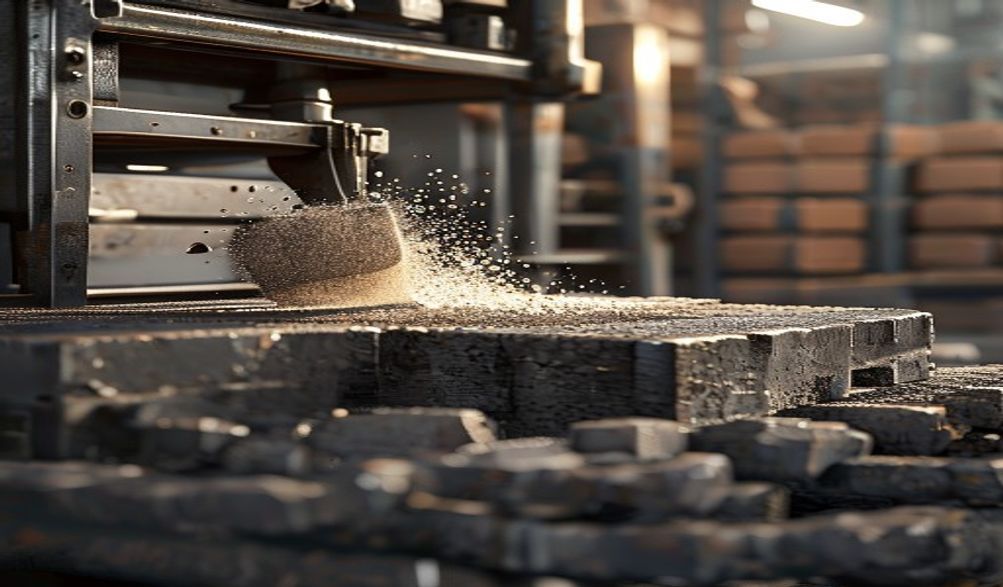
Cara Memilih Mesin Pembuat Bata: Panduan Pembeli yang Komprehensif
Pengenalan
Batu bata adalah blok asas pembinaan dunia kita, secara harfiahnya. Dari rumah dan sekolah ke jalan dan kompleks komersial, peranannya dalam pembinaan tidak dapat digantikan. Hari ini, peralihan daripada buruh manual kepada automasi dalam pengeluaran batu bata bukan sekadar satu trend—ia adalah revolusi dari segi kecekapan, kualiti, dan kebolehskalaan. Tetapi kemajuan ini menimbulkan cabaran kritikal: dengan pelbagai mesin yang memeningkan di pasaran, bagaimana anda memilihkananuntuk projek atau perniagaan khusus anda?
Panduan ini direka untuk memotong segala kekeliruan. Sebagai sumber pakar anda, kami memberikan nasihat berwibawa berasaskan pengalaman untuk membantu anda membuat pelaburan yang berinformasi dan yakin. Sama ada anda seorang kontraktor yang menguruskan pembangunan besar, pemilik perniagaan kecil yang ingin berkembang, atau penggemar DIY yang komited memulakan projek bina sendiri, memahami keperluan anda adalah langkah pertama.
Kami akan memandu anda melalui keseluruhan perjalanan membuat keputusan. Anda akan belajar cara menentukan skop projek, memahami jenis-jenis mesin teras, menilai spesifikasi teknikal kritikal, dan mengenal pasti faktor-faktor mutlak yang membezakan pelaburan bijak daripada kesilapan yang mahal. Mari kita mulakan dengan meletakkan asas: memahami dengan tepat apa yang anda perlukan.
Memahami Keperluan dan Skop Projek Anda
Sebelum anda melihat sebarang brosur mesin, anda mesti mempunyai kejelasan mutlak tentang keperluan anda sendiri. Audit dalaman ini adalah langkah paling penting dalam proses tersebut.
Menetapkan Matlamat Pengeluaran Anda
Mulakan dengan menanyakan diri anda beberapa soalan asas. Jawapan akan menentukan secara langsung saiz dan kapasiti mesin yang anda perlukan.
- Apakah keperluan bata harian atau mingguan anda?Projek sekali sahaja untuk rumah keluarga tunggal mempunyai keperluan yang jauh berbeza berbanding perniagaan bekalan berterusan.
- Adakah ini untuk projek terhad atau pengeluaran komersial yang berterusan?Kerja berasaskan projek mungkin mengutamakan fleksibiliti atau pilihan sewaan, manakala perniagaan menuntut kebolehpercayaan dan konsistensi output.
- Apakah trajektori pertumbuhan anda?Jika anda merancang untuk mengembangkan operasi, melabur dalam mesin yang mempunyai kapasiti sedikit lebih tinggi daripada keperluan semasa mungkin lebih menjimatkan dalam jangka panjang.
Impak:Memandang rendah keperluan output membawa kepada tarikh akhir yang terlepas dan kehilangan hasil. Berlebih-lebihan dalam anggaran membawa kepada perbelanjaan modal yang tidak perlu besar dan kos operasi yang lebih tinggi. Bersikap realistik tanpa berbelah bagi.
Jenis-jenis Bata dan Blok yang Anda Rancang untuk Dihasilkan
Tidak semua mesin menghasilkan semua jenis bata. Produk akhir yang anda inginkan menyempitkan pilihan dengan ketara.
- Blok Pejal & Blok Berongga:Asas pembinaan dinding. Blok berongga lebih ringan dan memberikan penebat yang lebih baik.
- Bata Paving (Pavers):Digunakan untuk jalan masuk, laluan pejalan kaki, dan patio. Memerlukan ketumpatan tinggi dan konsistensi warna yang tepat.
- Blok Saling Kunci:Direka untuk saling mengunci tanpa mortar, sesuai untuk dinding penahan dan beberapa sistem pembinaan.
- Bata Khas:Bata melengkung, berlubang, atau direka bentuk khas.
Pengambilan Utama:Jenis bata menentukan acuan mesin dan, seringkali, sistem pemadatannya. Mesin yang sempurna untuk blok pejal mungkin tidak mampu menghasilkan pavers berkualiti tinggi dan terperinci. Tentukan katalog produk anda dengan jelas terlebih dahulu.
Bahan Mentah Tersedia
Bahan tempatan anda adalah kekangan reka bentuk yang utama. Mesin mestilah serasi dengan input anda.
- Mesin Berasaskan SimenGunakan campuran simen, pasir, dan agregat (contohnya, batu hancur). Ini adalah biasa untuk mesin blok konkrit.
- Mesin Berasaskan Tanah Liat/Tanah:Gunakan tanah liat atau tanah yang diperoleh secara tempatan. Ini selalunya memerlukan ujian tanah untuk menentukan kesesuaian dan mungkin melibatkan proses pembakaran (untuk bata yang dibakar dalam tanur).
- Mesin Abu Terbang atau Bahan Kitar Semula:Pilihan mesra alam yang menggunakan hasil sampingan industri. Mesin tersebut mesti dapat mengendalikan sifat-sifat bahan tertentu ini.
Petua Profesional:Jika menggunakan tanah liat, lakukan ujian tanah. Untuk campuran konkrit, bangunkan reka bentuk campuran piawai. Penyediaan bahan mentah yang betul adalah 50% daripada penghasilan bata berkualiti.
Jenis Utama Mesin Pembuatan Bata
Machines are broadly categorized by their level of automation, which correlates directly with output, cost, and labor needs.
Mesin Pembuatan Batu Bata Manual
These are human-powered, lever-operated devices.
- Kelebihan: Extremely low initial cost, simple to understand, requires no electricity, portable.
- Keburukan: Highly labor-intensive, very low output, product consistency depends entirely on operator skill, physically demanding.
- Sesuai Untuk: Ultra-small-scale projects, remote locations with no power, NGOs in community development, or those with a very strict budget testing the waters.
Mesin Pembuatan Bata Semi-Automatik
These machines mechanize the critical compaction and molding process but require manual intervention for feeding raw material and removing finished bricks.
- Kelebihan: Excellent balance between output and cost. Significantly reduces labor compared to manual machines while being far more affordable than full automation. Good output consistency.
- Keburukan: Still requires several operators. Output is limited by the speed of manual handling.
- Sesuai Untuk: Small to medium-sized businesses, growing startups, contractors with multiple projects, and regions where labor is available but mechanization is desired for quality.
Mesin Membuat Bata Sepenuhnya Automatik
These are complete production lines. They automate feeding, mixing, molding, compaction, curing, and sometimes even stacking/palletizing with minimal human oversight.
- Kelebihan: Very high, consistent output. Superior and uniform product quality. Dramatically reduced labor costs per brick. High efficiency.
- Keburukan: Very high initial investment. Requires reliable power (often three-phase). Needs more sophisticated maintenance and technical know-how.
- Sesuai Untuk: Large-scale commercial plants, industrial production, municipal projects, and businesses focused on maximizing volume and minimizing unit cost.
Spesifikasi Teknikal Utama untuk Dinilai
Once you know the type of machine, dive into the specs. These numbers tell the real story.
Kapasiti Pengeluaran (Output per Jam/Hari)
Don’t just look at the “maximum” output in ideal conditions. Understand the practical output.
- Masa Kitaran: How many seconds does it take to produce one cycle of bricks?
- Bata setiap Kitaran: How many bricks (e.g., standard blocks) does it produce in that one cycle?
- Matching to Timeline: Calculate backwards from your project deadline. If you need 10,000 bricks in a month, a machine producing 500 bricks per 8-hour shift won’t suffice.
Pressure and Vibration System
This is the heart of the machine. It determines the brick’s strength, density, and surface finish.
- Mengapa Ia Penting: High pressure and efficient vibration force out air pockets, ensuring the mix is compacted uniformly. This leads to higher compressive strength and durability.
- Hidraulik vs. Mekanikal: Hydraulic systems offer more controllable and often higher pressure, leading to denser bricks. Mechanical systems can be robust but may offer less precise control.
Keperluan Kuasa dan Kos Operasi
The purchase price is just the beginning.
- Sumber Kuasa: Is it electric (single-phase or industrial three-phase) or diesel-powered? Diesel offers mobility and independence from the grid but has higher fuel costs. Three-phase electric is more efficient for large machines.
- Jumlah Kos Pemilikan (TCO): Factor in energy consumption, routine maintenance costs, spare parts, and labor. A cheaper machine with high energy consumption or frequent breakdowns becomes expensive quickly.
Mobility and Space Requirements
Where will the machine live and operate?
- Tumbuhan Stasioner: Fixed installations for high-volume production. Require a solid, level concrete foundation, significant floor space, and adequate ceiling height.
- Mesin Mudah Alih: Mounted on trailers. Excellent for contractors who need to move the machine between job sites. Compromise on ultimate output for flexibility.
- Logistics: Ensure your site has the access needed for delivery, installation, and raw material handling.
Beyond the Machine: Essential Factors for Success
The machine itself is only part of the equation. The company behind it and its build quality are what ensure long-term success.
Supplier Reputation and After-Sales Support
This is non-negotiable. A machine is a long-term investment, not a one-time purchase.
- Why E-E-A-T Matters: You need a supplier with PengalamandanKewibawaan. Look for companies with a long track record, verifiable customer testimonials, and a strong industry presence.
- Trust Checklist:
- Jaminan: What is covered and for how long?
- Alat Ganti: Are they readily available, and what is the lead time?
- Sokongan Teknikal: Do they offer phone, online, or on-site support?
- Pemasangan & Latihan: Will they commission the machine and train your operators?
Kualiti Pembinaan dan Ketahanan
Inspect the build like you would a piece of heavy equipment.
- Bahan-bahan: Look for high-grade steel in critical frames and components. Thicker steel and robust welding resist the constant stress of vibration.
- Signs of Quality: Precision machining, well-fitted components, quality paint or coating to prevent rust, and reputable brand-name parts for hydraulics and electrical systems.
- Signs of a Cheap Copy: Thin-gauge metal, rough welds, poorly aligned parts, and generic, unlabeled components.
Safety Features and Ease of Operation
Protect your most valuable asset: your people.
- Safety Must-Haves: Proper guarding on all moving parts, emergency stop buttons in accessible locations, and clear safety labels.
- Usability: Are the controls intuitive? Is there a clear operation manual? Good machine design minimizes complex procedures and potential for operator error.
Financial Considerations and ROI
Translate your technical choices into financial logic.
Budgeting: Initial Investment vs. Total Cost of Ownership
Create a comprehensive budget that includes all costs:
* Machine Price
* Shipping, Customs, and Delivery
* Installation and Foundation Work
* Initial Set of Spare Parts and Molds
* Raw Material Inventory
* Labor for Operation
* Estimated Monthly Power/Fuel Costs
Mengira Potensi Pulangan Pelaburan (ROI) Anda
A simple framework to gauge viability:
1. Estimate Annual Production Value: (Bricks produced per year) x (Selling price per brick).
2. Calculate Annual Operational Costs: Raw materials + labor + power + maintenance + other overheads.
3. Determine Annual Gross Profit: Production Value – Operational Costs.
4. Analyze Payback: (Total Initial Investment) / (Annual Gross Profit) = Simple Payback Period (in years).
Factors Influencing ROI: Local market demand and price for bricks, your production efficiency (reject rate), machine uptime/reliability, and your operational cost control.
Soalan Lazim (FAQ)
Q1: What is the average cost range for a brick making machine?
A: Prices vary dramatically. Manual machines can start from a few hundred dollars. Semi-automatic machines range from $5,000 to $50,000. Fully automatic production lines can start from $50,000 and go well into the hundreds of thousands. Always get detailed quotes based on your specific needs.
Q2: Can one machine produce different types/sizes of bricks?
A: Yes, through interchangeable molds. Most manufacturers offer a variety of mold sizes and designs. However, changing molds takes time and requires an additional investment in each mold set. Ensure the machine you choose has a versatile and accessible mold system.
Q3: How important is after-sales service when buying a machine?
A: It is absolutely crucial. A machine without reliable technical support and available spare parts can become a very expensive paperweight during a breakdown. Prioritize suppliers with a proven, responsive service network over a slightly cheaper price from an unknown vendor.
Q4: What are the most common maintenance tasks?
A: Regular cleaning to prevent material buildup, daily lubrication of moving parts, checking and changing hydraulic oil as recommended, and inspecting high-wear items like mold liners, mixer blades, and conveyor belts for damage.
Q5: How do I choose between a new and a used brick making machine?
A: A used machine offers a lower entry cost but carries risks: unknown maintenance history, potential wear, and often little to no warranty or support. If considering used, insist on a thorough inspection by a qualified technician, review maintenance logs, and try to see it running under load.
Kesimpulan
Choosing the right brick making machine is a strategic decision that blends technical understanding with clear business planning. Your journey should follow this path: start by deeply analyzing your own needs—your production scale, desired products, and available materials. Use that knowledge to navigate the world of machine types, from manual to fully automatic. Then, become a savvy evaluator of technical specifications, looking beyond marketing claims to pressure systems, power needs, and practical output.
Finally, and most importantly, conduct rigorous due diligence on the pembekal. Your partnership with them will define your experience for years to come. This comprehensive, research-driven approach is the hallmark of a trustworthy investment.
Your Next Step: Use this guide as a living checklist. Document your answers to each section. Then, contact 3-5 reputable suppliers with your specific requirements. Compare their proposals not just on price, but on how well they meet the criteria outlined here. The right machine is out there, ready to build your future, brick by brick.
<