
الدليل الشامل لمنصات نقل الطوب لآلات صناعة الطوب: الاختيار، الاستخدام، والصيانة
مقدمة
لقد قمت بتحسين خلطة الخرسانة، ومعايرة الاهتزاز، وصيانة النظام الهيدروليكي. ومع ذلك، لا تزال تواجه عوائق إنتاج محبطة: كتل بارتفاعات غير متسقة، وعيوب سطحية تؤدي إلى الرفض، أو تآكل غير متوقع في القالب. قبل أن تلوم الآلة نفسها، انظر إلى الأسفل. غالباً ما يكون الجاني هو المنصة المتواضعة التي تجلس تحت كل كتلة تنتجها – الباليت.
غالبًا ما يُعامل باعتباره مادة استهلاكية بسيطة، إلا أن منصة ماكينة صنع الطوب هي في الواقع مكون دقيق أساسي. يستخلص هذا الدليل من عقود من الخبرة الصناعية الجماعية، مدمجًا المعرفة المكتسبة بشق الأنفس من مصنعي الآلات، وخبراء أرضية الإنتاج، ومهندسي المواد. نحن هنا لنغير منظورك.
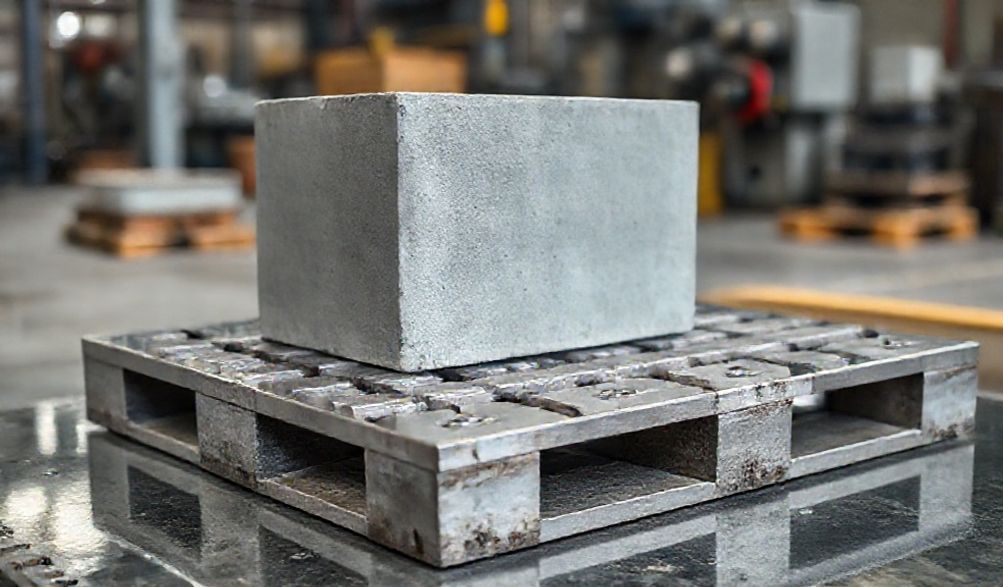
القالب الخاص بآلة تصنيع الطوب هو الصفيحة الفولاذية المتحركة الحاسمة التي يُصب عليها الخرسانة ويتم ضغطها ومعالجتها مبدئيًا. يشكل هذا القالب القاعدة الأساسية لمنتجك، حيث ينتقل خلال دورات الملء والضغط والإخراج في الماكينة قبل نقل الطوب غير المكتمل التصلب إلى منطقة المعالجة.
اختيار البالتة المناسبة وصيانتها ليس مهمة شراء ثانوية؛ بل هو استثمار مباشر في ربحية مصنعك، وجودة منتجك، وعمر آلاتك. فالاختيار الخاطئ للبالتة يضعف الهوامش بصمت من خلال الهدر، والتوقف عن العمل، والتآكل المتسارع. يقدم هذا الدليل الشامل رؤى قابلة للتطبيق لتحويل بالتاتك من مركز تكلفة إلى دعامة للإنتاج الموثوق. إذا كنت مالك مصنع طوب، أو مدير إنتاج، أو مشرف صيانة، أو مسؤول مشتريات، فإن المعلومات التالية موجهة إليك.
لماذا يعتبر اختيارك لمنصة ماكينة الطوب حاسماً لتحقيق الربحية
تجاهل منصاتك يشبه تجاهل فريق فورمولا 1 لإطارات سياراته. فهي نقطة الاتصال الوحيدة بين آلتك ومنتجك، وحالتها تحدد الأداء. مواصفات منصاتك لها عواقب مباشرة وقابلة للقياس على أرباحك النهائية.
تأثير على جودة المنتج واتساقه
جودة كتل البناء تعتمد فقط على جودة السطح الذي تشكلت عليه.
- الدقة الأبعاديةاستواء البالته أمر بالغ الأهمية. فالمنصة المشوهة أو المنخفضة الوسط ستنتج بلوكات متفاوتة الارتفاع وأبعادها خارج المواصفات. مما يؤدي إلى فشل فحوصات الجودة، وشكاوى العملاء بشأن صعوبة التركيب، وإهدار المنتج.
- تشطيب السطح والإطلاقتؤثر نسيج سطح البليت (المطحون الناعم، ذو الملمس الخفيف) بشكل مباشر على مدى نظافة انفصال البلوك بعد عملية الإخراج. فالسطح المثقب أو الخشن يمكن أن يتسبب في الالتصاق، مما يؤدي إلى تلف البلوك أو عيوب سطحية تظهر في المنتج النهائي.
- منع العيوب:يمكن أن تنشأ الشقوق أو العيوب في الواقع من البليت. فالسطح البالي بشدة أو تراكم البقايا الخرسانية يخلق دعمًا غير متساوٍ خلال مرحلة الضغط العالي، مما يولد نقاط إجهاد تظهر على شكل تشققات.
تأثير مباشر على صحة الماكينة وزمن التشغيل
البالتات الخاصة بك تحمي أصولك الأكثر قيمة - آلة تصنيع البلوك نفسها.
- تآكل متسارع:يقوم الباليت البالي غير المستوي بدور ورق الصنفرة ضد قاع القالب ورأس المكبس، مما يتسبب في تآكل مبكر لهذه المكونات الدقيقة باهظة الثمن، ويزيد أيضًا من الاحتكاك في سلاسل وبكرات الناقل.
- الاختلال والتوقفتشوه البليت أو تلف الحواف هو السبب الرئيسي للانسدادات في مجلة البليت أو أنظمة التغذية أو النقل. هذه التوقفات غير المخطط لها توقف خط الإنتاج بأكمله، مما يؤدي إلى خسائر كبيرة في الإنتاج واستكشاف الأخطاء وإصلاحها بشكل محموم.
التكاليف الخفية لاختيار البالتة الخاطئة
تتلاشى المدخرات الأولية الناتجة عن استخدام منصات رخيصة ومنخفضة الجودة بسرعة تحت التدقيق التشغيلي.
- زيادة النفايات:الالتصاق وعدم الدقة في الأبعاد يؤديان مباشرةً إلى كتل مكسورة أو خارج المواصفات يجب التخلص منها.
- ارتفاع تكاليف الصيانةالتكرار المتكرر لاستبدال القوالب ورؤوس الضغط وأجزاء الناقل بسبب التآكل المتسارع يصبح نفقة متكررة.
- دورات الاستبدال المتكررةالمنصة التي تستهلك في 6 أشهر تكون تكلفتها الإجمالية أعلى بكثير من المنصة الممتازة التي تدوم 3 سنوات، عند حساب وقت التوقف عن العمل للتغيير والتكاليف الإدارية للمشتريات.
- عدم كفاءة الطاقةفي بيئات المعالجة بالبخار، يؤدي انحناء المنصة إلى ضعف التلامس مع سرير المعالجة، مما يقلل من كفاءة نقل الحرارة وقد يؤدي إلى معالجة غير متساوية.
أنواع المنصات لآلات تصنيع البلوك: المواد والمواصفات
ليست جميع ألواح الصلب متساوية في الجودة. فهم علم المواد الكامن وراء خيارات المنصات الناقلة يتيح لك تحديد الأداة المناسبة لمهمتك.
المنصات الفولاذية القياسية: العمود الفقري للعمل
هذه هي المنصات الأكثر شيوعاً، والمصنوعة من ألواح فولاذية متينة مقاومة للتآكل.
- المواصفات النموذجية:مصنوعة من درجات مثل هاردوكس 400 أو AR400، بسمك يتراوح عادة من 6 مم إلى 12 مم، حسب حجم الماكينة ووزن الكتلة.
- مزايا: Excellent balance of durability and cost-effectiveness. They offer good impact resistance and heat transfer properties, making them suitable for high-volume production of standard blocks.
- سلبيات: While abrasion-resistant, they are not immune to wear and will gradually lose flatness. They are also susceptible to corrosion if exposed to moisture and the alkaline environment of concrete without protection.
Hardened & Ground Steel Pallets: For Precision & Longevity
This is the premium choice for operations focused on minimal downtime and superior product finish.
- العملية: After being cut to size, these pallets undergo a heat treatment (hardening) process, followed by precision grinding on large surface grinders. This creates an exceptionally hard, flat, and smooth surface.
- المزايا الرئيسية:
- Superior Wear Resistance: The hardened surface withstands abrasion far longer than standard steel, drastically extending service life.
- Exceptional Flatness Retention: They resist warping and dishing under cyclic loading, maintaining dimensional accuracy for your blocks over time.
- Smooth Block Release: The mirror-like ground finish provides an almost non-stick surface, reducing release agent needs and improving block bottom finish.
- الاستخدام المثالي: Essential for producing high-tolerance products like interlocking paving stones, architectural masonry, and any application where a perfect bottom finish is required.
Specialty & Coated Pallets
For specific environmental or production challenges, specialized pallets offer solutions.
- Galvanized or Painted Pallets: A zinc coating (galvanizing) or a robust industrial paint system provides a barrier against corrosion. This is crucial for plants in coastal/humid regions or those using accelerants or mix designs that are particularly corrosive.
- Non-Stick Coatings: Applied over steel, coatings like PTFE (Teflon) or specialized polymers create a surface to which concrete minimally adheres. These are valuable for intricate mold designs with deep ribs or for mixes that are prone to sticking, though they may wear over time and require re-coating.
Key Specifications to Specify When Ordering
Never just order a “steel plate.” Provide a detailed specification sheet to your supplier.
- الأبعاد: Exact length, width, and thickness. Include permissible tolerances (e.g., ±0.2mm on thickness).
- Flatness Tolerance: The most critical spec. Usually expressed as a deviation over a length (e.g., “±0.5mm over any 1-meter span”).
- تشطيب السطح: Specify “Precision Ground,” “Milled,” or “As-rolled.” For ground pallets, you may specify a surface roughness (Ra) value.
- Hardness: Define the Brinell Hardness Number (BHN). For example, AR400 has a nominal hardness of 400 BHN.
- Edge Preparation: Require all edges to be deburred, beveled, or radiused. Sharp edges are a safety hazard, damage conveyor guides, and can chip easily.
How to Select the Right Pallet for Your Machine and Product Mix
Selecting a pallet is a three-part equation: your machine’s requirements, your product’s demands, and your plant’s environment.
Matching Pallet to Machine Model
This is non-negotiable. Your block machine is engineered for a specific pallet profile.
- Consult the Manual: The manufacturer’s manual provides the exact dimensions, thickness, and maximum weight specifications. Deviating from these can void warranties and cause mechanical failure.
- Weight Matters: The machine’s pallet feeder, elevator, and turnover systems are designed for a specific weight range. A pallet that is too heavy can overload drives and cause misalignment.
Matching Pallet to Your Block Products
Different products exert different stresses on a pallet.
- الطوب المجوف القياسي Create a concentrated wear pattern along the outer edges of the mold. A durable, abrasion-resistant steel is key.
- Dense Pavers or Solid Blocks: Apply pressure more evenly across the entire pallet surface. Flatness retention under full-area compression is the critical factor here.
- Abrasive Mixes: If your mix contains industrial by-products like slag or certain manufactured aggregates, the abrasiveness skyrockets. This is a strong case for investing in the hardest, most wear-resistant pallet you can justify.
Evaluating Your Production Environment
The atmosphere in your plant plays a role in pallet longevity.
- Humidity & Corrosion Risk: Assess your climate and indoor humidity. If rust is a frequent sight, prioritize coated or galvanized pallets, or commit to a rigorous protective maintenance routine.
- Cleaning Processes: Do you use high-pressure water jets for cleaning? This forceful, concentrated water can accelerate corrosion if pallets are not dried and treated afterward. It can also damage non-stick coatings.
Best Practices for Pallet Maintenance & Maximizing Lifespan
A premium pallet is an investment; proper maintenance is the insurance policy. A simple, consistent routine can double or triple a pallet’s service life.
Daily & Weekly Inspection Routines
Catch problems early, before they damage blocks or the machine.
- Visual Checklist: Each shift, operators should quickly look for:
- Warping/Bowing: Sight down the length of the pallet.
- Edge Damage: Dings, curls, or cracks on the edges.
- Surface Pitting: Signs of corrosion or impact damage.
- Concrete Buildup: Residual “packing” on the surface.
- The Straightedge Test: Weekly, use a precision straightedge and a feeler gauge to check flatness. Document any pallets exceeding your flatness tolerance (e.g., >1mm gap).
Proper Cleaning Techniques
Remove concrete residue without damaging the pallet.
- Immediate Removal: Scrape off wet concrete buildup promptly before it cures.
- For Cured Residue: Use a plastic or nylon scraper. Avoid aggressive steel wire brushes, which score the surface and create grooves that promote sticking.
- Chemical Cleaners: If needed, use a mild, acidic concrete dissolver, but ensure it is compatible with your pallet’s material/coating and rinse thoroughly.
Correct Handling & Storage
Most physical damage occurs off the machine.
- Never Drop or Drag: Use designated pallet carts. Dropping pallets onto concrete floors is a surefire way to cause warping and edge damage.
- Flat, Dry Storage: When not in use, store pallets in a clean, dry area. Stack them flat on a level surface with support across their full area to prevent sagging.
When to Repair vs. Replace
Knowing when to retire a pallet saves money in the long run.
- Signs for Replacement:
- Excessive warping that cannot be corrected in a press (>3mm deviation).
- Deep grooves or scoring that affects block release.
- Severe corrosion that has pitted through the material, compromising structural integrity.
- Consider Repair/Refurbishment: For high-quality hardened pallets that have lost flatness or surface finish but are not deeply worn, professional re-grinding by a specialized workshop can be a cost-effective way to restore them to like-new condition, extending their life significantly.
Frequently Asked Questions (FAQ) About Block Machine Pallets
Q1: How often should I replace my block machine pallets?
أ: There is no universal timeline. Replacement should be driven by condition, not calendar. A well-maintained hardened pallet in a low-abrasion environment could last 5+ years. A standard pallet in high-volume, abrasive production might need replacement in 12-18 months. Let your weekly inspection and flatness tests dictate the schedule.
Q2: Can I use a thicker pallet than what my machine manual specifies?
أ: It is strongly discouraged without explicit written approval from the machine manufacturer. A thicker pallet may not fit in the magazine, can overload the elevator and drive mechanisms, and critically, it can alter the compression stroke distance, leading to under-compacted blocks or machine damage.
Q3: Why are my blocks sticking to the pallet?
أ: Sticking is a common symptom with multiple potential causes. Diagnose in this order:
1. Pallet Surface: Is it pitted, rough, or contaminated with old buildup? Refurbish or replace.
2. تصميم الخلطة: Is the mix too wet or has a high fines content? Adjust the water-cement ratio.
3. Release Agent: Are you using one? Is it applied correctly and at the right dosage?
4. Machine Process: Is the vibration time and pressure sufficient for proper compaction and release?
Q4: Is it worth investing in more expensive hardened pallets?
أ: Analyze it through التكلفة الإجمالية للملكية (TCO). While hardened pallets can cost 2-3x more upfront, consider:
* They last 3-5x longer than standard pallets.
* They drastically reduce downtime for pallet changes and machine wear.
* They improve product quality and reduce waste.
For high-volume or precision-focused plants, the math almost always favors hardened pallets in the long run.
Q5: How can I prevent my steel pallets from rusting?
أ: A proactive approach is key:
1. Clean Thoroughly & Dry: After washing, ensure pallets are completely dry before storage.
2. Apply a Protective Film: During weekend shutdowns or extended inactivity, lightly spray or wipe pallet surfaces with a thin layer of a water-displacing, rust-inhibitive oil (ensure it’s compatible with concrete and won’t affect curing).
3. Control Storage Environment: Keep spare pallets in a dry, covered area off damp floors.
خاتمة
The pallet for your block making machine is far more than a simple slab of steel. It is a precision-engineered component that sits at the heart of your production quality, efficiency, and cost control. Treating it as a disposable commodity is one of the most common and costly oversights in block manufacturing.
The strategic choice is clear: prioritize quality, correct specifications, and a partnership with a reputable supplier who understands the demands of block production over the temptation of the lowest upfront cost. Your pallets should be an asset you manage, not an expense you dread.
Your Call to Action: This week, conduct a pallet audit. Pull 10-20 pallets from your line at random. Perform the straightedge test. Inspect for wear and damage. You may uncover the root cause of persistent production issues. For specific guidance, contact your machine’s OEM or consult with a trusted, specialized pallet manufacturer for a professional assessment of your needs.
By mastering the selection, use, and maintenance of your pallets, you pave the way for a smoother, more profitable, and sustainable block production operation for years to come.
<