
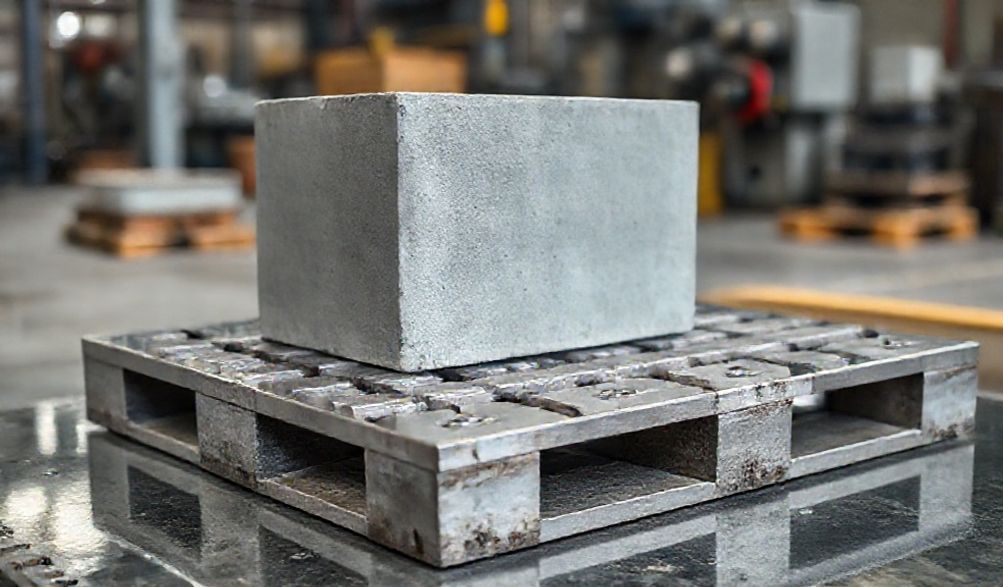
Inshinga y'ingenzi yo Gukoresha Ibipangurura bya Machine z'Ububiko bw'Amabuye: Guhitamo, Ukoresha n'Ikoranabuhanga
Intangamarara
Wahindutse umusaruro wa sima, wahinduze igipimo cya vibration, kandi wahinduye sisitemu ya hydrolique. Ariko, ukiri guhangana n’ibibazo by’umusaruro bishimisha: ibikoresho bya sima bifite uburebure butanyuze, ibimenyetso ku nsobe biganisha ku guca inyuma, cyangwa gukendera gutunguranye kwa moule. Mbere yo guhanahanira umushini ubwawo, reba hasi. Ikibazo kiba cyane cyane ari urwego rw’ibikoresho ruri munsi y’ikibaho cya sima cyose ukora—paleti.
Bisanzwe bikunze kurebwa nk’ibikoresho byoroshye, paleti ya mashini y’ububiko mu by’ukuri ni igice cy’ingenzi cyane kandi gikenewe neza. Iyi rukuruzi yakuwe mu mbaraga z’abafatanyabikorwa mu bukungu, izanyuzwe mu bumenyi bw’abahanga mu gukora mashini, abakoze kumwuga igihe kirekire, ndetse n’abahanga mu by’ubwubatsi. Tuguhaye iyi nkuru kugira ngo dusobanukirwe neza uko paleti iba ingenzi mu gukora amaboko.
Imashini y'ibikoresho by'ibikomoka by'amabuye y'urugomero ni ipaletire y'ibikoresho by'ibikomoka by'amabuye y'urugomero, ikaba ari ipaletire y'ibikoresho by'ibikomoka by'amabuye y'urugomero ikoreshwa mu gukora ibikomoka by'amabuye y'urugomero. Iyi paletire ni ishingiro ry'ibikomoka by'amabuye y'urugomero, ikagenda mu mashini mu gihe cyo gukora, gukora, no gusohora ibikomoka by'amabuye y'urugomero mbere yo kuyitwara aho bizakorwa.
Guhitamo no kurinda ipalet nziza ntacyo ari igikorwa cyo gucuruza kidafite agaciro; ni investisimenti ituje mu kuzamura inyungu z’uruganda rwawe, ubwiza bw’ibicuruzwa, no kubana igihe kirekire cy’imashini. Guhitamo ipalet mbi bigira ingaruka mbi mu nyungu mu buryo butagaragara, biterwa no kubura akazi, igihe cyo guhagarika umurimo, no kwiyongera kw’ubukana bw’imashini. Iyi rwego nyayo itanga inzira z’ibikorwa by’ukuri zo guhindura ipalet yawe kuva aho yari ari ishyirwaho ry’amafaranga ngo ibe umushinga w’ihariye w’umurimo wizewe. Niba uri nyir’uruganda, umuyobozi w’umurimo, umukoresha w’ubunyamabanga, cyangwa umuyobozi w’ubucuruzi, amakuru akurikira ari yawe.
Kuki Gutoro rya Paleti ya Machine ya Block ari ngombwa mu Kongera Inyungu
Kureka amapalet yawe ni nk'itsinda rya Formula 1 rikureka amapine yaryo. Ni yo nzira imwe gusa isanga ikoranabuhanga n'ibicuruzwa byawe, kandi imiterere yayo itanga ibisobanuro ku bikorwa. Ibisobanuro by'amapalet yawe bifite ingaruka ziboneka neza ku mibereho yawe y'ubucuruzi.
Ingaruka ku Bwiza bw' Ibicuruzwa no Kuboneka bya Buri gihe
Ubwiza bw'amabuye yanyu ni nk'ubwiza bw'ahantu yateguweho.
- Ubwiza bw’ingano:Ubuso bw'iparike bugomba kuba busesuye. Iparike itari imotoye neza izana ibikoresho byo gukora amabara byagutse mu buryo butandukanye kandi bigakabya ibipimo byagenwe. Ibyo bigatera guhagarika ibikoresho mu gihe cyo gusuzuma ubwiza, abakiriya bagakwemerera ibibazo byo gushyiraho, ndetse n'ibikoresho byangiritse.
- Gukora Imbere & KurekuraUbuso bw’iparike (bworoheje, bufite imiterere idasobanutse) buhora bugira ingaruka z’uko umwobo uturuka neza nyuma yo gusohora. Ubuso bwanduye cyangwa bukabije bushobora gutuma umwobo ukomeza, bigatuma uwo mwobo ubonamo ubwonko cyangwa imiterere idasobanutse iboneka mu mwobo wanyuma.
- Gukumira Amakemwa:Imenyo cyangwa ibibagiza byashobora kuba byaturutse ku gikoresho cyo guterura. Ubuso bwangiritse cyane cyangwa urusengero rw'amabuye rwiyongereye rutera ubufasha butarangana mu gihe cyo gukomeza kandi gukanda kwa pressure nini, bikavamo ingorane ziyongera zigaragara nk'imenyo.
Influence Y’ikoreshwa ry’imashini & Igihe cyo Gukora
Ibiyiko byawe birinda ibyiza byawe by'ingirakamaro—mashini yo gukora ibyumba.
- Kwiyongera Kwangirika:Pallet isaze cyane, itaringanije ikora nk'imashini ya sandpaper ku gice cy'inyuma cy'ikinyabiziga ndetse n'umutwe wa presi. Bitera kurangara kare ku bice bikomeye kandi byihutirwa. Ndetse byongera isuri ku munyuriro wa conveyor n'amaguru yayo.
- Kutabanguka no GufungaKugorora cyangwa kwangirika kw’impande z’ikamba n’impamvu nyamukuru itera inzitizi mu mugambi w’amakamba, mu kugaburira, cyangwa mu gusimbuza. Izi nzitizi zitateganijwe zihagarika umurongo wose w’umusaruro, biganisha ku gupfa kwinshi mu musaruro no gukora ubushakashatsi bw’ikidandanda.
Ingendo z’Ububiko Zihishwa zo Gukoresha Pallet Idahuje
Kubungabunga amafaranga yabanje kuva kuri pallet ihendutse, idahagije, birahunga vuba iyo hasuzumwa imikorere.
- Kwangira mu myanda.Kugumira no kudakora neza mu bipimo bitera mo ibice byavunitse cyangwa bitagize ibipimo byagenwe, bikaba ngombwa ko bitabwe.
- Kubunguka Kw’ibiciro Byo GukurikiranaGusimbura inshinge, imitwe yo gutera, n'ibice bya conveyer kenshi kubera ko byangirika vuba, bihinduka ikiguzi gikomeza kugaruka.
- Kubyutsa Kenshi:Pallet ishaje nyuma y'amezi 6 ifite ikiguzi kinini cyane ugereranyije na pallet y’umwimerere imara imyaka 3, iyo urebye igihe cyo guhagarika umurimo kugira ngo uhinduwe n’ibiciro byo kubona ibikoresho.
- Ubushobozi bwo Gukoresha Amashanyarazi nta Gaciro.Mu nzego zo gukora umwotsi, pallet ihindagurika igira ihuriro ridahagije n'intebe yo gukoresha umwotsi, bigatuma ubushyuhe butagenda neza kandi bikaba bishobora gutera gukora umwotsi mu buryo butandukanye.
Types of Pallets for Block Making Machines: Materials & Specifications
Not all steel plates are created equal. Understanding the material science behind pallet options allows you to specify the right tool for your job.
Standard Steel Pallets: The Workhorse
These are the most common pallets, made from durable, abrasion-resistant steel plate.
- Typical Specs: Made from grades like Hardox 400 or AR400, with thicknesses typically ranging from 6mm to 12mm, depending on machine size and block weight.
- Inziza: Excellent balance of durability and cost-effectiveness. They offer good impact resistance and heat transfer properties, making them suitable for high-volume production of standard blocks.
- Ibibi: While abrasion-resistant, they are not immune to wear and will gradually lose flatness. They are also susceptible to corrosion if exposed to moisture and the alkaline environment of concrete without protection.
Hardened & Ground Steel Pallets: For Precision & Longevity
This is the premium choice for operations focused on minimal downtime and superior product finish.
- Uburyo: After being cut to size, these pallets undergo a heat treatment (hardening) process, followed by precision grinding on large surface grinders. This creates an exceptionally hard, flat, and smooth surface.
- Inziza Nkuru:
- Superior Wear Resistance: The hardened surface withstands abrasion far longer than standard steel, drastically extending service life.
- Exceptional Flatness Retention: They resist warping and dishing under cyclic loading, maintaining dimensional accuracy for your blocks over time.
- Smooth Block Release: The mirror-like ground finish provides an almost non-stick surface, reducing release agent needs and improving block bottom finish.
- Ibyiza byo gukoresha: Essential for producing high-tolerance products like interlocking paving stones, architectural masonry, and any application where a perfect bottom finish is required.
Specialty & Coated Pallets
For specific environmental or production challenges, specialized pallets offer solutions.
- Galvanized or Painted Pallets: A zinc coating (galvanizing) or a robust industrial paint system provides a barrier against corrosion. This is crucial for plants in coastal/humid regions or those using accelerants or mix designs that are particularly corrosive.
- Non-Stick Coatings: Applied over steel, coatings like PTFE (Teflon) or specialized polymers create a surface to which concrete minimally adheres. These are valuable for intricate mold designs with deep ribs or for mixes that are prone to sticking, though they may wear over time and require re-coating.
Key Specifications to Specify When Ordering
Never just order a “steel plate.” Provide a detailed specification sheet to your supplier.
- Ubunini: Exact length, width, and thickness. Include permissible tolerances (e.g., ±0.2mm on thickness).
- Flatness Tolerance: The most critical spec. Usually expressed as a deviation over a length (e.g., “±0.5mm over any 1-meter span”).
- Guhagarika hejuru: Specify “Precision Ground,” “Milled,” or “As-rolled.” For ground pallets, you may specify a surface roughness (Ra) value.
- Hardness: Define the Brinell Hardness Number (BHN). For example, AR400 has a nominal hardness of 400 BHN.
- Edge Preparation: Require all edges to be deburred, beveled, or radiused. Sharp edges are a safety hazard, damage conveyor guides, and can chip easily.
How to Select the Right Pallet for Your Machine and Product Mix
Selecting a pallet is a three-part equation: your machine’s requirements, your product’s demands, and your plant’s environment.
Matching Pallet to Machine Model
This is non-negotiable. Your block machine is engineered for a specific pallet profile.
- Consult the Manual: The manufacturer’s manual provides the exact dimensions, thickness, and maximum weight specifications. Deviating from these can void warranties and cause mechanical failure.
- Weight Matters: The machine’s pallet feeder, elevator, and turnover systems are designed for a specific weight range. A pallet that is too heavy can overload drives and cause misalignment.
Matching Pallet to Your Block Products
Different products exert different stresses on a pallet.
- Amakara y'ibyumba asanzwe: Create a concentrated wear pattern along the outer edges of the mold. A durable, abrasion-resistant steel is key.
- Dense Pavers or Solid Blocks: Apply pressure more evenly across the entire pallet surface. Flatness retention under full-area compression is the critical factor here.
- Abrasive Mixes: If your mix contains industrial by-products like slag or certain manufactured aggregates, the abrasiveness skyrockets. This is a strong case for investing in the hardest, most wear-resistant pallet you can justify.
Evaluating Your Production Environment
The atmosphere in your plant plays a role in pallet longevity.
- Humidity & Corrosion Risk: Assess your climate and indoor humidity. If rust is a frequent sight, prioritize coated or galvanized pallets, or commit to a rigorous protective maintenance routine.
- Cleaning Processes: Do you use high-pressure water jets for cleaning? This forceful, concentrated water can accelerate corrosion if pallets are not dried and treated afterward. It can also damage non-stick coatings.
Best Practices for Pallet Maintenance & Maximizing Lifespan
A premium pallet is an investment; proper maintenance is the insurance policy. A simple, consistent routine can double or triple a pallet’s service life.
Daily & Weekly Inspection Routines
Catch problems early, before they damage blocks or the machine.
- Visual Checklist: Each shift, operators should quickly look for:
- Warping/Bowing: Sight down the length of the pallet.
- Edge Damage: Dings, curls, or cracks on the edges.
- Surface Pitting: Signs of corrosion or impact damage.
- Concrete Buildup: Residual “packing” on the surface.
- The Straightedge Test: Weekly, use a precision straightedge and a feeler gauge to check flatness. Document any pallets exceeding your flatness tolerance (e.g., >1mm gap).
Proper Cleaning Techniques
Remove concrete residue without damaging the pallet.
- Immediate Removal: Scrape off wet concrete buildup promptly before it cures.
- For Cured Residue: Use a plastic or nylon scraper. Avoid aggressive steel wire brushes, which score the surface and create grooves that promote sticking.
- Chemical Cleaners: If needed, use a mild, acidic concrete dissolver, but ensure it is compatible with your pallet’s material/coating and rinse thoroughly.
Correct Handling & Storage
Most physical damage occurs off the machine.
- Never Drop or Drag: Use designated pallet carts. Dropping pallets onto concrete floors is a surefire way to cause warping and edge damage.
- Flat, Dry Storage: When not in use, store pallets in a clean, dry area. Stack them flat on a level surface with support across their full area to prevent sagging.
When to Repair vs. Replace
Knowing when to retire a pallet saves money in the long run.
- Signs for Replacement:
- Excessive warping that cannot be corrected in a press (>3mm deviation).
- Deep grooves or scoring that affects block release.
- Severe corrosion that has pitted through the material, compromising structural integrity.
- Consider Repair/Refurbishment: For high-quality hardened pallets that have lost flatness or surface finish but are not deeply worn, professional re-grinding by a specialized workshop can be a cost-effective way to restore them to like-new condition, extending their life significantly.
Frequently Asked Questions (FAQ) About Block Machine Pallets
Q1: How often should I replace my block machine pallets?
A: There is no universal timeline. Replacement should be driven by condition, not calendar. A well-maintained hardened pallet in a low-abrasion environment could last 5+ years. A standard pallet in high-volume, abrasive production might need replacement in 12-18 months. Let your weekly inspection and flatness tests dictate the schedule.
Q2: Can I use a thicker pallet than what my machine manual specifies?
A: It is strongly discouraged without explicit written approval from the machine manufacturer. A thicker pallet may not fit in the magazine, can overload the elevator and drive mechanisms, and critically, it can alter the compression stroke distance, leading to under-compacted blocks or machine damage.
Q3: Why are my blocks sticking to the pallet?
A: Sticking is a common symptom with multiple potential causes. Diagnose in this order:
1. Pallet Surface: Is it pitted, rough, or contaminated with old buildup? Refurbish or replace.
2. Mix Design: Is the mix too wet or has a high fines content? Adjust the water-cement ratio.
3. Release Agent: Are you using one? Is it applied correctly and at the right dosage?
4. Machine Process: Is the vibration time and pressure sufficient for proper compaction and release?
Q4: Is it worth investing in more expensive hardened pallets?
A: Analyze it through Igiciro Cyose Cy'Umwihariko (TCO). While hardened pallets can cost 2-3x more upfront, consider:
* They last 3-5x longer than standard pallets.
* They drastically reduce downtime for pallet changes and machine wear.
* They improve product quality and reduce waste.
For high-volume or precision-focused plants, the math almost always favors hardened pallets in the long run.
Q5: How can I prevent my steel pallets from rusting?
A: A proactive approach is key:
1. Clean Thoroughly & Dry: After washing, ensure pallets are completely dry before storage.
2. Apply a Protective Film: During weekend shutdowns or extended inactivity, lightly spray or wipe pallet surfaces with a thin layer of a water-displacing, rust-inhibitive oil (ensure it’s compatible with concrete and won’t affect curing).
3. Control Storage Environment: Keep spare pallets in a dry, covered area off damp floors.
Ibyo byose
The pallet for your block making machine is far more than a simple slab of steel. It is a precision-engineered component that sits at the heart of your production quality, efficiency, and cost control. Treating it as a disposable commodity is one of the most common and costly oversights in block manufacturing.
The strategic choice is clear: prioritize quality, correct specifications, and a partnership with a reputable supplier who understands the demands of block production over the temptation of the lowest upfront cost. Your pallets should be an asset you manage, not an expense you dread.
Your Call to Action: This week, conduct a pallet audit. Pull 10-20 pallets from your line at random. Perform the straightedge test. Inspect for wear and damage. You may uncover the root cause of persistent production issues. For specific guidance, contact your machine’s OEM or consult with a trusted, specialized pallet manufacturer for a professional assessment of your needs.
By mastering the selection, use, and maintenance of your pallets, you pave the way for a smoother, more profitable, and sustainable block production operation for years to come.
<