
الدليل الشامل لصناعة آلة الطوب المتشابك: من الفكرة إلى البناء
تخيل بناء منزل متين وجميل دون الحاجة إلى ملاط باهظ الثمن أو بنائين ذوي مهارات عالية. ماذا لو كانت الطوب نفسها تتشابك معًا مثل قطع الأحجية، مكونة هياكل ليست فعالة التكلفة فحسب، بل شديدة المرونة أيضًا؟ هذا ليس مفهومًا مستقبليًا — إنه الواقع الذي تقدمه الطوب المتشابك، وهي مادة بناء ثورية تغير قواعد اللعبة في البناء حول العالم.
في صميم هذا الابتكار تكمن أداة قوية: ماكينة الطوب المتشابك. هذا الدليل هو خارطة طريقك الشاملة. سواء كنت رائد أعمال تتطلع إلى فرصة تجارية مربحة، أو بناءً يبحث عن طرق أكثر كفاءة، أو هاوياً متحمساً يحلم ببناء مساحتك الخاصة، فإن فهم هذه الآلة هو الخطوة الحاسمة الأولى. سنكشف الغموض عن العملية بأكملها، من الوظيفة الأساسية للآلة إلى الجدار النهائي، مما يزودك بالمعرفة اللازمة لاتخاذ قرارات مستنيرة وإطلاق إمكانات البناء المستدام.
ما هي آلة الطوب المتشابك؟
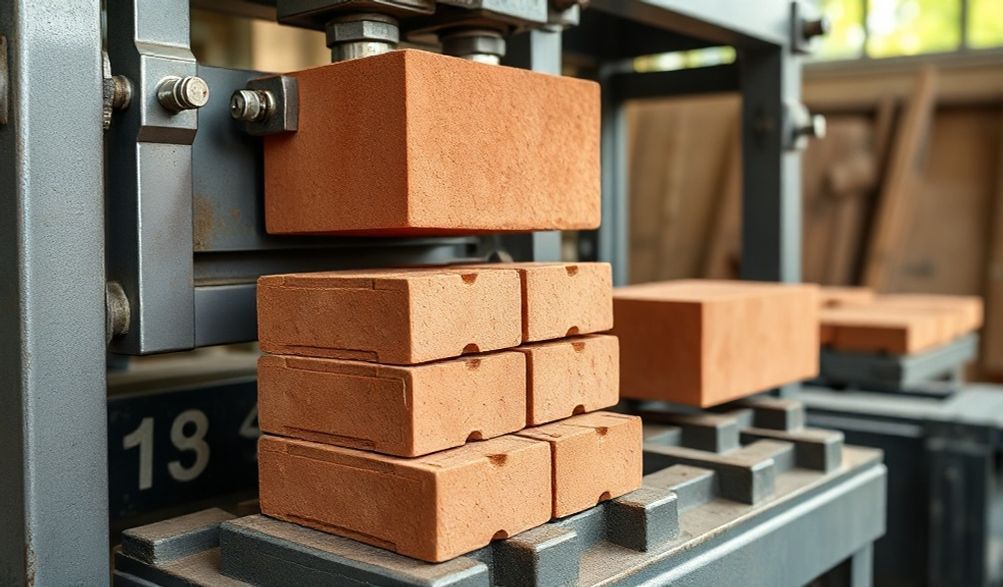
آلة الطوب المتشابك هي قطعة متخصصة من المعدات مصممة لتصنيع طوب البناء بميزة تصميم فريدة: أخاديد ونتوءات متكاملة. على عكس الطوب التقليدي الذي يعتمد كليًا على الملاط للربط، فإن هذه الطوب مصممة هندسيًا لتتلاءم بإحكام معًا، مما يخلق هيكلاً متشابكًا مستقرًا.
الوظيفة الأساسية والمبدأ
المبدأ الأساسي هو الضغط. فالماكينة، سواء كانت تعمل بأنظمة هيدروليكية، أو رافعة ميكانيكية، أو قوة يدوية، تُطبق ضغطًا هائلًا على مزيج محدد من المواد الخام. هذا الإجراء يضغط التربة والرمل ونسبة صغيرة من الأسمنت إلى كتلة كثيفة وصلبة. يحدث السحر داخل قالب دقيق، لا يشكل فقط أبعاد الطوبة، بل أيضًا نمطها المتشابك المتطور في الأعلى والأسفل والجوانب. غالبًا ما يُطلق على هذه العملية اسم تصنيع "الطوب الأرضي المضغوط" أو "الطوب الترابي المثبت".
المنتج النهائي: الطوب المتشابك
الطوب المنتج هو نجم العرض. تتميز هذه القطعة بقدرتها على التثبيت بإحكام مع القطع المجاورة، تمامًا مثل قطع الليغو. هذا التصميم يلغي الحاجة إلى استخدام الملاط الرطب في الوصلات الرأسية، مما يؤدي إلى ميزتين رئيسيتين:
* سرعة البناء:ترتفع الجدران بشكل أسرع بكثير حيث يبسط آلية القفل عملية المحاذاة ويقلل من الخطوات اللازمة لوضع كل طوبة.
* بساطة البناءيسمح بعملية بناء أقل كثافة في العمالة، مما يجعلها متاحة حتى مع العمالة شبه الماهرة.
أنواع آلات الطوب المتشابك
اختيار الآلة المناسب يعتمد كليًا على حجم عملك، وميزانيتك، وأهداف الإنتاج. يقدم السوق طيفًا واسعًا يتراوح من المكابس البسيطة التي تعمل بالطاقة البشرية إلى الأنظمة الصناعية المؤتمتة بالكامل.
آلات الطوب المتشابك اليدوية
هذه هي نقطة الدخول الأكثر سهولة إلى عالم صناعة الطوب المتشابك.
* العملية:يعتمد بشكل كامل على العمالة البشرية، وعادةً ما يستخدم نظام رافعة أو رافعة هيدروليكية لتوليد قوة الضغط.
* الإخراج:مثالي للإنتاج على نطاق صغير، غالبًا ما يتراوح بين 200 إلى 500 طوبة يوميًا، اعتمادًا على المشغل.
* التكلفة وحالة الاستخدام:هم الخيار الأكثر تكلفة معقولة. مثاليون لمشاريع "اصنعها بنفسك"، والمباني المجتمعية، والشركات الناشئة الصغيرة جداً، أو لإنتاج الطوب لمنزل واحد. تكلفتهم المنخفضة وقابليتهم للنقل هي نقاط قوتهم الكبرى.
آلات الطوب المتشابكة شبه الأوتوماتيكية
هذه الفئة تحقق توازنًا بين الأتمتة والتكلفة، مما يوفر تحسينًا كبيرًا في كفاءة الإنتاج.
* العملية:غالبًا ما تتميز هذه الآلات بنظام هيدروليكي يعمل بالكهرباء أو الديزل يقوم بأتمتة دورة الضغط. بينما قد يظل تحميل المواد الخام وإزالة الطوب النهائي يدويًا.
* الإخراج: Can produce between 1,000 to 3,000 bricks per 8-hour shift, ensuring much greater consistency than manual models.
* التكلفة وحالة الاستخدام: A mid-range investment suited for small to medium businesses, construction companies, or social housing projects that require reliable, higher-volume output.
Fully Automatic Interlocking Brick Machines
These are the powerhouses of interlocking brick production, designed for maximum output with minimal manual intervention.
* العملية: Fully computerized systems that automate the entire process: feeding raw material, mixing (if integrated), compression, molding, and even stacking the finished bricks on pallets.
* الإخراج: Designed for large-scale commercial production, capable of producing 5,000 to 10,000+ bricks per day.
* التكلفة وحالة الاستخدام: Represents a major industrial investment. Ideal for established brick-making businesses, large construction firms, or entrepreneurs aiming to dominate a regional market with high-volume supply.
The Manufacturing Process: How These Machines Make Bricks
Producing high-quality interlocking bricks is a straightforward but precise process. Consistency at each stage is key to achieving strong, durable blocks.
إعداد المواد الخام
The foundation of a good brick is the right mix. Not all soil is suitable.
* The Ideal Mix: A blend of approximately 60-75% sandy soil or laterite, 20-30% sharp sand, and 5-10% cement (for stabilized blocks). The exact ratio requires local testing.
* Screening & Moisture: The soil must be sieved to remove stones, roots, and organic matter. The moisture content is critical—typically around 10-12%. A simple test: the mixture should hold its shape when squeezed in your fist but crumble when poked.
The Compression and Molding Stage
This is where the machine performs its core function.
1. The prepared mix is fed into the machine’s mold box.
2. A hydraulic ram or mechanical press exerts tremendous pressure (often measured in tons) onto the material.
3. This pressure compacts the particles, eliminating air voids and creating a dense matrix.
4. Simultaneously, the mold imparts the precise interlocking shape—the tongues and grooves—onto the brick.
5. The compressed brick is then ejected, ready for curing.
Curing and Quality Control
Freshly pressed bricks are strong but need time to reach their full potential.
* التداوي The bricks are stacked and kept damp for 7-14 days. This allows the cement (if used) to hydrate fully and develop strength. Sun-drying is common, but light water sprinkling improves the cure.
* Quality Tests:
* Drop Test: Drop a cured brick from waist height onto a hard surface. A good brick should not break.
* Compression Test: More formally, bricks can be tested in a lab to determine their load-bearing capacity, which often exceeds standard fired clay bricks.
المزايا الرئيسية لاستخدام ماكينة تصنيع الطوب المتشابك
The advantages extend far beyond the simple brick, impacting economics, structural integrity, and the environment.
Economic Advantages
- Lower Construction Costs: Drastic reduction in mortar use (up to 70% less) and the need for highly skilled masons.
- السرعة Walls can be laid 3-5 times faster than conventional brickwork, reducing labor costs and project timelines.
- عائد استثمار مرتفع: For entrepreneurs, the low cost of raw materials (often locally sourced soil) versus the market value of finished bricks creates a healthy profit margin.
Structural and Environmental Benefits
- Earthquake Resistance: The interlocking design provides a degree of flexibility and mechanical bonding, allowing structures to better withstand seismic loads.
- العزل الحراري: The dense earth blocks have excellent thermal mass, keeping interiors cool in summer and warm in winter.
- الاستدامة: The process uses local soil, minimizes cement consumption, and requires no firing—eliminating deforestation for firewood and reducing carbon emissions.
Entrepreneurial Opportunity
An interlocking brick machine can be a “business-in-a-box.” It empowers individuals to address the global need for affordable housing by producing low-cost, high-quality building materials locally. This creates jobs, stimulates local economies, and provides a tangible solution to housing deficits.
How to Choose the Right Machine for Your Needs
Selecting a machine is a crucial investment. Here’s a structured approach to making the right choice.
تقييم أهدافك الإنتاجية
Start by asking:
* What is the scale of my primary project? (A single house, a housing estate, a commercial supply business?)
* How many bricks do I need per day or month to meet demand?
* What is my available budget, including costs for power, space, and labor?
Critical Machine Specifications to Compare
When comparing models, scrutinize these specs:
* قوة الضغط (الطناج): Higher tonnage (e.g., 20-ton vs. 10-ton) generally produces denser, stronger bricks.
* Brick Size/Type Capacity: Ensure the machine can produce the brick design and dimensions you intend to use.
* مصدر الطاقة Electric (clean, consistent), Diesel (good for areas with unreliable grid power), or Manual.
* وقت الدورة: How many seconds/minutes to produce one brick? This directly determines your maximum output.
Supplier Evaluation for Trust
The supplier is as important as the machine itself.
* Reputation & Experience: Research the manufacturer’s history. Look for established companies with verifiable client testimonials.
* Warranty & Service: A strong warranty (1+ years on critical parts) is a sign of confidence. Crucially, ensure they offer reliable after-sales service and ready availability of spare parts.
* Transparency: A trustworthy supplier will be happy to provide detailed specifications, offer guidance on material mix, and may even provide basic operator training.
Common Challenges and Practical Solutions
Forewarned is forearmed. Here’s how to troubleshoot common issues.
Achieving Consistent Brick Quality
- Problem: Bricks are crumbly or weak.
- Solution: Check moisture content (likely too low) and compression force (may be insufficient). Re-test your soil-sand-cement ratio.
- Problem: Bricks have poor interlock or are difficult to separate from the mold.
- Solution: The mold faces may be worn or damaged and need replacement. Also, ensure the mix is not too wet.
Maintenance and Operational Tips
A little maintenance goes a long way.
* Daily: Clean all parts of residual material. Check hydraulic hoses for leaks.
* Weekly: Lubricate all moving parts as per the manual. Inspect the mold for wear.
* Safety: Always wear gloves and safety glasses. Never place hands in the compression area during operation.
Sourcing and Managing Raw Materials
Consistency in input equals consistency in output.
* Test Locally: Before committing to a large purchase, conduct compression tests on bricks made from your intended local soil source.
* Batch Preparation: Prepare raw material mixes in consistent, large batches to maintain uniform quality throughout production.
FAQ Section
Q: Can interlocking bricks be used for load-bearing walls?
أ: Absolutely. When produced with the correct stabilized mix (containing cement or lime) and compressed to proper standards, interlocking bricks achieve compressive strengths that meet or exceed requirements for load-bearing walls in low-rise construction. Always consult or follow regional building codes.
Q: What is the typical cost range for an interlocking brick machine?
أ: The range is vast. Manual presses can start from $500 – $2,000. Semi-automatic machines typically range from $3,000 – $15,000. Fully automatic production lines can cost from $20,000 to over $100,000, depending on capacity and automation level.
Q: Do I need special training to operate the machine?
أ: While the operation is generally straightforward, basic training is essential for safety, maintenance, and ensuring brick quality. Any reputable supplier should provide operational training upon installation. The learning curve is much shorter than for traditional brick-making techniques.
Q: Are buildings made with interlocking bricks durable in all climates?
أ: They are highly durable. In very wet or rainy climates, it is standard and recommended practice to apply a protective plaster, render, or exterior cladding. This shields the walls from direct, prolonged water erosion, ensuring centuries of longevity, much like any other earth-based construction.
Q: Is this a profitable business?
أ: Yes, it can be highly profitable due to the low cost of raw materials and high global demand for affordable building solutions. Profitability depends on key factors: conducting thorough local market research, maintaining strict quality control, managing operational costs efficiently, and implementing sound business and marketing practices.
خاتمة
Interlocking brick machine making represents more than just a piece of machinery; it embodies a smarter, more sustainable approach to construction. It democratizes the ability to build, turning local earth into durable shelters and entrepreneurial dreams into tangible businesses.
The journey to success rests on three pillars: understanding the different types of machines and where you fit in, mastering the simple yet precise manufacturing process, and making a careful, informed investment in the right equipment from a trusted partner. Use this guide as your foundational blueprint. Let it empower you to take the next step—to research further, connect with reputable experts, and ultimately, to build something lasting, both for yourself and your community.
<