
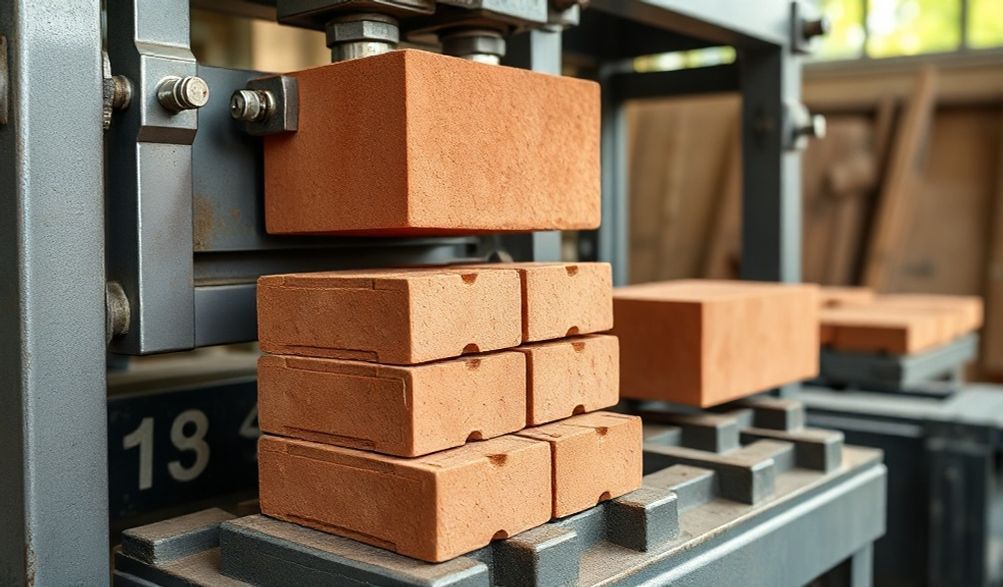
Полное руководство по изготовлению машин для производства блоков с замковым соединением: от концепции до строительства
Представьте, что вы строите прочный, красивый дом без необходимости в дорогом растворе или высококвалифицированных каменщиках. Что, если сами кирпичи сцепляются друг с другом, как детали пазла, создавая конструкции, которые не только экономически эффективны, но и невероятно устойчивы? Это не футуристическая концепция — это реальность, которую предлагают блоки с замковым соединением, революционный строительный материал, меняющий правила игры в строительстве по всему миру.
В основе этой инновации лежит мощный инструмент: станок для производства блоков с замковым соединением. Это руководство станет вашим всеобъемлющим планом действий. Независимо от того, являетесь ли вы предпринимателем, рассматривающим прибыльную бизнес-возможность, строителем, ищущим более эффективные методы, или энтузиастом, мечтающим построить собственное пространство своими руками, понимание этого оборудования — первый и важнейший шаг. Мы раскроем весь процесс — от основной функции станка до готовой стены, вооружив вас знаниями для принятия взвешенных решений и раскрытия потенциала устойчивого строительства.
Что такое станок для производства блоков с замковым соединением?
Машина для производства блоков с замковым соединением — это специализированное оборудование, предназначенное для изготовления строительных блоков с уникальной конструктивной особенностью: интегрированными пазами и выступами. В отличие от традиционных кирпичей, которые полностью зависят от раствора для сцепления, эти блоки спроектированы так, чтобы плотно соединяться друг с другом, образуя стабильную, сцепленную структуру.
Основная функция и принцип
Основной принцип — это прессование. Машина, будь то гидравлическая система, механический рычаг или ручная сила, прикладывает огромное давление к определённой смеси сырья. Это действие уплотняет грунт, песок и небольшой процент цемента в плотный, твёрдый блок. Волшебство происходит внутри прецизионной формы, которая задаёт не только размеры кирпича, но и его сложный замковый узор на верхней, нижней и боковых поверхностях. Этот процесс часто называют производством "прессованных земляных блоков" или "стабилизированных грунтовых блоков".
Конечный продукт: Сцепляющиеся кирпичи
Производимые кирпичи являются главным героем представления. Их определяющая характеристика — способность надежно сцепляться с соседними кирпичами, подобно блокам LEGO®. Такая конструкция устраняет необходимость использования влажного раствора в вертикальных швах, что дает два основных преимущества:
* Скорость строительства:Стены возводятся значительно быстрее, поскольку запирающий механизм упрощает выравнивание и сокращает количество этапов укладки каждого кирпича.
* Простота строительства:Это позволяет сделать строительный процесс менее трудоемким, делая его доступным даже для полуквалифицированной рабочей силы.
Виды станков для производства блоков с замковым соединением
Выбор подходящего оборудования целиком зависит от ваших масштабов, бюджета и производственных задач. На рынке представлен широкий спектр устройств — от простых ручных прессов до полностью автоматизированных промышленных систем.
Ручные станки для производства блоков с замковым соединением
Это самый доступный вход в мир создания взаимосвязанных кирпичей.
* Операция:Полностью зависит от ручного труда, обычно используя рычаг или гидравлическую домкратную систему для создания силы сжатия.
* Вывод:Идеально подходит для мелкосерийного производства, обычно от 200 до 500 кирпичей в день, в зависимости от оператора.
* Стоимость и варианты использования:Это самый доступный вариант. Идеально подходит для проектов "сделай сам", общественных построек, очень маленьких стартапов или производства кирпичей для одного дома. Их низкая стоимость и портативность являются их главными преимуществами.
Полуавтоматические станки для производства блоков с замковым соединением
Эта категория находит баланс между автоматизацией и затратами, предлагая значительное повышение эффективности производства.
* Операция:Эти машины часто оснащены электрической или дизельной гидравлической системой, которая автоматизирует цикл прессования. Загрузка сырья и извлечение готового кирпича могут по-прежнему осуществляться вручную.
* Вывод: Can produce between 1,000 to 3,000 bricks per 8-hour shift, ensuring much greater consistency than manual models.
* Стоимость и варианты использования: A mid-range investment suited for small to medium businesses, construction companies, or social housing projects that require reliable, higher-volume output.
Fully Automatic Interlocking Brick Machines
These are the powerhouses of interlocking brick production, designed for maximum output with minimal manual intervention.
* Операция: Fully computerized systems that automate the entire process: feeding raw material, mixing (if integrated), compression, molding, and even stacking the finished bricks on pallets.
* Вывод: Designed for large-scale commercial production, capable of producing 5,000 to 10,000+ bricks per day.
* Стоимость и варианты использования: Represents a major industrial investment. Ideal for established brick-making businesses, large construction firms, or entrepreneurs aiming to dominate a regional market with high-volume supply.
The Manufacturing Process: How These Machines Make Bricks
Producing high-quality interlocking bricks is a straightforward but precise process. Consistency at each stage is key to achieving strong, durable blocks.
Подготовка сырья
The foundation of a good brick is the right mix. Not all soil is suitable.
* The Ideal Mix: A blend of approximately 60-75% sandy soil or laterite, 20-30% sharp sand, and 5-10% cement (for stabilized blocks). The exact ratio requires local testing.
* Screening & Moisture: The soil must be sieved to remove stones, roots, and organic matter. The moisture content is critical—typically around 10-12%. A simple test: the mixture should hold its shape when squeezed in your fist but crumble when poked.
The Compression and Molding Stage
This is where the machine performs its core function.
1. The prepared mix is fed into the machine’s mold box.
2. A hydraulic ram or mechanical press exerts tremendous pressure (often measured in tons) onto the material.
3. This pressure compacts the particles, eliminating air voids and creating a dense matrix.
4. Simultaneously, the mold imparts the precise interlocking shape—the tongues and grooves—onto the brick.
5. The compressed brick is then ejected, ready for curing.
Curing and Quality Control
Freshly pressed bricks are strong but need time to reach their full potential.
* Курение: The bricks are stacked and kept damp for 7-14 days. This allows the cement (if used) to hydrate fully and develop strength. Sun-drying is common, but light water sprinkling improves the cure.
* Quality Tests:
* Drop Test: Drop a cured brick from waist height onto a hard surface. A good brick should not break.
* Compression Test: More formally, bricks can be tested in a lab to determine their load-bearing capacity, which often exceeds standard fired clay bricks.
Key Benefits of Using an Interlocking Brick Machine
The advantages extend far beyond the simple brick, impacting economics, structural integrity, and the environment.
Экономические преимущества
- Lower Construction Costs: Drastic reduction in mortar use (up to 70% less) and the need for highly skilled masons.
- Скорость: Walls can be laid 3-5 times faster than conventional brickwork, reducing labor costs and project timelines.
- Высокая окупаемость инвестиций: For entrepreneurs, the low cost of raw materials (often locally sourced soil) versus the market value of finished bricks creates a healthy profit margin.
Structural and Environmental Benefits
- Earthquake Resistance: The interlocking design provides a degree of flexibility and mechanical bonding, allowing structures to better withstand seismic loads.
- Теплоизоляция: The dense earth blocks have excellent thermal mass, keeping interiors cool in summer and warm in winter.
- Устойчивое развитие: The process uses local soil, minimizes cement consumption, and requires no firing—eliminating deforestation for firewood and reducing carbon emissions.
Entrepreneurial Opportunity
An interlocking brick machine can be a “business-in-a-box.” It empowers individuals to address the global need for affordable housing by producing low-cost, high-quality building materials locally. This creates jobs, stimulates local economies, and provides a tangible solution to housing deficits.
How to Choose the Right Machine for Your Needs
Selecting a machine is a crucial investment. Here’s a structured approach to making the right choice.
Оценка ваших производственных целей
Start by asking:
* What is the scale of my primary project? (A single house, a housing estate, a commercial supply business?)
* How many bricks do I need per day or month to meet demand?
* What is my available budget, including costs for power, space, and labor?
Critical Machine Specifications to Compare
When comparing models, scrutinize these specs:
* Сила давления (тоннаж): Higher tonnage (e.g., 20-ton vs. 10-ton) generally produces denser, stronger bricks.
* Brick Size/Type Capacity: Ensure the machine can produce the brick design and dimensions you intend to use.
* Источник питания: Electric (clean, consistent), Diesel (good for areas with unreliable grid power), or Manual.
* Время цикла: How many seconds/minutes to produce one brick? This directly determines your maximum output.
Supplier Evaluation for Trust
The supplier is as important as the machine itself.
* Reputation & Experience: Research the manufacturer’s history. Look for established companies with verifiable client testimonials.
* Warranty & Service: A strong warranty (1+ years on critical parts) is a sign of confidence. Crucially, ensure they offer reliable after-sales service and ready availability of spare parts.
* Transparency: A trustworthy supplier will be happy to provide detailed specifications, offer guidance on material mix, and may even provide basic operator training.
Common Challenges and Practical Solutions
Forewarned is forearmed. Here’s how to troubleshoot common issues.
Achieving Consistent Brick Quality
- Problem: Bricks are crumbly or weak.
- Solution: Check moisture content (likely too low) and compression force (may be insufficient). Re-test your soil-sand-cement ratio.
- Problem: Bricks have poor interlock or are difficult to separate from the mold.
- Solution: The mold faces may be worn or damaged and need replacement. Also, ensure the mix is not too wet.
Maintenance and Operational Tips
A little maintenance goes a long way.
* Ежедневно: Clean all parts of residual material. Check hydraulic hoses for leaks.
* Weekly: Lubricate all moving parts as per the manual. Inspect the mold for wear.
* Safety: Always wear gloves and safety glasses. Never place hands in the compression area during operation.
Sourcing and Managing Raw Materials
Consistency in input equals consistency in output.
* Test Locally: Before committing to a large purchase, conduct compression tests on bricks made from your intended local soil source.
* Batch Preparation: Prepare raw material mixes in consistent, large batches to maintain uniform quality throughout production.
Раздел часто задаваемых вопросов
Q: Can interlocking bricks be used for load-bearing walls?
А: Absolutely. When produced with the correct stabilized mix (containing cement or lime) and compressed to proper standards, interlocking bricks achieve compressive strengths that meet or exceed requirements for load-bearing walls in low-rise construction. Always consult or follow regional building codes.
Q: What is the typical cost range for an interlocking brick machine?
А: The range is vast. Manual presses can start from $500 – $2,000. Semi-automatic machines typically range from $3,000 – $15,000. Fully automatic production lines can cost from $20,000 to over $100,000, depending on capacity and automation level.
Q: Do I need special training to operate the machine?
А: While the operation is generally straightforward, basic training is essential for safety, maintenance, and ensuring brick quality. Any reputable supplier should provide operational training upon installation. The learning curve is much shorter than for traditional brick-making techniques.
Q: Are buildings made with interlocking bricks durable in all climates?
А: They are highly durable. In very wet or rainy climates, it is standard and recommended practice to apply a protective plaster, render, or exterior cladding. This shields the walls from direct, prolonged water erosion, ensuring centuries of longevity, much like any other earth-based construction.
Q: Is this a profitable business?
А: Yes, it can be highly profitable due to the low cost of raw materials and high global demand for affordable building solutions. Profitability depends on key factors: conducting thorough local market research, maintaining strict quality control, managing operational costs efficiently, and implementing sound business and marketing practices.
Заключение
Interlocking brick machine making represents more than just a piece of machinery; it embodies a smarter, more sustainable approach to construction. It democratizes the ability to build, turning local earth into durable shelters and entrepreneurial dreams into tangible businesses.
The journey to success rests on three pillars: understanding the different types of machines and where you fit in, mastering the simple yet precise manufacturing process, and making a careful, informed investment in the right equipment from a trusted partner. Use this guide as your foundational blueprint. Let it empower you to take the next step—to research further, connect with reputable experts, and ultimately, to build something lasting, both for yourself and your community.
<