
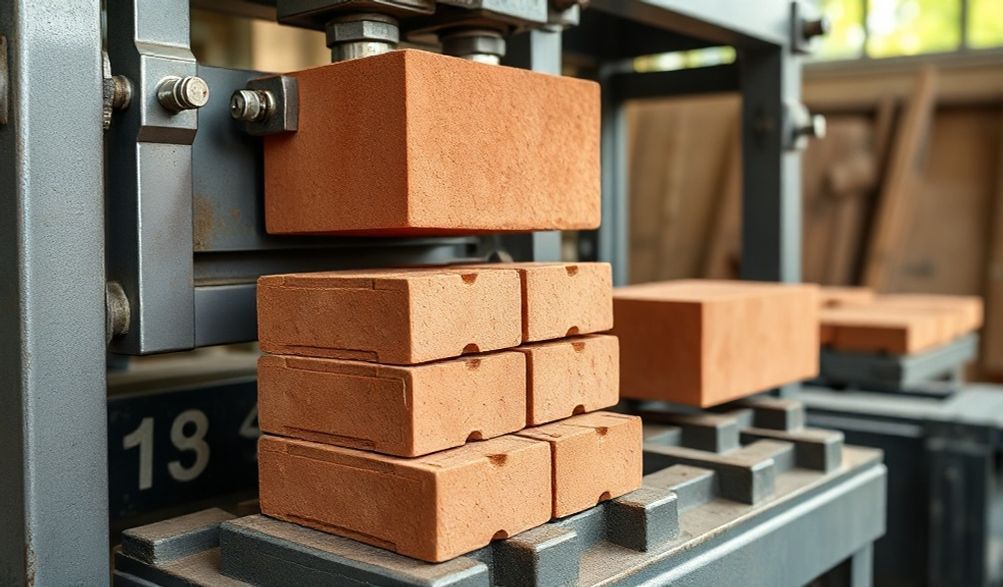
Интерлоктық кірпіш машинасын жасаудың толық нұсқаулығы: Концепциядан құрылысқа дейін
Қымбат саман немесе жоғары білікті құрылысшылардың қажеті жоқ, берік, әдемі үй салуды елестетіп көріңіз. Кірпіштер пазл бөлшектері сияқты бір-бірімен құлыптасып, тек тиімді құнды ғана емес, сонымен қатар таңғажайып берік құрылымдар жасайтын болса ше? Бұл болашақтың ғылыми түсінігі емес – бүкіл әлемдегі құрылыс саласында төңкеріс жасап жатқан, революциялық құрылыс материалы болып табылатын ілінетін кірпіштердің ұсынатын шынайылығы.
Бұл инновацияның өзекті құралы - біріктірілетін кірпіш машинасы. Бұл нұсқаулық сізге жан-жақты жол картасы болады. Сіз пайдалы бизнес мүмкіндігін іздеген кәсіпкер болсаңыз да, тиімді әдістерді қалаған құрылысшы болсаңыз да, немесе өз кеңістігіңізді салғым келетін DIY әуесқолы болсаңыз да, бұл машинаны түсіну бірінші маңызды қадам болып табылады. Біз машинаның негізгі қызметінен бастап, дайын қабырғаға дейінгі бүкіл процесті анықтаймыз, сізге біліммен қаруландырамыз және тұрақты құрылыстың әлеуетін ашуға мүмкіндік береміз.
Интерлоктық кірпіш машинасы деген не?
Интерлоктық кірпіш машинасы - бұл құрылыс кірпіштерін өндіретін арнайы жабдық. Оның ерекшелігі - кірпіштерде бір-бірімен тұрақты түйісу үшін арнайы ойықтар мен шығыңқы бөліктер бар. Дәстүрлі кірпіштер тек цемент ерітіндісіне тәуелді болса, бұл кірпіштер бір-біріне тығыз сәйкес келіп, берік интерлокталған құрылым құрайды.
Негізгі функция және қағида
Негізгі қағидат – қысу. Машина, гидравликалық жүйемен, механикалық левереджпен немесе қол күшімен жұмыс істесін, шикізаттың нақты араласқан қоспасына үлкен қысым түсіреді. Бұл әрекет топырақты, құмды және цементтің шағын үлесін тығыз, берік блокқа дейін сығады. Сиқыр дәл қалыптың ішінде орын алады, ол тек кірпіш өлшемдерін ғана емес, сонымен қатар оның жоғарғы, төменгі және бүйір жақтарындағы күрделі тілімшелі үлгісін де қалыптастырады. Бұл процесс жиі "сығылған топырақ блоктары" немесе "бекітілген топырақ блоктары" өндірісі деп аталады.
Соңғы Өнім: Құлыптасқан Кірпіштер
Өндірілген кірпіштер шоудың жұлдызы болып табылады. Олардың басты ерекшелігі - іргелес кірпіштермен LEGO® блоктары сияқты берік бекітуге мүмкіндік беруі. Бұл дизайн тік тігістердегі ылғалды ерітіндінің қажеттілігін жояды, бұл екі маңызды артықшылықты әкеледі:
* Құрылыс жылдамдығы:Қабырғалар әлдеқайда тез тұрғызылады, өйткені бекіту механизмі кірпіштің орналасуын жеңілдетеді және әрбір кірпішті төсеу кезеңдерін азайтады.
* Құрылыс Қарапайымдылығы:Ол құрылыс процесін азырақ еңбек сыйымды етеді, тіпті жартылай білікті жұмысшылармен де қол жетімді болады.
Интерлоктық кірпіш машиналарының түрлері
Дұрыс машинаны таңдау сіздің ауқымыңызға, бюджетіңізге және өндірістік мақсаттарыңызға толығымен байланысты. Нарық қарапайым адам күшімен жұмыс істейтін престерден толық автоматтандырылған өнеркәсіптік жүйелерге дейінгі ауқымды ұсынады.
Қолмен басқарылатын кірпіш қабырға машиналары
These are the most accessible entry point into the world of interlocking brick making.
* Операция: Relies entirely on human labor, typically using a lever or a hydraulic jack system to generate the compression force.
* Шығару: Ideal for small-scale production, often ranging from 200 to 500 bricks per day, depending on the operator.
* Cost & Use Case: They are the most affordable option. Perfect for DIY projects, community builds, very small startups, or producing bricks for a single home. Their low cost and portability are their greatest strengths.
Semi-Automatic Interlocking Brick Machines
This category strikes a balance between automation and cost, offering a significant upgrade in production efficiency.
* Операция: These machines often feature an electric or diesel-powered hydraulic system that automates the compression cycle. Loading of raw material and removal of the finished brick may still be manual.
* Шығару: Can produce between 1,000 to 3,000 bricks per 8-hour shift, ensuring much greater consistency than manual models.
* Cost & Use Case: A mid-range investment suited for small to medium businesses, construction companies, or social housing projects that require reliable, higher-volume output.
Fully Automatic Interlocking Brick Machines
These are the powerhouses of interlocking brick production, designed for maximum output with minimal manual intervention.
* Операция: Fully computerized systems that automate the entire process: feeding raw material, mixing (if integrated), compression, molding, and even stacking the finished bricks on pallets.
* Шығару: Designed for large-scale commercial production, capable of producing 5,000 to 10,000+ bricks per day.
* Cost & Use Case: Represents a major industrial investment. Ideal for established brick-making businesses, large construction firms, or entrepreneurs aiming to dominate a regional market with high-volume supply.
The Manufacturing Process: How These Machines Make Bricks
Producing high-quality interlocking bricks is a straightforward but precise process. Consistency at each stage is key to achieving strong, durable blocks.
Шикізатты дайындау
The foundation of a good brick is the right mix. Not all soil is suitable.
* The Ideal Mix: A blend of approximately 60-75% sandy soil or laterite, 20-30% sharp sand, and 5-10% cement (for stabilized blocks). The exact ratio requires local testing.
* Screening & Moisture: The soil must be sieved to remove stones, roots, and organic matter. The moisture content is critical—typically around 10-12%. A simple test: the mixture should hold its shape when squeezed in your fist but crumble when poked.
The Compression and Molding Stage
This is where the machine performs its core function.
1. The prepared mix is fed into the machine’s mold box.
2. A hydraulic ram or mechanical press exerts tremendous pressure (often measured in tons) onto the material.
3. This pressure compacts the particles, eliminating air voids and creating a dense matrix.
4. Simultaneously, the mold imparts the precise interlocking shape—the tongues and grooves—onto the brick.
5. The compressed brick is then ejected, ready for curing.
Curing and Quality Control
Freshly pressed bricks are strong but need time to reach their full potential.
* Емдеу: The bricks are stacked and kept damp for 7-14 days. This allows the cement (if used) to hydrate fully and develop strength. Sun-drying is common, but light water sprinkling improves the cure.
* Quality Tests:
* Drop Test: Drop a cured brick from waist height onto a hard surface. A good brick should not break.
* Compression Test: More formally, bricks can be tested in a lab to determine their load-bearing capacity, which often exceeds standard fired clay bricks.
Интерлокты кірпіш машинасын қолданудың негізгі артықшылықтары
The advantages extend far beyond the simple brick, impacting economics, structural integrity, and the environment.
Экономикалық артықшылықтар
- Lower Construction Costs: Drastic reduction in mortar use (up to 70% less) and the need for highly skilled masons.
- Жылдамдық: Walls can be laid 3-5 times faster than conventional brickwork, reducing labor costs and project timelines.
- Жоғары ROI: For entrepreneurs, the low cost of raw materials (often locally sourced soil) versus the market value of finished bricks creates a healthy profit margin.
Structural and Environmental Benefits
- Earthquake Resistance: The interlocking design provides a degree of flexibility and mechanical bonding, allowing structures to better withstand seismic loads.
- Жылу оқшаулауы: The dense earth blocks have excellent thermal mass, keeping interiors cool in summer and warm in winter.
- Тұрақтылық: The process uses local soil, minimizes cement consumption, and requires no firing—eliminating deforestation for firewood and reducing carbon emissions.
Кәсіпкерлік мүмкіндік
An interlocking brick machine can be a “business-in-a-box.” It empowers individuals to address the global need for affordable housing by producing low-cost, high-quality building materials locally. This creates jobs, stimulates local economies, and provides a tangible solution to housing deficits.
How to Choose the Right Machine for Your Needs
Selecting a machine is a crucial investment. Here’s a structured approach to making the right choice.
Өндірістік мақсаттарыңызды бағалау
Бастау үшін сұраңыз:
* What is the scale of my primary project? (A single house, a housing estate, a commercial supply business?)
* How many bricks do I need per day or month to meet demand?
* What is my available budget, including costs for power, space, and labor?
Critical Machine Specifications to Compare
When comparing models, scrutinize these specs:
* Қысым күші (Тоннаж): Higher tonnage (e.g., 20-ton vs. 10-ton) generally produces denser, stronger bricks.
* Brick Size/Type Capacity: Ensure the machine can produce the brick design and dimensions you intend to use.
* Қуат көзі: Electric (clean, consistent), Diesel (good for areas with unreliable grid power), or Manual.
* Цикл уақыты: How many seconds/minutes to produce one brick? This directly determines your maximum output.
Supplier Evaluation for Trust
The supplier is as important as the machine itself.
* Reputation & Experience: Research the manufacturer’s history. Look for established companies with verifiable client testimonials.
* Warranty & Service: A strong warranty (1+ years on critical parts) is a sign of confidence. Crucially, ensure they offer reliable after-sales service and ready availability of spare parts.
* Transparency: A trustworthy supplier will be happy to provide detailed specifications, offer guidance on material mix, and may even provide basic operator training.
Common Challenges and Practical Solutions
Forewarned is forearmed. Here’s how to troubleshoot common issues.
Achieving Consistent Brick Quality
- Problem: Bricks are crumbly or weak.
- Solution: Check moisture content (likely too low) and compression force (may be insufficient). Re-test your soil-sand-cement ratio.
- Problem: Bricks have poor interlock or are difficult to separate from the mold.
- Solution: The mold faces may be worn or damaged and need replacement. Also, ensure the mix is not too wet.
Maintenance and Operational Tips
A little maintenance goes a long way.
* Күнделікті Clean all parts of residual material. Check hydraulic hoses for leaks.
* Апталық: Lubricate all moving parts as per the manual. Inspect the mold for wear.
* Safety: Always wear gloves and safety glasses. Never place hands in the compression area during operation.
Sourcing and Managing Raw Materials
Consistency in input equals consistency in output.
* Test Locally: Before committing to a large purchase, conduct compression tests on bricks made from your intended local soil source.
* Batch Preparation: Prepare raw material mixes in consistent, large batches to maintain uniform quality throughout production.
FAQ Section
Q: Can interlocking bricks be used for load-bearing walls?
A: Absolutely. When produced with the correct stabilized mix (containing cement or lime) and compressed to proper standards, interlocking bricks achieve compressive strengths that meet or exceed requirements for load-bearing walls in low-rise construction. Always consult or follow regional building codes.
Q: What is the typical cost range for an interlocking brick machine?
A: The range is vast. Manual presses can start from $500 – $2,000. Semi-automatic machines typically range from $3,000 – $15,000. Fully automatic production lines can cost from $20,000 to over $100,000, depending on capacity and automation level.
Q: Do I need special training to operate the machine?
A: While the operation is generally straightforward, basic training is essential for safety, maintenance, and ensuring brick quality. Any reputable supplier should provide operational training upon installation. The learning curve is much shorter than for traditional brick-making techniques.
Q: Are buildings made with interlocking bricks durable in all climates?
A: They are highly durable. In very wet or rainy climates, it is standard and recommended practice to apply a protective plaster, render, or exterior cladding. This shields the walls from direct, prolonged water erosion, ensuring centuries of longevity, much like any other earth-based construction.
Q: Is this a profitable business?
A: Yes, it can be highly profitable due to the low cost of raw materials and high global demand for affordable building solutions. Profitability depends on key factors: conducting thorough local market research, maintaining strict quality control, managing operational costs efficiently, and implementing sound business and marketing practices.
Қорытынды
Interlocking brick machine making represents more than just a piece of machinery; it embodies a smarter, more sustainable approach to construction. It democratizes the ability to build, turning local earth into durable shelters and entrepreneurial dreams into tangible businesses.
The journey to success rests on three pillars: understanding the different types of machines and where you fit in, mastering the simple yet precise manufacturing process, and making a careful, informed investment in the right equipment from a trusted partner. Use this guide as your foundational blueprint. Let it empower you to take the next step—to research further, connect with reputable experts, and ultimately, to build something lasting, both for yourself and your community.
<