
Totus Ductor ad Machinam Laterum Intertextorum Faciendam: a Conceptu ad Constructionem
Cogita domum firmam pulchramque aedificare sine opus esse pretioso caemento aut peritissimis structoribus. Quid si ipsi lateres quasi segmenta aenigmatis inter se concluderent, structuras efficientes quae non modo parvo constent sed etiam mirabiliter durables sint? Haec non est notio futura—ea est veritas a lateribus inter se concludentibus oblata, materia aedificatoria novissima quae lusum in constructione per orbem terrarum mutat.
In medio huius novitatis validum instrumentum latet: machina laterum intertextorum. Haec dux est tua plena viae descriptio. Sive negotiator es qui lucrosam occasionem spectas, sive aedificator qui efficientiores rationes quaeris, sive studiosus domesticarum artium qui proprium spatium exstruere somnias, hanc machinam intellegere primus gradus criticus est. Totum processum a nucleari munere machinae ad perfectum murum revelabimus, te scientia instruentes ut consilia informata capias et potentiale aedificationis durabilis patefacias.
Quid est Machina Laterum Implicatorum?
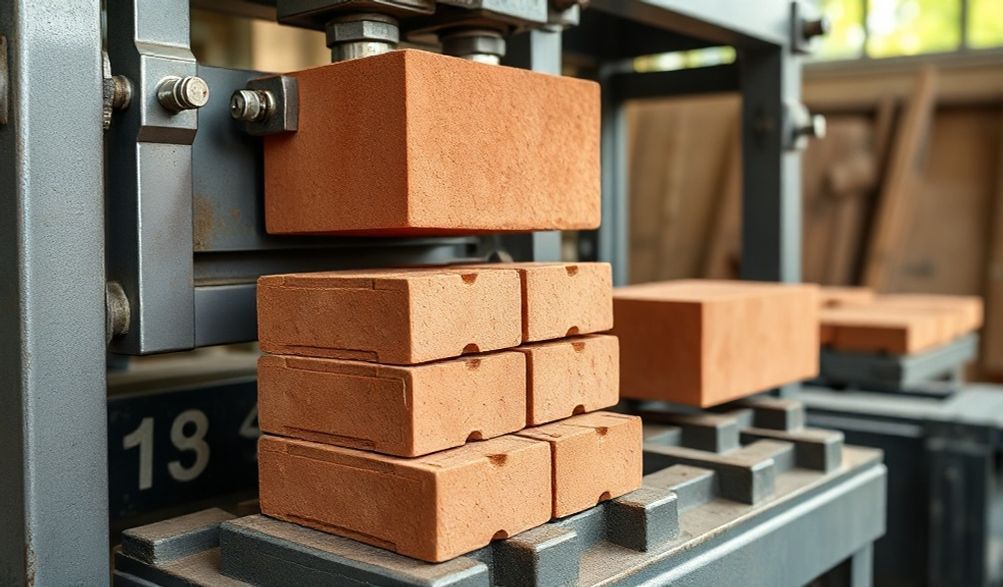
Machina laterum intertextorum est instrumentum peculiare ad fabricandos lateres aedificiorum cum proprietate singulari: sulcis et eminentis coniunctis. Dissimiles lateribus traditis qui omnino caemento ad conglutinandum nituntur, hi lateres ita fabricantur ut arcte inter se cohaereant, structuram stabilem intertextam efficientes.
Munus Principale et Ratio
Fundamentalis ratio est compressio. Machina, sive hydraulica systemata, sive potentia mechanica, sive vi manu adhibita, ingentem pressionem certae materiarum rudium mixturae adhibet. Haec actio terram, harenam, et parvum cementi portionem in densum solidumque laterem compingit. Magia intra formam accuratam fit, quae non solum lateris dimensiones, sed etiam elaboratum in summitate, imo, lateribusque coniungendi exemplar effingit. Hic processus saepe "lateris terrae compressi" vel "lateris soli stabilizati" fabricatio appellatur.
Finis Operis: Lateres Innexiles
Lateres producti sunt spectaculi praecipuum decus. Eorum proprietas insignis est facultas cum lateribus coniunctis firmiter coniungere, non secus ac lateres LEGO®. Hoc consilium removet necessitatem tectorii humidi in commissuris verticalibus, quod duas praecipuas utilitates affert:
* Celeritas AedificationisMuri multo celerius surgunt, cum mechanismus claudendi conlocationem simplicem redigit gradusque in singulis lateribus ponendis minuit.
* Simplicitas ConstructionisId aedificationis processum minus laboriosum permittit, etiam cum opera semidocta accessibilem reddit.
Genera Machinarum Laterum Intertextorum
Machina apta eligitur prorsus ex amplitudine, sumptu, propositisque productionis. Mercatus offert varietatem a simplicibus prelis humano impulsu ad systemata industrialia plene automata.
Machinae Manuales Laterum Intertextorum
Haec sunt introitus maxime pervii in mundum laterum cohaerentium fabricandorum.
* Operatio:Tota vi humana nititur, plerumque vecte vel systemate crici hydraulico ad vim compressionis generandam utens.
* Output:Idoneum ad parvam productionem, saepe ab ducentis ad quingentos lateres per diem varians, secundum operatorem.
* Pretium & Usus Casus:Sunt optio maxime parabilis. Idonea sunt operibus per se faciendis, communitatibus aedificantibus, initiis minimis, vel lateribus pro una domo conficiendis. Pretium humile et portabilitas eorum maxima virtus est.
Machinae Laterum Coniungentium Semi-Automaticae
Haec categoria aequilibrium inter automationem et impensas tenet, notabile incrementum in efficientia productionis praebens.
* Operatio:Haec machinae saepe systema hydraulicum electricum vel dieselium habent, quod compressionis cyclum automatizat. Oneratio materiae crudae et remota lateris perfecti adhuc manualis esse potest.
* Output: Can produce between 1,000 to 3,000 bricks per 8-hour shift, ensuring much greater consistency than manual models.
* Pretium & Usus Casus: A mid-range investment suited for small to medium businesses, construction companies, or social housing projects that require reliable, higher-volume output.
Fully Automatic Interlocking Brick Machines
These are the powerhouses of interlocking brick production, designed for maximum output with minimal manual intervention.
* Operatio: Fully computerized systems that automate the entire process: feeding raw material, mixing (if integrated), compression, molding, and even stacking the finished bricks on pallets.
* Output: Designed for large-scale commercial production, capable of producing 5,000 to 10,000+ bricks per day.
* Pretium & Usus Casus: Represents a major industrial investment. Ideal for established brick-making businesses, large construction firms, or entrepreneurs aiming to dominate a regional market with high-volume supply.
The Manufacturing Process: How These Machines Make Bricks
Producing high-quality interlocking bricks is a straightforward but precise process. Consistency at each stage is key to achieving strong, durable blocks.
Raw Material Preparation
The foundation of a good brick is the right mix. Not all soil is suitable.
* The Ideal Mix: A blend of approximately 60-75% sandy soil or laterite, 20-30% sharp sand, and 5-10% cement (for stabilized blocks). The exact ratio requires local testing.
* Screening & Moisture: The soil must be sieved to remove stones, roots, and organic matter. The moisture content is critical—typically around 10-12%. A simple test: the mixture should hold its shape when squeezed in your fist but crumble when poked.
The Compression and Molding Stage
This is where the machine performs its core function.
1. The prepared mix is fed into the machine’s mold box.
2. A hydraulic ram or mechanical press exerts tremendous pressure (often measured in tons) onto the material.
3. This pressure compacts the particles, eliminating air voids and creating a dense matrix.
4. Simultaneously, the mold imparts the precise interlocking shape—the tongues and grooves—onto the brick.
5. The compressed brick is then ejected, ready for curing.
Curing and Quality Control
Freshly pressed bricks are strong but need time to reach their full potential.
* Sanatio: The bricks are stacked and kept damp for 7-14 days. This allows the cement (if used) to hydrate fully and develop strength. Sun-drying is common, but light water sprinkling improves the cure.
* Quality Tests:
* Drop Test: Drop a cured brick from waist height onto a hard surface. A good brick should not break.
* Compression Test: More formally, bricks can be tested in a lab to determine their load-bearing capacity, which often exceeds standard fired clay bricks.
Key Benefits of Using an Interlocking Brick Machine
The advantages extend far beyond the simple brick, impacting economics, structural integrity, and the environment.
Commoditates Oeconomicae
- Lower Construction Costs: Drastic reduction in mortar use (up to 70% less) and the need for highly skilled masons.
- Celeritas Walls can be laid 3-5 times faster than conventional brickwork, reducing labor costs and project timelines.
- Altus reditus investitionis: For entrepreneurs, the low cost of raw materials (often locally sourced soil) versus the market value of finished bricks creates a healthy profit margin.
Structural and Environmental Benefits
- Earthquake Resistance: The interlocking design provides a degree of flexibility and mechanical bonding, allowing structures to better withstand seismic loads.
- Insulatio Caloris The dense earth blocks have excellent thermal mass, keeping interiors cool in summer and warm in winter.
- Sustentabilitas: The process uses local soil, minimizes cement consumption, and requires no firing—eliminating deforestation for firewood and reducing carbon emissions.
Entrepreneurial Opportunity
An interlocking brick machine can be a “business-in-a-box.” It empowers individuals to address the global need for affordable housing by producing low-cost, high-quality building materials locally. This creates jobs, stimulates local economies, and provides a tangible solution to housing deficits.
How to Choose the Right Machine for Your Needs
Selecting a machine is a crucial investment. Here’s a structured approach to making the right choice.
Tuas Metas Productionis Perpendens
Start by asking:
* What is the scale of my primary project? (A single house, a housing estate, a commercial supply business?)
* How many bricks do I need per day or month to meet demand?
* What is my available budget, including costs for power, space, and labor?
Critical Machine Specifications to Compare
When comparing models, scrutinize these specs:
* Vis Pressurae (Pondus): Higher tonnage (e.g., 20-ton vs. 10-ton) generally produces denser, stronger bricks.
* Brick Size/Type Capacity: Ensure the machine can produce the brick design and dimensions you intend to use.
* Fons Potestatis: Electric (clean, consistent), Diesel (good for areas with unreliable grid power), or Manual.
* Tempus Cycli: How many seconds/minutes to produce one brick? This directly determines your maximum output.
Supplier Evaluation for Trust
The supplier is as important as the machine itself.
* Reputation & Experience: Research the manufacturer’s history. Look for established companies with verifiable client testimonials.
* Warranty & Service: A strong warranty (1+ years on critical parts) is a sign of confidence. Crucially, ensure they offer reliable after-sales service and ready availability of spare parts.
* Perspicuitas: A trustworthy supplier will be happy to provide detailed specifications, offer guidance on material mix, and may even provide basic operator training.
Common Challenges and Practical Solutions
Forewarned is forearmed. Here’s how to troubleshoot common issues.
Achieving Consistent Brick Quality
- Problem: Bricks are crumbly or weak.
- Solutio: Check moisture content (likely too low) and compression force (may be insufficient). Re-test your soil-sand-cement ratio.
- Problem: Bricks have poor interlock or are difficult to separate from the mold.
- Solutio: The mold faces may be worn or damaged and need replacement. Also, ensure the mix is not too wet.
Maintenance and Operational Tips
A little maintenance goes a long way.
* Daily: Clean all parts of residual material. Check hydraulic hoses for leaks.
* Weekly: Lubricate all moving parts as per the manual. Inspect the mold for wear.
* Safety: Always wear gloves and safety glasses. Never place hands in the compression area during operation.
Sourcing and Managing Raw Materials
Consistency in input equals consistency in output.
* Test Locally: Before committing to a large purchase, conduct compression tests on bricks made from your intended local soil source.
* Batch Preparation: Prepare raw material mixes in consistent, large batches to maintain uniform quality throughout production.
FAQ Sectio
Q: Can interlocking bricks be used for load-bearing walls?
A: Absolutely. When produced with the correct stabilized mix (containing cement or lime) and compressed to proper standards, interlocking bricks achieve compressive strengths that meet or exceed requirements for load-bearing walls in low-rise construction. Always consult or follow regional building codes.
Q: What is the typical cost range for an interlocking brick machine?
A: The range is vast. Manual presses can start from $500 – $2,000. Semi-automatic machines typically range from $3,000 – $15,000. Fully automatic production lines can cost from $20,000 to over $100,000, depending on capacity and automation level.
Q: Do I need special training to operate the machine?
A: While the operation is generally straightforward, basic training is essential for safety, maintenance, and ensuring brick quality. Any reputable supplier should provide operational training upon installation. The learning curve is much shorter than for traditional brick-making techniques.
Q: Are buildings made with interlocking bricks durable in all climates?
A: They are highly durable. In very wet or rainy climates, it is standard and recommended practice to apply a protective plaster, render, or exterior cladding. This shields the walls from direct, prolonged water erosion, ensuring centuries of longevity, much like any other earth-based construction.
Q: Is this a profitable business?
A: Yes, it can be highly profitable due to the low cost of raw materials and high global demand for affordable building solutions. Profitability depends on key factors: conducting thorough local market research, maintaining strict quality control, managing operational costs efficiently, and implementing sound business and marketing practices.
Conclusio.
Interlocking brick machine making represents more than just a piece of machinery; it embodies a smarter, more sustainable approach to construction. It democratizes the ability to build, turning local earth into durable shelters and entrepreneurial dreams into tangible businesses.
The journey to success rests on three pillars: understanding the different types of machines and where you fit in, mastering the simple yet precise manufacturing process, and making a careful, informed investment in the right equipment from a trusted partner. Use this guide as your foundational blueprint. Let it empower you to take the next step—to research further, connect with reputable experts, and ultimately, to build something lasting, both for yourself and your community.
<