
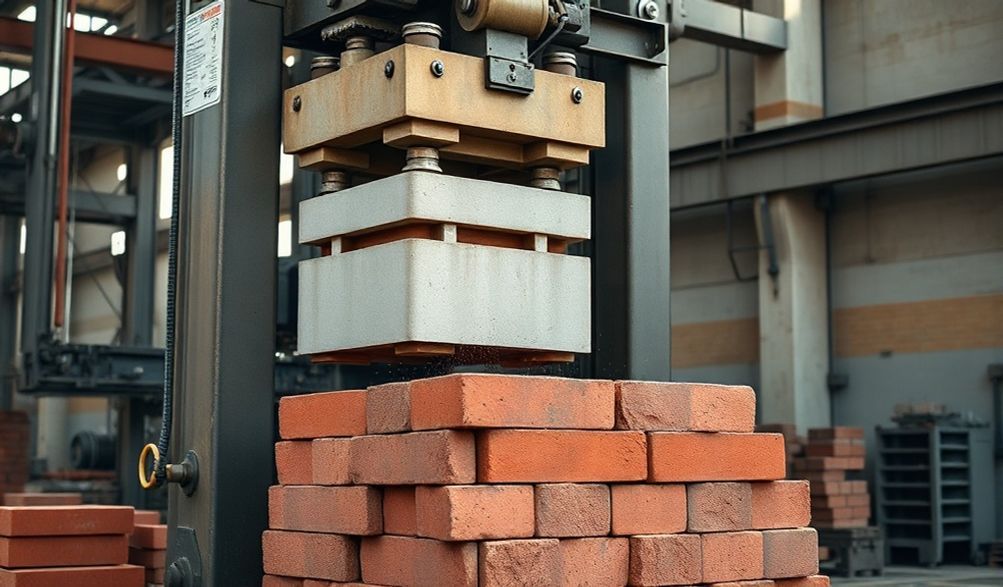
الدليل النهائي لاختيار أفضل آلة تشكيل الطوب لمشروعك
مقدمة
من الأسوار القديمة للمدن إلى ناطحات السحاب الحديثة، ظلت الطوبة المتواضعة ركيزة أساسية في البناء البشري لآلاف السنين. لكن وراء كل جدار متين يكمن سؤال حاسم: كيف صُنعت تلك الطوب؟ في بيئة البناء اليوم سريعة الخطى، المراعية للتكلفة، والمُحرَّاة للجودة، فإن طريقة الإنتاج ليست مجرد تفصيل - بل هي عامل حاسم للنجاح. ماذا لو أن الآلة الخاطئة يمكن أن تعرقل ميزانية مشروعك بالكامل وجدوله الزمني وسلامته الهيكلية؟
لإنتاج الطوب تحديات تواجه البناة الصغار، والشركات النامية، والمقاولين الكبار على حد سواء. تؤدي الطرق اليدوية إلى جودة غير متسقة، حيث تختلف الأحجام والكثافات مما يضعف وصلات الملاط والمتانة الهيكلية. الاعتماد على عمالة مرتفعة التكلفة وغير المتوقعة يبطئ التقدم ويرفع الميزانيات. غالباً ما يبدو توسيع نطاق الإنتاج لتلبية متطلبات المشروع عقبة لا يمكن تجاوزها. هذه النقاط الحرجة تخلق اختناقاً يمكن أن يعطل حتى أكثر أعمال البناء أو التصنيع تخطيطاً.
أهلاً بآلة تشكيل الطوب الحديثة: الحل الهندسي الذي يحول المواد الخام غير المكلفة إلى وحدات بناء دقيقة ومتينة ومتساوية بكفاءة مذهلة. صُمم هذا الدليل لاختراق ضجيج السوق والمصطلحات التقنية المعقدة. هدفه أن يكون دليلك الشامل والحيادي، المبني على الخبرة الصناعية والمبادئ الهندسية وتجارب المستخدمين الواقعية. سندمج المواصفات الفنية وبيانات الشركات المصنعة والمعرفة العملية لتمكينك من اتخاذ قرار استثماري واثق ومستنير يناسب احتياجاتك الخاصة.
ما هي آلة تشكيل الطوب؟ الوظيفة الأساسية والأنواع
في صميمها، تؤتمت آلة تشكيل الطوب وتصنّع العملية القديمة لتشكيل الطوب. إنها حجر الزاوية في الإنتاج الحديث والقابل للتوسع للطوب.
المبدأ الأساسي للعمل مُوضَّح
بينما تختلف التصاميم، فإن العملية الأساسية تظل متسقة عبر معظم الآلات. فكر فيها ككبّاسة كعك كبيرة وقوية ودقيقة لمواد البناء. تتضمن الدورة الأساسية أربع مراحل رئيسية:
- التغذية:يتم تحميل خليط مُعد مسبقاً (مثل الخرسانة، الطين، أو التربة الإسمنتية) في قادوس.
- الضغط:يتم تغذية المادة في تجويف القالب. هنا، مزيج من ضغط هائلقوة الضغط الهيدروليكي(في آلات الطباعة) و/أو عالية التردداهتزاز(في الطاولات المهتزة) يزيل الجيوب الهوائية ويضغط المادة إلى كثافة حرجة.
- القولبة:يأخذ المادة شكل القالب تماماً - سواء كان كتلة صلبة، كتلة مجوفة، بلاطة، أو طوبة متشابكة.
- طرد:يتم دفع الطوب الطازج المضغوط خارج القالب على منصة نقالة أو سير ناقل أو الأرض للتجفيف والتصلب.
هذه الدورة الميكانيكية تضمن أن كل طوبة من القالب نفسه تكون متطابقة تقريباً، وهو إنجاز يكاد يكون مستحيلاً تحقيقه باستمرار يدوياً.
الآلات اليدوية مقابل الآلات شبه الأوتوماتيكية مقابل الآلات الأوتوماتيكية بالكامل
اختيارك هنا يحدد استراتيجية عملك، مخرجاتك، والاستثمار الأولي.
- الآلات اليدوية:تعمل بالكامل بالطاقة البشرية (أنظمة رافعة). وهي منخفضة التكلفة، وقابلة للنقل، ومثالية للمشاريع الصغيرة جدًا في الموقع مثل جدار حديقة الفناء الخلفي. الإنتاج منخفض (50-200 قطعة/يوم)، ويعتمد الاتساق بشكل كبير على مهارة المشغل.
- الآلات شبه الآلية:هذه هي الخيول العاملة للمشاريع الصغيرة والمتوسطة. تستخدم محركًا كهربائيًا أو ديزل لدفع عملية الضغط والاهتزاز، لكنها تتطلب مشغلين لتغذية المواد وإزالة الطوب النهائي. توفر توازنًا ممتازًا، حيث تقدم إنتاجًا أعلى (١٠٠٠-٥٠٠٠ بلوك/يوم) باستثمار وعمالة معتدلين.
- آلات أوتوماتيكية بالكامل:هذه خطوط إنتاج يتم التحكم فيها بواسطة الكمبيوتر. وتتميز بتغذية المواد الآلية، والتشكيل، والتكديس، وأحياناً حتى أنظمة إعادة المنصات. ويقتصر دور العمالة بشكل أساسي على الإشراف والصيانة. وهي مصممة للمصانع الصناعية الكبيرة التي تتطلب إنتاجاً ضخماً ومتسقاً (أكثر من 10000 قطعة/يوم) بأقل تدخل بشري.
أنواع المفاتيح حسب الإخراج والعملية
التكنولوجيا المستخدمة تحدد نوع الطوب والمواد الخام المثلى.
- مكابس الضغط الثابتة: Utilize a high-tonnage hydraulic ram to compress material into a fixed mould. Industry practice shows they are ideal for producing high-density, high-precision bricks like:
- Fly Ash Bricks (using thermal power plant waste).
- Solid Concrete Blocks.
- Interlocking Stabilized Soil Blocks (ISSB).
- آلات الطاولة المهتزة: The mould is filled and then subjected to intense vibration on a shaking table, consolidating the concrete mix. This process is best for:
- Hollow Concrete Blocks.
- Paving Slabs & Kerbstones.
- Lightweight blocks with lower pressure requirements.
- Extrusion Machines: Primarily used for clay brick production. A continuous column (or “slug”) of wet clay is forced through a die of the desired profile, then cut into individual bricks by wires. This allows for continuous, high-volume production of traditional solid clay bricks.
عوامل حاسمة يجب مراعاتها قبل الشراء
Selecting a machine is a strategic decision. Rushing in based on price alone is a common and costly mistake. A deep, honest assessment of your needs is paramount.
تقييم احتياجاتك الإنتاجية
- Output Capacity (Blocks/Hour/Day): Don’t guess. Calculate based on your project size or sales forecast. For a construction project, estimate total bricks needed and your timeline. For a business, start with market demand. A machine operating at 80% capacity is more efficient and lasts longer than one constantly running at 110% strain.
- نوع الطوب والحجم: Machines are often optimized. Are you making standard 6″ hollow blocks for housing, heavy-duty pavers for driveways, or innovative interlocking bricks for dry-stack construction? Your product catalog dictates the machine type and the قوالب you’ll need.
- توافق المواد الخام: This is non-negotiable. The wrong machine for your material will fail.
- طين Requires an extruder or a very specific type of press.
- Concrete (Cement-Sand-Aggregate): Works well with both vibrating table and hydraulic press machines.
- Fly Ash/Lime/Gypsum: Typically requires a high-pressure hydraulic press for proper chemical bonding.
- Stabilized Earth (Soil + small cement percentage): Needs a press capable of compacting the material to a waterproof state.
Machine Specifications & Features Deep Dive
Look beyond the sales brochure. These specs determine long-term performance.
- Motor Power & Operation: Is it electric (consistent power, lower noise, requires grid connection), diesel (portable, for sites without power), or a hybrid? Match the power (HP/kW) to the machine’s compression force or vibration needs. Underpowered motors burn out quickly.
- Mould Quality & Interchangeability: The mould is the heart of the machine. Look for:
- Steel Grade: High-carbon, hardened steel lasts exponentially longer than mild steel.
- عملية التقسية: Induction or heat-treated moulds resist wear.
- Interchangeability: A quick-change mould system (using standard bolts vs. specialized fittings) allows you to switch product types in minutes, maximizing machine versatility and ROI.
- Cycle Time & Automation Level: How many bricks per minute/hour can it produce? Higher automation (auto-feeding, auto-stacking) drastically increases output and consistency while reducing labor costs and physical strain on workers.
- جودة التصنيع والمتانة Inspect the frame (reinforced steel is best), the thickness of metal plates, and the quality of hydraulic hoses or vibrator mounts. A heavier, well-welded frame absorbs vibration and stress, leading to a longer lifespan and less downtime.
Total Cost of Ownership (TCO) Analysis
The purchase price is just the entry ticket. A true financial assessment includes:
- Installation & Foundation: Some heavy machines require a leveled concrete foundation.
- تدريب Will operators be properly trained to use and maintain it?
- تكاليف الصيانة: Regular lubrication, part replacement (like wear plates in the mould). Ask for a recommended maintenance schedule and spare parts price list.
- استهلاك الطاقة The motor’s power rating directly impacts your electricity or diesel bill.
- Parts Availability & Supplier Support: Can you get a replacement hydraulic seal or vibrator motor locally, or must it be shipped from overseas at great cost and delay? A reliable local supplier with a parts inventory is invaluable.
Top Applications & Benefits of Modern Brick Moulding Machines
The right machine isn’t just a tool; it’s a transformative asset for different players in the construction ecosystem.
For Construction Companies & Large Projects
- الإنتاج في الموقع Eliminate supply chain delays and transport costs for bulk projects. Produce bricks exactly where they are needed.
- Cost & Quality Control: Lock in material costs and ensure every brick meets your project’s specific strength and dimensional standards.
- Custom Specifications: Need a unique size, color, or texture? With a custom mould, you can produce bespoke bricks unavailable on the open market.
For Brick Manufacturing Businesses (MSMEs)
- الأساس التجاري: A semi-automatic machine is a viable entry point to start a profitable manufacturing unit, serving local builders and contractors.
- Scalable Growth: Start with one machine and one product. As demand grows, add moulds for new products or upgrade to a more automated system.
- Market Competitiveness: Consistent quality and reliable supply build a strong reputation, allowing you to compete effectively and command better prices.
المزايا الرئيسية مقارنة بالطرق التقليدية
- جودة فائقة واتساق Precise dimensions ensure perfect mortar joints and easier laying. Consistent density guarantees uniform compressive strength, a critical factor for structural integrity and compliance with standards like المواصفة القياسية الأمريكية C90 for concrete masonry units.
- High Efficiency & Speed: Multiply production rates by 10x, 50x, or even 100x compared to manual labor, dramatically accelerating project timelines.
- تخفيض كبير في التكاليف Reduce dependency on large, skilled labor crews. Minimize material waste through precise compaction.
- مرونة لا مثيل لها: One machine platform can produce bricks, blocks, pavers, and landscape products, allowing you to respond to diverse market demands.
- Eco-Friendly Potential: Many modern machines are designed to use industrial waste streams (like fly ash) or locally sourced stabilized earth, reducing the environmental footprint of construction.
Operation, Maintenance & Safety Best Practices
Owning a machine is a commitment to proper operation and care. Neglect here is the primary cause of premature failure.
Step-by-Step Operational Guide
- Site Prep: Ensure a level, solid base (often concrete) and adequate space for material storage and brick curing.
- Machine Setup: Follow the manufacturer’s manual to assemble, level, and secure the machine. Connect to a power source with correct voltage and safety breakers.
- Material Mixing: Achieve the correct ratio (e.g., 1:6 cement/sand for concrete) and consistency (usually a “semi-dry” mix). A consistent mix is vital for consistent bricks.
- Test Batch: Run a small batch to check brick formation, density, and surface finish. Adjust material moisture or machine settings as needed before full production.
Essential Routine Maintenance Checklist
Based on field performance reviews, a disciplined maintenance routine prevents 90% of major breakdowns.
- Daily: Clean all material residue from the mould, hopper, and press head. Check hydraulic oil levels and for leaks. Inspect electrical connections.
- Weekly: Lubricate all moving parts (pivots, guide rods) as per the manual. Check and tighten all bolts and nuts, which can loosen from constant vibration.
- Monthly: Conduct a thorough inspection of wear parts: the mould interior, wear plates, and vibration mounts. Replace as necessary. Keeping a detailed maintenance log helps track part life and schedule proactive replacements.
Operator Safety Protocols
Safety is non-negotiable. Enforce these protocols strictly:
- Mandatory PPE: Safety goggles, heavy-duty gloves, steel-toe boots, and hearing protection (especially around loud vibrators).
- سلامة الآلات: Never operate with safety guards removed. Ensure emergency stop buttons are functional and easily accessible. Lock out/tag out power during maintenance.
- Component Handling: Moulds and bricks are heavy. Train operators on proper lifting techniques and use mechanical aids where possible.
الأسئلة الشائعة (FAQ)
Q1: What is the average production capacity of a standard brick moulding machine?
أ: There is no single “standard.” Capacity ranges dramatically from about 500 blocks per 8-hour shift for a small manual press to over 10,000 blocks for a fully automatic line. The key variables are machine type, level of automation, cycle time, and operator efficiency.
Q2: Can one machine produce different types and sizes of bricks?
أ: Yes, absolutely. This is achieved through interchangeable moulds. This versatility is a major advantage. However, you must verify with the supplier that the machine is designed for quick mould changes and that the moulds you want are compatible with its press head or table size.
Q3: What is the typical lead time for delivery and installation?
أ: For standard models from local or regional suppliers, lead time can be 2-6 weeks. For custom-configured machines or imports, it can extend to 3-6 months. Always clarify this before ordering and factor it into your project plan.
Q4: How do I choose between a new and a used brick moulding machine?
أ: A used machine offers a lower upfront cost but carries risk. Pros: cost savings. Cons: potential hidden wear, outdated technology, and lack of warranty. If considering used, it is essential to have it inspected by a qualified technician, review its maintenance history, and ensure spare parts are still available.
Q5: What kind of after-sales support should I expect from a reputable supplier?
أ: A trustworthy supplier provides a comprehensive package: a detailed operation & maintenance manual, installation guidance (onsite or remote), basic operator training, a clear warranty (specifying parts and labor coverage), and most importantly, reliable access to a spare parts inventory or supply chain.
خاتمة
Choosing the right brick moulding machine is a strategic investment that impacts your productivity, profitability, and product quality for years to come. It is not merely a purchase but a partnership with a piece of technology that will form the literal building blocks of your projects or business.
The path to the right decision is clear. First, define your requirements with precision—output, brick type, and raw material. Second, research suppliers not just on price, but on their proven expertise, technical support, and service track record. Request customer references. Third, whenever possible, request a live demonstration or visit an existing installation to see the machine in action. Finally, make your decision based on a thorough Total Cost of Ownership analysis, considering all long-term operational and support costs.
This guide was created to empower you with expert, experience-based knowledge, elevating your conversation with suppliers from a simple price inquiry to a technical discussion. It aims to build the trustworthiness you need to make a confident choice. For large-scale industrial projects, we always recommend consulting with a civil engineer or production expert to finalize specifications.
Ready to take the next step? [Download our free Brick Machine Comparison Checklist] to systematically evaluate your options and ensure you don’t overlook a critical detail in your selection process.
<