
La Guía Definitiva para Elegir la Mejor Máquina de Moldeo de Ladrillos para Tu Proyecto
Introducción
Desde las antiguas murallas hasta los modernos rascacielos, el humilde ladrillo ha sido un pilar fundamental de la construcción humana durante milenios. Pero detrás de cada pared duradera se esconde una pregunta crítica: ¿cómo se fabricaron esos ladrillos? En el entorno de construcción actual, acelerado, consciente de los costos y orientado a la calidad, el método de producción no es solo un detalle, es un factor decisivo para el éxito. ¿Qué pasaría si la máquina equivocada pudiera descarrilar por completo el presupuesto, el cronograma y la integridad estructural de tu proyecto?
Para pequeños constructores, empresas en crecimiento y grandes contratistas por igual, la producción de ladrillos está plagada de desafíos. Los métodos manuales conducen a una calidad inconsistente, donde los tamaños y densidades variables comprometen las juntas de mortero y la resistencia estructural. Depender de mano de obra costosa e impredecible ralentiza el progreso e infla los presupuestos. Escalar la producción para satisfacer las demandas del proyecto a menudo parece un obstáculo insuperable. Estos puntos críticos crean un cuello de botella que puede estancar incluso el negocio de construcción o manufactura mejor planificado.
Ingresa la moderna máquina para moldear ladrillos: la solución ingenieril que transforma materias primas crudas y de bajo costo en bloques de construcción precisos, duraderos y consistentes con una eficiencia notable. Esta guía está diseñada para cortar el ruido del mercado y la jerga técnica. Su propósito es servir como tu manual integral e imparcial, construido sobre la experiencia de la industria, los principios de ingeniería y las experiencias reales de los usuarios. Sintetizaremos especificaciones técnicas, datos de fabricantes y conocimientos prácticos para capacitarte a tomar una decisión de inversión informada, segura y confiable para tus necesidades específicas.
¿Qué es una Máquina para Moldear Ladrillos? Función Principal y Tipos
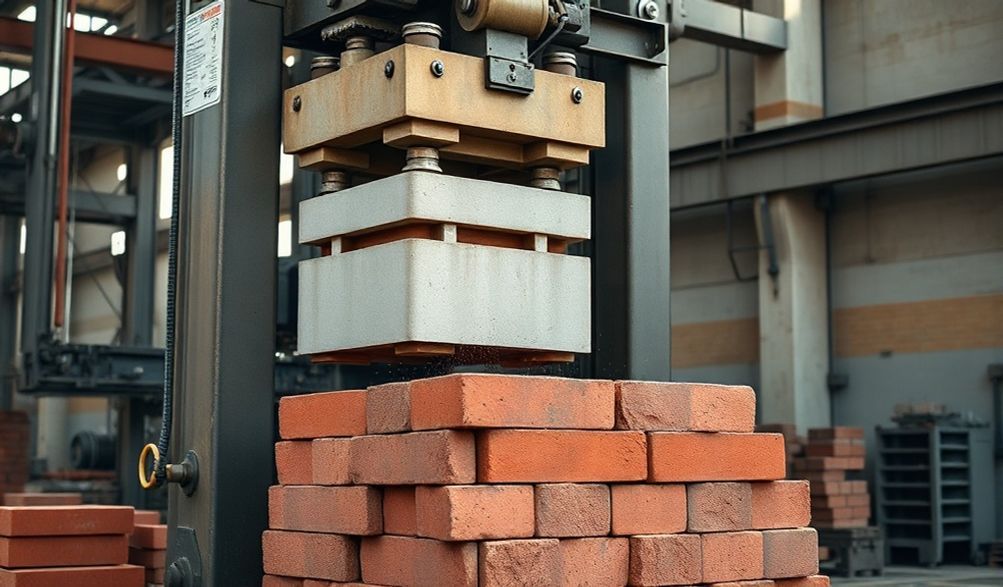
En esencia, una máquina moldeadora de ladrillos automatiza e industrializa el antiguo proceso de formar ladrillos. Es la piedra angular de la producción moderna y escalable de ladrillos.
Principio de Funcionamiento Central Explicado
Aunque los diseños varían, el proceso fundamental es consistente en la mayoría de las máquinas. Piensa en ello como una prensa para galletas grande, potente y precisa, pero para materiales de construcción. El ciclo central involucra cuatro etapas clave:
- Alimentación:Una mezcla preparada (como concreto, arcilla o suelo-cemento) se carga en una tolva.
- Compactación:El material se alimenta en la cavidad del molde. Aquí, una combinación de inmensafuerza de compresión hidráulica(en prensas) y/o de alta frecuenciavibraciónelimina las bolsas de aire y comprime el material hasta una densidad crítica.
- Moldeo:El material adopta la forma exacta del molde, ya sea un bloque sólido, un bloque hueco, un adoquín o un ladrillo de enclavamiento.
- Eyección:El ladrillo recién formado y compactado es expulsado del molde sobre una tarima, una banda transportadora o el suelo para su curado.
Este ciclo mecanizado asegura que cada ladrillo del mismo molde sea virtualmente idéntico, una hazaña casi imposible de lograr consistentemente a mano.
Máquinas Manuales vs. Semiautomáticas vs. Automáticas
Tu elección aquí define tu estrategia laboral, producción e inversión inicial.
- Máquinas Manuales:Operado completamente por fuerza humana (sistemas de palanca). Son de bajo costo, portátiles y perfectos para proyectos a muy pequeña escala y en el lugar, como un muro de jardín en un patio trasero. La producción es baja (50-200 bloques/día), y la consistencia depende en gran medida de la habilidad del operador.
- Máquinas Semiautomáticas:Estas son las máquinas de trabajo para pequeñas y medianas empresas (PYMES). Utilizan un motor eléctrico o diésel para impulsar el proceso de compactación y vibración, pero requieren operadores para alimentar el material y retirar los ladrillos terminados. Ofrecen un excelente equilibrio, proporcionando una producción más alta (1,000-5,000 bloques/día) con una inversión y mano de obra moderadas.
- Máquinas Completamente Automáticas:Estas son líneas de producción controladas por computadora. Cuentan con alimentación automática de material, moldeo, apilado y, a veces, incluso sistemas de retorno de paletas. La mano de obra se destina principalmente a supervisión y mantenimiento. Están diseñadas para plantas industriales de gran escala que requieren una producción masiva y constante (más de 10,000 bloques/día) con una intervención humana mínima.
Tipos de Claves por Salida y Proceso
La tecnología utilizada define el tipo de ladrillo y la materia prima óptima.
- Prensas Estáticas: Utilize a high-tonnage hydraulic ram to compress material into a fixed mould. Industry practice shows they are ideal for producing high-density, high-precision bricks like:
- Fly Ash Bricks (using thermal power plant waste).
- Solid Concrete Blocks.
- Interlocking Stabilized Soil Blocks (ISSB).
- Máquinas de Mesa Vibratorias: The mould is filled and then subjected to intense vibration on a shaking table, consolidating the concrete mix. This process is best for:
- Hollow Concrete Blocks.
- Paving Slabs & Kerbstones.
- Lightweight blocks with lower pressure requirements.
- Máquinas de extrusión: Primarily used for clay brick production. A continuous column (or “slug”) of wet clay is forced through a die of the desired profile, then cut into individual bricks by wires. This allows for continuous, high-volume production of traditional solid clay bricks.
Factores Críticos a Considerar Antes de Comprar
Selecting a machine is a strategic decision. Rushing in based on price alone is a common and costly mistake. A deep, honest assessment of your needs is paramount.
Evaluando Sus Necesidades de Producción
- Output Capacity (Blocks/Hour/Day): Don’t guess. Calculate based on your project size or sales forecast. For a construction project, estimate total bricks needed and your timeline. For a business, start with market demand. A machine operating at 80% capacity is more efficient and lasts longer than one constantly running at 110% strain.
- Tipo y Tamaño del Ladrillo: Machines are often optimized. Are you making standard 6″ hollow blocks for housing, heavy-duty pavers for driveways, or innovative interlocking bricks for dry-stack construction? Your product catalog dictates the machine type and the moldes you’ll need.
- Compatibilidad de Materias Primas: This is non-negotiable. The wrong machine for your material will fail.
- Arcilla: Requires an extruder or a very specific type of press.
- Concrete (Cement-Sand-Aggregate): Works well with both vibrating table and hydraulic press machines.
- Fly Ash/Lime/Gypsum: Typically requires a high-pressure hydraulic press for proper chemical bonding.
- Stabilized Earth (Soil + small cement percentage): Needs a press capable of compacting the material to a waterproof state.
Machine Specifications & Features Deep Dive
Look beyond the sales brochure. These specs determine long-term performance.
- Motor Power & Operation: Is it electric (consistent power, lower noise, requires grid connection), diesel (portable, for sites without power), or a hybrid? Match the power (HP/kW) to the machine’s compression force or vibration needs. Underpowered motors burn out quickly.
- Mould Quality & Interchangeability: The mould is the heart of the machine. Look for:
- Grado de Acero: High-carbon, hardened steel lasts exponentially longer than mild steel.
- Proceso de endurecimiento: Induction or heat-treated moulds resist wear.
- Interchangeability: A quick-change mould system (using standard bolts vs. specialized fittings) allows you to switch product types in minutes, maximizing machine versatility and ROI.
- Cycle Time & Automation Level: How many bricks per minute/hour can it produce? Higher automation (auto-feeding, auto-stacking) drastically increases output and consistency while reducing labor costs and physical strain on workers.
- Calidad de Construcción y Durabilidad: Inspect the frame (reinforced steel is best), the thickness of metal plates, and the quality of hydraulic hoses or vibrator mounts. A heavier, well-welded frame absorbs vibration and stress, leading to a longer lifespan and less downtime.
Total Cost of Ownership (TCO) Analysis
The purchase price is just the entry ticket. A true financial assessment includes:
- Installation & Foundation: Some heavy machines require a leveled concrete foundation.
- Entrenamiento: Will operators be properly trained to use and maintain it?
- Costos de Mantenimiento: Regular lubrication, part replacement (like wear plates in the mould). Ask for a recommended maintenance schedule and spare parts price list.
- Consumo de Energía: The motor’s power rating directly impacts your electricity or diesel bill.
- Parts Availability & Supplier Support: Can you get a replacement hydraulic seal or vibrator motor locally, or must it be shipped from overseas at great cost and delay? A reliable local supplier with a parts inventory is invaluable.
Top Applications & Benefits of Modern Brick Moulding Machines
The right machine isn’t just a tool; it’s a transformative asset for different players in the construction ecosystem.
For Construction Companies & Large Projects
- Producción en Sitio: Eliminate supply chain delays and transport costs for bulk projects. Produce bricks exactly where they are needed.
- Cost & Quality Control: Lock in material costs and ensure every brick meets your project’s specific strength and dimensional standards.
- Custom Specifications: Need a unique size, color, or texture? With a custom mould, you can produce bespoke bricks unavailable on the open market.
For Brick Manufacturing Businesses (MSMEs)
- Fundamento Empresarial: A semi-automatic machine is a viable entry point to start a profitable manufacturing unit, serving local builders and contractors.
- Scalable Growth: Start with one machine and one product. As demand grows, add moulds for new products or upgrade to a more automated system.
- Market Competitiveness: Consistent quality and reliable supply build a strong reputation, allowing you to compete effectively and command better prices.
Ventajas Clave Sobre los Métodos Tradicionales
- Calidad Superior y Uniformidad: Precise dimensions ensure perfect mortar joints and easier laying. Consistent density guarantees uniform compressive strength, a critical factor for structural integrity and compliance with standards like ASTM C90 for concrete masonry units.
- High Efficiency & Speed: Multiply production rates by 10x, 50x, or even 100x compared to manual labor, dramatically accelerating project timelines.
- Reducción Significativa de Costos: Reduce dependency on large, skilled labor crews. Minimize material waste through precise compaction.
- Versatilidad Inigualable: One machine platform can produce bricks, blocks, pavers, and landscape products, allowing you to respond to diverse market demands.
- Eco-Friendly Potential: Many modern machines are designed to use industrial waste streams (like fly ash) or locally sourced stabilized earth, reducing the environmental footprint of construction.
Operation, Maintenance & Safety Best Practices
Owning a machine is a commitment to proper operation and care. Neglect here is the primary cause of premature failure.
Step-by-Step Operational Guide
- Site Prep: Ensure a level, solid base (often concrete) and adequate space for material storage and brick curing.
- Machine Setup: Follow the manufacturer’s manual to assemble, level, and secure the machine. Connect to a power source with correct voltage and safety breakers.
- Material Mixing: Achieve the correct ratio (e.g., 1:6 cement/sand for concrete) and consistency (usually a “semi-dry” mix). A consistent mix is vital for consistent bricks.
- Test Batch: Run a small batch to check brick formation, density, and surface finish. Adjust material moisture or machine settings as needed before full production.
Essential Routine Maintenance Checklist
Based on field performance reviews, a disciplined maintenance routine prevents 90% of major breakdowns.
- Diariamente Clean all material residue from the mould, hopper, and press head. Check hydraulic oil levels and for leaks. Inspect electrical connections.
- Semanal Lubricate all moving parts (pivots, guide rods) as per the manual. Check and tighten all bolts and nuts, which can loosen from constant vibration.
- Monthly: Conduct a thorough inspection of wear parts: the mould interior, wear plates, and vibration mounts. Replace as necessary. Keeping a detailed maintenance log helps track part life and schedule proactive replacements.
Operator Safety Protocols
Safety is non-negotiable. Enforce these protocols strictly:
- Mandatory PPE: Safety goggles, heavy-duty gloves, steel-toe boots, and hearing protection (especially around loud vibrators).
- Seguridad de Máquinas: Never operate with safety guards removed. Ensure emergency stop buttons are functional and easily accessible. Lock out/tag out power during maintenance.
- Component Handling: Moulds and bricks are heavy. Train operators on proper lifting techniques and use mechanical aids where possible.
Frequently Asked Questions (FAQ)
Q1: What is the average production capacity of a standard brick moulding machine?
A: There is no single “standard.” Capacity ranges dramatically from about 500 blocks per 8-hour shift for a small manual press to over 10,000 blocks for a fully automatic line. The key variables are machine type, level of automation, cycle time, and operator efficiency.
Q2: Can one machine produce different types and sizes of bricks?
A: Yes, absolutely. This is achieved through interchangeable moulds. This versatility is a major advantage. However, you must verify with the supplier that the machine is designed for quick mould changes and that the moulds you want are compatible with its press head or table size.
Q3: What is the typical lead time for delivery and installation?
A: For standard models from local or regional suppliers, lead time can be 2-6 weeks. For custom-configured machines or imports, it can extend to 3-6 months. Always clarify this before ordering and factor it into your project plan.
Q4: How do I choose between a new and a used brick moulding machine?
A: A used machine offers a lower upfront cost but carries risk. Pros: cost savings. Cons: potential hidden wear, outdated technology, and lack of warranty. If considering used, it is essential to have it inspected by a qualified technician, review its maintenance history, and ensure spare parts are still available.
Q5: What kind of after-sales support should I expect from a reputable supplier?
A: A trustworthy supplier provides a comprehensive package: a detailed operation & maintenance manual, installation guidance (onsite or remote), basic operator training, a clear warranty (specifying parts and labor coverage), and most importantly, reliable access to a spare parts inventory or supply chain.
Conclusión
Choosing the right brick moulding machine is a strategic investment that impacts your productivity, profitability, and product quality for years to come. It is not merely a purchase but a partnership with a piece of technology that will form the literal building blocks of your projects or business.
The path to the right decision is clear. First, define your requirements with precision—output, brick type, and raw material. Second, research suppliers not just on price, but on their proven expertise, technical support, and service track record. Request customer references. Third, whenever possible, request a live demonstration or visit an existing installation to see the machine in action. Finally, make your decision based on a thorough Total Cost of Ownership analysis, considering all long-term operational and support costs.
This guide was created to empower you with expert, experience-based knowledge, elevating your conversation with suppliers from a simple price inquiry to a technical discussion. It aims to build the trustworthiness you need to make a confident choice. For large-scale industrial projects, we always recommend consulting with a civil engineer or production expert to finalize specifications.
Ready to take the next step? [Download our free Brick Machine Comparison Checklist] to systematically evaluate your options and ensure you don’t overlook a critical detail in your selection process.
<