
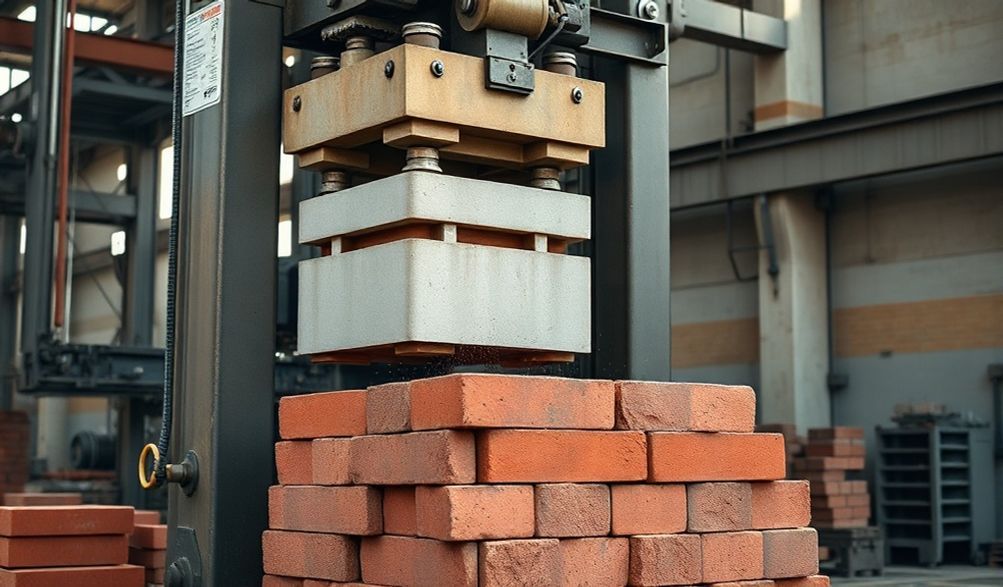
프로젝트에 맞는 최고의 벽돌 성형 기계 선택을 위한 궁극의 가이드
소개
고대 도시의 성벽에서 현대의 마천루에 이르기까지, 소박한 벽돌은 수천 년 동안 인류 건축의 기초를 이루어 왔습니다. 그러나 견고한 벽 뒤에는 항상 중요한 질문이 숨어 있습니다: 그 벽돌들은 어떻게 만들어졌을까? 오늘날 빠르게 변화하고 비용 효율성을 중시하며 품질을 추구하는 건축 환경에서 생산 방식은 단순한 세부 사항이 아니라 성공을 좌우하는 결정적 요소입니다. 잘못된 기계 선택이 프로젝트 전체의 예산, 일정, 구조적 안정성을 위태롭게 할 수도 있다면 어떨까요?
소규모 건설업체, 성장 중인 기업, 대형 계약사 모두에게 벽돌 생산은 어려움으로 가득합니다. 수작업 방식은 일관되지 않은 품질을 초래하며, 다양한 크기와 밀도로 인해 모르타르 이음매와 구조적 강도가 훼손됩니다. 고비용이고 예측 불가능한 노동력에 의존하는 것은 진도를 늦추고 예산을 부풀리게 합니다. 프로젝트 수요를 충족하기 위해 생산 규모를 확장하는 것은 종종 극복하기 어려운 장애물처럼 느껴집니다. 이러한 문제점들은 가장 철저히 계획된 건설 또는 제조 사업마저도 멈추게 할 수 있는 병목 현상을 만들어냅니다.
현대식 벽돌 성형 기계는 원료인 저렴한 재료를 놀라운 효율성으로 정밀하고 내구성 있으며 일관된 건축 자재로 변환하는 공학적 솔루션입니다. 이 가이드는 시장의 잡음과 기술적 전문 용어를 뚫고 나가도록 설계되었습니다. 그 목적은 산업 전문 지식, 공학 원리 및 실제 사용자 경험을 바탕으로 구축된 포괄적이고 편향되지 않은 매뉴얼로 여러분에게 제공되기 위함입니다. 우리는 기술 사양, 제조업체 데이터 및 실용적인 노하우를 종합하여 여러분의 특정 요구에 맞는 정보에 기반한, 확신에 찬, 신뢰할 수 있는 투자 결정을 내릴 수 있도록 도울 것입니다.
벽돌 성형 기계란 무엇인가? 핵심 기능과 종류
벽돌 성형 기계의 핵심은 오랜 역사를 가진 벽돌 제작 과정을 자동화하고 산업화하는 데 있습니다. 이는 현대적이고 확장 가능한 벽돌 생산의 초석입니다.
핵심 작동 원리 설명
디자인은 다양하지만, 기본적인 공정은 대부분의 기계에서 일관됩니다. 이를 건설 자재용으로 크고 강력하며 정밀한 쿠키 성형기라고 생각하시면 됩니다. 핵심 사이클은 네 가지 주요 단계로 이루어집니다.
- 급식준비된 혼합물(예: 콘크리트, 점토, 또는 흙-시멘트)가 호퍼에 적재됩니다.
- 압축:재료는 금형 캐비티로 공급됩니다. 여기서 엄청난 압력과 열의 조합이 가해집니다.유압 압축력(프레스 기계에서) 및/또는 고주파진동(진동 테이블에서) 공기 주머니를 제거하고 재료를 임계 밀도로 압축합니다.
- 몰딩재료는 몰드의 정확한 모양을 그대로 따릅니다—그것이 고체 블록, 중공 블록, 포장 블록, 또는 인터록킹 벽돌이든 말이죠.
- 이젝션새로 성형되고 다져진 벽돌은 양식에서 팔레트, 컨베이어 또는 경화를 위한 지면으로 밀려나옵니다.
이 기계화된 사이클은 동일한 주형에서 나온 모든 벽돌이 거의 동일하도록 보장하며, 이는 손으로 일관되게 이루기 거의 불가능한 업적입니다.
수동 vs 반자동 vs 완전 자동 기계
여기서의 선택은 당신의 노동 전략, 생산량, 그리고 초기 투자를 결정합니다.
- 수동 기계:완전히 인력(레버 시스템)으로 작동합니다. 저렴하고 휴대가 간편하며, 뒷마당 정원 벽과 같은 소규모 현장 프로젝트에 적합합니다. 생산량은 적고(하루 50~200 블록), 일관성은 작업자의 숙련도에 크게 좌우됩니다.
- 반자동 기계:이들은 중소기업을 위한 주력 장비입니다. 전기 또는 디젤 모터를 사용하여 압축 및 진동 과정을 구동하지만, 작업자가 재료를 투입하고 완성된 벽돌을 제거해야 합니다. 적절한 투자와 노동력으로 더 높은 생산량(하루 1,000~5,000 블록)을 제공하여 탁월한 균형을 제공합니다.
- 완전 자동 기계:이것은 컴퓨터로 제어되는 생산 라인입니다. 자동 공급, 성형, 적층 기능을 갖추고 있으며 경우에 따라 팔레트 반환 시스템까지 포함됩니다. 인력은 주로 감독과 유지보수에 투입됩니다. 대규모 산업 공장을 위해 설계되어, 최소한의 인력 개입으로도 대량의 일관된 생산량(하루 10,000개 이상의 블록)을 요구하는 곳에 적합합니다.
출력 및 처리 방식에 따른 키 유형
사용된 기술은 벽돌 유형과 최적의 원자재를 결정합니다.
- 정적 프레스 기계: Utilize a high-tonnage hydraulic ram to compress material into a fixed mould. Industry practice shows they are ideal for producing high-density, high-precision bricks like:
- Fly Ash Bricks (using thermal power plant waste).
- Solid Concrete Blocks.
- Interlocking Stabilized Soil Blocks (ISSB).
- 진동 테이블 기계: The mould is filled and then subjected to intense vibration on a shaking table, consolidating the concrete mix. This process is best for:
- Hollow Concrete Blocks.
- Paving Slabs & Kerbstones.
- Lightweight blocks with lower pressure requirements.
- 압출기: Primarily used for clay brick production. A continuous column (or “slug”) of wet clay is forced through a die of the desired profile, then cut into individual bricks by wires. This allows for continuous, high-volume production of traditional solid clay bricks.
구매하기 전에 고려해야 할 핵심 요소들
Selecting a machine is a strategic decision. Rushing in based on price alone is a common and costly mistake. A deep, honest assessment of your needs is paramount.
생산 요구 사항 평가하기
- Output Capacity (Blocks/Hour/Day): Don’t guess. Calculate based on your project size or sales forecast. For a construction project, estimate total bricks needed and your timeline. For a business, start with market demand. A machine operating at 80% capacity is more efficient and lasts longer than one constantly running at 110% strain.
- 벽돌 종류 및 크기: Machines are often optimized. Are you making standard 6″ hollow blocks for housing, heavy-duty pavers for driveways, or innovative interlocking bricks for dry-stack construction? Your product catalog dictates the machine type and the 곰팡이 you’ll need.
- 원자재 호환성: This is non-negotiable. The wrong machine for your material will fail.
- 클레이: Requires an extruder or a very specific type of press.
- Concrete (Cement-Sand-Aggregate): Works well with both vibrating table and hydraulic press machines.
- Fly Ash/Lime/Gypsum: Typically requires a high-pressure hydraulic press for proper chemical bonding.
- Stabilized Earth (Soil + small cement percentage): Needs a press capable of compacting the material to a waterproof state.
Machine Specifications & Features Deep Dive
Look beyond the sales brochure. These specs determine long-term performance.
- Motor Power & Operation: Is it electric (consistent power, lower noise, requires grid connection), diesel (portable, for sites without power), or a hybrid? Match the power (HP/kW) to the machine’s compression force or vibration needs. Underpowered motors burn out quickly.
- Mould Quality & Interchangeability: The mould is the heart of the machine. Look for:
- 강재 등급: High-carbon, hardened steel lasts exponentially longer than mild steel.
- 경화 과정: Induction or heat-treated moulds resist wear.
- Interchangeability: A quick-change mould system (using standard bolts vs. specialized fittings) allows you to switch product types in minutes, maximizing machine versatility and ROI.
- Cycle Time & Automation Level: How many bricks per minute/hour can it produce? Higher automation (auto-feeding, auto-stacking) drastically increases output and consistency while reducing labor costs and physical strain on workers.
- Build Quality & Durability: Inspect the frame (reinforced steel is best), the thickness of metal plates, and the quality of hydraulic hoses or vibrator mounts. A heavier, well-welded frame absorbs vibration and stress, leading to a longer lifespan and less downtime.
Total Cost of Ownership (TCO) Analysis
The purchase price is just the entry ticket. A true financial assessment includes:
- Installation & Foundation: Some heavy machines require a leveled concrete foundation.
- 훈련 Will operators be properly trained to use and maintain it?
- 유지 관리 비용: Regular lubrication, part replacement (like wear plates in the mould). Ask for a recommended maintenance schedule and spare parts price list.
- 에너지 소비 The motor’s power rating directly impacts your electricity or diesel bill.
- Parts Availability & Supplier Support: Can you get a replacement hydraulic seal or vibrator motor locally, or must it be shipped from overseas at great cost and delay? A reliable local supplier with a parts inventory is invaluable.
Top Applications & Benefits of Modern Brick Moulding Machines
The right machine isn’t just a tool; it’s a transformative asset for different players in the construction ecosystem.
For Construction Companies & Large Projects
- 현장 생산 Eliminate supply chain delays and transport costs for bulk projects. Produce bricks exactly where they are needed.
- Cost & Quality Control: Lock in material costs and ensure every brick meets your project’s specific strength and dimensional standards.
- Custom Specifications: Need a unique size, color, or texture? With a custom mould, you can produce bespoke bricks unavailable on the open market.
For Brick Manufacturing Businesses (MSMEs)
- 비즈니스 기초 A semi-automatic machine is a viable entry point to start a profitable manufacturing unit, serving local builders and contractors.
- Scalable Growth: Start with one machine and one product. As demand grows, add moulds for new products or upgrade to a more automated system.
- Market Competitiveness: Consistent quality and reliable supply build a strong reputation, allowing you to compete effectively and command better prices.
기존 방법 대비 주요 장점
- 뛰어난 품질과 균일성 Precise dimensions ensure perfect mortar joints and easier laying. Consistent density guarantees uniform compressive strength, a critical factor for structural integrity and compliance with standards like ASTM C90 for concrete masonry units.
- High Efficiency & Speed: Multiply production rates by 10x, 50x, or even 100x compared to manual labor, dramatically accelerating project timelines.
- 상당한 비용 절감 Reduce dependency on large, skilled labor crews. Minimize material waste through precise compaction.
- 비교할 수 없는 다재다능함: One machine platform can produce bricks, blocks, pavers, and landscape products, allowing you to respond to diverse market demands.
- 친환경적 잠재력: Many modern machines are designed to use industrial waste streams (like fly ash) or locally sourced stabilized earth, reducing the environmental footprint of construction.
Operation, Maintenance & Safety Best Practices
Owning a machine is a commitment to proper operation and care. Neglect here is the primary cause of premature failure.
Step-by-Step Operational Guide
- Site Prep: Ensure a level, solid base (often concrete) and adequate space for material storage and brick curing.
- Machine Setup: Follow the manufacturer’s manual to assemble, level, and secure the machine. Connect to a power source with correct voltage and safety breakers.
- Material Mixing: Achieve the correct ratio (e.g., 1:6 cement/sand for concrete) and consistency (usually a “semi-dry” mix). A consistent mix is vital for consistent bricks.
- Test Batch: Run a small batch to check brick formation, density, and surface finish. Adjust material moisture or machine settings as needed before full production.
Essential Routine Maintenance Checklist
Based on field performance reviews, a disciplined maintenance routine prevents 90% of major breakdowns.
- Daily: Clean all material residue from the mould, hopper, and press head. Check hydraulic oil levels and for leaks. Inspect electrical connections.
- Weekly: Lubricate all moving parts (pivots, guide rods) as per the manual. Check and tighten all bolts and nuts, which can loosen from constant vibration.
- Monthly: Conduct a thorough inspection of wear parts: the mould interior, wear plates, and vibration mounts. Replace as necessary. Keeping a detailed maintenance log helps track part life and schedule proactive replacements.
Operator Safety Protocols
Safety is non-negotiable. Enforce these protocols strictly:
- Mandatory PPE: Safety goggles, heavy-duty gloves, steel-toe boots, and hearing protection (especially around loud vibrators).
- 기계 안전: Never operate with safety guards removed. Ensure emergency stop buttons are functional and easily accessible. Lock out/tag out power during maintenance.
- Component Handling: Moulds and bricks are heavy. Train operators on proper lifting techniques and use mechanical aids where possible.
자주 묻는 질문 (FAQ)
Q1: What is the average production capacity of a standard brick moulding machine?
A: There is no single “standard.” Capacity ranges dramatically from about 500 blocks per 8-hour shift for a small manual press to over 10,000 blocks for a fully automatic line. The key variables are machine type, level of automation, cycle time, and operator efficiency.
Q2: Can one machine produce different types and sizes of bricks?
A: Yes, absolutely. This is achieved through interchangeable moulds. This versatility is a major advantage. However, you must verify with the supplier that the machine is designed for quick mould changes and that the moulds you want are compatible with its press head or table size.
Q3: What is the typical lead time for delivery and installation?
A: For standard models from local or regional suppliers, lead time can be 2-6 weeks. For custom-configured machines or imports, it can extend to 3-6 months. Always clarify this before ordering and factor it into your project plan.
Q4: How do I choose between a new and a used brick moulding machine?
A: A used machine offers a lower upfront cost but carries risk. Pros: cost savings. Cons: potential hidden wear, outdated technology, and lack of warranty. If considering used, it is essential to have it inspected by a qualified technician, review its maintenance history, and ensure spare parts are still available.
Q5: What kind of after-sales support should I expect from a reputable supplier?
A: A trustworthy supplier provides a comprehensive package: a detailed operation & maintenance manual, installation guidance (onsite or remote), basic operator training, a clear warranty (specifying parts and labor coverage), and most importantly, reliable access to a spare parts inventory or supply chain.
결론
Choosing the right brick moulding machine is a strategic investment that impacts your productivity, profitability, and product quality for years to come. It is not merely a purchase but a partnership with a piece of technology that will form the literal building blocks of your projects or business.
The path to the right decision is clear. First, define your requirements with precision—output, brick type, and raw material. Second, research suppliers not just on price, but on their proven expertise, technical support, and service track record. Request customer references. Third, whenever possible, request a live demonstration or visit an existing installation to see the machine in action. Finally, make your decision based on a thorough Total Cost of Ownership analysis, considering all long-term operational and support costs.
This guide was created to empower you with expert, experience-based knowledge, elevating your conversation with suppliers from a simple price inquiry to a technical discussion. It aims to build the trustworthiness you need to make a confident choice. For large-scale industrial projects, we always recommend consulting with a civil engineer or production expert to finalize specifications.
Ready to take the next step? [Download our free Brick Machine Comparison Checklist] to systematically evaluate your options and ensure you don’t overlook a critical detail in your selection process.
<