
Полное руководство по выбору лучшей машины для формовки кирпича для вашего проекта
Введение
От древних городских стен до современных небоскребов, скромный кирпич тысячелетиями служил фундаментальной опорой человеческого строительства. Но за каждой прочной стеной скрывается ключевой вопрос: как были изготовлены эти кирпичи? В современной быстро меняющейся, экономически ориентированной и требовательной к качеству строительной среде метод производства — не просто деталь, а решающий фактор успеха. Что, если неправильно выбранное оборудование может сорвать весь бюджет проекта, нарушить сроки и поставить под угрозу структурную целостность?
Для малых строителей, растущих предприятий и крупных подрядчиков производство кирпича сопряжено с трудностями. Ручные методы приводят к нестабильному качеству, когда различные размеры и плотность нарушают кладочные швы и структурную прочность. Зависимость от дорогой, непредсказуемой рабочей силы замедляет прогресс и раздувает бюджеты. Масштабирование производства для удовлетворения потребностей проекта часто кажется непреодолимым препятствием. Эти проблемные места создают узкое место, которое может затормозить даже самый хорошо спланированный строительный или производственный бизнес.
Вот современный станок для формовки кирпича: это инженерное решение, которое превращает сырье и недорогие материалы в точные, прочные и однородные строительные блоки с впечатляющей эффективностью. Это руководство создано, чтобы разобраться в рыночной суете и технических терминах. Его цель — стать вашим всесторонним, объективным пособием, основанным на отраслевых знаниях, инженерных принципах и реальном опыте пользователей. Мы объединим технические характеристики, данные производителей и практические знания, чтобы вы могли принять обоснованное, уверенное и надежное инвестиционное решение, соответствующее вашим конкретным потребностям.
Что такое машина для формовки кирпича? Основная функция и типы
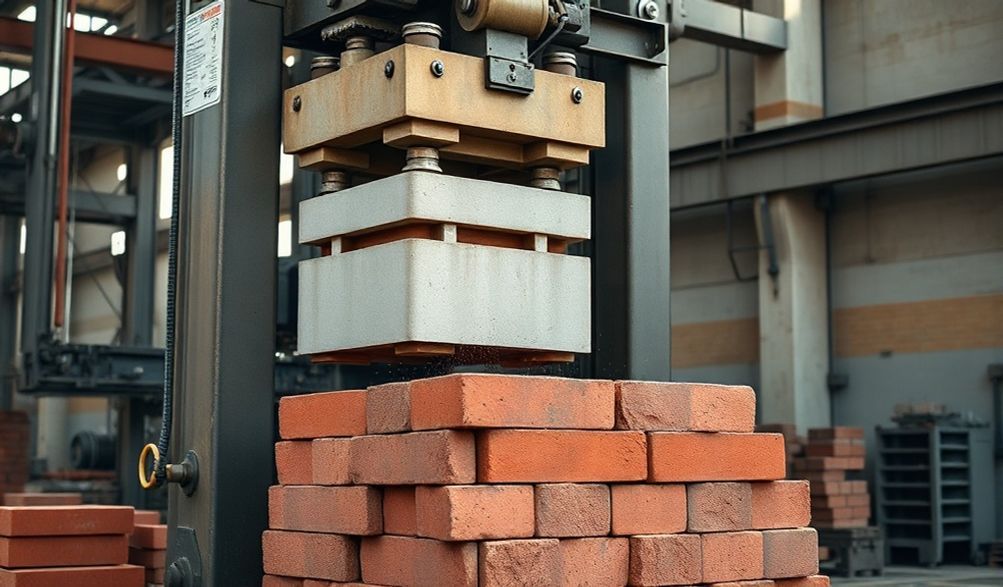
В основе своей, машина для формования кирпичей автоматизирует и индустриализирует вековой процесс изготовления кирпичей. Это краеугольный камень современного, масштабируемого производства кирпича.
Основной рабочий принцип объяснен
Хотя конструкции различаются, основной процесс остается единым для большинства машин. Представьте его как мощный и точный пресс для формовки строительных материалов. Основной цикл включает четыре ключевых этапа:
- Кормление:Готовая смесь (например, бетон, глина или грунтоцемент) загружается в бункер.
- Уплотнение:Материал подается в полость формы. Здесь, под воздействием огромного давления и высокой температуры,гидравлическая сила сжатия(в прессовых машинах) и/или высокочастотныевибрацияудаляет воздушные пустоты и уплотняет материал до критической плотности.
- Литье:Материал принимает точную форму формы — будь то сплошной блок, пустотелый блок, тротуарная плитка или блок с замковым соединением.
- Выброс:Свежесформированный и уплотненный кирпич выталкивается из формы на поддон, конвейер или землю для отверждения.
Этот механизированный цикл гарантирует, что каждый кирпич из одной формы практически идентичен — результат, которого почти невозможно последовательно достичь при ручном производстве.
Ручные, полуавтоматические и полностью автоматические машины
Ваш выбор здесь определяет вашу стратегию труда, объем производства и первоначальные инвестиции.
- Ручные станки:Работают полностью на мускульной силе (рычажные системы). Они недорогие, портативные и идеально подходят для очень небольших проектов на месте, например, для стены в саду. Производительность низкая (50–200 блоков в день), а однородность продукции сильно зависит от навыков оператора.
- Полуавтоматические станки:Это рабочие лошадки для малых и средних предприятий. Они используют электрический или дизельный двигатель для привода процесса уплотнения и вибрации, но требуют, чтобы операторы подавали материал и извлекали готовые кирпичи. Они предлагают отличный баланс, обеспечивая более высокую производительность (1000–5000 блоков в день) при умеренных инвестициях и затратах труда.
- Полностью автоматические машины:Это компьютерно-управляемые производственные линии. Они оснащены автоматической подачей материала, формованием, укладкой, а иногда даже системами возврата поддонов. Трудозатраты в основном сводятся к контролю и техническому обслуживанию. Они предназначены для крупных промышленных предприятий, требующих массового, стабильного выпуска продукции (10 000+ блоков в день) при минимальном участии человека.
Типы ключей по результату и процессу
Используемая технология определяет тип кирпича и оптимальное сырье.
- Статические прессовые машины: Utilize a high-tonnage hydraulic ram to compress material into a fixed mould. Industry practice shows they are ideal for producing high-density, high-precision bricks like:
- Fly Ash Bricks (using thermal power plant waste).
- Solid Concrete Blocks.
- Interlocking Stabilized Soil Blocks (ISSB).
- Вибростолы: The mould is filled and then subjected to intense vibration on a shaking table, consolidating the concrete mix. This process is best for:
- Hollow Concrete Blocks.
- Paving Slabs & Kerbstones.
- Lightweight blocks with lower pressure requirements.
- Экструзионные машины: Primarily used for clay brick production. A continuous column (or “slug”) of wet clay is forced through a die of the desired profile, then cut into individual bricks by wires. This allows for continuous, high-volume production of traditional solid clay bricks.
Ключевые факторы, которые следует учесть перед покупкой
Selecting a machine is a strategic decision. Rushing in based on price alone is a common and costly mistake. A deep, honest assessment of your needs is paramount.
Оценка ваших производственных потребностей
- Output Capacity (Blocks/Hour/Day): Don’t guess. Calculate based on your project size or sales forecast. For a construction project, estimate total bricks needed and your timeline. For a business, start with market demand. A machine operating at 80% capacity is more efficient and lasts longer than one constantly running at 110% strain.
- Тип и размер кирпича: Machines are often optimized. Are you making standard 6″ hollow blocks for housing, heavy-duty pavers for driveways, or innovative interlocking bricks for dry-stack construction? Your product catalog dictates the machine type and the плесень you’ll need.
- Совместимость сырья: This is non-negotiable. The wrong machine for your material will fail.
- Глина: Requires an extruder or a very specific type of press.
- Concrete (Cement-Sand-Aggregate): Works well with both vibrating table and hydraulic press machines.
- Fly Ash/Lime/Gypsum: Typically requires a high-pressure hydraulic press for proper chemical bonding.
- Stabilized Earth (Soil + small cement percentage): Needs a press capable of compacting the material to a waterproof state.
Machine Specifications & Features Deep Dive
Look beyond the sales brochure. These specs determine long-term performance.
- Motor Power & Operation: Is it electric (consistent power, lower noise, requires grid connection), diesel (portable, for sites without power), or a hybrid? Match the power (HP/kW) to the machine’s compression force or vibration needs. Underpowered motors burn out quickly.
- Mould Quality & Interchangeability: The mould is the heart of the machine. Look for:
- Марка стали: High-carbon, hardened steel lasts exponentially longer than mild steel.
- Закалка: Induction or heat-treated moulds resist wear.
- Interchangeability: A quick-change mould system (using standard bolts vs. specialized fittings) allows you to switch product types in minutes, maximizing machine versatility and ROI.
- Cycle Time & Automation Level: How many bricks per minute/hour can it produce? Higher automation (auto-feeding, auto-stacking) drastically increases output and consistency while reducing labor costs and physical strain on workers.
- Качество сборки и долговечность: Inspect the frame (reinforced steel is best), the thickness of metal plates, and the quality of hydraulic hoses or vibrator mounts. A heavier, well-welded frame absorbs vibration and stress, leading to a longer lifespan and less downtime.
Total Cost of Ownership (TCO) Analysis
The purchase price is just the entry ticket. A true financial assessment includes:
- Installation & Foundation: Some heavy machines require a leveled concrete foundation.
- Обучение: Will operators be properly trained to use and maintain it?
- Затраты на техническое обслуживание: Regular lubrication, part replacement (like wear plates in the mould). Ask for a recommended maintenance schedule and spare parts price list.
- Потребление энергии The motor’s power rating directly impacts your electricity or diesel bill.
- Parts Availability & Supplier Support: Can you get a replacement hydraulic seal or vibrator motor locally, or must it be shipped from overseas at great cost and delay? A reliable local supplier with a parts inventory is invaluable.
Top Applications & Benefits of Modern Brick Moulding Machines
The right machine isn’t just a tool; it’s a transformative asset for different players in the construction ecosystem.
For Construction Companies & Large Projects
- Производство на месте: Eliminate supply chain delays and transport costs for bulk projects. Produce bricks exactly where they are needed.
- Cost & Quality Control: Lock in material costs and ensure every brick meets your project’s specific strength and dimensional standards.
- Custom Specifications: Need a unique size, color, or texture? With a custom mould, you can produce bespoke bricks unavailable on the open market.
For Brick Manufacturing Businesses (MSMEs)
- Фундамент бизнеса: A semi-automatic machine is a viable entry point to start a profitable manufacturing unit, serving local builders and contractors.
- Scalable Growth: Start with one machine and one product. As demand grows, add moulds for new products or upgrade to a more automated system.
- Market Competitiveness: Consistent quality and reliable supply build a strong reputation, allowing you to compete effectively and command better prices.
Ключевые преимущества по сравнению с традиционными методами
- Высокое качество и единообразие: Precise dimensions ensure perfect mortar joints and easier laying. Consistent density guarantees uniform compressive strength, a critical factor for structural integrity and compliance with standards like ASTM C90 for concrete masonry units.
- High Efficiency & Speed: Multiply production rates by 10x, 50x, or even 100x compared to manual labor, dramatically accelerating project timelines.
- Значительное сокращение затрат: Reduce dependency on large, skilled labor crews. Minimize material waste through precise compaction.
- Непревзойдённая универсальность: One machine platform can produce bricks, blocks, pavers, and landscape products, allowing you to respond to diverse market demands.
- Eco-Friendly Potential: Many modern machines are designed to use industrial waste streams (like fly ash) or locally sourced stabilized earth, reducing the environmental footprint of construction.
Operation, Maintenance & Safety Best Practices
Owning a machine is a commitment to proper operation and care. Neglect here is the primary cause of premature failure.
Step-by-Step Operational Guide
- Site Prep: Ensure a level, solid base (often concrete) and adequate space for material storage and brick curing.
- Machine Setup: Follow the manufacturer’s manual to assemble, level, and secure the machine. Connect to a power source with correct voltage and safety breakers.
- Material Mixing: Achieve the correct ratio (e.g., 1:6 cement/sand for concrete) and consistency (usually a “semi-dry” mix). A consistent mix is vital for consistent bricks.
- Test Batch: Run a small batch to check brick formation, density, and surface finish. Adjust material moisture or machine settings as needed before full production.
Essential Routine Maintenance Checklist
Based on field performance reviews, a disciplined maintenance routine prevents 90% of major breakdowns.
- Ежедневно: Clean all material residue from the mould, hopper, and press head. Check hydraulic oil levels and for leaks. Inspect electrical connections.
- Weekly: Lubricate all moving parts (pivots, guide rods) as per the manual. Check and tighten all bolts and nuts, which can loosen from constant vibration.
- Monthly: Conduct a thorough inspection of wear parts: the mould interior, wear plates, and vibration mounts. Replace as necessary. Keeping a detailed maintenance log helps track part life and schedule proactive replacements.
Operator Safety Protocols
Safety is non-negotiable. Enforce these protocols strictly:
- Mandatory PPE: Safety goggles, heavy-duty gloves, steel-toe boots, and hearing protection (especially around loud vibrators).
- Безопасность машин: Never operate with safety guards removed. Ensure emergency stop buttons are functional and easily accessible. Lock out/tag out power during maintenance.
- Component Handling: Moulds and bricks are heavy. Train operators on proper lifting techniques and use mechanical aids where possible.
Frequently Asked Questions (FAQ)
Q1: What is the average production capacity of a standard brick moulding machine?
А: There is no single “standard.” Capacity ranges dramatically from about 500 blocks per 8-hour shift for a small manual press to over 10,000 blocks for a fully automatic line. The key variables are machine type, level of automation, cycle time, and operator efficiency.
Q2: Can one machine produce different types and sizes of bricks?
А: Yes, absolutely. This is achieved through interchangeable moulds. This versatility is a major advantage. However, you must verify with the supplier that the machine is designed for quick mould changes and that the moulds you want are compatible with its press head or table size.
Q3: What is the typical lead time for delivery and installation?
А: For standard models from local or regional suppliers, lead time can be 2-6 weeks. For custom-configured machines or imports, it can extend to 3-6 months. Always clarify this before ordering and factor it into your project plan.
Q4: How do I choose between a new and a used brick moulding machine?
А: A used machine offers a lower upfront cost but carries risk. Pros: cost savings. Cons: potential hidden wear, outdated technology, and lack of warranty. If considering used, it is essential to have it inspected by a qualified technician, review its maintenance history, and ensure spare parts are still available.
Q5: What kind of after-sales support should I expect from a reputable supplier?
А: A trustworthy supplier provides a comprehensive package: a detailed operation & maintenance manual, installation guidance (onsite or remote), basic operator training, a clear warranty (specifying parts and labor coverage), and most importantly, reliable access to a spare parts inventory or supply chain.
Заключение
Choosing the right brick moulding machine is a strategic investment that impacts your productivity, profitability, and product quality for years to come. It is not merely a purchase but a partnership with a piece of technology that will form the literal building blocks of your projects or business.
The path to the right decision is clear. First, define your requirements with precision—output, brick type, and raw material. Second, research suppliers not just on price, but on their proven expertise, technical support, and service track record. Request customer references. Third, whenever possible, request a live demonstration or visit an existing installation to see the machine in action. Finally, make your decision based on a thorough Total Cost of Ownership analysis, considering all long-term operational and support costs.
This guide was created to empower you with expert, experience-based knowledge, elevating your conversation with suppliers from a simple price inquiry to a technical discussion. It aims to build the trustworthiness you need to make a confident choice. For large-scale industrial projects, we always recommend consulting with a civil engineer or production expert to finalize specifications.
Ready to take the next step? [Download our free Brick Machine Comparison Checklist] to systematically evaluate your options and ensure you don’t overlook a critical detail in your selection process.
<