
Tu Guía Definitiva para Máquinas de Fabricar Ladrillos en Uganda (2024)
Introducción
El horizonte de Uganda se está transformando. Desde la bulliciosa expansión de Kampala hasta los nuevos fraccionamientos que surgen en todas las regiones, el país se encuentra en medio de un auge de construcción significativo. Este crecimiento es impulsado por la rápida urbanización, los proyectos de infraestructura liderados por el gobierno y un aumento en la inversión privada. En el corazón de cada nuevo edificio hay una necesidad fundamental: ladrillos de calidad y asequibles. Sin embargo, para muchos, el método tradicional de fabricación manual de ladrillos—un proceso lento, laborioso y que produce resultados inconsistentes—sigue siendo un cuello de botella importante para el progreso y la rentabilidad.
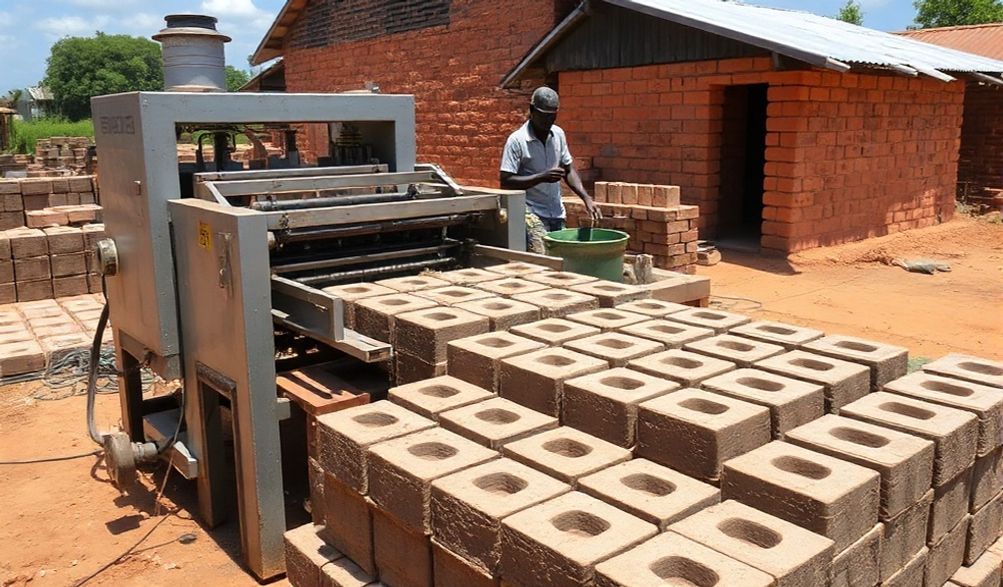
Aquí es donde la tecnología moderna ofrece una solución poderosa. Las máquinas para fabricar ladrillos están revolucionando la cadena de suministro de la construcción en Uganda, transformando materias primas locales en bloques de construcción precisos y duraderos con una eficiencia notable. Para el emprendedor en ciernes, la empresa constructora en crecimiento o el proyecto de desarrollo comunitario, estas máquinas representan más que solo equipo; son una puerta hacia la sostenibilidad, la escalabilidad y una oportunidad financiera significativa.
Esta guía está diseñada como su recurso definitivo y confiable. Basándonos en análisis de mercado, experiencia técnica y perspectivas adaptadas al panorama económico y operativo único de Uganda, buscamos ofrecer la claridad que usted necesita. Nuestro objetivo es capacitarlo con el conocimiento para navegar el mercado, evitar errores comunes y realizar una inversión segura e informada. Exploraremos los tipos de máquinas disponibles, desglosaremos las consideraciones críticas de compra, analizaremos los costos y proporcionaremos pasos prácticos para construir un negocio exitoso de fabricación de ladrillos en Uganda.
Comprendiendo el Mercado de Máquinas para Fabricar Ladrillos en Uganda
Para hacer una inversión inteligente, es esencial comprender las fuerzas que impulsan la demanda y las claras ventajas que ofrece la mecanización sobre los métodos tradicionales.
Los Impulsores de la Demanda: El Crecimiento de la Industria de la Construcción en Uganda
El mercado de los ladrillos nunca ha estado tan fuerte, gracias a varias tendencias concurrentes:
- Urbanización y Proyectos de Vivienda:Con una de las poblaciones urbanas de más rápido crecimiento en el mundo, la demanda de vivienda en ciudades y pueblos es insaciable. Esto impulsa tanto desarrollos a gran escala como la construcción de viviendas individuales.
- Desarrollo de Infraestructura Gubernamental:Los proyectos nacionales en construcción de carreteras, escuelas, hospitales y otras instalaciones públicas requieren cantidades masivas de materiales de construcción confiables.
- Auge del Sector Inmobiliario Comercial Privado:El crecimiento de centros comerciales, parques de oficinas, hoteles e instalaciones industriales amplía aún más la necesidad de un suministro constante de ladrillos de alto volumen.
Beneficios de Usar una Máquina vs. Métodos Manuales
Cambiar de la producción manual a la mecanizada no es solo una mejora; es una transformación completa de tus capacidades productivas.
- Velocidad y Volumen:Las máquinas pueden producir cientos, incluso miles, de ladrillos al día, un nivel de producción imposible de lograr únicamente con mano de obra manual.
- Calidad y Consistencia:Cada ladrillo es idéntico en tamaño, forma y densidad. Esta uniformidad garantiza la integridad estructural, simplifica la construcción y reduce el uso de mortero.
- Rentabilidad de Costos:Aunque la inversión inicial es mayor, los ahorros a largo plazo son sustanciales. Reduces drásticamente los costos de mano de obra por ladrillo y minimizas el desperdicio de material.
- Versatilidad:Muchas máquinas pueden equiparse con diferentes moldes para producir varios tipos de ladrillos: macizos, huecos, de pavimento y, más notablemente,bloques entrelazados—permitiéndole satisfacer las diversas necesidades del mercado.
- Sostenibilidad:Las máquinas que producen ladrillos de suelo estabilizado (usando tierra local mezclada con una pequeña cantidad de cemento) reducen el daño ambiental causado por la cocción de ladrillos de arcilla (deforestación para hornos) y promueven el uso de recursos disponibles localmente.
Tipos de máquinas para hacer ladrillos disponibles en Uganda
El mercado ofrece una gama de máquinas para adaptarse a diferentes escalas de operación y presupuestos. Entender estas categorías es tu primer paso crítico.
Máquinas Manuales para Hacer Ladrillos
- Descripción:Estas son prensas operadas manualmente, que a menudo aprovechan un mecanismo de palanca para comprimir la mezcla de suelo-cemento en un molde. Son accionadas por humanos, portátiles y tienen el costo inicial más bajo.
- Mejor Para:Constructores individuales para proyectos personales, startups de muy pequeña escala, organizaciones comunitarias, o como una introducción de bajo riesgo a la producción de ladrillos.
- Ventajas y Desventajas:
- Pros: Very affordable, no power required, simple to use and maintain, highly portable.
- Contras: Low production output (typically 300-500 bricks per day), physically demanding, quality heavily dependent on operator skill.
Máquinas Semiautomáticas para Fabricar Ladrillos
- Descripción: These machines use an electric or diesel engine to power a vibration and compression system. Operators manually feed the raw material, but the forming and compaction are mechanized.
- Mejor Para: Small to Medium Enterprises (SMEs), growing block yards, and contractors looking to supply local markets consistently. This is the most popular category for serious commercial ventures.
- Ventajas y Desventajas:
- Pros: Excellent balance of output and cost, higher and more consistent quality than manual machines, can produce various block types, good efficiency.
- Contras: Requires a power source (grid or generator), higher initial investment than manual machines, requires basic operational training.
Máquinas para Fabricar Ladrillos Completamente Automáticas
- Descripción: These are industrial-grade production lines. They feature automated material feeding, mixing, molding, curing, and sometimes even palletizing. They are controlled via programmable logic controllers (PLCs).
- Mejor Para: Large-scale commercial plants, major construction companies supplying national projects, and investors targeting the high-volume market.
- Ventajas y Desventajas:
- Pros: Extremely high output (thousands of bricks per hour), minimal manual labor required, pinnacle of consistency and quality.
- Contras: Very high capital investment, requires significant space and stable three-phase power, complex maintenance, and technical expertise to operate.
Máquinas para Ladrillos Móviles vs. Estacionarias
- Máquinas Móviles: Mounted on a trailer, these can be towed directly to a construction site. Ideal for producing bricks in situ, eliminating transport costs for large projects. Most common in the manual and semi-automatic categories.
- Máquinas Estacionarias: Set up in a fixed location or factory. Suited for establishing a permanent block yard that supplies a surrounding area. Necessary for fully automatic production lines.
Key Factors to Consider Before Buying in Uganda
Choosing the right machine is a strategic decision. Focus on these critical factors tailored to the Ugandan context.
Production Capacity & Scale
Don’t just buy the biggest machine you can afford. Buy the one that matches your realistic business plan.
* Calcula Tus Necesidades: Estimate your current and near-future demand. How many bricks do you need to produce per 8-hour shift? A machine that sits idle is as bad as one that can’t keep up with orders.
* Match to Your Plan: Are you supplying a single project, a local community, or a wider region? Your scale of operation dictates the machine category.
Brick Type and Raw Material Compatibility
The machine must work with the materials you have.
* Soil Testing is Crucial: The quality of your local soil is paramount. Reputable suppliers should offer or recommend soil testing to determine the right cement-to-soil ratio for strong Stabilized Soil Bricks (SSBs).
* Choose Your Output: Decide what you want to produce. Interlocking Stabilized Soil Bricks (ISSBs) are highly recommended for the Ugandan market—they build faster, use less mortar, and create very strong walls. Ensure the machine you choose has the specific mold you need.
* Flexibilidad del Material: Some machines are designed primarily for soil-cement, while others can handle concrete. Know your primary raw material.
Power Source: Electric, Diesel, or Hybrid?
Uganda’s power reliability must influence this decision.
* Eléctrico: Cleaner and cheaper to run if you have a reliable grid connection. Vulnerable to outages.
* Diésel: Independent of the grid, essential for sites with no power. Higher fuel and maintenance costs, but offers uninterrupted operation.
* Híbrido: Offers the flexibility to switch between grid power and a built-in diesel engine, providing a good balance for areas with intermittent power.
Budget: Initial Investment vs. Total Cost of Ownership
The purchase price is just the beginning.
* Machine Price: Get clear quotes.
* Costos Ocultos: Import duties and shipping can add 30-50%+ to the cost of an internationally sourced machine. Always factor this in.
* Total Cost: Consider installation, operator training, maintenance costs, and spare parts availability. A cheaper machine with no local service support can become a very expensive paperweight.
Finding Reliable Suppliers of Brick Machines in Uganda
Your supplier is as important as the machine itself. Strong after-sales support is non-negotiable.
Local Dealers and Distributors
- Ventajas: They offer local showrooms for demonstrations, easier communication, and—most importantly—accessible after-sales service, maintenance, and spare parts.
- How to Vet Them: Visit their physical office/workshop. Insist on contacting past clients and, if possible, visit an existing installation to see a machine in operation.
Direct Import from International Manufacturers
- Ventajas: Potentially lower unit cost and access to a wider range of models and brands.
- Desafíos: Navigating shipping logistics, customs clearance (UBRA), and the high risk of receiving zero local technical support. Lead times for spare parts can be months.
- Procurement Tip: If importing, use a reputable freight forwarder, understand all tax implications (VAT, import duty), and budget for a container inspection.
Evaluating Supplier Credibility (E-E-A-T Focus)
Apply these principles to assess any supplier:
* Experiencia: How many years have they been operating and servicing machines in Uganda?
* Experiencia: Do they provide comprehensive training? Can they advise on soil mix and brick curing? Do they have in-house technicians?
* Autoridad: Are they authorized dealers for known brands? Do they have partnerships or certifications?
* Confianza: Do they offer a clear, written warranty? Do they have verifiable customer testimonials or case studies? Is their pricing transparent?
The Business Case: Costs and Profitability Analysis
Let’s translate this into financials. (Note: Prices are estimates and can fluctuate.)
Estimated Price Ranges for Machines in Uganda
- Prensas Manuales: UGX 1.5 million – UGX 4 million ($400 – $1,000).
- Máquinas Semiautomáticas: UGX 8 million – UGX 40 million ($2,000 – $10,000), depending on size and features.
- Plantas Completamente Automáticas: UGX 100 million+ ($25,000+), often much higher.
Calculating Your Return on Investment (ROI)
A simplified model for a semi-automatic machine:
1. Revenue: (Sale Price per Brick) x (Daily Production) x (Working Days).
* Ejemplo: UGX 500/brick x 800 bricks/day x 22 days/month = UGX 8.8 million monthly revenue.
2. Costs: Add up monthly costs for raw materials (soil, cement), labor, power/fuel, site rent, and machine depreciation/loan repayment.
3. Profit & Break-Even: Subtract total costs from revenue. Your break-even point is when cumulative profit covers the total initial investment. With good management, a semi-automatic machine can often pay for itself within 12-18 months.
Navigating Challenges: Practical Tips for Success
- Secure Raw Materials: Establish reliable, cost-effective sources for soil and cement. Consistency in input quality equals consistency in your bricks.
- Invest in Training: A well-trained operator who can perform basic maintenance will save you thousands in repair costs and downtime.
- Market Your Bricks: Don’t just produce. Build relationships with local builders, contractors, and hardware shops. Showcase samples and the benefits of your machine-made, especially interlocking, bricks.
Frequently Asked Questions (FAQ) About Brick Making Machines in Uganda
Q1: What is the cheapest brick making machine available in Uganda?
A: Basic manual brick presses are the most affordable, with prices starting from approximately UGX 1.5 million. However, carefully assess if its production capacity meets your needs before opting for the lowest-cost solution.
Q2: Can I get training on how to operate and maintain the machine?
A: Any reputable supplier must provide basic operational training upon installation. Inquire about the depth of training and the availability of maintenance workshops or detailed manuals in a language your operators understand.
Q3: Where can I find spare parts if my machine breaks down?
A: This is a critical question before purchase. Prioritize suppliers who stock common spare parts (like moulds, bearings, belts) locally in Uganda, ideally in Kampala or major towns, to ensure quick repairs and minimal downtime.
Q4: Are there financing options available for purchasing a machine?
A: Yes. Some established local suppliers offer installment payment plans. Additionally, explore equipment financing or SME loans from Ugandan banks like Centenary Bank, Stanbic Bank, or microfinance institutions dedicated to supporting small businesses.
Q5: Which type of brick is most marketable in Uganda right now?
A: Interlocking Stabilized Soil Bricks (ISSBs) are seeing rapidly growing demand. They are cost-effective for builders (saving on mortar and construction time), strong, and thermally efficient. Producing ISSBs is a strategically smart choice for market relevance.
Conclusión
Navigating the world of brick making machines in Uganda is a journey that blends technical understanding with sharp business acumen. The opportunity is real and significant, driven by the nation’s unwavering construction growth. The key to unlocking this potential lies not in buying the biggest machine, but in choosing the derecha one—a machine that aligns with your production goals, works with your local materials, and is backed by a supplier you can trust for years to come.
Remember, this investment is a partnership. The credibility, experience, and post-sale support of your supplier will be the bedrock of your operation’s success. We have designed this guide to be that trustworthy, expert-backed resource to cut through the noise and empower your decision-making.
Your next step is to move from research to action. Refine your business plan, visit the workshops of shortlisted suppliers in Uganda, see the machines in person, and ask the hard questions about support and spare parts. Request a detailed quotation and a realistic profitability projection for your specific context. The foundation for a successful venture in Uganda’s building industry is ready to be laid—brick by precise, machine-made brick.
<