
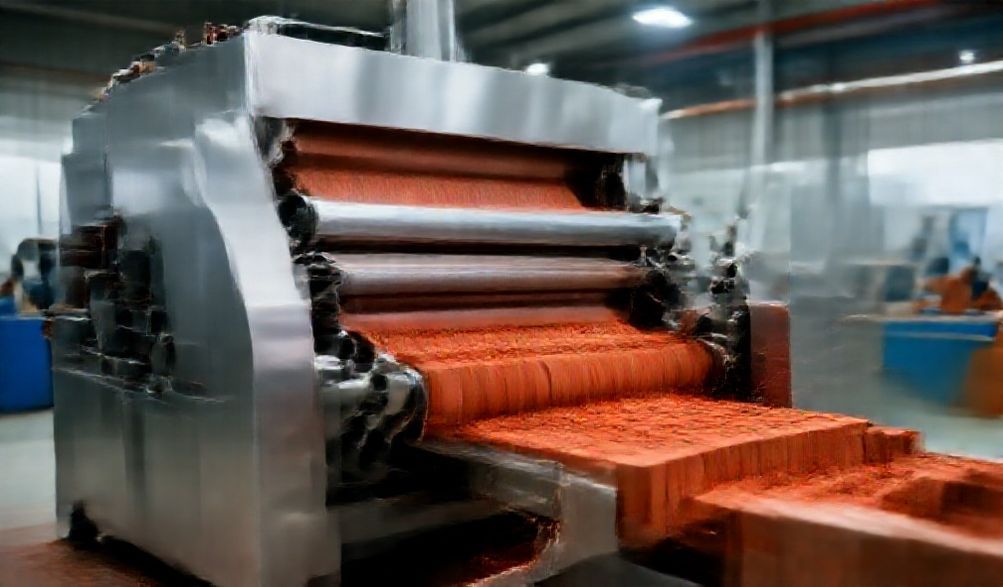
La Guía Definitiva sobre las Máquinas para Fabricar Ladrillos de Arcilla de la Fábrica FUDA de China
Introducción
En una era de rápida urbanización y un creciente énfasis en la construcción sostenible, la demanda de materiales de construcción duraderos, rentables y respetuosos con el medio ambiente nunca ha sido mayor. Entre las alternativas modernas, los ladrillos de arcilla se destacan como una solución atemporal, probada a lo largo de milenios. Sin embargo, para los emprendedores y empresas que buscan ingresar o expandirse en esta industria esencial, se presenta un desafío significativo: conseguir maquinaria de producción de ladrillos confiable, eficiente y asequible.
Aquí es donde la experiencia marca la diferencia. Navegar por el panorama global de la manufactura requiere un socio con un profundo conocimiento técnico y un historial comprobado. Aquí es donde entra FUDA Block Making Factory, una fuerza líder en el sector de maquinaria industrial de China, especializada en la ingeniería y producción de equipos de alta calidad.Máquinas para hacer ladrillos de arcilla.
Esta guía sirve como su recurso experto e imparcial. Iremos más allá de los argumentos de venta básicos para proporcionar un análisis detallado y basado en el conocimiento. Nuestro objetivo es dotarle de la información necesaria para tomar una decisión segura e informada para su negocio. Obtendrá una comprensión clara del valor perdurable del ladrillo de arcilla, la mecánica de la producción moderna, las ventajas específicas de asociarse con un fabricante establecido como FUDA y una hoja de ruta práctica para una adquisición exitosa.
¿Por qué los Ladrillos de Arcilla Siguen Siendo un Material de Construcción de Primera?
Antes de invertir en maquinaria, es crucial entender la fortaleza del producto en el mercado. Los ladrillos de arcilla no son una reliquia del pasado; son un material de construcción continuamente relevante con ventajas inherentes que las alternativas modernas tienen dificultades para igualar.
Durabilidad y Longevidad Inigualables
Los ladrillos de arcilla son sinónimo de permanencia. Su rendimiento está arraigado en la ciencia de los materiales.
* Integridad Estructural:Cocida a temperaturas extremadamente altas, la arcilla sufre un proceso de vitrificación, resultando en un producto con una resistencia a la compresión excepcional. Esto permite que las estructuras de ladrillo soporten cargas significativas y resistan el estrés ambiental durante siglos.
* Resistencia al Fuego:Como material cerámico, el ladrillo de arcilla es inherentemente no combustible. Proporciona una barrera contra incendios crucial, una característica de seguridad vital en la construcción residencial y comercial.
* Mantenimiento Mínimo:El ladrillo es resistente a la putrefacción, el moho y el daño por insectos. No requiere tratamientos químicos ni pintura frecuente, lo que conduce a costos de mantenimiento a largo plazo considerablemente más bajos en comparación con muchos otros materiales para exteriores.
Aislamiento Natural y Eficiencia Energética
Los ladrillos contribuyen significativamente al rendimiento térmico de un edificio a través del concepto de masa térmica.
* Masa Térmica:Los ladrillos de arcilla absorben, almacenan y liberan calor lentamente. Esta regulación natural modera las temperaturas interiores, manteniendo los interiores más frescos en verano y más cálidos en invierno.
* Demanda de Energía Reducida:Al suavizar las fluctuaciones diarias de temperatura, la construcción con ladrillo reduce la dependencia de los sistemas HVAC. Esto se traduce directamente en un menor consumo de energía y facturas de servicios más bajas durante la vida útil del edificio, un punto de venta clave en el mercado actual consciente de la energía.
Sostenibilidad y Beneficios Ambientales
En una era enfocada en la construcción ecológica, los ladrillos de arcilla ofrecen credenciales ecológicas convincentes.
* Composición Natural:La materia prima principal es esquisto o arcilla superficial, abundante y de origen natural.
* Reciclabilidad y Reusabilidad:Al final de la vida útil de un edificio, los ladrillos pueden limpiarse y reutilizarse en nuevas construcciones o triturarse para usarse como agregado, relleno sanitario o material de paisajismo, creando un ciclo de vida circular.
* Evaluación del Ciclo de Vida de Larga Duración (LCA):Aunque el proceso de cocción requiere energía, la extraordinaria durabilidad y las propiedades aislantes de los ladrillos significan que suenergía incorporadala energía total utilizada durante la vida útil del producto es muy favorable cuando se amortiza a lo largo de más de 100 años de servicio.
Comprensión de la Maquinaria para la Fabricación de Ladrillos de Arcilla
La producción moderna de ladrillos es un proceso sofisticado que transforma la arcilla cruda en unidades precisas y consistentes. Comprender la maquinaria es clave para seleccionar el sistema adecuado.
Componentes Clave de una Máquina Moderna para Hacer Ladrillos
Una línea automatizada estándar integra varias estaciones clave:
1. Mezcladora:Mezcla arcilla cruda con cantidades precisas de agua (y a veces aditivos) para lograr una consistencia homogénea y plástica, óptima para la extrusión.
2. Extrusora (o Amasadora de Arcilla):El corazón de la máquina. Compacta y desairea la mezcla de arcilla preparada, forzándola a través de un dado para formar una columna continua de arcilla con el perfil deseado (sólido, perforado, etc.).
3. Cortador:Utiliza alambres o cuchillas para cortar la columna de arcilla extruida en ladrillos individuales y húmedos (conocidos como ladrillos "verdes") con dimensiones exactas.
4. Sistema de Control:El cerebro de la operación. Los sistemas modernos de PLC (Controlador Lógico Programable) automatizan todo el proceso, permitiendo un control preciso sobre la velocidad de extrusión, la frecuencia de corte y la sincronización general para lograr la máxima eficiencia y consistencia.
Tipos de máquinas: Desde líneas semiautomáticas hasta completamente automáticas
El nivel de automatización que elijas depende de tu escala, presupuesto y disponibilidad de mano de obra.
* Máquinas Manuales/A Pequeña Escala:A menudo, prensas simples de una sola función. Requieren una cantidad significativa de mano de obra para la alimentación, moldeado y extracción. Adecuadas para producción de muy bajo volumen o artesanal.
* Máquinas Semiautomáticas:Automatiza procesos clave como el mezclado y la extrusión, pero puede requerir manejo manual para el ajuste de moldes, retiro de ladrillos o apilamiento. Ofrece un buen equilibrio entre costo y mayor producción para pequeñas y medianas empresas.
* Líneas de Producción Completamente Automáticas:Representa la cúspide de la eficiencia. Estos sistemas integrados manejan todo el proceso, desde la alimentación de materia prima hasta el apilado automático de ladrillos verdes en vagonetas de horno o tarimas. Están diseñados para una producción de alto volumen y consistente con una intervención manual mínima.
Especificaciones Técnicas Clave que Debes Conocer
Al evaluar máquinas, concéntrate en estas especificaciones críticas:
* Capacidad de Salida: Measured in bricks per hour (or per 8-hour shift). This must align with your business plan.
* Requisitos de Energía: Voltage (e.g., 380V/50Hz) and total power consumption (KW). Ensure your facility can support it.
* Tipos de Moldes e Intercambiabilidad: The mold defines the brick’s shape and size. Systems that allow for quick mold changes increase operational flexibility.
* Extrusion Pressure & Vacuum System: Higher de-airing vacuum and extrusion pressure typically produce denser, stronger bricks with better dimensional stability.
Spotlight on FUDA Block Making Factory: Expertise You Can Trust
With numerous global suppliers, why focus on a specific Chinese factory? The answer lies in depth of specialization, proven history, and a commitment to partnership. FUDA Block Making Factory exemplifies these qualities.
Decades of Manufacturing Experience & Industry Authority
FUDA is not a generic trading company. It is an established manufacturer with deep roots in the brick and block machinery industry. Founded over two decades ago, FUDA has grown by focusing exclusively on construction machinery. This long-term focus has allowed them to:
* Accumulate vast, practical knowledge about clay behaviors, production challenges, and market needs worldwide.
* Continuously refine their machine designs based on real-world feedback from hundreds of installations across different continents.
* Build a reputation as a specialist, not a generalist, which is critical for complex industrial equipment.
Compromiso con la I+D y la Innovación Tecnológica
To stay at the forefront, FUDA invests significantly in its Research and Development department. This commitment translates to tangible benefits for buyers:
* Efficiency Upgrades: Constant refinement of gearboxes, drive systems, and control software to reduce energy consumption per brick and increase overall line efficiency.
* Material Science Integration: Working with material scientists to optimize machine parameters for different clay types, ensuring consistent quality even with variable raw materials.
* Smart Manufacturing Features: Incorporating user-friendly HMI (Human-Machine Interface) touchscreens, fault diagnosis systems, and data logging capabilities for modern, manageable production.
Quality Control and Manufacturing Standards
Quality is engineered into every machine from the ground up at the FUDA factory.
* Abastecimiento de Materiales: Critical components like hydraulic systems, PLCs, bearings, and steel are sourced from reputable, often name-brand, suppliers to ensure reliability.
* In-House Manufacturing & Testing: Key structural components are fabricated and machined in-house under strict tolerances. Every completed machine undergoes a rigorous Factory Acceptance Test (FAT), running for hours under load to verify performance before it is approved for shipment.
* International Compliance: FUDA machines are engineered to meet relevant international safety and quality standards, such as CE certification, which is a mandatory requirement for the European market and a strong indicator of quality for buyers globally.
A Comprehensive Product Portfolio for Every Need
Understanding that one size does not fit all, FUDA offers a scalable range of solutions:
* Entry-Level Semi-Automatic Machines: For entrepreneurs and small businesses starting their production journey.
* High-Capacity Fully Automatic Lines: For large-scale brick plants and industrial producers aiming for maximum output.
* Turnkey Project Support: For clients establishing a complete new factory, FUDA can provide comprehensive support, from plant layout design to machinery supply, installation guidance, and technician training.
How to Choose the Right Clay Brick Machine for Your Project
Selecting machinery is a strategic investment. Here’s a framework to guide your decision-making process.
Assessing Your Production Volume and Business Goals
Comienza con un plan de negocios claro.
* Calculate Realistic Demand: Analyze your target market. What is your current and projected 5-year sales volume?
* Match Machine to Volume: Choose a machine that can comfortably meet your peak demand without constant overloading. A good rule is to select a machine with a 20-30% higher capacity than your current needs to allow for growth.
* Consider Shifts: Can you operate one 8-hour shift or three? A smaller machine running multiple shifts can sometimes be more economical than a larger, underutilized one.
Evaluating Automation Level and Labor Requirements
Automation is a trade-off between capital expenditure and operating costs.
* Labor Cost vs. Machine Cost: In regions with high labor costs, investing in a fully automatic line quickly justifies itself through labor savings and consistency. Where labor is more affordable, a semi-automatic system may offer a faster ROI.
* Skill Availability: Fully automatic lines require more skilled technicians for maintenance and programming. Ensure you have access to this talent or that the supplier provides exceptional training.
* Consistency & Waste Reduction: Automated systems drastically reduce human error, leading to more consistent brick quality and lower rates of waste (breakage, dimensional inaccuracy).
Importance of After-Sales Support and Service
The machine’s quality is only half the equation; the supplier’s support completes it. This is a critical area where FUDA builds long-term partnerships.
* Instalación y Puesta en Marcha: Does the supplier provide on-site technician support to install and commission the machine? FUDA typically offers this crucial service.
* Entrenamiento Integral: Operators and maintenance staff must be thoroughly trained on the machine’s operation, daily checks, and basic troubleshooting.
* Garantía y Refacciones: A clear warranty (e.g., 12-18 months on core components) is essential. Equally important is the guaranteed availability of spare parts and the ability to ship them quickly anywhere in the world to minimize downtime.
The Practical Guide to Sourcing from China’s FUDA Factory
Navigating an international machinery purchase can seem daunting. Breaking it down into clear steps makes the process transparent and manageable.
Step-by-Step Procurement Process
A typical professional procurement journey follows this sequence:
1. Initial Inquiry: You contact FUDA with your basic requirements (desired brick type, target output, level of automation).
2. Technical Discussion: FUDA’s engineering team engages in detailed discussions to understand your raw material properties and specific needs, recommending the most suitable machine model.
3. Formal Quotation: You receive a detailed proforma invoice outlining machine specifications, price, payment terms, delivery time, and warranty details.
4. Payment & Contract: Upon agreement, a sales contract is signed, and an initial deposit (commonly 30-50%) is paid to initiate production.
5. Production & Inspection: During manufacturing, you can request photos/videos. Before shipping, you or a third-party inspector can witness the Factory Acceptance Test (FAT).
6. Shipping & Delivery: After final payment, the machine is professionally crated and shipped via your chosen Incoterms.
Navigating Logistics, Shipping, and Customs
Being prepared smoothes the logistics phase.
* Understand Incoterms: Key terms are FOB (Free On Board) and CIF (Cost, Insurance, and Freight). FOB means you own the goods and control the shipping once they leave the Chinese port. CIF means the supplier arranges and pays for shipping to your nearest port. FOB often offers more control and potential cost savings.
* Choose a Reliable Freight Forwarder: If going FOB, work with a forwarder experienced in heavy machinery to handle ocean freight, customs clearance at your port, and final land transport to your factory.
* Prepare Documentation: Ensure you understand the import duties, taxes, and any required certifications (like SONCAP, COC, etc.) for your country. Your freight forwarder is key here.
Ensuring a Smooth Installation and Commissioning
The project isn’t complete until the machine is producing bricks on your floor.
* Site Preparation: Follow FUDA’s foundation and utility (power, water) guidelines precisely before the machine arrives.
* Leverage Technical Support: Take full advantage of the on-site installation and commissioning service offered by FUDA’s technicians. Their hands-on guidance is invaluable.
* Initial Production Run: Use this period to fine-tune the machine with your local clay and produce your first batches under expert supervision.
Frequently Asked Questions (FAQ)
Q1: What is the typical lead time for a clay brick making machine from FUDA factory?
A: For standard models, the lead time is typically 30-45 days after receiving the deposit. For fully customized lines or large turnkey projects, it can extend to 60-90 days. The timeline is confirmed during the quotation stage.
Q2: Can FUDA provide custom molds for special brick shapes and sizes?
A: Absolutely. Custom mold design and manufacturing is a core service. You can provide drawings or samples, and FUDA’s engineering team will design and produce the molds. Lead time for custom molds is additional, usually 15-25 days.
Q3: What kind of after-sales service and warranty does FUDA offer?
A: FUDA typically provides a 12-18 month warranty on core components. They offer lifetime technical support via email, WhatsApp, and video call. Comprehensive operation and maintenance manuals, along with part lists and diagrams, are provided. Critical spare parts are guaranteed to be available for long-term support.
Q4: How does FUDA ensure the machine’s quality before shipment?
A: Every machine undergoes a mandatory Factory Acceptance Test (FAT). This involves assembling the machine, running it under full load for a sustained period, and checking all functions. Buyers are welcome to attend this test in person or via live video stream to verify performance before shipping.
Q5: What are the main advantages of choosing a Chinese manufacturer like FUDA over local suppliers?
A: The primary advantages are rentabilidad without sacrificing quality, direct access to the engineering and manufacturing team, and vast experience in exporting to diverse global markets. Chinese manufacturers like FUDA operate within a mature industrial ecosystem, allowing them to integrate high-quality components at a competitive price point, which is often difficult for local assemblers to match.
Conclusión
The journey to establishing or upgrading a clay brick production facility is anchored in two key decisions: the commitment to a timeless building material and the selection of the right production partner. Clay bricks offer enduring structural, environmental, and economic benefits that secure their place in the future of construction. The machinery that produces them is the engine of your business, and its reliability, efficiency, and support define your operational success.
As we have detailed, choosing a partner like Fábrica de Bloques FUDA means more than just buying a machine; it means gaining access to decades of specialized engineering experience, a robust quality-controlled manufacturing process, and a partnership-focused approach to after-sales support. This guide, rooted in industry expertise and a transparent look at the procurement process, is designed to empower your decision with knowledge.
Take the next step with confidence.
* Primary CTA: Request a Detailed Quotation and Project Consultation from FUDA’s Engineering Team.
* Secondary CTA: Download our Comprehensive Clay Brick Machine Specification Catalog.
Investing in a high-quality clay brick making machine from a reputable manufacturer is not merely a purchase—it is a strategic foundation for long-term business growth, stability, and your contribution to building a more durable world.
<