
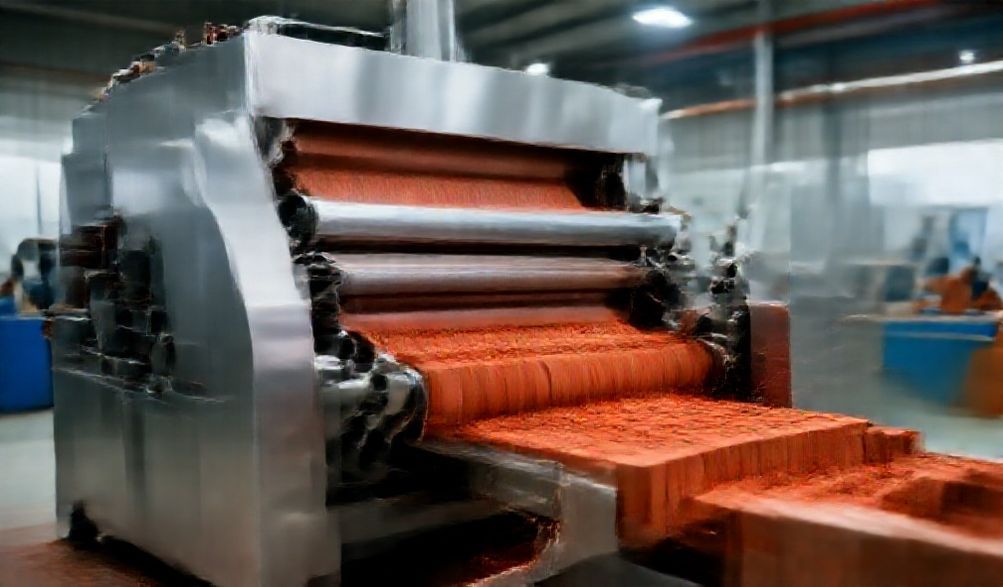
Guia Definitivo para Máquinas de Fabricação de Tijolos de Argila da Fábrica FUDA da China
Introdução
Em uma era de rápida urbanização e crescente ênfase na construção sustentável, a demanda por materiais de construção duráveis, econômicos e ecologicamente conscientes nunca foi tão alta. Entre as alternativas modernas, os tijolos de barro se destacam como uma solução atemporal, comprovada ao longo de milênios. No entanto, para empreendedores e empresas que buscam entrar ou expandir-se neste setor essencial, um desafio significativo se apresenta: encontrar maquinário de produção de tijolos confiável, eficiente e acessível.
É aqui que a expertise faz a diferença. Navegar pelo cenário global de manufatura exige um parceiro com profundo conhecimento técnico e um histórico comprovado. É aí que entra a FUDA Block Making Factory, uma força líder no setor de maquinário industrial da China, especializada na engenharia e produção de equipamentos de alta qualidade.máquinas para fabricar tijolos de barro.
Este guia serve como seu recurso especializado e imparcial. Vamos além dos argumentos de vendas básicos para fornecer uma análise detalhada e fundamentada em conhecimento. Nosso objetivo é equipá-lo com os insights necessários para tomar uma decisão confiante e bem-informada para o seu negócio. Você obterá uma compreensão clara do valor duradouro do tijolo de barro, da mecânica da produção moderna, das vantagens específicas de se associar a um fabricante estabelecido como a FUDA e um roteiro prático para uma aquisição bem-sucedida.
Por que os Tijolos de Barro Continuam Sendo um Material de Construção de Primeira Linha
Antes de investir em maquinário, é crucial entender a força de mercado do produto. Os tijolos de barro não são uma relíquia do passado; eles são um material de construção continuamente relevante, com vantagens inerentes que as alternativas modernas têm dificuldade em igualar.
Durabilidade e Longevidade Inigualáveis
Tijolos de barro são sinônimos de permanência. Seu desempenho está enraizado na ciência dos materiais.
* Integridade Estrutural:Queimada em temperaturas extremamente altas, a argila passa por um processo de vitrificação, resultando em um produto com excepcional resistência à compressão. Isso permite que estruturas de tijolo suportem cargas significativas e resistam ao estresse ambiental por séculos.
* Resistência ao Fogo:Como material cerâmico, o tijolo de barro é intrinsecamente não combustível. Ele fornece uma barreira crítica contra incêndios, uma característica de segurança vital na construção residencial e comercial.
* Manutenção Mínima:O tijolo é resistente à podridão, mofo e danos causados por insetos. Ele não requer tratamentos químicos ou pinturas frequentes, resultando em custos de manutenção a longo prazo significativamente mais baixos em comparação com muitos outros materiais de revestimento externo.
Isolamento Natural e Eficiência Energética
Os tijolos contribuem significativamente para o desempenho térmico de um edifício através do conceito de massa térmica.
* Massa Térmica:Tijolos de barro absorvem, armazenam e liberam calor lentamente. Essa regulação natural modera as temperaturas internas, mantendo os interiores mais frescos no verão e mais quentes no inverno.
* Demanda de Energia Reduzida:Ao suavizar as flutuações diárias de temperatura, a alvenaria de tijolos reduz a dependência de sistemas de HVAC. Isso se traduz diretamente em menor consumo de energia e contas de serviços públicos mais baixas ao longo da vida útil do edifício, um ponto de venda crucial no mercado atual, consciente do uso de energia.
Sustentabilidade e Benefícios Ambientais
Em uma era focada na construção verde, os tijolos de argila oferecem credenciais ecológicas convincentes.
* Composição Natural:A matéria-prima principal é o xisto ou argila de superfície, abundante e de ocorrência natural.
* Reciclabilidade e Reusabilidade:No final da vida útil de um edifício, os tijolos podem ser limpos e reutilizados em novas construções ou triturados para uso como agregado, material de aterro ou paisagismo, criando um ciclo de vida circular.
* Avaliação de Ciclo de Vida de Longo Prazo (LCA):Embora o processo de queima exija energia, a durabilidade extraordinária e as propriedades isolantes dos tijolos significam que suaenergia incorporada—a energia total utilizada ao longo da vida do produto—é altamente favorável quando amortizada ao longo de mais de 100 anos de serviço.
Entendendo a Maquinaria para Fabricação de Tijolos de Barro
A produção moderna de tijolos é um processo sofisticado que transforma argila bruta em unidades precisas e consistentes. Compreender a maquinaria é fundamental para selecionar o sistema correto.
Componentes Principais de uma Máquina Moderna de Fabricação de Tijolos
Uma linha automatizada padrão integra várias estações-chave:
1. Misturador:Mistura argila crua com quantidades precisas de água (e às vezes aditivos) para obter uma consistência homogênea e plástica ideal para extrusão.
2. Extrusora (ou Moinho de Argila):O coração da máquina. Ele compacta e desaera a mistura de argila preparada, forçando-a através de uma matriz para formar uma coluna contínua de argila com o perfil desejado (sólido, perfurado, etc.).
3. Cortador:Usa arames ou lâminas para cortar a coluna de argila extrudada em tijolos úmidos individuais (conhecidos como tijolos "verdes") com dimensões exatas.
4. Sistema de Controle:O cérebro da operação. Os sistemas modernos de CLP (Controlador Lógico Programável) automatizam todo o processo, permitindo controle preciso sobre a velocidade de extrusão, a frequência de corte e a sincronização geral para máxima eficiência e consistência.
Tipos de Máquinas: De Linhas Semiautomáticas a Totalmente Automáticas
O nível de automação que você escolhe depende da sua escala, orçamento e disponibilidade de mão de obra.
* Máquinas Manuais/De Pequena Escala:Frequentemente prensas simples de função única. Exigem trabalho manual significativo para alimentação, moldagem e remoção. Adequadas para produções de volume muito baixo ou artesanais.
* Máquinas Semiautomáticas:Automatize processos principais como mistura e extrusão, mas pode exigir manuseio manual para ajuste de moldes, remoção de tijolos ou empilhamento. Oferece um bom equilíbrio entre custo e aumento de produção para pequenas e médias empresas.
* Linhas de Produção Totalmente Automáticas:Represente o auge da eficiência. Esses sistemas integrados gerenciam todo o processo, desde a alimentação de matéria-prima até o empilhamento automático de tijolos verdes em vagonetas de forno ou paletes. Eles são projetados para produção em alto volume e consistente, com intervenção manual mínima.
Principais Especificações Técnicas para Conhecer
Ao avaliar máquinas, concentre-se nestas especificações críticas:
* Capacidade de Saída: Measured in bricks per hour (or per 8-hour shift). This must align with your business plan.
* Requisitos de Energia: Voltage (e.g., 380V/50Hz) and total power consumption (KW). Ensure your facility can support it.
* Tipos de Moldes & Compatibilidade The mold defines the brick’s shape and size. Systems that allow for quick mold changes increase operational flexibility.
* Extrusion Pressure & Vacuum System: Higher de-airing vacuum and extrusion pressure typically produce denser, stronger bricks with better dimensional stability.
Spotlight on FUDA Block Making Factory: Expertise You Can Trust
With numerous global suppliers, why focus on a specific Chinese factory? The answer lies in depth of specialization, proven history, and a commitment to partnership. FUDA Block Making Factory exemplifies these qualities.
Decades of Manufacturing Experience & Industry Authority
FUDA is not a generic trading company. It is an established manufacturer with deep roots in the brick and block machinery industry. Founded over two decades ago, FUDA has grown by focusing exclusively on construction machinery. This long-term focus has allowed them to:
* Accumulate vast, practical knowledge about clay behaviors, production challenges, and market needs worldwide.
* Continuously refine their machine designs based on real-world feedback from hundreds of installations across different continents.
* Build a reputation as a specialist, not a generalist, which is critical for complex industrial equipment.
Compromisso com P&D e Inovação Tecnológica
To stay at the forefront, FUDA invests significantly in its Research and Development department. This commitment translates to tangible benefits for buyers:
* Efficiency Upgrades: Constant refinement of gearboxes, drive systems, and control software to reduce energy consumption per brick and increase overall line efficiency.
* Material Science Integration: Working with material scientists to optimize machine parameters for different clay types, ensuring consistent quality even with variable raw materials.
* Smart Manufacturing Features: Incorporating user-friendly HMI (Human-Machine Interface) touchscreens, fault diagnosis systems, and data logging capabilities for modern, manageable production.
Quality Control and Manufacturing Standards
Quality is engineered into every machine from the ground up at the FUDA factory.
* Aquisição de Materiais: Critical components like hydraulic systems, PLCs, bearings, and steel are sourced from reputable, often name-brand, suppliers to ensure reliability.
* In-House Manufacturing & Testing: Key structural components are fabricated and machined in-house under strict tolerances. Every completed machine undergoes a rigorous Factory Acceptance Test (FAT), running for hours under load to verify performance before it is approved for shipment.
* International Compliance: FUDA machines are engineered to meet relevant international safety and quality standards, such as CE certification, which is a mandatory requirement for the European market and a strong indicator of quality for buyers globally.
A Comprehensive Product Portfolio for Every Need
Understanding that one size does not fit all, FUDA offers a scalable range of solutions:
* Entry-Level Semi-Automatic Machines: For entrepreneurs and small businesses starting their production journey.
* High-Capacity Fully Automatic Lines: For large-scale brick plants and industrial producers aiming for maximum output.
* Turnkey Project Support: For clients establishing a complete new factory, FUDA can provide comprehensive support, from plant layout design to machinery supply, installation guidance, and technician training.
How to Choose the Right Clay Brick Machine for Your Project
Selecting machinery is a strategic investment. Here’s a framework to guide your decision-making process.
Assessing Your Production Volume and Business Goals
Comece com um plano de negócios claro.
* Calculate Realistic Demand: Analyze your target market. What is your current and projected 5-year sales volume?
* Match Machine to Volume: Choose a machine that can comfortably meet your peak demand without constant overloading. A good rule is to select a machine with a 20-30% higher capacity than your current needs to allow for growth.
* Consider Shifts: Can you operate one 8-hour shift or three? A smaller machine running multiple shifts can sometimes be more economical than a larger, underutilized one.
Evaluating Automation Level and Labor Requirements
Automation is a trade-off between capital expenditure and operating costs.
* Labor Cost vs. Machine Cost: In regions with high labor costs, investing in a fully automatic line quickly justifies itself through labor savings and consistency. Where labor is more affordable, a semi-automatic system may offer a faster ROI.
* Skill Availability: Fully automatic lines require more skilled technicians for maintenance and programming. Ensure you have access to this talent or that the supplier provides exceptional training.
* Consistency & Waste Reduction: Automated systems drastically reduce human error, leading to more consistent brick quality and lower rates of waste (breakage, dimensional inaccuracy).
Importance of After-Sales Support and Service
The machine’s quality is only half the equation; the supplier’s support completes it. This is a critical area where FUDA builds long-term partnerships.
* Instalação e Comissionamento: Does the supplier provide on-site technician support to install and commission the machine? FUDA typically offers this crucial service.
* Treinamento Abrangente: Operators and maintenance staff must be thoroughly trained on the machine’s operation, daily checks, and basic troubleshooting.
* Garantia e Peças de Reposição: A clear warranty (e.g., 12-18 months on core components) is essential. Equally important is the guaranteed availability of spare parts and the ability to ship them quickly anywhere in the world to minimize downtime.
The Practical Guide to Sourcing from China’s FUDA Factory
Navigating an international machinery purchase can seem daunting. Breaking it down into clear steps makes the process transparent and manageable.
Step-by-Step Procurement Process
A typical professional procurement journey follows this sequence:
1. Initial Inquiry: You contact FUDA with your basic requirements (desired brick type, target output, level of automation).
2. Technical Discussion: FUDA’s engineering team engages in detailed discussions to understand your raw material properties and specific needs, recommending the most suitable machine model.
3. Formal Quotation: You receive a detailed proforma invoice outlining machine specifications, price, payment terms, delivery time, and warranty details.
4. Payment & Contract: Upon agreement, a sales contract is signed, and an initial deposit (commonly 30-50%) is paid to initiate production.
5. Production & Inspection: During manufacturing, you can request photos/videos. Before shipping, you or a third-party inspector can witness the Factory Acceptance Test (FAT).
6. Shipping & Delivery: After final payment, the machine is professionally crated and shipped via your chosen Incoterms.
Navigating Logistics, Shipping, and Customs
Being prepared smoothes the logistics phase.
* Understand Incoterms: Key terms are FOB (Free On Board) and CIF (Cost, Insurance, and Freight). FOB means you own the goods and control the shipping once they leave the Chinese port. CIF means the supplier arranges and pays for shipping to your nearest port. FOB often offers more control and potential cost savings.
* Choose a Reliable Freight Forwarder: If going FOB, work with a forwarder experienced in heavy machinery to handle ocean freight, customs clearance at your port, and final land transport to your factory.
* Prepare Documentation: Ensure you understand the import duties, taxes, and any required certifications (like SONCAP, COC, etc.) for your country. Your freight forwarder is key here.
Ensuring a Smooth Installation and Commissioning
The project isn’t complete until the machine is producing bricks on your floor.
* Site Preparation: Follow FUDA’s foundation and utility (power, water) guidelines precisely before the machine arrives.
* Leverage Technical Support: Take full advantage of the on-site installation and commissioning service offered by FUDA’s technicians. Their hands-on guidance is invaluable.
* Initial Production Run: Use this period to fine-tune the machine with your local clay and produce your first batches under expert supervision.
Perguntas Frequentes (FAQ)
Q1: What is the typical lead time for a clay brick making machine from FUDA factory?
A: For standard models, the lead time is typically 30-45 days after receiving the deposit. For fully customized lines or large turnkey projects, it can extend to 60-90 days. The timeline is confirmed during the quotation stage.
Q2: Can FUDA provide custom molds for special brick shapes and sizes?
A: Absolutely. Custom mold design and manufacturing is a core service. You can provide drawings or samples, and FUDA’s engineering team will design and produce the molds. Lead time for custom molds is additional, usually 15-25 days.
Q3: What kind of after-sales service and warranty does FUDA offer?
A: FUDA typically provides a 12-18 month warranty on core components. They offer lifetime technical support via email, WhatsApp, and video call. Comprehensive operation and maintenance manuals, along with part lists and diagrams, are provided. Critical spare parts are guaranteed to be available for long-term support.
Q4: How does FUDA ensure the machine’s quality before shipment?
A: Every machine undergoes a mandatory Factory Acceptance Test (FAT). This involves assembling the machine, running it under full load for a sustained period, and checking all functions. Buyers are welcome to attend this test in person or via live video stream to verify performance before shipping.
Q5: What are the main advantages of choosing a Chinese manufacturer like FUDA over local suppliers?
A: The primary advantages are custo-efetividade without sacrificing quality, direct access to the engineering and manufacturing team, and vast experience in exporting to diverse global markets. Chinese manufacturers like FUDA operate within a mature industrial ecosystem, allowing them to integrate high-quality components at a competitive price point, which is often difficult for local assemblers to match.
Conclusão
The journey to establishing or upgrading a clay brick production facility is anchored in two key decisions: the commitment to a timeless building material and the selection of the right production partner. Clay bricks offer enduring structural, environmental, and economic benefits that secure their place in the future of construction. The machinery that produces them is the engine of your business, and its reliability, efficiency, and support define your operational success.
As we have detailed, choosing a partner like Fábrica de Blocos FUDA means more than just buying a machine; it means gaining access to decades of specialized engineering experience, a robust quality-controlled manufacturing process, and a partnership-focused approach to after-sales support. This guide, rooted in industry expertise and a transparent look at the procurement process, is designed to empower your decision with knowledge.
Take the next step with confidence.
* Primary CTA: Request a Detailed Quotation and Project Consultation from FUDA’s Engineering Team.
* Secondary CTA: Download our Comprehensive Clay Brick Machine Specification Catalog.
Investing in a high-quality clay brick making machine from a reputable manufacturer is not merely a purchase—it is a strategic foundation for long-term business growth, stability, and your contribution to building a more durable world.
<