
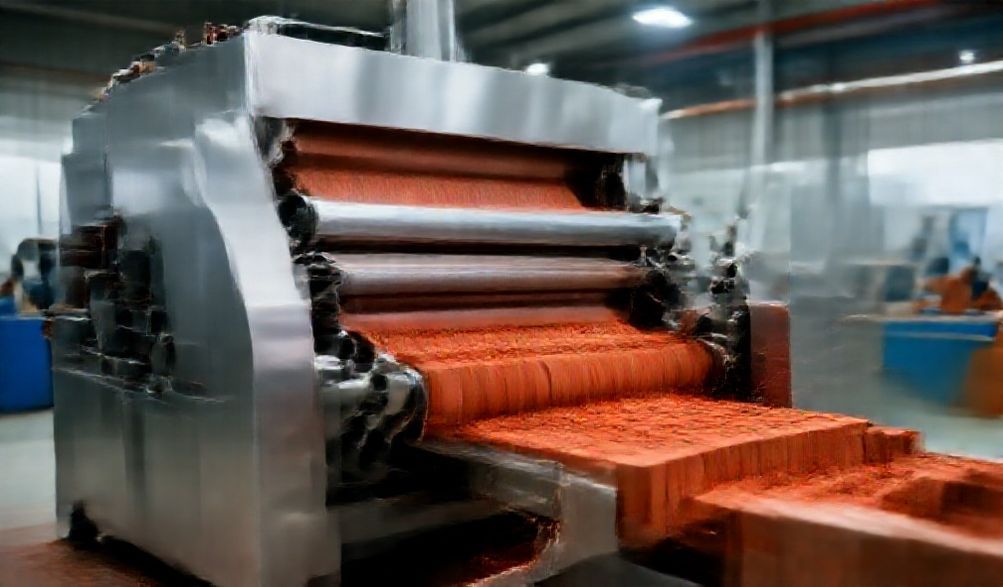
Jagorar Cikakke na Injin Yin Tubalin Yumɓu daga Masana'antar FUDA ta China
Gabatarwa
A zamanin da birane ke tasowa cikin sauri da kuma karɓar muhimmanci ga gine-gine masu dorewa, buƙatar kayan gini masu ƙarfi, arha, da kuma la'akari da muhalli ba ta taɓa yin girma ba kamar yadda take yi a yanzu. A cikin zaɓuɓɓukan zamani, tubalin yumbu ya fito fili a matsayin mafita mai ɗorewa, wanda aka tabbatar da ingancinsa tsawon shekaru dubu. Duk da haka, ga ƴan kasuwa da kamfanoni da ke neman shiga ko haɓaka a cikin wannan muhimmin masana'antu, babban ƙalubale yana nunawa: samun na'urorin samar da tubali masu dogaro, masu inganci, da kuma araha.
Nan ne inda ƙwarewa ke da muhimmanci. Kewayon masana'antu na duniya yana buƙatar abokin tarayya mai zurfin ilimin fasaha da ingantaccen tarihin aiki. Shigo da Kamfanin Kera Bulo na FUDA, babban ƙarfi a cikin sashen injiniyoyin masana'antu na China, mai ƙware a fannin injiniyanci da samar da ingantattunInjinoni yin bulo na yumbu.
Wannan jagora ta zama tushen ƙwarewar ku, ba tare da nuna son kai ba. Za mu wuce daga cikin zance na tallace-tallace na asali don samar da cikakken bincike mai zurfi na ilimi. Manufarmu ita ce mu sanya ku da fahimtar da ake buƙata don yanke shawara mai ƙarfi da cikakken bayani don kasuwancin ku. Za ku sami fahimta bayyananne game da ƙimar tubalin yumbu mai dorewa, fasahar samarwa na zamani, da takamaiman fa'idodin haɗin gwiwa tare da ƙwararrun masana'anta kamar FUDA, da kuma taswirar aiki mai amfani don samun kayan aiki cikin nasara.
Me Yasa Tubalin Yumbu Ya Kasance Babban Kayan Gina Gini
Kafin a zuba jari a cikin injina, yana da mahimmanci a fahimci ƙarfin kasuwar samfurin. Tubalin yumbu ba abin tarihi ba ne na baya; su ne kayan gini masu dacewa na ci gaba tare da fa'idodin asali waɗanda madadin zamani ke gwagwarmaya don dacewa.
Tsayayyen Ƙarfi da Tsawon Rayuwa
Tubalin yumbu suna da alaƙa da dawwama. Ayyukansu sun samo asali ne daga kimiyyar kayan gini:
* Tsayayyen Tsari:Ana harba yumbu a yanayin zafi mai tsananin girma, yana jurewa tsarin ƙarfafawa, wanda ke haifar da samfur tare da ƙarfin matsi na musamman. Wannan yana ba da damar gine-ginen bulo su ɗauki nauyi mai mahimmanci da kuma jurewa matsin lamba na muhalli tsawon ƙarni.
* Jurewar Wuta:A matsayin kayan yumbu, tubalin yumbu ba ya konewa ta halinsa. Yana ba da shinge mai mahimmanci na gobara, wani muhimmin fasali na aminci a gine-ginen gidaje da na kasuwanci.
* Kula da ƙarami:Brick yana da juriya ga ruɓe, naman wukake, da lalacewar kwari. Ba ya buƙatar maganin sinadarai ko yawan fenti, wanda ke haifar da ƙarancin kuɗin kulawa na dogon lokaci idan aka kwatanta da sauran kayan waje.
Rufin Halitta da Ingantacciyar Amfani da Makamashi
Brick ɗin suna ba da gudummawa sosai ga aikin zafi na ginin ta hanyar manufar ƙarfin zafi.
* Matsalar Zafi:Tubalin yumbu suna sha, adana, kuma a hankali suna sakin zafi. Wannan daidaitawar yanayi tana daidaita yanayin cikin gida, tana kiyaye cikin gida a sanyi a lokacin rani da kuma dumi a lokacin hunturu.
* Rage Ƙarancin Bukatar Makamashi:Ta hanyar daidaita sauye-sauyen yanayin zafi na yau da kullum, aikin bulo yana rage dogaro da tsarin HVAC. Wannan kai tsaye yana haifar da raguwar amfani da makamashi da rage kuɗin amfani a tsawon rayuwar ginin, wata muhimmiyar fa'ida a kasuwar da ta fi kula da makamashi a yau.
Dorewa da Fa'idodin Muhalli
A wani zamani da aka mayar da hankali kan ginin koren, tubalin yumbu suna ba da kyawawan abubuwan da suka dace da muhalli.
* Abun Halitta Na Halitta:Babban kayan aikin shine shale ko yumbu na saman ƙasa, mai yawa kuma yana faruwa a yanayi.
* Sake Amfani da sake amfani da shi:A ƙarshen rayuwar gini, ana iya tsabtace bulo da sake amfani da su a sabon ginin ko kuma a niƙa su don amfani da su azaman jari, filin zubar da shara, ko kayan shimfidar ƙasa, wanda ke samar da sake zagayowar rayuwa.
* Kimanin Tsawon Rayuwa (LCA):Yayin da aikin ƙona tubalin yana buƙatar makamashi, amma ƙarfin su na musamman da kuma yadda suke hana zafi yana nufin cewaƘarfin da ke cikin jikiJimlar makamashin da aka yi amfani da shi a tsawon rayuwar samfurin—yana da matuƙar fa'ida idan aka rarraba shi a kan shekaru 100 da suka wuce na aiki.
Fahimtar Injiniyoyin Yin Tubalin
Samar da bulo na zamani wani tsari ne na fasaha wanda ke canza yumbu mara kyau zuwa raka'a daidai, daidai. Fahimtar na'urar ita ce mabuɗin zaɓar tsarin da ya dace.
Abubuwan da ke cikin Injin Yin Bulogi na Zamani
Layi mai sarrafa kansa na yau da kullun yana haɗa manyan tashoshi da yawa:
1. Mixer:Haɗe yumbu ɗanye da ruwa daidai gwargwado (da wani lokaci abubuwan ƙari) don samun haɗin kai daidai, mai sassauƙa wanda ya dace da matsi.
2. Mashin ɗin turɓaya (ko Pug Mill):Zuciyar injin. Tana taɗaita da kuma cire iska daga cikin garwashin da aka shirya, tana tura shi ta rami don samar da wani ginshiƙi na yumbu mai ci gaba da siffar da ake so (mai cike, mai ramuka, da sauransu).
3. Cutter: Uses wires or blades to slice the extruded clay column into individual, wet bricks (known as “green” bricks) with exact dimensions.
4. Tsarin Gudanarwa: The brain of the operation. Modern PLC (Programmable Logic Controller) systems automate the entire process, allowing for precise control over extrusion speed, cutting frequency, and overall synchronization for maximum efficiency and consistency.
Types of Machines: From Semi-Automatic to Fully Automatic Lines
The level of automation you choose depends on your scale, budget, and labor availability.
* Na'urori/Ƙananan Na'urori: Often simple, single-function presses. They require significant manual labor for feeding, molding, and removal. Suitable for very low-volume or artisanal production.
* Matsin Injin Mai Ƙaramin Gudanarwa: Automate core processes like mixing and extrusion but may require manual handling for mold setting, brick removal, or stacking. Offers a good balance between cost and increased output for small to medium businesses.
* Layin Samar da Kayan Masana'antu na Cikakken Kwarar da Kai: Represent the pinnacle of efficiency. These integrated systems handle the entire process from raw material feeding to the automatic stacking of green bricks onto kiln cars or pallets. They are designed for high-volume, consistent production with minimal manual intervention.
Mahimman Ƙayyadaddun Fasaha da Ya Kamata a Sani
When evaluating machines, focus on these critical specs:
* Ƙarfin Fitowa: Measured in bricks per hour (or per 8-hour shift). This must align with your business plan.
* Bukatar Wutar Lantarki: Voltage (e.g., 380V/50Hz) and total power consumption (KW). Ensure your facility can support it.
* Nau'ikan Ƙirƙira & Musanya: The mold defines the brick’s shape and size. Systems that allow for quick mold changes increase operational flexibility.
* Extrusion Pressure & Vacuum System: Higher de-airing vacuum and extrusion pressure typically produce denser, stronger bricks with better dimensional stability.
Spotlight on FUDA Block Making Factory: Expertise You Can Trust
With numerous global suppliers, why focus on a specific Chinese factory? The answer lies in depth of specialization, proven history, and a commitment to partnership. FUDA Block Making Factory exemplifies these qualities.
Decades of Manufacturing Experience & Industry Authority
FUDA is not a generic trading company. It is an established manufacturer with deep roots in the brick and block machinery industry. Founded over two decades ago, FUDA has grown by focusing exclusively on construction machinery. This long-term focus has allowed them to:
* Accumulate vast, practical knowledge about clay behaviors, production challenges, and market needs worldwide.
* Continuously refine their machine designs based on real-world feedback from hundreds of installations across different continents.
* Build a reputation as a specialist, not a generalist, which is critical for complex industrial equipment.
Jajircewa ga Bincike da Ci Gaban Fasaha
To stay at the forefront, FUDA invests significantly in its Research and Development department. This commitment translates to tangible benefits for buyers:
* Efficiency Upgrades: Constant refinement of gearboxes, drive systems, and control software to reduce energy consumption per brick and increase overall line efficiency.
* Material Science Integration: Working with material scientists to optimize machine parameters for different clay types, ensuring consistent quality even with variable raw materials.
* Smart Manufacturing Features: Incorporating user-friendly HMI (Human-Machine Interface) touchscreens, fault diagnosis systems, and data logging capabilities for modern, manageable production.
Quality Control and Manufacturing Standards
Quality is engineered into every machine from the ground up at the FUDA factory.
* Samo Kayan Aiki: Critical components like hydraulic systems, PLCs, bearings, and steel are sourced from reputable, often name-brand, suppliers to ensure reliability.
* In-House Manufacturing & Testing: Key structural components are fabricated and machined in-house under strict tolerances. Every completed machine undergoes a rigorous Factory Acceptance Test (FAT), running for hours under load to verify performance before it is approved for shipment.
* International Compliance: FUDA machines are engineered to meet relevant international safety and quality standards, such as CE certification, which is a mandatory requirement for the European market and a strong indicator of quality for buyers globally.
A Comprehensive Product Portfolio for Every Need
Understanding that one size does not fit all, FUDA offers a scalable range of solutions:
* Entry-Level Semi-Automatic Machines: For entrepreneurs and small businesses starting their production journey.
* High-Capacity Fully Automatic Lines: For large-scale brick plants and industrial producers aiming for maximum output.
* Turnkey Project Support: For clients establishing a complete new factory, FUDA can provide comprehensive support, from plant layout design to machinery supply, installation guidance, and technician training.
How to Choose the Right Clay Brick Machine for Your Project
Selecting machinery is a strategic investment. Here’s a framework to guide your decision-making process.
Assessing Your Production Volume and Business Goals
Fara da bayyane shirin kasuwanci.
* Calculate Realistic Demand: Analyze your target market. What is your current and projected 5-year sales volume?
* Match Machine to Volume: Choose a machine that can comfortably meet your peak demand without constant overloading. A good rule is to select a machine with a 20-30% higher capacity than your current needs to allow for growth.
* Consider Shifts: Can you operate one 8-hour shift or three? A smaller machine running multiple shifts can sometimes be more economical than a larger, underutilized one.
Evaluating Automation Level and Labor Requirements
Automation is a trade-off between capital expenditure and operating costs.
* Labor Cost vs. Machine Cost: In regions with high labor costs, investing in a fully automatic line quickly justifies itself through labor savings and consistency. Where labor is more affordable, a semi-automatic system may offer a faster ROI.
* Skill Availability: Fully automatic lines require more skilled technicians for maintenance and programming. Ensure you have access to this talent or that the supplier provides exceptional training.
* Consistency & Waste Reduction: Automated systems drastically reduce human error, leading to more consistent brick quality and lower rates of waste (breakage, dimensional inaccuracy).
Importance of After-Sales Support and Service
The machine’s quality is only half the equation; the supplier’s support completes it. This is a critical area where FUDA builds long-term partnerships.
* Shigarwa & Kaddamarwa: Does the supplier provide on-site technician support to install and commission the machine? FUDA typically offers this crucial service.
* Horon Cikakke: Operators and maintenance staff must be thoroughly trained on the machine’s operation, daily checks, and basic troubleshooting.
* Garanti & Sassahen Kayan Gyara: A clear warranty (e.g., 12-18 months on core components) is essential. Equally important is the guaranteed availability of spare parts and the ability to ship them quickly anywhere in the world to minimize downtime.
The Practical Guide to Sourcing from China’s FUDA Factory
Navigating an international machinery purchase can seem daunting. Breaking it down into clear steps makes the process transparent and manageable.
Step-by-Step Procurement Process
A typical professional procurement journey follows this sequence:
1. Initial Inquiry: You contact FUDA with your basic requirements (desired brick type, target output, level of automation).
2. Technical Discussion: FUDA’s engineering team engages in detailed discussions to understand your raw material properties and specific needs, recommending the most suitable machine model.
3. Formal Quotation: You receive a detailed proforma invoice outlining machine specifications, price, payment terms, delivery time, and warranty details.
4. Payment & Contract: Upon agreement, a sales contract is signed, and an initial deposit (commonly 30-50%) is paid to initiate production.
5. Production & Inspection: During manufacturing, you can request photos/videos. Before shipping, you or a third-party inspector can witness the Factory Acceptance Test (FAT).
6. Shipping & Delivery: After final payment, the machine is professionally crated and shipped via your chosen Incoterms.
Navigating Logistics, Shipping, and Customs
Being prepared smoothes the logistics phase.
* Understand Incoterms: Key terms are FOB (Free On Board) and CIF (Cost, Insurance, and Freight). FOB means you own the goods and control the shipping once they leave the Chinese port. CIF means the supplier arranges and pays for shipping to your nearest port. FOB often offers more control and potential cost savings.
* Choose a Reliable Freight Forwarder: If going FOB, work with a forwarder experienced in heavy machinery to handle ocean freight, customs clearance at your port, and final land transport to your factory.
* Prepare Documentation: Ensure you understand the import duties, taxes, and any required certifications (like SONCAP, COC, etc.) for your country. Your freight forwarder is key here.
Ensuring a Smooth Installation and Commissioning
The project isn’t complete until the machine is producing bricks on your floor.
* Site Preparation: Follow FUDA’s foundation and utility (power, water) guidelines precisely before the machine arrives.
* Leverage Technical Support: Take full advantage of the on-site installation and commissioning service offered by FUDA’s technicians. Their hands-on guidance is invaluable.
* Initial Production Run: Use this period to fine-tune the machine with your local clay and produce your first batches under expert supervision.
Tambayoyin da ake yawan yi (FAQ)
Q1: What is the typical lead time for a clay brick making machine from FUDA factory?
A: For standard models, the lead time is typically 30-45 days after receiving the deposit. For fully customized lines or large turnkey projects, it can extend to 60-90 days. The timeline is confirmed during the quotation stage.
Q2: Can FUDA provide custom molds for special brick shapes and sizes?
A: Absolutely. Custom mold design and manufacturing is a core service. You can provide drawings or samples, and FUDA’s engineering team will design and produce the molds. Lead time for custom molds is additional, usually 15-25 days.
Q3: What kind of after-sales service and warranty does FUDA offer?
A: FUDA typically provides a 12-18 month warranty on core components. They offer lifetime technical support via email, WhatsApp, and video call. Comprehensive operation and maintenance manuals, along with part lists and diagrams, are provided. Critical spare parts are guaranteed to be available for long-term support.
Q4: How does FUDA ensure the machine’s quality before shipment?
A: Every machine undergoes a mandatory Factory Acceptance Test (FAT). This involves assembling the machine, running it under full load for a sustained period, and checking all functions. Buyers are welcome to attend this test in person or via live video stream to verify performance before shipping.
Q5: What are the main advantages of choosing a Chinese manufacturer like FUDA over local suppliers?
A: The primary advantages are Tasiri mai tsada without sacrificing quality, direct access to the engineering and manufacturing team, and vast experience in exporting to diverse global markets. Chinese manufacturers like FUDA operate within a mature industrial ecosystem, allowing them to integrate high-quality components at a competitive price point, which is often difficult for local assemblers to match.
Ƙarshe
The journey to establishing or upgrading a clay brick production facility is anchored in two key decisions: the commitment to a timeless building material and the selection of the right production partner. Clay bricks offer enduring structural, environmental, and economic benefits that secure their place in the future of construction. The machinery that produces them is the engine of your business, and its reliability, efficiency, and support define your operational success.
As we have detailed, choosing a partner like Matsarakin Gina Tubalin FUDA means more than just buying a machine; it means gaining access to decades of specialized engineering experience, a robust quality-controlled manufacturing process, and a partnership-focused approach to after-sales support. This guide, rooted in industry expertise and a transparent look at the procurement process, is designed to empower your decision with knowledge.
Take the next step with confidence.
* Primary CTA: Request a Detailed Quotation and Project Consultation from FUDA’s Engineering Team.
* Secondary CTA: Download our Comprehensive Clay Brick Machine Specification Catalog.
Investing in a high-quality clay brick making machine from a reputable manufacturer is not merely a purchase—it is a strategic foundation for long-term business growth, stability, and your contribution to building a more durable world.
<