
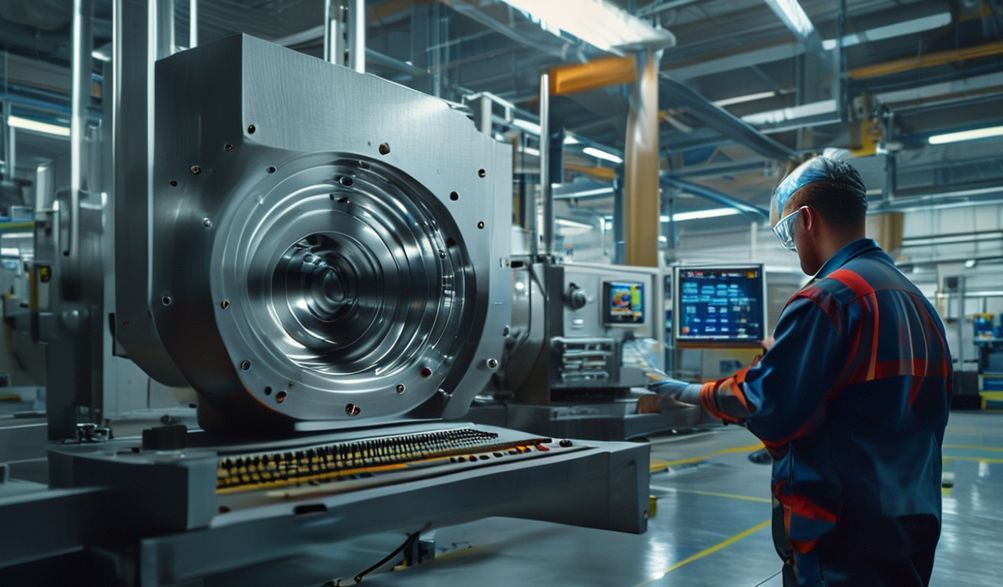
Encontrar Fábricas de Máquinas para Hacer Bloques Huecos de Buena Calidad: Un Enfoque en la Fábrica de Bloques FUDA
Introducción
En el mundo de la construcción moderna, el humilde bloque hueco es un pilar fundamental. Desde edificios residenciales hasta infraestructuras a gran escala, la calidad, consistencia y resistencia de estos bloques impactan directamente la integridad estructural, los plazos del proyecto y el costo total. En el centro de esta producción se encuentra una pieza crítica de equipo: la máquina para fabricar bloques huecos. Elegir una máquina confiable y de alta calidad no es solo una compra; es una inversión estratégica a largo plazo en la productividad y reputación de tu negocio.
Sin embargo, navegar por el mercado global de fábricas de maquinaria puede ser una tarea abrumadora. Los compradores a menudo se enfrentan a un mar de opciones, afirmaciones de calidad contradictorias y el desafío perenne de equilibrar el costo inicial con la durabilidad y el soporte a largo plazo. Los riesgos de seleccionar equipos de calidad inferior son graves: averías frecuentes, calidad inconsistente de los bloques, costos de mantenimiento exorbitantes y retrasos en los proyectos que pueden paralizar un negocio.
Esta guía está diseñada para eliminar el ruido. Esbozaremos las características definitivas de una fábrica de máquinas para hacer bloques huecos de verdadera buena calidad, proporcionándote un marco práctico de evaluación. Para anclar estos principios en la realidad, utilizaremosFábrica de Bloques FUDAComo un estudio de caso líder, examinando cómo sus prácticas se alinean con los puntos de referencia de la industria para la excelencia.
Nuestro análisis se basa en estándares de fabricación establecidos, principios de ingeniería y una revisión objetiva de la información disponible públicamente de los principales actores de la industria. El objetivo es proporcionarle el conocimiento para tomar una decisión informada y segura.
¿Qué define una "fábrica de máquinas para hacer bloques huecos de buena calidad"?
Más allá de los folletos brillantes y los discursos de venta, la calidad de una máquina se forja en el piso de la fábrica. La verdadera calidad es un sistema, no un accidente. Estos son los pilares fundamentales que separan a los líderes de la industria del resto.
Ingeniería de Precisión y Construcción Robusta
El fundamento de cualquier máquina duradera es su construcción física. Una fábrica de calidad entiende que su equipo debe soportar una presión inmensa, vibración constante y entornos industriales hostiles durante años.
- Materiales de Alta Calidad:Busque fábricas que especifiquen el uso de acero de alta resistencia para marcos y moldes, marcas reconocidas para sistemas hidráulicos (como Bosch Rexroth o Parker) y componentes eléctricos premium. La calidad de estas materias primas determina la vida útil de la máquina.
- Mecanizado CNC:El mecanizado por Control Numérico Computarizado (CNC) garantiza que los componentes críticos se produzcan con precisión microscópica. Esto conduce a una mejor intercambiabilidad de piezas, un funcionamiento más suave y un desgaste significativamente reducido con el tiempo.
Integración de Tecnología Avanzada y Automatización
Las mejores máquinas de hoy son máquinas inteligentes. La integración tecnológica es un indicador clave del compromiso de una fábrica con el rendimiento y la facilidad de uso.
- Sistemas de Control PLC:Un Controlador Lógico Programable (PLC) es el cerebro de la máquina. Garantiza una densidad de bloques consistente, automatiza los ciclos de producción y simplifica la operación, generalmente a través de una interfaz de pantalla táctil fácil de usar. También permite realizar diagnósticos y solución de problemas.
- Diseño con Prioridad en la Eficiencia:Las fábricas líderes diseñan para ahorrar energía (por ejemplo, circuitos hidráulicos eficientes) y una compactación superior de bloques mediante sistemas de vibración avanzados. Esto resulta en menores costos operativos y productos finales de mayor calidad.
Protocolos Rigurosos de Control de Calidad
Una máquina de calidad es el resultado de cientos de controles, no solo de una inspección final. Una fábrica de buena reputación tendrá un proceso de control de calidad documentado y de múltiples etapas.
- Inspección en Proceso:Esto incluye probar lotes de materias primas, verificar las dimensiones de las piezas mecanizadas y realizar pruebas de presión en los conjuntos hidráulicos antes de que lleguen a la línea de ensamblaje.
- Pruebas de Rendimiento: The final machine should undergo a rigorous factory acceptance test, producing blocks under simulated working conditions to verify output, block strength, and overall functionality before shipment.
Compliance and Certification
Certifications are a factory’s independent validation of its processes. They are a shorthand for trust and professionalism.
- International Standards: ISO 9001 certification is a strong indicator of a systematic approach to quality management. For export, Marcado CE demonstrates compliance with European health, safety, and environmental standards.
- Safety Norms: Adherence to international safety norms in electrical and mechanical design is non-negotiable for protecting operators and ensuring reliable operation.
Factores Clave a Evaluar al Elegir una Fábrica
Armed with an understanding of what quality looks like, how do you practically assess a potential supplier? Focus on these actionable factors.
Manufacturing Capability and Production Scale
The factory’s physical and operational scale speaks volumes.
- Assess Capacity: A larger, established factory with multiple production lines generally has more refined processes and greater stability. Ask about annual output capacity to gauge their experience level.
- Specialization Matters: A factory that specializes primarily in block making machinery (like FUDA) often possesses deeper expertise than a general-purpose machinery manufacturer.
Research & Development (R&D) Investment
A factory that invests in the future is investing in your future machine.
- Canal de Innovación: Inquire about their R&D department. Ongoing investment leads to iterative improvements in efficiency, durability, and block design capabilities.
- Customization Ability: Can they customize molds for unique block designs or adapt machines for specific local materials (like fly ash or crushed aggregate)? This flexibility is a sign of strong engineering support.
Transparency in Supply Chain and Components
Beware of factories that are vague about what’s inside their machines.
- Component Traceability: A trustworthy factory will be transparent about the brands of core components—the hydraulic pump, PLC, motors, and bearings. They often have partnerships with global leaders like Siemens, Schneider Electric, or Omron.
- Supply Chain Stability: Long-term relationships with quality component suppliers ensure consistency and easier spare parts sourcing down the line.
Comprehensive After-Sales Service Structure
The relationship begins, it doesn’t end, at the point of sale. Service is where promises are kept.
- Documentation and Training: Look for the provision of detailed operation manuals, electrical diagrams, and installation guides. Availability of on-site or video training is a major plus.
- Infraestructura de Soporte: Examine their warranty terms critically. Is there a dedicated service team? How quickly can they ship spare parts? Do they have service agents or partners in your region? A global service network is crucial for international buyers.
Case Study: FUDA Block Making Factory – An Analysis of Quality Practices
Let’s apply the above criteria to a concrete example. FUDA Block Making Factory, based in China, is frequently cited in the global market for block machinery. Here’s an analysis based on its public-facing information and industry positioning.
Company Overview and Market Position
FUDA presents itself as a specialist manufacturer focused on concrete block making machines. With a history spanning years in the industry, its stated mission typically revolves around providing efficient, reliable, and cost-effective solutions to a global clientele, from small entrepreneurs to large industrial plants.
A Look Inside FUDA’s Quality Assurance Process
Public information suggests FUDA emphasizes a multi-stage quality control system. This is reported to include:
* Incoming inspection for raw materials.
* Process inspection during machining and welding.
* Pre-delivery run-in testing of the complete machine.
* The company often highlights possession of ISO 9001 certification, which aligns with the industry benchmark for a systematic quality management approach.
FUDA’s Machine Portfolio and Technological Features
FUDA offers a range typical of a specialized manufacturer, catering to different market segments:
* Máquinas Manuales y Semiautomáticas: For small-scale startups or specific block types.
* Líneas Completamente Automáticas: For high-volume production, often featuring PLC control, automatic pallet feeders, and stackers.
* Promoted Features: Commonly highlighted technologies include powerful and efficient vibration systems for dense blocks, energy-saving designs, and user-friendly PLC interfaces with diagnostic capabilities.
Evaluating FUDA’s Customer Support and Global Reach
A key part of FUDA’s market presence is its export orientation. The company serves markets across Africa, Southeast Asia, the Middle East, and South America. This implies a need for, and presumably an investment in, an international support structure. Prospective buyers should verify:
* The specific terms of their warranty.
* The availability of English (or other language) documentation and training materials.
* The logistics network for spare parts to their specific country.
* Requesting contactable client references in a similar region is a critical step.
Red Flags: How to Spot a Low-Quality Machine Factory
Protecting yourself from a bad investment is as important as identifying a good one. Watch for these warning signs.
Vague Specifications and Lack of Technical Data
If a factory cannot provide detailed technical drawings, component brand lists, or clear performance data (like cycle time, power consumption, block strength output), proceed with extreme caution. Quality is quantifiable.
Absence of Verifiable Certifications or Factory Audits
A refusal to share certification copies or allow a virtual or physical factory audit is a major red flag. Reputable factories are proud of their facilities and processes.
Unrealistically Low Prices and Pressure Sales Tactics
If a price seems too good to be true, it almost always is. Drastically low prices are achieved by cutting corners on materials, components, and engineering. Coupled with high-pressure “today-only” discounts, this is a classic sign of a problematic supplier.
Poor or Nonexistent Communication and Unclear Contracts
Slow, unprofessional, or evasive communication before the sale predicts a nightmare after the sale. Ensure the sales contract is detailed, specifying machine model, component brands, delivery terms, warranty, and payment milestones clearly.
Frequently Asked Questions (FAQ)
Q1: What is the typical price range for a good quality hollow block making machine?
A: Prices vary enormously based on automation and capacity. A small manual machine may start around \$10,000, while a high-output, fully automatic production line can exceed \$200,000. Focus on the total cost of ownership, not just the sticker price. A cheaper machine often leads to far higher maintenance and downtime costs.
Q2: How important is it to visit the factory in person before purchasing?
A: It is one of the most crucial steps you can take. A factory visit allows you to verify manufacturing practices, assess quality control firsthand, see the scale of operations, and gauge the company’s professionalism directly. If a visit isn’t possible, insist on a detailed video tour.
Q3: What key questions should I ask a factory sales representative?
A:
* “Can you provide a detailed list of the brands used for the hydraulic system, PLC, and electrical components?”
* “What is your exact warranty process? How are spare parts shipped and what are typical delivery times to my country?”
* “Can you connect me with 2-3 previous clients in my region for a reference?”
* “What is included in the delivery (installation, training, initial spare parts kit)?”
Q4: Can factories like FUDA customize machines for specific block designs?
A: Yes, most reputable factories offer mold customization. The critical questions are about the lead time for custom mold manufacturing, the additional cost, and whether the machine settings will be tested and calibrated for the new mold design.
Q5: What are the most common maintenance issues with these machines?
A: Wear parts require regular attention: molds (for surface finish), springs and seals in the vibration and hydraulic systems, and pallets. A key factor in choosing a factory is how easily and affordably you can obtain these genuine spare parts from them.
Conclusión
Identifying a good quality hollow block making machine factory requires moving beyond marketing and conducting thorough due diligence. The decision hinges on the tangible pillars of precision engineering, rigorous quality control, technological competence, and unwavering after-sales support.
Use the criteria outlined in this guide—examining engineering standards, transparency, and service infrastructure—as a practical checklist. Whether you are evaluating Fábrica de Bloques FUDA or any other potential supplier, apply this framework consistently.
Your final action plan should be methodical: shortlist 3-5 factories that pass an initial document-based review. Request comprehensive technical and commercial proposals from each. Insist on speaking to past clients. Finally, schedule factory inspections to see the operations for yourself. This disciplined approach empowers you to transform a significant capital investment into a reliable engine for your business’s growth and success for years to come.
Author Bio & E-E-A-T Implementation Note for Final Post:
This section would include a brief author biography highlighting direct experience in construction machinery, manufacturing, or industrial procurement. It would link to the author’s profile (if on a professional site like LinkedIn) and mention years of expertise. The article itself would cite industry standards, use technical terminology correctly, and maintain a balanced, objective tone. All claims about specific factories would be based on publicly verifiable information or clearly labeled as general industry expectations.