
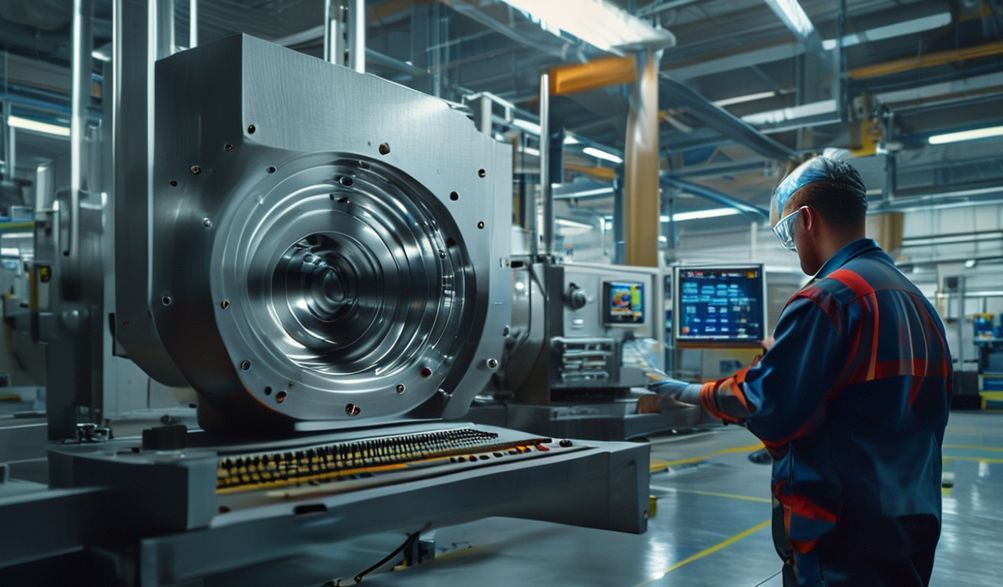
Gano Masana'antun Kera Na'urorin Yin Tubali Masu Inganci: Haske Kan Masana'antar Kera Tubali Ta FUDA
Gabatarwa
A duniyar ginin zamani, tubalin rami mai sauƙi shi ne tushen ƙarfi. Tun daga gine-ginen gidaje har zuwa manyan ababen more rayuwa, inganci, daidaito, da ƙarfin waɗannan tubalan suna tasiri kai tsaye ga ƙarfin tsarin, lokutan aikin, da farashin gabaɗaya. A tsakiyar wannan samarwa akwai wata muhimmin kayan aiki: injin yin tubalan rami. Zaɓar ingantacciyar inji mai aminci ba siyayya ce kawai ba; yana daɗaɗɗun zuba jari na dabara cikin yawan aiki da mutuncin kasuwancin ku.
Duk da haka, kewaya kasuwar duniya na masana'antun injina na iya zama aiki mai wahala. Masu siye sau da yawa suna fuskantar yawancin zaɓuɓɓuka, da'awar inganci masu karo da juna, da ƙalubalen da ake fama da su na daidaita farashin farko da dorewa da tallafi na dogon lokaci. Haɗarin zaɓar kayan aiki marasa inganci yana da tsanani—ƙasƙantawa akai-akai, rashin daidaiton ingancin tubali, tsadar kulawa mai yawa, da jinkirin ayyuka waɗanda zasu iya lalata kasuwanci.
Wannan jagorar an tsara ta ne don rage hayaniyar. Za mu zayyana ainihin alamomin masana'antar injin yin bulo mai ciki da gaske, inda muke ba ku tsarin aiki don tantancewa. Don tabbatar da waɗannan ka'idoji a zahiri, za mu yi amfani daMatsarakin Gina Tubalin FUDAa matsayin babban binciken shari'a, yin nazarin yadda ayyukansa suka dace da ma'auni na masana'antu don kyakkyawan aiki.
Binciken mu ya samo asali ne daga ƙa'idodin masana'antu da aka kafa, ƙa'idodin injiniyanci, da kuma nazari na gaskiya na bayanan da ke samuwa a bainar jama'a daga manyan 'yan wasan masana'antu. Manufar ita ce a ba ku ilimin da zai ba ku damar yin yanke shawara cikin kwarin gwiwa da cikakken sani.
Menene Ya Ayyana Masana'antar Kera Bulo na Hollow Mai Inganci?
Bayyanar kayan aiki ba ta ta'allaka ne akan takardun talla da kuma maganganun tallace-tallace ba, a'a, ingancin na'ura yana samuwa ne a masana'anta. Ingantacciyar inganci tsari ne, ba hatsari ba. Ga mahimman abubuwan da ke raba manyan masana'antu da sauran masana'antu.
Ƙwararren Injiniya da Ƙarfafan Gina
Tushen kowane inji mai ɗorewa shine ginin jikinsa. Masana'anta mai inganci suna fahimtar cewa dole ne kayan aikinsu su jure matsin lamba mai yawa, girgiza koyaushe, da kuma yanayin masana'antu mai tsanani na shekaru masu yawa.
- Kayan Ingantattun Kayan Aiki:Nemi masana'antu da ke ƙayyadad da amfani da ƙarfe mai ƙarfi don firam ɗin da ƙirar, shahararrun alamu don tsarin injinan ruwa (kamar Bosch Rexroth ko Parker), da kayan aikin lantarki masu inganci. Ingancin waɗannan albarkatun ƙasa ne ke ƙayyadad da tsawon rayuwar injin.
- Kayan aikin CNC:Sarrafa Lambobin Lissafi na Kwamfuta (CNC) tana tabbatar da cewa ana samar da muhimman sassa tare da daidaitaccen ma'auni na ƙananan ƙwayoyin cuta. Wannan yana haifar da ingantacciyar musanya sassa, aiki mai santsi, da rage lalacewa sosai a tsawon lokaci.
Ƙwararrun Fasaha da Haɗaɗɗun Kayan Aiki
Mafi kyawun injuna na yau injuna ne masu hankali. Haɗa fasaha alama ce mahimmanci ta jajircewar masana'anta ga aiki da sauƙin amfani.
- Tsarin Sarrafa PLC:Na'urar Sarrafa Hankali Mai Shirye-shirye (PLC) ita ce kwakwalwar injin. Tana tabbatar da daidaiton yawan kuzarin tubalin, tana sarrafa zagayowar samarwa ta atomatik, kuma tana sauƙaƙa aiki, sau da yawa ta hanyar fasahar taɓa allon mai amfani. Hakanan tana ba da damar yin bincike da warware matsala.
- Zane-Zane Na Farko Na Ingantacciyar Aiki:Manyan masana'antu suna ƙirƙira don adana makamashi (misali, ingantattun da'irorin hydraulic) da ingantaccen matsawa tubalan ta hanyar ingantattun tsarin rawar jiki. Wannan yana haifar da ƙananan farashin aiki da ingantattun samfuran ƙarshe.
Ƙa'idojin Kulawa da Ingancin Ƙwarai
Na'urar da ta dace ta samo asali ne daga dubun dubatar gwaje-gwaje, ba kawai dubawa ta ƙarshe ba. Masana'anta mai daraja za ta kasance tana da tsari na QC mai matakai da yawa da aka rubuta.
- Bincike a cikin Tsari:Wannan ya haɗa da gwada nau'ikan albarkatun da ba a sarrafa su ba, tabbatar da ma'auni na sassan da aka sarrafa, da gwada matsi na tarukan na'urorin ruwa kafin su taɓa isa layin haɗawa.
- Performance Testing: The final machine should undergo a rigorous factory acceptance test, producing blocks under simulated working conditions to verify output, block strength, and overall functionality before shipment.
Compliance and Certification
Certifications are a factory’s independent validation of its processes. They are a shorthand for trust and professionalism.
- International Standards: ISO 9001 certification is a strong indicator of a systematic approach to quality management. For export, Alamar CE demonstrates compliance with European health, safety, and environmental standards.
- Safety Norms: Adherence to international safety norms in electrical and mechanical design is non-negotiable for protecting operators and ensuring reliable operation.
Key Factors to Evaluate When Choosing a Factory
Armed with an understanding of what quality looks like, how do you practically assess a potential supplier? Focus on these actionable factors.
Manufacturing Capability and Production Scale
The factory’s physical and operational scale speaks volumes.
- Assess Capacity: A larger, established factory with multiple production lines generally has more refined processes and greater stability. Ask about annual output capacity to gauge their experience level.
- Specialization Matters: A factory that specializes primarily in block making machinery (like FUDA) often possesses deeper expertise than a general-purpose machinery manufacturer.
Research & Development (R&D) Investment
A factory that invests in the future is investing in your future machine.
- Tsarin Ƙirƙira: Inquire about their R&D department. Ongoing investment leads to iterative improvements in efficiency, durability, and block design capabilities.
- Customization Ability: Can they customize molds for unique block designs or adapt machines for specific local materials (like fly ash or crushed aggregate)? This flexibility is a sign of strong engineering support.
Transparency in Supply Chain and Components
Beware of factories that are vague about what’s inside their machines.
- Component Traceability: A trustworthy factory will be transparent about the brands of core components—the hydraulic pump, PLC, motors, and bearings. They often have partnerships with global leaders like Siemens, Schneider Electric, or Omron.
- Supply Chain Stability: Long-term relationships with quality component suppliers ensure consistency and easier spare parts sourcing down the line.
Comprehensive After-Sales Service Structure
The relationship begins, it doesn’t end, at the point of sale. Service is where promises are kept.
- Documentation and Training: Look for the provision of detailed operation manuals, electrical diagrams, and installation guides. Availability of on-site or video training is a major plus.
- Kayan Tallafi na Gidauniyar: Examine their warranty terms critically. Is there a dedicated service team? How quickly can they ship spare parts? Do they have service agents or partners in your region? A global service network is crucial for international buyers.
Case Study: FUDA Block Making Factory – An Analysis of Quality Practices
Let’s apply the above criteria to a concrete example. FUDA Block Making Factory, based in China, is frequently cited in the global market for block machinery. Here’s an analysis based on its public-facing information and industry positioning.
Company Overview and Market Position
FUDA presents itself as a specialist manufacturer focused on concrete block making machines. With a history spanning years in the industry, its stated mission typically revolves around providing efficient, reliable, and cost-effective solutions to a global clientele, from small entrepreneurs to large industrial plants.
A Look Inside FUDA’s Quality Assurance Process
Public information suggests FUDA emphasizes a multi-stage quality control system. This is reported to include:
* Incoming inspection for raw materials.
* Process inspection during machining and welding.
* Pre-delivery run-in testing of the complete machine.
* The company often highlights possession of ISO 9001 certification, which aligns with the industry benchmark for a systematic quality management approach.
FUDA’s Machine Portfolio and Technological Features
FUDA offers a range typical of a specialized manufacturer, catering to different market segments:
* Na'urori na Hannu da Na Raba-Atomatik: For small-scale startups or specific block types.
* Layukan Cikakken Kansa: For high-volume production, often featuring PLC control, automatic pallet feeders, and stackers.
* Promoted Features: Commonly highlighted technologies include powerful and efficient vibration systems for dense blocks, energy-saving designs, and user-friendly PLC interfaces with diagnostic capabilities.
Evaluating FUDA’s Customer Support and Global Reach
A key part of FUDA’s market presence is its export orientation. The company serves markets across Africa, Southeast Asia, the Middle East, and South America. This implies a need for, and presumably an investment in, an international support structure. Prospective buyers should verify:
* The specific terms of their warranty.
* The availability of English (or other language) documentation and training materials.
* The logistics network for spare parts to their specific country.
* Requesting contactable client references in a similar region is a critical step.
Red Flags: How to Spot a Low-Quality Machine Factory
Protecting yourself from a bad investment is as important as identifying a good one. Watch for these warning signs.
Vague Specifications and Lack of Technical Data
If a factory cannot provide detailed technical drawings, component brand lists, or clear performance data (like cycle time, power consumption, block strength output), proceed with extreme caution. Quality is quantifiable.
Absence of Verifiable Certifications or Factory Audits
A refusal to share certification copies or allow a virtual or physical factory audit is a major red flag. Reputable factories are proud of their facilities and processes.
Unrealistically Low Prices and Pressure Sales Tactics
If a price seems too good to be true, it almost always is. Drastically low prices are achieved by cutting corners on materials, components, and engineering. Coupled with high-pressure “today-only” discounts, this is a classic sign of a problematic supplier.
Poor or Nonexistent Communication and Unclear Contracts
Slow, unprofessional, or evasive communication before the sale predicts a nightmare after the sale. Ensure the sales contract is detailed, specifying machine model, component brands, delivery terms, warranty, and payment milestones clearly.
Tambayoyin da ake yawan yi (FAQ)
Q1: What is the typical price range for a good quality hollow block making machine?
A: Prices vary enormously based on automation and capacity. A small manual machine may start around \$10,000, while a high-output, fully automatic production line can exceed \$200,000. Focus on the total cost of ownership, not just the sticker price. A cheaper machine often leads to far higher maintenance and downtime costs.
Q2: How important is it to visit the factory in person before purchasing?
A: It is one of the most crucial steps you can take. A factory visit allows you to verify manufacturing practices, assess quality control firsthand, see the scale of operations, and gauge the company’s professionalism directly. If a visit isn’t possible, insist on a detailed video tour.
Q3: What key questions should I ask a factory sales representative?
A:
* “Can you provide a detailed list of the brands used for the hydraulic system, PLC, and electrical components?”
* “What is your exact warranty process? How are spare parts shipped and what are typical delivery times to my country?”
* “Can you connect me with 2-3 previous clients in my region for a reference?”
* “What is included in the delivery (installation, training, initial spare parts kit)?”
Q4: Can factories like FUDA customize machines for specific block designs?
A: Yes, most reputable factories offer mold customization. The critical questions are about the lead time for custom mold manufacturing, the additional cost, and whether the machine settings will be tested and calibrated for the new mold design.
Q5: What are the most common maintenance issues with these machines?
A: Wear parts require regular attention: molds (for surface finish), springs and seals in the vibration and hydraulic systems, and pallets. A key factor in choosing a factory is how easily and affordably you can obtain these genuine spare parts from them.
Ƙarshe
Identifying a good quality hollow block making machine factory requires moving beyond marketing and conducting thorough due diligence. The decision hinges on the tangible pillars of precision engineering, rigorous quality control, technological competence, and unwavering after-sales support.
Use the criteria outlined in this guide—examining engineering standards, transparency, and service infrastructure—as a practical checklist. Whether you are evaluating Matsarakin Gina Tubalin FUDA or any other potential supplier, apply this framework consistently.
Your final action plan should be methodical: shortlist 3-5 factories that pass an initial document-based review. Request comprehensive technical and commercial proposals from each. Insist on speaking to past clients. Finally, schedule factory inspections to see the operations for yourself. This disciplined approach empowers you to transform a significant capital investment into a reliable engine for your business’s growth and success for years to come.
Author Bio & E-E-A-T Implementation Note for Final Post:
This section would include a brief author biography highlighting direct experience in construction machinery, manufacturing, or industrial procurement. It would link to the author’s profile (if on a professional site like LinkedIn) and mention years of expertise. The article itself would cite industry standards, use technical terminology correctly, and maintain a balanced, objective tone. All claims about specific factories would be based on publicly verifiable information or clearly labeled as general industry expectations.