
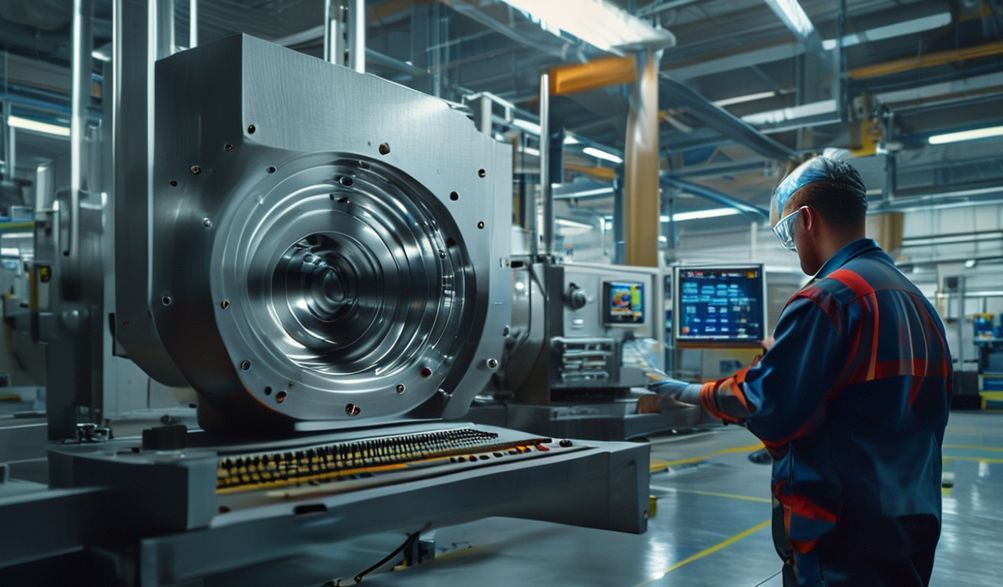
Paghahanap ng Mabuting Kalidad ng mga Pabrika ng Hollow Block Making Machine: Isang Pagtutok sa FUDA Block Making Factory
Panimula
Sa mundo ng modernong konstruksiyon, ang karaniwang hollow block ay isang pangunahing lakas. Mula sa mga tirahang gusali hanggang sa malalaking imprastraktura, ang kalidad, pagkakapare-pareho, at lakas ng mga blokeng ito ay direktang nakaaapekto sa integridad ng istruktura, mga timeline ng proyekto, at kabuuang gastos. Nasa sentro ng produksiyong ito ang isang kritikal na kagamitan: ang makina ng paggawa ng hollow block. Ang pagpili ng isang maaasahan at de-kalidad na makina ay hindi lamang isang pagbili; ito ay isang pangmatagalang estratehikong pamumuhunan sa produktibidad at reputasyon ng iyong negosyo.
Gayunpaman, ang pag-navigate sa pandaigdigang merkado ng mga pabrika ng makinarya ay maaaring maging isang nakakatakot na gawain. Ang mga mamimili ay kadalasang nahaharap sa isang dagat ng mga pagpipilian, magkakasalungat na mga pag-angkin sa kalidad, at ang walang hanggang hamon ng pagbabalanse sa paunang gastos sa pangmatagalang tibay at suporta. Ang mga panganib ng pagpili ng substandard na kagamitan ay malubha—madalas na pagkasira, hindi pare-parehong kalidad ng bloke, napakataas na gastos sa pagpapanatili, at mga pagkaantala sa proyekto na maaaring magpahina sa isang negosyo.
Ang gabay na ito ay idinisenyo upang maalis ang kalituhan. Ibabahagi namin ang mga tiyak na katangian ng isang tunay na de-kalidad na pabrika ng makina para sa paggawa ng hollow block, at magbibigay ng praktikal na balangkas para sa pagtatasa. Upang mailapat ang mga prinsipyong ito sa katotohanan, gagamitin namin angFUDA Block Making FactoryBilang isang nangungunang case study, sinusuri kung paano ang mga kasanayan nito ay umaayon sa mga benchmark ng industriya para sa kahusayan.
Ang aming pagsusuri ay nakabatay sa itinatag na mga pamantayan sa pagmamanupaktura, mga prinsipyo ng inhenyeriya, at isang obhetibong pagsusuri ng pampublikong impormasyon mula sa mga nangungunang kumpanya sa industriya. Ang layunin ay bigyan ka ng kaalaman upang makagawa ng isang maalam at tiwasay na desisyon.
Ano ang Nagtatakda ng Isang "Magandang Kalidad" na Pabrika ng Hollow Block Making Machine?
Sa kabila ng makikintat na polyeto at mga diskurso sa pagbebenta, ang kalidad ng isang makina ay nahuhubog sa mismong sahig ng pabrika. Ang tunay na kalidad ay isang sistema, hindi aksidente. Narito ang mga pangunahing haligi na naghihiwalay sa mga nangunguna sa industriya mula sa iba.
Precision Engineering and Robust Construction
Ang pundasyon ng anumang matibay na makina ay ang pisikal na pagkakagawa nito. Naiintindihan ng isang de-kalidad na pabrika na ang kanilang mga kagamitan ay dapat magtagal sa matinding presyon, tuluy-tong panginginig, at mababagsik na kapaligirang pang-industriya sa loob ng maraming taon.
- De-Kalidad na Materyal:Hanapin ang mga pabrika na tumutukoy sa paggamit ng mataas na kalidad na bakal para sa mga balangkas at hulma, kilalang mga tatak para sa mga sistemang haydroliko (tulad ng Bosch Rexroth o Parker), at mga de-kalidad na bahaging elektrikal. Ang kalidad ng mga hilaw na materyales na ito ang nagtatakda sa haba ng buhay ng makina.
- Pagmamakinang sa CNC:Ang Computer Numerical Control (CNC) na pagmamakinang ay nagsisiguro na ang mga kritikal na bahagi ay nagagawa nang may mikroskopikong katumpakan. Ito ay nagdudulot ng mas mahusay na pagpapalitan ng mga piyesa, mas maayos na operasyon, at makabuluhang pagbawas sa pagkasira sa paglipas ng panahon.
Pagsasama ng Teknolohiyang Advanced at Automasyon
Ang pinakamahuhusay na makina sa kasalukuyan ay mga matatalinong makina. Ang pagsasama ng teknolohiya ay isang pangunahing tagapagpahiwatig ng dedikasyon ng isang pabrika sa pagganap at pagiging madaling gamitin.
- Sistema ng Kontrol ng PLC:Ang Programmable Logic Controller (PLC) ang utak ng makina. Tinitiyak nito ang pare-parehong density ng bloke, awtomatiko ang mga siklo ng produksyon, at pinapasimple ang operasyon, kadalasan sa pamamagitan ng madaling gamitin na touchscreen interface. Pinapayagan din nitong magsagawa ng mga pagsusuri at pagtukoy ng mga sira.
- Disenyong Unang-Una ang Kahusayan:Nangungunang mga pabrika ay nagdidisenyo para sa pagtitipid ng enerhiya (halimbawa, mahusay na mga hydraulic circuit) at mataas na kalidad ng pagpapatibay ng bloke sa pamamagitan ng mga advanced na sistema ng panginginig. Ito ay nagreresulta sa mas mababang gastos sa pagpapatakbo at mas mataas na kalidad ng mga tapos na produkto.
Mahigpit na mga Protokol sa Kontrol ng Kalidad
Ang isang de-kalidad na makina ay bunga ng daan-daang pagsusuri, hindi lamang isang huling inspeksyon. Ang isang respetadong pabrika ay may dokumentado at maraming yugtong proseso ng kontrol sa kalidad.
- Inspeksyon Habang Proseso:Kasama rito ang pagsubok sa mga batch ng hilaw na materyales, pagpapatunay ng mga sukat ng mga piyesang ginamitan ng makina, at pressure-testing ng mga hydraulic assembly bago pa man ito umabot sa linya ng pag-assemble.
- Performance Testing: The final machine should undergo a rigorous factory acceptance test, producing blocks under simulated working conditions to verify output, block strength, and overall functionality before shipment.
Compliance and Certification
Certifications are a factory’s independent validation of its processes. They are a shorthand for trust and professionalism.
- International Standards: ISO 9001 certification is a strong indicator of a systematic approach to quality management. For export, CE Marking demonstrates compliance with European health, safety, and environmental standards.
- Safety Norms: Adherence to international safety norms in electrical and mechanical design is non-negotiable for protecting operators and ensuring reliable operation.
Key Factors to Evaluate When Choosing a Factory
Armed with an understanding of what quality looks like, how do you practically assess a potential supplier? Focus on these actionable factors.
Manufacturing Capability and Production Scale
The factory’s physical and operational scale speaks volumes.
- Assess Capacity: A larger, established factory with multiple production lines generally has more refined processes and greater stability. Ask about annual output capacity to gauge their experience level.
- Specialization Matters: A factory that specializes primarily in block making machinery (like FUDA) often possesses deeper expertise than a general-purpose machinery manufacturer.
Research & Development (R&D) Investment
A factory that invests in the future is investing in your future machine.
- Pipeline ng Pagbabago: Inquire about their R&D department. Ongoing investment leads to iterative improvements in efficiency, durability, and block design capabilities.
- Customization Ability: Can they customize molds for unique block designs or adapt machines for specific local materials (like fly ash or crushed aggregate)? This flexibility is a sign of strong engineering support.
Transparency in Supply Chain and Components
Beware of factories that are vague about what’s inside their machines.
- Component Traceability: A trustworthy factory will be transparent about the brands of core components—the hydraulic pump, PLC, motors, and bearings. They often have partnerships with global leaders like Siemens, Schneider Electric, or Omron.
- Supply Chain Stability: Long-term relationships with quality component suppliers ensure consistency and easier spare parts sourcing down the line.
Comprehensive After-Sales Service Structure
The relationship begins, it doesn’t end, at the point of sale. Service is where promises are kept.
- Documentation and Training: Look for the provision of detailed operation manuals, electrical diagrams, and installation guides. Availability of on-site or video training is a major plus.
- Support Infrastructure: Examine their warranty terms critically. Is there a dedicated service team? How quickly can they ship spare parts? Do they have service agents or partners in your region? A global service network is crucial for international buyers.
Case Study: FUDA Block Making Factory – An Analysis of Quality Practices
Let’s apply the above criteria to a concrete example. FUDA Block Making Factory, based in China, is frequently cited in the global market for block machinery. Here’s an analysis based on its public-facing information and industry positioning.
Company Overview and Market Position
FUDA presents itself as a specialist manufacturer focused on concrete block making machines. With a history spanning years in the industry, its stated mission typically revolves around providing efficient, reliable, and cost-effective solutions to a global clientele, from small entrepreneurs to large industrial plants.
A Look Inside FUDA’s Quality Assurance Process
Public information suggests FUDA emphasizes a multi-stage quality control system. This is reported to include:
* Incoming inspection for raw materials.
* Process inspection during machining and welding.
* Pre-delivery run-in testing of the complete machine.
* The company often highlights possession of ISO 9001 certification, which aligns with the industry benchmark for a systematic quality management approach.
FUDA’s Machine Portfolio and Technological Features
FUDA offers a range typical of a specialized manufacturer, catering to different market segments:
* Manual at Semi-Awomatikong Makina: For small-scale startups or specific block types.
* Ganap na Awtomatikong mga Linya: For high-volume production, often featuring PLC control, automatic pallet feeders, and stackers.
* Promoted Features: Commonly highlighted technologies include powerful and efficient vibration systems for dense blocks, energy-saving designs, and user-friendly PLC interfaces with diagnostic capabilities.
Evaluating FUDA’s Customer Support and Global Reach
A key part of FUDA’s market presence is its export orientation. The company serves markets across Africa, Southeast Asia, the Middle East, and South America. This implies a need for, and presumably an investment in, an international support structure. Prospective buyers should verify:
* The specific terms of their warranty.
* The availability of English (or other language) documentation and training materials.
* The logistics network for spare parts to their specific country.
* Requesting contactable client references in a similar region is a critical step.
Red Flags: How to Spot a Low-Quality Machine Factory
Protecting yourself from a bad investment is as important as identifying a good one. Watch for these warning signs.
Vague Specifications and Lack of Technical Data
If a factory cannot provide detailed technical drawings, component brand lists, or clear performance data (like cycle time, power consumption, block strength output), proceed with extreme caution. Quality is quantifiable.
Absence of Verifiable Certifications or Factory Audits
A refusal to share certification copies or allow a virtual or physical factory audit is a major red flag. Reputable factories are proud of their facilities and processes.
Unrealistically Low Prices and Pressure Sales Tactics
If a price seems too good to be true, it almost always is. Drastically low prices are achieved by cutting corners on materials, components, and engineering. Coupled with high-pressure “today-only” discounts, this is a classic sign of a problematic supplier.
Poor or Nonexistent Communication and Unclear Contracts
Slow, unprofessional, or evasive communication before the sale predicts a nightmare after the sale. Ensure the sales contract is detailed, specifying machine model, component brands, delivery terms, warranty, and payment milestones clearly.
Frequently Asked Questions (FAQ)
Q1: What is the typical price range for a good quality hollow block making machine?
A: Prices vary enormously based on automation and capacity. A small manual machine may start around \$10,000, while a high-output, fully automatic production line can exceed \$200,000. Focus on the total cost of ownership, not just the sticker price. A cheaper machine often leads to far higher maintenance and downtime costs.
Q2: How important is it to visit the factory in person before purchasing?
A: It is one of the most crucial steps you can take. A factory visit allows you to verify manufacturing practices, assess quality control firsthand, see the scale of operations, and gauge the company’s professionalism directly. If a visit isn’t possible, insist on a detailed video tour.
Q3: What key questions should I ask a factory sales representative?
A:
* “Can you provide a detailed list of the brands used for the hydraulic system, PLC, and electrical components?”
* “What is your exact warranty process? How are spare parts shipped and what are typical delivery times to my country?”
* “Can you connect me with 2-3 previous clients in my region for a reference?”
* “What is included in the delivery (installation, training, initial spare parts kit)?”
Q4: Can factories like FUDA customize machines for specific block designs?
A: Yes, most reputable factories offer mold customization. The critical questions are about the lead time for custom mold manufacturing, the additional cost, and whether the machine settings will be tested and calibrated for the new mold design.
Q5: What are the most common maintenance issues with these machines?
A: Wear parts require regular attention: molds (for surface finish), springs and seals in the vibration and hydraulic systems, and pallets. A key factor in choosing a factory is how easily and affordably you can obtain these genuine spare parts from them.
Conclusion
Identifying a good quality hollow block making machine factory requires moving beyond marketing and conducting thorough due diligence. The decision hinges on the tangible pillars of precision engineering, rigorous quality control, technological competence, and unwavering after-sales support.
Use the criteria outlined in this guide—examining engineering standards, transparency, and service infrastructure—as a practical checklist. Whether you are evaluating FUDA Block Making Factory or any other potential supplier, apply this framework consistently.
Your final action plan should be methodical: shortlist 3-5 factories that pass an initial document-based review. Request comprehensive technical and commercial proposals from each. Insist on speaking to past clients. Finally, schedule factory inspections to see the operations for yourself. This disciplined approach empowers you to transform a significant capital investment into a reliable engine for your business’s growth and success for years to come.
Author Bio & E-E-A-T Implementation Note for Final Post:
This section would include a brief author biography highlighting direct experience in construction machinery, manufacturing, or industrial procurement. It would link to the author’s profile (if on a professional site like LinkedIn) and mention years of expertise. The article itself would cite industry standards, use technical terminology correctly, and maintain a balanced, objective tone. All claims about specific factories would be based on publicly verifiable information or clearly labeled as general industry expectations.