
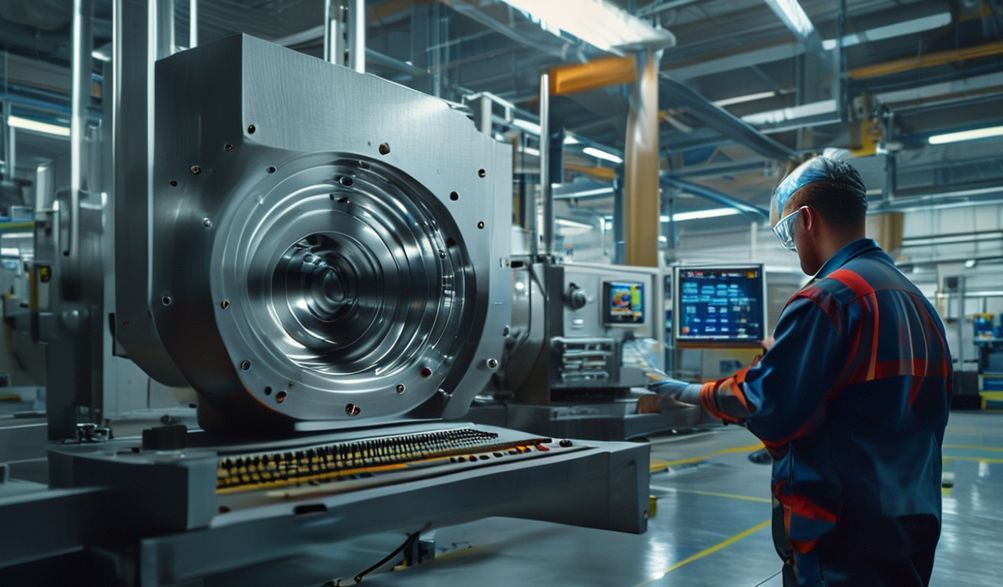
고품질 중공 블록 제조 기계 공장 찾기: FUDA 블록 제조 공장에 대한 집중 조명
소개
현대 건설 세계에서 겸손한 중공 블록은 기초적인 파워하우스입니다. 주거용 건물부터 대규모 인프라에 이르기까지, 이러한 블록의 품질, 일관성 및 강도는 구조적 안정성, 프로젝트 일정 및 전체 비용에 직접적인 영향을 미칩니다. 이 생산의 핵심에는 중공 블록 제조기라는 중요한 장비가 자리 잡고 있습니다. 신뢰할 수 있고 고품질의 기계를 선택하는 것은 단순한 구매가 아닌, 귀사의 생산성과 평판에 대한 장기적인 전략적 투자입니다.
그러나 전 세계의 기계 공장 시장을 탐색하는 것은 어려운 작업일 수 있습니다. 구매자들은 종종 수많은 선택지, 상충되는 품질 주장, 그리고 초기 비용과 장기적인 내구성 및 지원 사이의 균형을 맞추는 지속적인 도전에 직면합니다. 부적합한 장비를 선택할 경우의 위험은 심각합니다—잦은 고장, 일관되지 않은 블록 품질, 과도한 유지보수 비용, 그리고 사업을 마비시킬 수 있는 프로젝트 지연 등이 그것입니다.
이 가이드는 불필요한 정보를 걷어내고 핵심을 전달하기 위해 설계되었습니다. 우리는 진정으로 우수한 품질의 홀록 블록 제조 기계 공장의 결정적인 특징들을 명확히 제시함으로써, 평가를 위한 실용적인 틀을 제공할 것입니다. 이러한 원칙을 현실에 적용하기 위해,푸다 블록 제작 공장선도적인 사례 연구로서, 그 운영 방식이 우수성에 대한 업계 벤치마크와 어떻게 부합하는지 살펴봅니다.
우리의 분석은 확립된 제조 기준, 공학적 원칙, 그리고 선도적인 업계 참여자들의 공개 정보에 대한 객관적인 검토에 기반을 두고 있습니다. 목표는 귀하가 정보에 기반한 확신에 찬 결정을 내릴 수 있도록 지식을 제공하는 것입니다.
'양질의' 중공 블록 제조 기계 공장을 정의하는 요소는 무엇인가요?
빛나는 브로셔와 세일즈 피치를 넘어서, 기계의 품질은 공장 현장에서 단련됩니다. 진정한 품질은 우연이 아닌 시스템입니다. 업계 선두 기업과 그 외를 가르는 핵심 기둥들은 다음과 같습니다.
정밀 공학과 견고한 구조
튼튼한 기계의 기반은 그 물리적 구조에 달려 있습니다. 우수한 공장은 자신들의 장비가 수년간 엄청난 압력, 지속적인 진동, 그리고 가혹한 산업 환경을 견뎌낼 수 있어야 함을 이해합니다.
- 고품질 소재:프레임과 몰드에 고강도 강철 사용을 명시하고, 유압 시스템에는 보쉬 렉스로스나 파커 같은 유명 브랜드를, 전기 부품에는 고급 제품을 사용하는 공장을 찾으세요. 이러한 원자재의 품질이 기계의 수명을 결정합니다.
- CNC 가공:컴퓨터 수치 제어(CNC) 가공은 중요한 부품들이 미세한 정밀도로 생산되도록 보장합니다. 이는 부품의 호환성을 높이고, 작동을 더욱 매끄럽게 하며, 시간이 지남에 따른 마모와 손상을 현저히 줄여줍니다.
첨단 기술과 자동화 통합
오늘날 최고의 기계는 스마트 기계입니다. 기술 통합은 공장의 성능과 사용자 친화성에 대한 의지를 나타내는 핵심 지표입니다.
- PLC 제어 시스템:프로그래머블 로직 컨트롤러(PLC)는 기계의 두뇌 역할을 합니다. 일관된 블록 밀도를 보장하고 생산 주기를 자동화하며, 종종 사용자 친화적인 터치스크린 인터페이스를 통해 작동을 단순화합니다. 또한 진단 및 문제 해결을 가능하게 합니다.
- 효율 우선 설계:선도 공장들은 에너지 절감을 위한 설계(예: 효율적인 유압 회로)와 고급 진동 시스템을 통한 우수한 블록 압축을 실현합니다. 이는 운영 비용 절감과 더 높은 품질의 최종 제품으로 이어집니다.
엄격한 품질 관리 프로토콜
품질 좋은 기계는 최종 검사만이 아닌 수백 번의 점검 결과물입니다. 신뢰할 수 있는 공장은 문서화된 다단계 품질 관리 프로세스를 갖추고 있습니다.
- 공정 검사:여기에는 원자재 배치 테스트, 가공된 부품의 치수 검증, 그리고 조립 라인에 도달하기 전 유압 어셈블리의 압력 테스트가 포함됩니다.
- 성능 테스트:최종 기계는 출하 전에 가동 조건을 모의하여 블록을 생산함으로써 출력, 블록 강도 및 전반적인 기능을 검증하는 엄격한 공장 인수 테스트를 거쳐야 합니다.
준수 및 인증
인증은 공장이 자체 공정을 독립적으로 검증받는 것입니다. 이는 신뢰와 전문성을 간결하게 나타내는 방법입니다.
- 국제 표준: ISO 9001인증은 품질 경영에 대한 체계적 접근 방식의 강력한 지표입니다. 수출의 경우,CE 마킹유럽의 건강, 안전 및 환경 기준을 준수함을 입증합니다.
- 안전 규범: Adherence to international safety norms in electrical and mechanical design is non-negotiable for protecting operators and ensuring reliable operation.
Key Factors to Evaluate When Choosing a Factory
Armed with an understanding of what quality looks like, how do you practically assess a potential supplier? Focus on these actionable factors.
Manufacturing Capability and Production Scale
The factory’s physical and operational scale speaks volumes.
- Assess Capacity: A larger, established factory with multiple production lines generally has more refined processes and greater stability. Ask about annual output capacity to gauge their experience level.
- Specialization Matters: A factory that specializes primarily in block making machinery (like FUDA) often possesses deeper expertise than a general-purpose machinery manufacturer.
Research & Development (R&D) Investment
A factory that invests in the future is investing in your future machine.
- 혁신 파이프라인: Inquire about their R&D department. Ongoing investment leads to iterative improvements in efficiency, durability, and block design capabilities.
- 맞춤 설정 능력: Can they customize molds for unique block designs or adapt machines for specific local materials (like fly ash or crushed aggregate)? This flexibility is a sign of strong engineering support.
Transparency in Supply Chain and Components
Beware of factories that are vague about what’s inside their machines.
- Component Traceability: A trustworthy factory will be transparent about the brands of core components—the hydraulic pump, PLC, motors, and bearings. They often have partnerships with global leaders like Siemens, Schneider Electric, or Omron.
- Supply Chain Stability: Long-term relationships with quality component suppliers ensure consistency and easier spare parts sourcing down the line.
Comprehensive After-Sales Service Structure
The relationship begins, it doesn’t end, at the point of sale. Service is where promises are kept.
- Documentation and Training: Look for the provision of detailed operation manuals, electrical diagrams, and installation guides. Availability of on-site or video training is a major plus.
- Support Infrastructure: Examine their warranty terms critically. Is there a dedicated service team? How quickly can they ship spare parts? Do they have service agents or partners in your region? A global service network is crucial for international buyers.
Case Study: FUDA Block Making Factory – An Analysis of Quality Practices
Let’s apply the above criteria to a concrete example. FUDA Block Making Factory, based in China, is frequently cited in the global market for block machinery. Here’s an analysis based on its public-facing information and industry positioning.
Company Overview and Market Position
FUDA presents itself as a specialist manufacturer focused on concrete block making machines. With a history spanning years in the industry, its stated mission typically revolves around providing efficient, reliable, and cost-effective solutions to a global clientele, from small entrepreneurs to large industrial plants.
A Look Inside FUDA’s Quality Assurance Process
Public information suggests FUDA emphasizes a multi-stage quality control system. This is reported to include:
* Incoming inspection for raw materials.
* Process inspection during machining and welding.
* Pre-delivery run-in testing of the complete machine.
* The company often highlights possession of ISO 9001 certification, which aligns with the industry benchmark for a systematic quality management approach.
FUDA’s Machine Portfolio and Technological Features
FUDA offers a range typical of a specialized manufacturer, catering to different market segments:
* 수동 및 반자동 기계: For small-scale startups or specific block types.
* 완전 자동화 라인: For high-volume production, often featuring PLC control, automatic pallet feeders, and stackers.
* Promoted Features: Commonly highlighted technologies include powerful and efficient vibration systems for dense blocks, energy-saving designs, and user-friendly PLC interfaces with diagnostic capabilities.
Evaluating FUDA’s Customer Support and Global Reach
A key part of FUDA’s market presence is its export orientation. The company serves markets across Africa, Southeast Asia, the Middle East, and South America. This implies a need for, and presumably an investment in, an international support structure. Prospective buyers should verify:
* The specific terms of their warranty.
* The availability of English (or other language) documentation and training materials.
* The logistics network for spare parts to their specific country.
* Requesting contactable client references in a similar region is a critical step.
Red Flags: How to Spot a Low-Quality Machine Factory
Protecting yourself from a bad investment is as important as identifying a good one. Watch for these warning signs.
Vague Specifications and Lack of Technical Data
If a factory cannot provide detailed technical drawings, component brand lists, or clear performance data (like cycle time, power consumption, block strength output), proceed with extreme caution. Quality is quantifiable.
Absence of Verifiable Certifications or Factory Audits
A refusal to share certification copies or allow a virtual or physical factory audit is a major red flag. Reputable factories are proud of their facilities and processes.
Unrealistically Low Prices and Pressure Sales Tactics
If a price seems too good to be true, it almost always is. Drastically low prices are achieved by cutting corners on materials, components, and engineering. Coupled with high-pressure “today-only” discounts, this is a classic sign of a problematic supplier.
Poor or Nonexistent Communication and Unclear Contracts
Slow, unprofessional, or evasive communication before the sale predicts a nightmare after the sale. Ensure the sales contract is detailed, specifying machine model, component brands, delivery terms, warranty, and payment milestones clearly.
자주 묻는 질문 (FAQ)
Q1: What is the typical price range for a good quality hollow block making machine?
A: Prices vary enormously based on automation and capacity. A small manual machine may start around \$10,000, while a high-output, fully automatic production line can exceed \$200,000. Focus on the total cost of ownership, not just the sticker price. A cheaper machine often leads to far higher maintenance and downtime costs.
Q2: How important is it to visit the factory in person before purchasing?
A: It is one of the most crucial steps you can take. A factory visit allows you to verify manufacturing practices, assess quality control firsthand, see the scale of operations, and gauge the company’s professionalism directly. If a visit isn’t possible, insist on a detailed video tour.
Q3: What key questions should I ask a factory sales representative?
A:
* “Can you provide a detailed list of the brands used for the hydraulic system, PLC, and electrical components?”
* “What is your exact warranty process? How are spare parts shipped and what are typical delivery times to my country?”
* “Can you connect me with 2-3 previous clients in my region for a reference?”
* “What is included in the delivery (installation, training, initial spare parts kit)?”
Q4: Can factories like FUDA customize machines for specific block designs?
A: Yes, most reputable factories offer mold customization. The critical questions are about the lead time for custom mold manufacturing, the additional cost, and whether the machine settings will be tested and calibrated for the new mold design.
Q5: What are the most common maintenance issues with these machines?
A: Wear parts require regular attention: molds (for surface finish), springs and seals in the vibration and hydraulic systems, and pallets. A key factor in choosing a factory is how easily and affordably you can obtain these genuine spare parts from them.
결론
Identifying a good quality hollow block making machine factory requires moving beyond marketing and conducting thorough due diligence. The decision hinges on the tangible pillars of precision engineering, rigorous quality control, technological competence, and unwavering after-sales support.
Use the criteria outlined in this guide—examining engineering standards, transparency, and service infrastructure—as a practical checklist. Whether you are evaluating 푸다 블록 제작 공장 or any other potential supplier, apply this framework consistently.
Your final action plan should be methodical: shortlist 3-5 factories that pass an initial document-based review. Request comprehensive technical and commercial proposals from each. Insist on speaking to past clients. Finally, schedule factory inspections to see the operations for yourself. This disciplined approach empowers you to transform a significant capital investment into a reliable engine for your business’s growth and success for years to come.
Author Bio & E-E-A-T Implementation Note for Final Post:
This section would include a brief author biography highlighting direct experience in construction machinery, manufacturing, or industrial procurement. It would link to the author’s profile (if on a professional site like LinkedIn) and mention years of expertise. The article itself would cite industry standards, use technical terminology correctly, and maintain a balanced, objective tone. All claims about specific factories would be based on publicly verifiable information or clearly labeled as general industry expectations.