
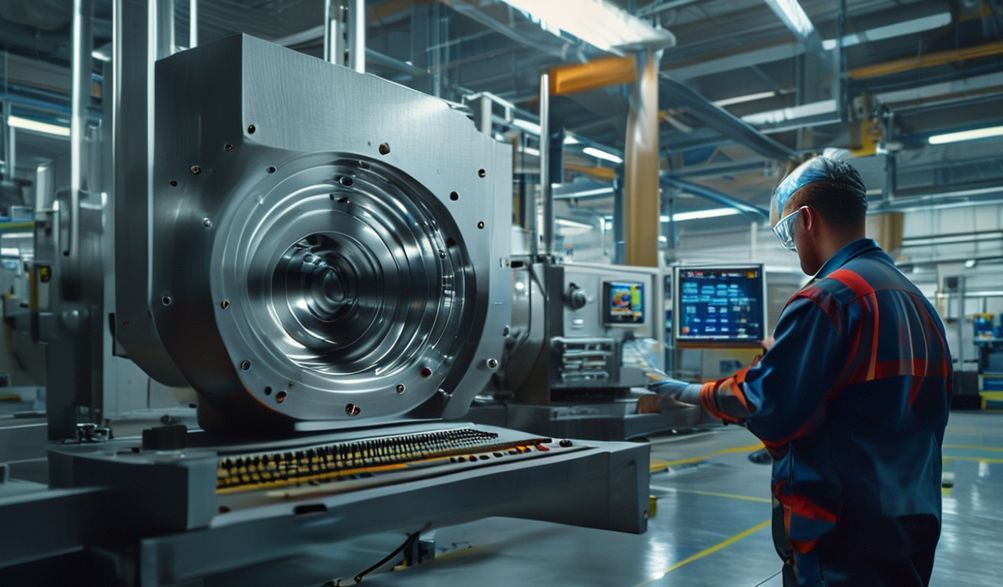
Поиск заводов по производству высококачественных станков для изготовления пустотелых блоков: Особое внимание на фабрику FUDA Block Making Factory
Введение
В мире современного строительства скромный пустотелый блок является основополагающей рабочей лошадкой. От жилых зданий до крупномасштабной инфраструктуры качество, однородность и прочность этих блоков напрямую влияют на структурную целостность, сроки проекта и общую стоимость. В основе этого производства лежит критически важное оборудование: станок для изготовления пустотелых блоков. Выбор надежного, высококачественного станка — это не просто покупка; это долгосрочное стратегическое вложение в производительность и репутацию вашего бизнеса.
Однако ориентироваться на мировом рынке заводов по производству оборудования может быть непростой задачей. Покупатели часто сталкиваются с морем вариантов, противоречивыми заявлениями о качестве и извечной проблемой баланса между первоначальной стоимостью и долгосрочной надежностью, а также поддержкой. Риски выбора некачественного оборудования серьезны: частые поломки, нестабильное качество блоков, непомерные расходы на техническое обслуживание и задержки проектов, способные подорвать бизнес.
Это руководство создано, чтобы отделить зерна от плевел. Мы обозначим ключевые признаки по-настоящему качественного завода по производству машин для изготовления пустотелых блоков, предоставив вам практическую схему для оценки. Чтобы применить эти принципы на практике, мы рассмотримФабрика по производству блоков FUDAВ качестве ведущего примера для изучения, анализируя, насколько его практики соответствуют отраслевым эталонам совершенства.
Наш анализ основан на устоявшихся производственных стандартах, инженерных принципах и объективном обзоре общедоступной информации от ведущих игроков отрасли. Цель — предоставить вам знания, необходимые для принятия обоснованного и уверенного решения.
什么定义了“优质”空心砖制造机工厂?
За глянцевыми брошюрами и рекламными презентациями качество машины рождается на производственном цеху. Истинное качество — это система, а не случайность. Вот ключевые принципы, которые отличают лидеров отрасли от остальных.
Точность инжиниринга и надёжность конструкции
Основой любой долговечной машины является её физическая конструкция. Качественный завод понимает, что его оборудование должно годами выдерживать огромное давление, постоянную вибрацию и суровые промышленные условия.
- Высококачественные материалы:Ищите заводы, которые указывают использование высокопрочной стали для рам и форм, известные бренды гидравлических систем (такие как Bosch Rexroth или Parker) и премиальные электрические компоненты. Качество этих исходных материалов определяет срок службы машины.
- ЧПУ обработка:Компьютерное числовое управление (ЧПУ) обеспечивает производство критически важных компонентов с микроскопической точностью. Это приводит к лучшей взаимозаменяемости деталей, более плавной работе и значительному снижению износа с течением времени.
Интеграция передовых технологий и автоматизации
Современные лучшие машины — это умные машины. Интеграция технологий является ключевым показателем стремления завода к производительности и удобству использования.
- Системы управления на базе ПЛК:Программируемый логический контроллер (ПЛК) является мозгом машины. Он обеспечивает стабильную плотность блоков, автоматизирует производственные циклы и упрощает управление, часто через удобный сенсорный интерфейс. Также он позволяет проводить диагностику и устранение неисправностей.
- Дизайн, ориентированный на эффективность:Ведущие заводы проектируют оборудование с учетом энергосбережения (например, эффективные гидравлические контуры) и превосходного уплотнения блоков благодаря передовым системам вибрации. Это приводит к снижению эксплуатационных расходов и повышению качества конечной продукции.
Строгие протоколы контроля качества
Качественный станок — это результат сотен проверок, а не только итогового контроля. Надежный завод имеет документально зафиксированный многоэтапный процесс контроля качества.
- Контроль в процессе производства:Это включает тестирование партий сырья, проверку размеров обработанных деталей и гидравлические испытания узлов до того, как они попадут на сборочную линию.
- Тестирование производительности:Окончательная машина должна пройти тщательное заводское приемочное испытание, производя блоки в имитированных рабочих условиях для проверки производительности, прочности блоков и общей функциональности перед отгрузкой.
Compliance and Certification
Certifications are a factory’s independent validation of its processes. They are a shorthand for trust and professionalism.
- Международные стандарты: ИСО 9001 certification is a strong indicator of a systematic approach to quality management. For export, Маркировка СЕ demonstrates compliance with European health, safety, and environmental standards.
- Safety Norms: Adherence to international safety norms in electrical and mechanical design is non-negotiable for protecting operators and ensuring reliable operation.
Ключевые факторы для оценки при выборе завода
Armed with an understanding of what quality looks like, how do you practically assess a potential supplier? Focus on these actionable factors.
Manufacturing Capability and Production Scale
The factory’s physical and operational scale speaks volumes.
- Assess Capacity: A larger, established factory with multiple production lines generally has more refined processes and greater stability. Ask about annual output capacity to gauge their experience level.
- Specialization Matters: A factory that specializes primarily in block making machinery (like FUDA) often possesses deeper expertise than a general-purpose machinery manufacturer.
Research & Development (R&D) Investment
A factory that invests in the future is investing in your future machine.
- Инновационный конвейер: Inquire about their R&D department. Ongoing investment leads to iterative improvements in efficiency, durability, and block design capabilities.
- Customization Ability: Can they customize molds for unique block designs or adapt machines for specific local materials (like fly ash or crushed aggregate)? This flexibility is a sign of strong engineering support.
Transparency in Supply Chain and Components
Beware of factories that are vague about what’s inside their machines.
- Component Traceability: A trustworthy factory will be transparent about the brands of core components—the hydraulic pump, PLC, motors, and bearings. They often have partnerships with global leaders like Siemens, Schneider Electric, or Omron.
- Supply Chain Stability: Long-term relationships with quality component suppliers ensure consistency and easier spare parts sourcing down the line.
Comprehensive After-Sales Service Structure
The relationship begins, it doesn’t end, at the point of sale. Service is where promises are kept.
- Documentation and Training: Look for the provision of detailed operation manuals, electrical diagrams, and installation guides. Availability of on-site or video training is a major plus.
- Support Infrastructure: Examine their warranty terms critically. Is there a dedicated service team? How quickly can they ship spare parts? Do they have service agents or partners in your region? A global service network is crucial for international buyers.
Case Study: FUDA Block Making Factory – An Analysis of Quality Practices
Let’s apply the above criteria to a concrete example. FUDA Block Making Factory, based in China, is frequently cited in the global market for block machinery. Here’s an analysis based on its public-facing information and industry positioning.
Company Overview and Market Position
FUDA presents itself as a specialist manufacturer focused on concrete block making machines. With a history spanning years in the industry, its stated mission typically revolves around providing efficient, reliable, and cost-effective solutions to a global clientele, from small entrepreneurs to large industrial plants.
A Look Inside FUDA’s Quality Assurance Process
Public information suggests FUDA emphasizes a multi-stage quality control system. This is reported to include:
* Incoming inspection for raw materials.
* Process inspection during machining and welding.
* Pre-delivery run-in testing of the complete machine.
* The company often highlights possession of ИСО 9001 certification, which aligns with the industry benchmark for a systematic quality management approach.
FUDA’s Machine Portfolio and Technological Features
FUDA offers a range typical of a specialized manufacturer, catering to different market segments:
* Ручные и полуавтоматические машины: For small-scale startups or specific block types.
* Полностью автоматизированные линии: For high-volume production, often featuring PLC control, automatic pallet feeders, and stackers.
* Promoted Features: Commonly highlighted technologies include powerful and efficient vibration systems for dense blocks, energy-saving designs, and user-friendly PLC interfaces with diagnostic capabilities.
Evaluating FUDA’s Customer Support and Global Reach
A key part of FUDA’s market presence is its export orientation. The company serves markets across Africa, Southeast Asia, the Middle East, and South America. This implies a need for, and presumably an investment in, an international support structure. Prospective buyers should verify:
* The specific terms of their warranty.
* The availability of English (or other language) documentation and training materials.
* The logistics network for spare parts to their specific country.
* Requesting contactable client references in a similar region is a critical step.
Red Flags: How to Spot a Low-Quality Machine Factory
Protecting yourself from a bad investment is as important as identifying a good one. Watch for these warning signs.
Vague Specifications and Lack of Technical Data
If a factory cannot provide detailed technical drawings, component brand lists, or clear performance data (like cycle time, power consumption, block strength output), proceed with extreme caution. Quality is quantifiable.
Absence of Verifiable Certifications or Factory Audits
A refusal to share certification copies or allow a virtual or physical factory audit is a major red flag. Reputable factories are proud of their facilities and processes.
Unrealistically Low Prices and Pressure Sales Tactics
If a price seems too good to be true, it almost always is. Drastically low prices are achieved by cutting corners on materials, components, and engineering. Coupled with high-pressure “today-only” discounts, this is a classic sign of a problematic supplier.
Poor or Nonexistent Communication and Unclear Contracts
Slow, unprofessional, or evasive communication before the sale predicts a nightmare after the sale. Ensure the sales contract is detailed, specifying machine model, component brands, delivery terms, warranty, and payment milestones clearly.
Frequently Asked Questions (FAQ)
Q1: What is the typical price range for a good quality hollow block making machine?
А: Prices vary enormously based on automation and capacity. A small manual machine may start around \$10,000, while a high-output, fully automatic production line can exceed \$200,000. Focus on the total cost of ownership, not just the sticker price. A cheaper machine often leads to far higher maintenance and downtime costs.
Q2: How important is it to visit the factory in person before purchasing?
А: It is one of the most crucial steps you can take. A factory visit allows you to verify manufacturing practices, assess quality control firsthand, see the scale of operations, and gauge the company’s professionalism directly. If a visit isn’t possible, insist on a detailed video tour.
Q3: What key questions should I ask a factory sales representative?
А:
* “Can you provide a detailed list of the brands used for the hydraulic system, PLC, and electrical components?”
* “What is your exact warranty process? How are spare parts shipped and what are typical delivery times to my country?”
* “Can you connect me with 2-3 previous clients in my region for a reference?”
* “What is included in the delivery (installation, training, initial spare parts kit)?”
Q4: Can factories like FUDA customize machines for specific block designs?
А: Yes, most reputable factories offer mold customization. The critical questions are about the lead time for custom mold manufacturing, the additional cost, and whether the machine settings will be tested and calibrated for the new mold design.
Q5: What are the most common maintenance issues with these machines?
А: Wear parts require regular attention: molds (for surface finish), springs and seals in the vibration and hydraulic systems, and pallets. A key factor in choosing a factory is how easily and affordably you can obtain these genuine spare parts from them.
Заключение
Identifying a good quality hollow block making machine factory requires moving beyond marketing and conducting thorough due diligence. The decision hinges on the tangible pillars of precision engineering, rigorous quality control, technological competence, and unwavering after-sales support.
Use the criteria outlined in this guide—examining engineering standards, transparency, and service infrastructure—as a practical checklist. Whether you are evaluating Фабрика по производству блоков FUDA or any other potential supplier, apply this framework consistently.
Your final action plan should be methodical: shortlist 3-5 factories that pass an initial document-based review. Request comprehensive technical and commercial proposals from each. Insist on speaking to past clients. Finally, schedule factory inspections to see the operations for yourself. This disciplined approach empowers you to transform a significant capital investment into a reliable engine for your business’s growth and success for years to come.
Author Bio & E-E-A-T Implementation Note for Final Post:
This section would include a brief author biography highlighting direct experience in construction machinery, manufacturing, or industrial procurement. It would link to the author’s profile (if on a professional site like LinkedIn) and mention years of expertise. The article itself would cite industry standards, use technical terminology correctly, and maintain a balanced, objective tone. All claims about specific factories would be based on publicly verifiable information or clearly labeled as general industry expectations.