
Guía Definitiva de Máquinas de Moldeo por Bloques: Desde la Selección hasta la Operación
Introducción
En el mundo de la construcción y la fabricación, la eficiencia y la precisión son innegociables. En el centro de la producción de los mismos ladrillos de nuestra infraestructura, literalmente, se encuentra un equipo fundamental: la máquina bloquera. Estas potentes máquinas transforman materias primas humildes como concreto, arcilla y mezclas compuestas en bloques, ladrillos y adoquines precisos, duraderos y uniformes.
Para contratistas que gestionan proyectos a gran escala, constructores que buscan eficiencia en el sitio de obra o emprendedores interesados en el lucrativo mercado de materiales de construcción, elegir la máquina de moldeo de bloques adecuada es una decisión crucial. La selección correcta impacta directamente en el cronograma, el presupuesto y la calidad de la estructura final. Por el contrario, una mala elección puede generar cuellos de botella, sobrecostos y productos de baja calidad.
Esta guía completa está diseñada para desmitificar la maquinaria de moldeo de bloques. Iremos más allá de la jerga de ventas para ofrecer una visión general clara, autoritaria y práctica. Obtendrás una sólida comprensión de cómo funcionan estas máquinas, explorarás los diferentes tipos disponibles y recibirás consejos prácticos para tomar una decisión de inversión informada y segura. Construyamos una base de conocimiento.
Máquinas de Moldeo por Bloques
Antes de profundizar en especificaciones y proveedores, es esencial comprender los principios fundamentales detrás de estas máquinas.
¿Qué es una Máquina de Moldeo por Bloques?
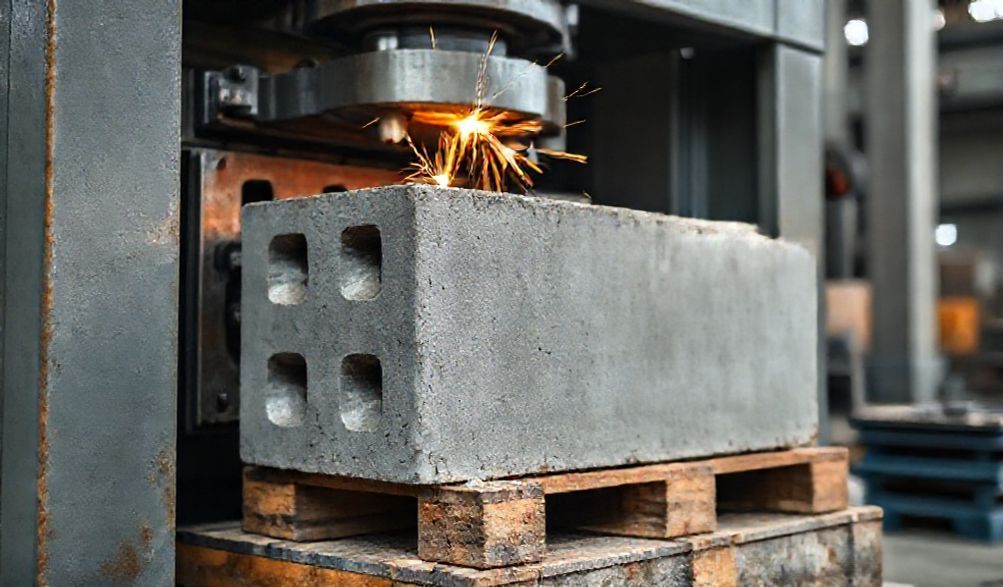
Una máquina de moldeo de bloques es un dispositivo mecánico o hidráulico diseñado para comprimir materia prima en una forma específica dentro de una cavidad de molde, produciendo bloques de construcción consistentes. El proceso central es engañosamente simple:
1. Relleno:Se introduce una mezcla seca o semi-seca en un molde.
2. Compactación:La alta presión —mediante vibración, fuerza hidráulica o ambas— densifica el material, eliminando bolsas de aire.
3. Expulsión:El bloque verde recién formado es empujado hacia una paleta o transportador para su curado.
Este proceso asegura que cada bloque tenga dimensiones, densidad y resistencia consistentes, las cuales son vitales para la integridad estructural.
Componentes Principales y Cómo Funcionan
Toda máquina de bloques, desde la prensa manual más simple hasta una planta totalmente automatizada, se construye en torno a componentes clave:
- Hopper:Esta es la bahía de carga. Almacena la materia prima (por ejemplo, mezcla de concreto) y la alimenta de manera uniforme hacia la cámara de moldeo. La alimentación constante es crucial para la uniformidad del producto.
- Moho o Muere:El corazón de la máquina. Esta cavidad de acero define la forma, el tamaño y la textura del producto final, ya sea un bloque hueco estándar, un ladrillo macizo o una losa entrelazada intrincada. Los moldes son intercambiables, pero están diseñados con precisión para ofrecer durabilidad.
- Sistema de Compactación:Aquí es donde ocurre la magia. Existen dos sistemas principales:
- VibratorioUtiliza motores eléctricos para crear vibraciones de alta frecuencia que asientan y densifican el material. Excelente para mezclas fluidas.
- HidráulicoUtiliza fluido presurizado para ejercer una fuerza inmensa y controlada (medida en toneladas) sobre el material. Produce bloques muy densos y de alta resistencia, y es común en máquinas más grandes.
- Muchas máquinas combinan ambos para obtener resultados óptimos.
- Sistema de Eyección:Una vez compactado, un mecanismo (a menudo un pistón o placa hidráulica) empuja cuidadosamente el bloque fuera del molde sin dañar sus bordes. En sistemas avanzados, esto se sincroniza con el movimiento de la paleta.
- Panel de Control:El cerebro de la máquina. Va desde simples palancas e interruptores manuales en modelos básicos hasta sofisticados paneles de Controlador Lógico Programable (PLC) en máquinas automáticas. Los PLC permiten programar conteos de bloques, tiempos de ciclo y diagnósticos.
Tipos de Máquinas de Moldeo por Bloque
La escala, el presupuesto y la disponibilidad de mano de obra de su proyecto le indicarán una de estas categorías principales de maquinaria.
Máquinas de Moldeo de Bloques Manuales
- Operación:Estos son caballos de batalla accionados por humanos. Un operador llena manualmente el molde, a menudo usa una palanca para aplicar presión de compactación, y luego suelta y retira el bloque para su curado.
- Mejor Para: Extremely small-scale projects, DIY homebuilders, community-led initiatives, or regions where labor costs are minimal. Ideal for production of a few hundred blocks per day.
- Pros y Contras:
- Pros: Very low initial investment, high portability, minimal maintenance, no power requirement for non-hydraulic models.
- Contras: Low output, highly dependent on operator skill and stamina, inconsistent product quality, physically demanding.
Máquinas Semiautomáticas para Moldear Bloques
- Operación: This category strikes a balance. Key processes like compaction and ejection are mechanized (usually via a hydraulic system and electric vibrators). However, operators manually feed material into the hopper and remove finished blocks.
- Mejor Para: Small to medium-sized block-making businesses, dedicated on-site production for housing projects, and municipal works. They offer a significant productivity boost over manual machines.
- Pros y Contras:
- Pros: Higher and more consistent output than manual machines, better block density and strength, reasonable upfront cost.
- Contras: Still requires consistent operational labor, output is limited by the speed of manual feeding and removal.
Máquinas de Moldeo de Bloques Completamente Automáticas
- Operación: These are integrated production lines. They feature automatic material feeding (from a mixer via conveyor), molding, compaction, ejection, block stacking, and pallet handling—all synchronized and controlled by a PLC.
- Mejor Para: Large-scale block production plants, industrial manufacturers supplying construction markets, and major infrastructure projects requiring vast, consistent block quantities.
- Pros y Contras:
- Pros: Maximum output (thousands of blocks per shift), exceptional product consistency, minimal direct labor required per block, high efficiency.
- Contras: Very high capital investment, requires significant space and stable 3-phase power, needs skilled technical maintenance, less flexibility for very short runs.
Máquinas de Bloques Móviles
- Operación: These are compact, self-contained units mounted on a trailer or skid frame. They are designed to be transported directly to a job site to produce blocks on-location.
- Mejor Para: Large, remote construction sites like dams, rural housing developments, or road projects where transporting finished blocks over long distances is cost-prohibitive or logistically challenging.
- Pros y Contras:
- Pros: Eliminates transport costs for heavy blocks, enables just-in-time production, reduces material waste on-site.
- Contras: Output is typically lower than stationary plant machines, may require a supporting team for material handling on-site.
Key Applications and Materials Used
The versatility of block molding machines extends across construction and landscaping.
Aplicaciones Principales en la Construcción
- Housing & Building Construction: The primary application. Machines produce hollow concrete blocks for load-bearing and non-load-bearing walls, solid bricks for facades and paving, and specialized architectural blocks.
- Pavimentación y Paisajismo: Manufacturing interlocking concrete pavers for driveways, walkways, and patios; garden retaining wall blocks; curbstones; and decorative slabs.
- Infrastructure & Civil Works: Producing heavy-duty blocks for retaining walls, drainage systems (pervious blocks), sound barriers along highways, and blocks for erosion control.
Common Raw Materials
The machine must be compatible with your chosen material.
* Concreto: The most common material, a mix of cement, sand (fine aggregate), and gravel (coarse aggregate). It produces strong, durable, and weather-resistant blocks.
* Cenizas Volantes: A pozzolanic byproduct from coal plants, often used to replace a portion of cement in concrete mixes. It enhances workability, long-term strength, and sustainability.
* Arcilla: Used for traditional fired bricks. The molding process is similar, but the “green” bricks require subsequent drying and firing in a kiln, a separate process from block molding.
* Compressed Stabilized Earth (CSEB): Uses local soil stabilized with a small percentage (5-10%) of cement or lime. It’s an eco-friendly, low-cost option for certain building types, requiring a machine capable of handling earth mixes.
How to Choose the Right Block Molding Machine: A Buyer’s Checklist
Navigating the market requires a structured approach. Use this checklist to evaluate your options.
1. Assess Your Production Requirements
- Capacidad de Salida: Be realistic. Calculate the blocks needed per day/week to meet your project deadline or sales goals. Don’t buy a massive automatic machine for a small, one-off project.
- Tipo y Tamaño del Bloque: List every product you need. Standard 4″, 6″, and 8″ hollow blocks? Interlocking pavers? Specialty shapes? Confirm the supplier offers these specific molds and that the machine can handle the required pressure.
- Materias Primas Disponibles: Audit what’s locally available and affordable. The machine must be suited to your aggregate size, sand quality, and potential use of alternative materials like fly ash.
2. Evaluate Machine Specifications
- Pressure & Compaction Force: This is a key indicator of potential block strength. Higher hydraulic pressure (measured in tons or MPa) generally produces denser, more durable blocks suitable for structural applications.
- Tiempo de Ciclo: Ask: “How many seconds for one complete molding cycle?” Multiply this by the number of cavities in the mold to estimate hourly output. Faster cycle times mean higher productivity.
- Fuente de alimentación: Does your site have reliable 3-phase electricity? If not, a diesel-powered or hybrid model may be necessary. Factor in long-term energy costs.
- Nivel de Automatización: Honestly assess your labor situation. Do you have skilled technicians for a full-auto machine, or is a simpler semi-auto model a better fit for your team’s skills?
3. Consider Operational and Business Factors
- Costo Total de Propiedad (CTP): Look beyond the sticker price. Include:
- Installation & foundation costs.
- Cost of spare molds and wear parts (liners, seals).
- Estimated energy consumption.
- Routine maintenance costs.
- After-Sales Support & Warranty: This is paramount. A reliable supplier should offer:
- A clear warranty period and terms.
- Availability of spare parts.
- Provision of operator training.
- Access to technical support (phone, online, or on-site).
- Supplier Reputation: Conduct due diligence. Read customer reviews, ask for references from past buyers in your region, and research the manufacturer’s history in the industry.
Maintenance and Safety Best Practices
Protecting your investment and your team is a mark of professional operation.
Routine Maintenance Checklist
A well-maintained machine lasts longer and produces better quality blocks.
- Daily:
- Clean the mold, hopper, and feed system thoroughly to prevent material buildup.
- Check for and tighten any loose bolts or nuts.
- Inspect for hydraulic oil or air leaks.
- Weekly/Monthly:
- Lubricate all moving parts (pivots, bearings, guide rods) as specified in the manual.
- Inspect wear parts: mold liners, ejection plate, vibration motor mounts.
- Check hydraulic oil level and condition.
- Annually: Schedule a major service, ideally with a technician from your supplier, to inspect the entire system, replace worn components, and ensure calibration.
Essential Safety Protocols
- PPE is Mandatory: Operators must wear safety glasses, hearing protection, heavy-duty gloves, and steel-toe boots at all times.
- Lock Out, Tag Out (LOTO): Never attempt to clear a jam, clean the mold, or perform adjustments without first shutting off and locking the main power source.
- Use Safety Guards: Ensure all moving parts are properly guarded. Never operate a machine with removed safety covers.
- Train Thoroughly: Every operator must be trained not only on normal procedures but also on emergency stop locations and basic troubleshooting.
FAQ: Your Block Molding Machine Questions Answered
Q: What is the average production output of a medium-sized block machine?
A: A typical semi-automatic machine can produce between 800 to 2,000 standard 4″ hollow blocks in an 8-hour shift, depending on the model’s cycle time and operator efficiency. A fully automatic line can produce 4,000 to 10,000+ blocks in the same period.
Q: Can one machine produce different block types?
A: Yes, through mold changes. Most suppliers offer a range of compatible molds. However, changing molds takes time (from 30 minutes to a few hours). Discuss “quick-change” systems if you need frequent product switches.
Q: How important is the curing process after molding?
A: It is absolutely critical. Freshly molded concrete blocks gain most of their strength during curing. Proper curing (keeping blocks moist and covered, often for 7-14 days) is essential to achieve the published compressive strength and prevent cracking.
Q: What are the main cost factors besides the machine itself?
A: Key operational costs include: raw materials, wooden or steel pallets for block handling, a covered area for production and curing, labor (feeding, removal, curing management), energy, and a budget for routine maintenance and spare parts.
Q: How do I ensure the blocks meet quality standards?
A: Start with a consistent, well-proportioned mix design. Regularly test sample blocks for:
* Precisión Dimensional: Using calipers.
* Densidad: Weighing and measuring.
* Resistencia a la Compresión: Sent to a lab or tested with an on-site compression tester.
Adhere to relevant standards like ASTM C90 (Concrete Masonry Units) or their local equivalents.
Conclusión
Selecting a block molding machine is a strategic decision with long-term implications for your construction project or manufacturing business. Success hinges on a careful, informed matching process—aligning the machine’s capabilities with your specific output needs, material constraints, and operational capacity.
As you engage with suppliers, prioritize those who demonstrate real-world Experiencia in your application, back their claims with the Autoridad of proven track records and customer testimonials, and build Confianza through transparent communication, solid warranties, and reliable after-sales support.
By applying the framework outlined in this guide—from understanding core mechanics to rigorously evaluating suppliers—you move from being a buyer to a knowledgeable partner in the process. This foundation will enable you to make a confident investment, one that will lay the groundwork for efficiency, quality, and profitability for years to come.
<