
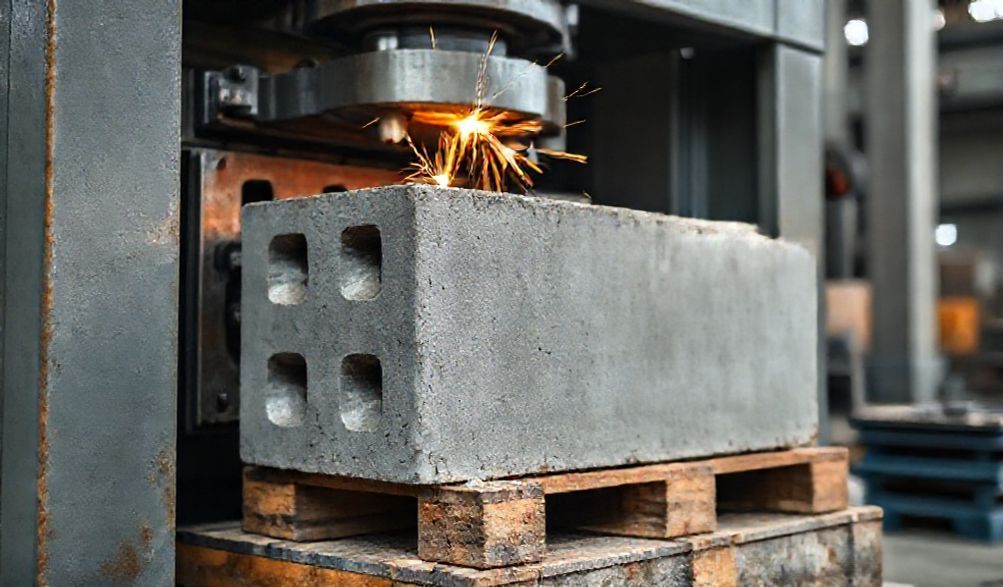
Остаточний посібник з блочно-формувальних машин: від вибору до експлуатації
Вступ
У світі будівництва та виробництва ефективність і точність є безальтернативними вимогами. В основі створення самих будівельних блоків нашої інфраструктури — у прямому сенсі — лежить ключове обладнання: машина для виробництва блоків. Ці потужні машини перетворюють прості сировинні матеріали, такі як бетон, глина та композитні суміші, на точні, міцні та однорідні блоки, цеглу та тротуарну плитку.
Для підрядників, які керують масштабними проектами, будівельників, що прагнуть підвищити ефективність на місці, або підприємців, які цікавляться прибутковим ринком будівельних матеріалів, вибір правильної машини для виробництва блоків є критично важливим рішенням. Правильний вибір безпосередньо впливає на строки реалізації вашого проекту, бюджет та якість кінцевої конструкції. І навпаки, невідповідний вибір може призвести до простоїв, перевищення кошторису та виробництва продукції низької якості.
Цей всеосяжний посібник створений, щоб розвіяти міфи про обладнання для виробництва будівельних блоків. Ми вийдемо за рамки рекламних слів, щоб надати чіткий, авторитетний і практичний огляд. Ви отримаєте міцне розуміння того, як працюють ці машини, дослідите різні доступні типи та отримаєте дієві поради для впевненого інвестування. Почнімо будувати фундамент знань.
Розуміння машин для формування блоків
Перш ніж заглиблюватися в специфікації та постачальників, важливо зрозуміти основні принципи роботи цих машин.
Що таке блочно-формувальна машина?
Машина для формування блоків - це механічний або гідравлічний пристрій, призначений для стиснення сировини у певну форму в порожнині форми, виробляючи однакові будівельні блоки. Основний процес обманливо простий:
1. Наповнення:Суха або напівсуха суміш подається у форму.
2. Ущільнення:Високий тиск — за допомогою вібрації, гідравлічної сили або обох — ущільнює матеріал, видаляючи повітряні кишені.
3. Викид:Щойно сформований зелений блок виштовхується на піддон або конвеєр для затвердіння.
Цей процес гарантує, що кожен блок має однакові розміри, щільність і міцність, що є важливим для структурної цілісності.
Основні компоненти та принцип їх роботи
Кожна блокова машина, від найпростішого ручного преса до повністю автоматизованого заводу, побудована на основі ключових компонентів:
- Хоппер:Це завантажувальний відсік. Він містить сировину (наприклад, бетонну суміш) і рівномірно подає її у формувальну камеру. Стабільна подача є ключовою для однорідності продукту.
- Пліснява або смерть:Серце машини. Ця сталева порожнина визначає форму, розмір і текстуру кінцевого продукту — чи то стандартний пустотілий блок, суцільна цегла, або складний зчіпний бруківковий камінь. Форми є змінними, але виготовлені з високою точністю для довговічності.
- Система ущерднення:Ось де відбувається магія. Існують дві основні системи:
- Вібраційний.Використовує електродвигуни для створення високочастотних вібрацій, які осаджують та ущільнюють матеріал. Відмінно підходить для рідких сумішей.
- ГідравлічнийВикористовує рідину під тиском для створення величезного контрольованого зусилля (вимірюваного в тоннах) на матеріал. Виробляє дуже щільні блоки високої міцності та поширена у великих машинах.
- Багато машин поєднують обидва для досягнення оптимальних результатів.
- Система катапультування:Після ущільнення механізм (часто гідравлічний поршень або плита) обережно виштовхує блок із форми, не пошкоджуючи його країв. У вдосконалених системах цей процес синхронізовано з рухом піддону.
- Панель керування:Мозок машини. Він варіюється від простих ручних важелів і перемикачів на базових моделях до складних панелей на основі програмованих логічних контролерів (PLC) на автоматичних машинах. PLC дозволяють програмувати кількість блоків, тривалість циклів і проводити діагностику.
Типи машин для формування блоків
Масштаб вашого проекту, бюджет і доступність робочої сили вкажуть вам на одну з цих основних категорій машин.
Ручні верстати для формування блоків
- Операція:Це робочі коні, що працюють на людській силі. Оператор вручну заповнює форму, часто використовує важіль для створення ущільнювального тиску, а потім відпускає та виймає блок для затвердіння.
- Найкраще для: Extremely small-scale projects, DIY homebuilders, community-led initiatives, or regions where labor costs are minimal. Ideal for production of a few hundred blocks per day.
- Переваги та недоліки:
- Переваги: Very low initial investment, high portability, minimal maintenance, no power requirement for non-hydraulic models.
- Недоліки: Low output, highly dependent on operator skill and stamina, inconsistent product quality, physically demanding.
Напівавтоматичні верстати для виробництва блоків
- Операція: This category strikes a balance. Key processes like compaction and ejection are mechanized (usually via a hydraulic system and electric vibrators). However, operators manually feed material into the hopper and remove finished blocks.
- Найкраще для: Small to medium-sized block-making businesses, dedicated on-site production for housing projects, and municipal works. They offer a significant productivity boost over manual machines.
- Переваги та недоліки:
- Переваги: Higher and more consistent output than manual machines, better block density and strength, reasonable upfront cost.
- Недоліки: Still requires consistent operational labor, output is limited by the speed of manual feeding and removal.
Повністю автоматичні машини для формування блоків
- Операція: These are integrated production lines. They feature automatic material feeding (from a mixer via conveyor), molding, compaction, ejection, block stacking, and pallet handling—all synchronized and controlled by a PLC.
- Найкраще для: Large-scale block production plants, industrial manufacturers supplying construction markets, and major infrastructure projects requiring vast, consistent block quantities.
- Переваги та недоліки:
- Переваги: Maximum output (thousands of blocks per shift), exceptional product consistency, minimal direct labor required per block, high efficiency.
- Недоліки: Very high capital investment, requires significant space and stable 3-phase power, needs skilled technical maintenance, less flexibility for very short runs.
Мобільні блокові машини
- Операція: These are compact, self-contained units mounted on a trailer or skid frame. They are designed to be transported directly to a job site to produce blocks on-location.
- Найкраще для: Large, remote construction sites like dams, rural housing developments, or road projects where transporting finished blocks over long distances is cost-prohibitive or logistically challenging.
- Переваги та недоліки:
- Переваги: Eliminates transport costs for heavy blocks, enables just-in-time production, reduces material waste on-site.
- Недоліки: Output is typically lower than stationary plant machines, may require a supporting team for material handling on-site.
Key Applications and Materials Used
The versatility of block molding machines extends across construction and landscaping.
Основні застосування в будівництві
- Housing & Building Construction: The primary application. Machines produce hollow concrete blocks for load-bearing and non-load-bearing walls, solid bricks for facades and paving, and specialized architectural blocks.
- Paving & Landscaping: Manufacturing interlocking concrete pavers for driveways, walkways, and patios; garden retaining wall blocks; curbstones; and decorative slabs.
- Infrastructure & Civil Works: Producing heavy-duty blocks for retaining walls, drainage systems (pervious blocks), sound barriers along highways, and blocks for erosion control.
Common Raw Materials
The machine must be compatible with your chosen material.
* Бетон: The most common material, a mix of cement, sand (fine aggregate), and gravel (coarse aggregate). It produces strong, durable, and weather-resistant blocks.
* Зольний пил: A pozzolanic byproduct from coal plants, often used to replace a portion of cement in concrete mixes. It enhances workability, long-term strength, and sustainability.
* Глина: Used for traditional fired bricks. The molding process is similar, but the “green” bricks require subsequent drying and firing in a kiln, a separate process from block molding.
* Compressed Stabilized Earth (CSEB): Uses local soil stabilized with a small percentage (5-10%) of cement or lime. It’s an eco-friendly, low-cost option for certain building types, requiring a machine capable of handling earth mixes.
How to Choose the Right Block Molding Machine: A Buyer’s Checklist
Navigating the market requires a structured approach. Use this checklist to evaluate your options.
1. Assess Your Production Requirements
- Вихідна потужність: Be realistic. Calculate the blocks needed per day/week to meet your project deadline or sales goals. Don’t buy a massive automatic machine for a small, one-off project.
- Тип та розмір блоку: List every product you need. Standard 4″, 6″, and 8″ hollow blocks? Interlocking pavers? Specialty shapes? Confirm the supplier offers these specific molds and that the machine can handle the required pressure.
- Доступні сировинні матеріали: Audit what’s locally available and affordable. The machine must be suited to your aggregate size, sand quality, and potential use of alternative materials like fly ash.
2. Evaluate Machine Specifications
- Pressure & Compaction Force: This is a key indicator of potential block strength. Higher hydraulic pressure (measured in tons or MPa) generally produces denser, more durable blocks suitable for structural applications.
- Час циклу: Ask: “How many seconds for one complete molding cycle?” Multiply this by the number of cavities in the mold to estimate hourly output. Faster cycle times mean higher productivity.
- Джерело живлення: Does your site have reliable 3-phase electricity? If not, a diesel-powered or hybrid model may be necessary. Factor in long-term energy costs.
- Рівень автоматизації: Honestly assess your labor situation. Do you have skilled technicians for a full-auto machine, or is a simpler semi-auto model a better fit for your team’s skills?
3. Consider Operational and Business Factors
- Загальна вартість володіння (TCO): Look beyond the sticker price. Include:
- Installation & foundation costs.
- Cost of spare molds and wear parts (liners, seals).
- Estimated energy consumption.
- Routine maintenance costs.
- After-Sales Support & Warranty: This is paramount. A reliable supplier should offer:
- A clear warranty period and terms.
- Availability of spare parts.
- Provision of operator training.
- Access to technical support (phone, online, or on-site).
- Supplier Reputation: Conduct due diligence. Read customer reviews, ask for references from past buyers in your region, and research the manufacturer’s history in the industry.
Maintenance and Safety Best Practices
Protecting your investment and your team is a mark of professional operation.
Routine Maintenance Checklist
A well-maintained machine lasts longer and produces better quality blocks.
- Daily:
- Clean the mold, hopper, and feed system thoroughly to prevent material buildup.
- Check for and tighten any loose bolts or nuts.
- Inspect for hydraulic oil or air leaks.
- Weekly/Monthly:
- Lubricate all moving parts (pivots, bearings, guide rods) as specified in the manual.
- Inspect wear parts: mold liners, ejection plate, vibration motor mounts.
- Check hydraulic oil level and condition.
- Annually: Schedule a major service, ideally with a technician from your supplier, to inspect the entire system, replace worn components, and ensure calibration.
Essential Safety Protocols
- PPE is Mandatory: Operators must wear safety glasses, hearing protection, heavy-duty gloves, and steel-toe boots at all times.
- Блокування, маркування (LOTO) Never attempt to clear a jam, clean the mold, or perform adjustments without first shutting off and locking the main power source.
- Use Safety Guards: Ensure all moving parts are properly guarded. Never operate a machine with removed safety covers.
- Train Thoroughly: Every operator must be trained not only on normal procedures but also on emergency stop locations and basic troubleshooting.
FAQ: Your Block Molding Machine Questions Answered
Q: What is the average production output of a medium-sized block machine?
А: A typical semi-automatic machine can produce between 800 to 2,000 standard 4″ hollow blocks in an 8-hour shift, depending on the model’s cycle time and operator efficiency. A fully automatic line can produce 4,000 to 10,000+ blocks in the same period.
Q: Can one machine produce different block types?
А: Yes, through mold changes. Most suppliers offer a range of compatible molds. However, changing molds takes time (from 30 minutes to a few hours). Discuss “quick-change” systems if you need frequent product switches.
Q: How important is the curing process after molding?
А: It is absolutely critical. Freshly molded concrete blocks gain most of their strength during curing. Proper curing (keeping blocks moist and covered, often for 7-14 days) is essential to achieve the published compressive strength and prevent cracking.
Q: What are the main cost factors besides the machine itself?
А: Key operational costs include: raw materials, wooden or steel pallets for block handling, a covered area for production and curing, labor (feeding, removal, curing management), energy, and a budget for routine maintenance and spare parts.
Q: How do I ensure the blocks meet quality standards?
А: Start with a consistent, well-proportioned mix design. Regularly test sample blocks for:
* Точність розмірів: Using calipers.
* Щільність: Weighing and measuring.
* Міцність на стискання: Sent to a lab or tested with an on-site compression tester.
Adhere to relevant standards like ASTM C90 (Concrete Masonry Units) or their local equivalents.
Висновок
Selecting a block molding machine is a strategic decision with long-term implications for your construction project or manufacturing business. Success hinges on a careful, informed matching process—aligning the machine’s capabilities with your specific output needs, material constraints, and operational capacity.
As you engage with suppliers, prioritize those who demonstrate real-world Експертиза in your application, back their claims with the Авторитетність of proven track records and customer testimonials, and build Надійність through transparent communication, solid warranties, and reliable after-sales support.
By applying the framework outlined in this guide—from understanding core mechanics to rigorously evaluating suppliers—you move from being a buyer to a knowledgeable partner in the process. This foundation will enable you to make a confident investment, one that will lay the groundwork for efficiency, quality, and profitability for years to come.
<