
Блок элэмен машинларының Долуры КӨМЕКЧИСИ: Сайламадан Ишлетмеге чейин
Giriş
Gurluşyk we önümçilik dünýäsinde netijelilik we takyklyk hökman şertdir. Infrastrukturamyzyň esasyny döredýän bloklaryň öndürilişinde, esasy rol blok gural maşynyna degişlidir. Bu güýçli maşynlar beton, kerpiç we kompozit garyndylar ýaly ýönekeý çig mallary takyk, berk we birmeňzeş bloklara, kerpiçlere we plitalara öwürýär.
Uly taslamalary dolandyryjy pudakçylar üçin, gurluşyk meýdançasynyň işjeňligini gözleýän gurluşykçylar üçin ýa-da gurluşyk materiallary bazaryndan peýda gözleýän telekeçiler üçin, dogry blok guralyny saýlamak ähmiýetli karardyr. Dogry saýlama, taslamanyň wagtyna, budjetine we gurluşygyň netijeli hiline gönüden-göni täsir edýär. Tersine, ýaramaz saýlama, bottlenecklere, artykmaç çykdajylara we pes hilli önümlere getirip biler.
Bu gollanma blok guraly maşynlarynyň işini aňsatlaşdyrmak üçin düzüldi. Biz satuw sözlerinden daşary çykyp, aýdyň, ygtybarly we amaly syn tapawudy bereris. Siz bu maşynlaryň nädip işleýändigini düşünersiňiz, elýeterli dürli görnüşlerini gözden geçireris we ygtybarly sarmany üçin amaly maslahatlar alarsyňyz. Bilim esasyny guraly.
Блок эретир станокларын түшүнмек
Spesifikasiýalary we edaralary gözden geçirmekden öň, bu enjamlaryň esasy prinsiplerini düşünmek zerurdyr.
Блок эритиш машинасы деген эмне?
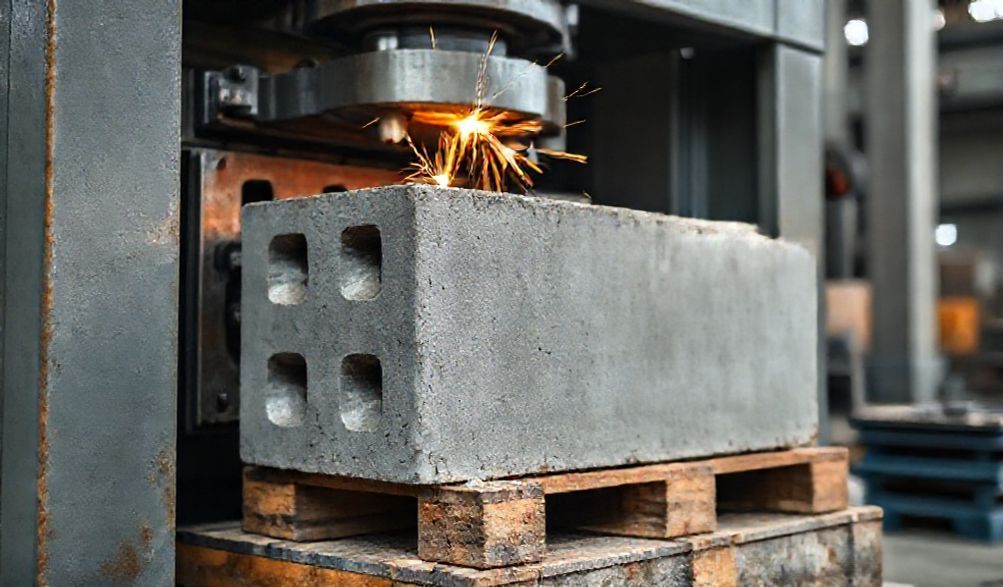
Bir blok gowgu maşyny, ylalaşykly gurluşyk bloklaryny öndürmek üçin çig materialy gowgu boşlugynda belli bir şekle siňdirmek üçin düzülen mehaniki ýa-da gidrawlik enjamdyr. Esasy proses aldawly derejede ýönekeýdir:
1. Doldurma:Гурыҷык я дам-гурыҷык аралашмасы галып салыныр.
2. Gatnaşdyrma:Ýokary basyş—titreme, gidrawlik güýç ýa-da ikisi hem arkaly—materialy ýygyndylaşdyrýar, howa boşluklaryny aýyrýar.
3. Чыгаруу:Täze emele gelen, ýaşyl blok palet ýa-da konweýer üçine çykarylýar we güýçlendirilýär.
Bu proses her bir blokda ygtybarly gurluş üçin möhüm bolan ylalaşyk ölçegleri, dykyzlygy we güýjini üpjün edýär.
Esasy Bölümler we Olaryň Işleýişi
Her bir blok maşyny, iň ýönekeý el guralyndan tutmuş doly awtomatlaşdyrylan zawodyna çenli, esasy böleklerden ybarat bolýar:
- Хоппер:Bu ýük boşatma meýdany. Ol çygly materialy (meselem, beton garyndysy) saklaýar we ony birmeňzeş şekilde galyplaýyş kamerasyna berýär. Birmeňzeş iýmitlenme önümiň birmeňzeşligi üçin ähmiýetlidir.
- Mold or Die:Mashynanyň ýüregi. Bu polat boşluk, onuň adaty boş blok, doly kerpiç ýa-da çylşyrymly bir-birine geçirilen plitka bolmagyndan aslynda, soňky önümiň görnüşini, ölçegini we dokusyny kesgitleýär. Kalyp üýtgeşik bolup bilýär, ýöne uzyn möhletli bolmagy üçin takyk işlenendir.
- Goşundy Ulgamy:Bu ýerde möhüm işler amala aşýar. Iki esasy ulgam bar:
- Titreşimli:Elektrik motorlaryny ulanyp, ýokary ýygylykly titremeler döredýär we materialy çökdürýär we dykyzlaşdyrýar. Suwuk garyndylar üçin ajaýyp.
- GidrawlikaGysyşly suwuklygy ulanyp, materiala ägirt uly, gözegçilikli güýç (tonnalarda ölçelýän) ýetirýär. Örän gür, ýokary berk bölekleri öndürýär we uly maşynlarda giňden ulanylýar.
- Köp maşynlar iň oňat netije üçin ikisini birleşdirýär.
- Çykaryş Ulgamy:Gysylan mahaly, bir mehanizm (köplenç gidrawlik ram ýa-da plastinka) blodyň gyralaryna zeper ýetirmezden, gatyşykdan serişdelik bilen itekleýär. Ösen ulgamlarda bu palet hereketi bilen sinhronlaşdyrylýar.
- Kontrol paneli:Maşynyň beýnisi. Adaty modellerdäki ýönekeý el leňňerleri we wyklýuçatellerden başlap, awtomatik maşynlardaky çylşyrymly Programlanýan Logiki Kontroller (PLC) panellerine çenli üýtgeýär. PLC-ler blok sanlaryny, aýlaw wagtlaryny we diagnoziki barlaglary programmalamaga mümkinçilik berýär.
Блок эдиш машиналарыныň görnüşleri
Taslamaňyzyň gerimi, býujeti we işçi güýjüniň elýeterliligi size şu esasy maşyn kategoriýalaryndan birine ugrukdyrar.
Кол блокларын гыпландырýыш машыналар
- Amal:Bular adam güýji bilen işleýän iş otlarydyr. Operator el bilen gaby doldurýar, köplenç leýwer bilen gysyş basyşyny ulanyar, soňra bloky çykaryp, bejermek üçin aýyrýar.
- Iň Gowy:Gaty kiçi göwrümli taslamalar, öz eliňiz bilen gurýan öý gurujylar, jemgyýetçilik başlangyjy çäreler ýa-da zähmet çykdajylary az bolan sebitler. Gününe birnäçe ýüz blok öndürmek üçin idealdyr.
- Kämil we kemçilikler:
- Artalary:Ilk maýa goýumy gaty pes, götermek aňsat, az bejeriliş talap edýär, gidrawlik däl modeller üçin güýç talap etmeýär.
- Kemçilikler:Az çykyş, operatoriň ussatlygyna we durnuklylygyna ýokary bagly, önümiň hiliniň yzygiderli däl, fiziki taýdan agyr.
Ýarym-Awtomatik Blok Gysma Maşynlary
- Amal:Bu kategori deňagramlylygy saklaýar. Gysma we çykarma ýaly esasy prosesler mehanizirlenýär (adatça gidrawlik ulgam we elektrik wibratorlar arkaly). Şeýle-de bolsa, operatorlar elden materialy howza iýmitlendirýärler we taýýar bloklary aýyrýarlar.
- Iň Gowy: Kiçi we orta ölçegli blok öndürýän kärhanalar, jaý taslamalary üçin ýöriteleşdirilen ýerli önümçilik we şäher gurluşyk işleri. Olar el bilen işleýän maşynlardan has ýokary öndürijiligi üpjün edýär.
- Kämil we kemçilikler:
- Artalary:El bilen işleýän maşynlara garanyňda has ýokary we yzygiderli önümçilik, gurluş bloklarynyň gürlügi we berkligi has gowy, ilkibaşky çykdajylary amatly.
- Kemçilikler:Heniz yzygiderli işçi güýjüni talap edýär, çykarylyşy el bilen iýmitlendirmegiň we aýyrmagyň tizligi bilen çäklendirilýär.
Doly Awtomatik Blok Gysma Maşynlary
- Amal:Bu, integirlenen önümçilik liniýalary. Olar awtomatik material iýmitlendirmäni (mikserden konweýer arkaly), galyplandyrmany, gysmagy, çykaryşy, blok ýygnamagy we palet ýöretmegi öz içine alýar—bularyň hemmesi PLC tarapyndan sinhronlanýar we dolandyrylýar.
- Iň Gowy: Large-scale block production plants, industrial manufacturers supplying construction markets, and major infrastructure projects requiring vast, consistent block quantities.
- Kämil we kemçilikler:
- Artalary: Maximum output (thousands of blocks per shift), exceptional product consistency, minimal direct labor required per block, high efficiency.
- Kemçilikler: Very high capital investment, requires significant space and stable 3-phase power, needs skilled technical maintenance, less flexibility for very short runs.
Мобил блок машыналары
- Amal: These are compact, self-contained units mounted on a trailer or skid frame. They are designed to be transported directly to a job site to produce blocks on-location.
- Iň Gowy: Large, remote construction sites like dams, rural housing developments, or road projects where transporting finished blocks over long distances is cost-prohibitive or logistically challenging.
- Kämil we kemçilikler:
- Artalary: Eliminates transport costs for heavy blocks, enables just-in-time production, reduces material waste on-site.
- Kemçilikler: Output is typically lower than stationary plant machines, may require a supporting team for material handling on-site.
Key Applications and Materials Used
The versatility of block molding machines extends across construction and landscaping.
Gurluşykda Esasy Ulanylyşlar
- Housing & Building Construction: The primary application. Machines produce hollow concrete blocks for load-bearing and non-load-bearing walls, solid bricks for facades and paving, and specialized architectural blocks.
- Paving & Landscaping: Manufacturing interlocking concrete pavers for driveways, walkways, and patios; garden retaining wall blocks; curbstones; and decorative slabs.
- Infrastructure & Civil Works: Producing heavy-duty blocks for retaining walls, drainage systems (pervious blocks), sound barriers along highways, and blocks for erosion control.
Common Raw Materials
The machine must be compatible with your chosen material.
* Beton: The most common material, a mix of cement, sand (fine aggregate), and gravel (coarse aggregate). It produces strong, durable, and weather-resistant blocks.
* Ултараш: A pozzolanic byproduct from coal plants, often used to replace a portion of cement in concrete mixes. It enhances workability, long-term strength, and sustainability.
* Лай Used for traditional fired bricks. The molding process is similar, but the “green” bricks require subsequent drying and firing in a kiln, a separate process from block molding.
* Compressed Stabilized Earth (CSEB): Uses local soil stabilized with a small percentage (5-10%) of cement or lime. It’s an eco-friendly, low-cost option for certain building types, requiring a machine capable of handling earth mixes.
How to Choose the Right Block Molding Machine: A Buyer’s Checklist
Navigating the market requires a structured approach. Use this checklist to evaluate your options.
1. Assess Your Production Requirements
- Çykaryş kuwwaty: Be realistic. Calculate the blocks needed per day/week to meet your project deadline or sales goals. Don’t buy a massive automatic machine for a small, one-off project.
- Blok Görnüşi we Ölçegi: List every product you need. Standard 4″, 6″, and 8″ hollow blocks? Interlocking pavers? Specialty shapes? Confirm the supplier offers these specific molds and that the machine can handle the required pressure.
- Elýeterli Çygmalar: Audit what’s locally available and affordable. The machine must be suited to your aggregate size, sand quality, and potential use of alternative materials like fly ash.
2. Evaluate Machine Specifications
- Pressure & Compaction Force: This is a key indicator of potential block strength. Higher hydraulic pressure (measured in tons or MPa) generally produces denser, more durable blocks suitable for structural applications.
- Sikl wagty: Ask: “How many seconds for one complete molding cycle?” Multiply this by the number of cavities in the mold to estimate hourly output. Faster cycle times mean higher productivity.
- Güýç Çeşmesi: Does your site have reliable 3-phase electricity? If not, a diesel-powered or hybrid model may be necessary. Factor in long-term energy costs.
- Awtomatlaşdyryş derejesi: Honestly assess your labor situation. Do you have skilled technicians for a full-auto machine, or is a simpler semi-auto model a better fit for your team’s skills?
3. Consider Operational and Business Factors
- Эээлик дүйүминиң толук баасы (TCO): Look beyond the sticker price. Include:
- Installation & foundation costs.
- Cost of spare molds and wear parts (liners, seals).
- Estimated energy consumption.
- Routine maintenance costs.
- After-Sales Support & Warranty: This is paramount. A reliable supplier should offer:
- A clear warranty period and terms.
- Availability of spare parts.
- Provision of operator training.
- Access to technical support (phone, online, or on-site).
- Supplier Reputation: Conduct due diligence. Read customer reviews, ask for references from past buyers in your region, and research the manufacturer’s history in the industry.
Maintenance and Safety Best Practices
Protecting your investment and your team is a mark of professional operation.
Routine Maintenance Checklist
A well-maintained machine lasts longer and produces better quality blocks.
- Daily:
- Clean the mold, hopper, and feed system thoroughly to prevent material buildup.
- Check for and tighten any loose bolts or nuts.
- Inspect for hydraulic oil or air leaks.
- Weekly/Monthly:
- Lubricate all moving parts (pivots, bearings, guide rods) as specified in the manual.
- Inspect wear parts: mold liners, ejection plate, vibration motor mounts.
- Check hydraulic oil level and condition.
- Annually: Schedule a major service, ideally with a technician from your supplier, to inspect the entire system, replace worn components, and ensure calibration.
Essential Safety Protocols
- PPE is Mandatory: Operators must wear safety glasses, hearing protection, heavy-duty gloves, and steel-toe boots at all times.
- Gaplyň açaryny aýyrmak, bellik goýmak (LOTO): Never attempt to clear a jam, clean the mold, or perform adjustments without first shutting off and locking the main power source.
- Use Safety Guards: Ensure all moving parts are properly guarded. Never operate a machine with removed safety covers.
- Train Thoroughly: Every operator must be trained not only on normal procedures but also on emergency stop locations and basic troubleshooting.
FAQ: Your Block Molding Machine Questions Answered
Q: What is the average production output of a medium-sized block machine?
A: A typical semi-automatic machine can produce between 800 to 2,000 standard 4″ hollow blocks in an 8-hour shift, depending on the model’s cycle time and operator efficiency. A fully automatic line can produce 4,000 to 10,000+ blocks in the same period.
Q: Can one machine produce different block types?
A: Yes, through mold changes. Most suppliers offer a range of compatible molds. However, changing molds takes time (from 30 minutes to a few hours). Discuss “quick-change” systems if you need frequent product switches.
Q: How important is the curing process after molding?
A: It is absolutely critical. Freshly molded concrete blocks gain most of their strength during curing. Proper curing (keeping blocks moist and covered, often for 7-14 days) is essential to achieve the published compressive strength and prevent cracking.
Q: What are the main cost factors besides the machine itself?
A: Key operational costs include: raw materials, wooden or steel pallets for block handling, a covered area for production and curing, labor (feeding, removal, curing management), energy, and a budget for routine maintenance and spare parts.
Q: How do I ensure the blocks meet quality standards?
A: Start with a consistent, well-proportioned mix design. Regularly test sample blocks for:
* Ölçeg Takyklygy: Using calipers.
* Dykyzlyk: Weighing and measuring.
* Ыкмалык беркдиги: Sent to a lab or tested with an on-site compression tester.
Adhere to relevant standards like ASTM C90 (Concrete Masonry Units) or their local equivalents.
Netije
Selecting a block molding machine is a strategic decision with long-term implications for your construction project or manufacturing business. Success hinges on a careful, informed matching process—aligning the machine’s capabilities with your specific output needs, material constraints, and operational capacity.
As you engage with suppliers, prioritize those who demonstrate real-world Uzmanlyk in your application, back their claims with the Awtoritarlık of proven track records and customer testimonials, and build Ygtybarlylyk through transparent communication, solid warranties, and reliable after-sales support.
By applying the framework outlined in this guide—from understanding core mechanics to rigorously evaluating suppliers—you move from being a buyer to a knowledgeable partner in the process. This foundation will enable you to make a confident investment, one that will lay the groundwork for efficiency, quality, and profitability for years to come.
<