
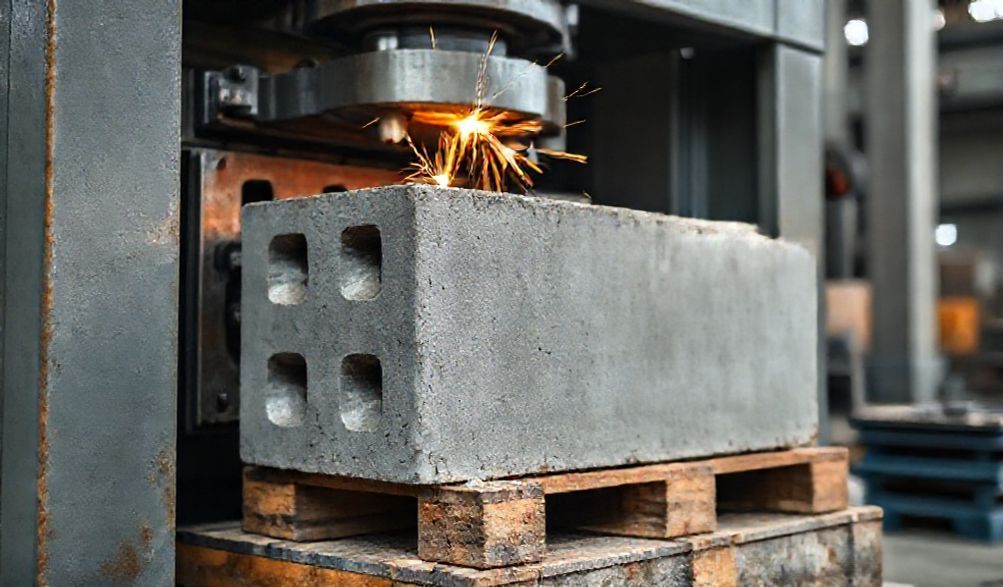
คู่มือขั้นสูงสุดสำหรับเครื่องอัดบล็อก: ตั้งแต่การเลือกจนถึงการใช้งาน
บทนำ
ในโลกของการก่อสร้างและการผลิต ประสิทธิภาพและความแม่นยำเป็นสิ่งที่ขาดไม่ได้ หัวใจสำคัญในการผลิตส่วนประกอบพื้นฐานของโครงสร้างพื้นฐานของเรา ซึ่งก็คือเครื่องอัดบล็อก อุปกรณ์ชิ้นสำคัญนี้เปลี่ยนวัตถุดิบพื้นๆ เช่น คอนกรีต ดินเหนียว และส่วนผสมคอมโพสิต ให้กลายเป็นบล็อก อิฐ และแผ่นปูพื้นที่มีความแม่นยำ ทนทาน และมีมาตรฐานเดียวกัน
สำหรับผู้รับเหมาที่จัดการโครงการขนาดใหญ่ ผู้สร้างที่ต้องการประสิทธิภาพในสถานที่ก่อสร้าง หรือผู้ประกอบการที่จับตาตลาดวัสดุก่อสร้างที่ทำกำไรได้ดี การเลือกเครื่องอัดบล็อกที่เหมาะสมถือเป็นข้อตัดสินใจที่สำคัญ การเลือกที่ถูกต้องส่งผลกระทบโดยตรงต่อระยะเวลาโครงการ งบประมาณ และคุณภาพของโครงสร้างสุดท้าย ในทางกลับกัน การเลือกที่ไม่เหมาะสมอาจนำไปสู่ปัญหาคอขวด ต้นทุนบานปลาย และผลิตภัณฑ์ด้อยคุณภาพ
คู่มือฉบับสมบูรณ์นี้จัดทำขึ้นเพื่อไขความลับของเครื่องจักรขึ้นรูปบล็อก เราจะก้าวข้ามคำโฆษณามายา เพื่อนำเสนอภาพรวมที่ชัดเจน เชื่อถือได้ และปฏิบัติได้จริง คุณจะได้รับความเข้าใจที่แน่นเกี่ยวกับหลักการทำงานของเครื่องจักรเหล่านี้ ศึกษาประเภทต่างๆ ที่มีอยู่ พร้อมรับคำแนะนำที่นำไปปฏิบัติได้ เพื่อประกอบการตัดสินใจลงทุนอย่างมั่นใจ มาร่วมกันสร้างรากฐานแห่งความรู้
ทำความเข้าใจเครื่องอัดขึ้นรูปบล็อก
ก่อนที่จะเจาะลึกรายละเอียดและผู้จัดจำหน่าย การเข้าใจหลักการพื้นฐานของเครื่องจักรเหล่านี้เป็นสิ่งสำคัญ
เครื่องจักรอัดบล็อกคืออะไร
เครื่องขึ้นรูปบล็อกเป็นอุปกรณ์กลไกหรือไฮดรอลิกที่ออกแบบมาเพื่ออัดวัสดุดิบให้มีรูปทรงเฉพาะภายในแม่พิมพ์คริตี ทำให้ได้บล็อกก่อสร้างที่มีความสม่ำเสมอ กระบวนการหลักนั้นดูเหมือนง่ายแต่ซับซ้อนในรายละเอียด:
1. ไส้ป้อนส่วนผสมแบบแห้งหรือกึ่งแห้งเข้าไปในแม่พิมพ์
2. การบดอัด:แรงดันสูง—ไม่ว่าจะผ่านการสั่นสะเทือน แรงไฮดรอลิก หรือทั้งสองอย่าง—ทำให้วัสดุอัดแน่น ขจัดช่องว่างอากาศออกไป
3. การดีดตัวออกบล็อกสีเขียวที่เพิ่งถูกขึ้นรูปจะถูกดันออกไปยังพาเลทหรือสายพานลำเลียงเพื่อทำการบ่ม
กระบวนการนี้ทำให้มั่นใจว่าแต่ละบล็อกมีขนาด ความหนาแน่น และความแข็งแรงที่สม่ำเสมอ ซึ่งเป็นสิ่งสำคัญสำหรับความมั่นคงทางโครงสร้าง
ส่วนประกอบหลักและวิธีการทำงาน
เครื่องจักรบล็อกทุกรุ่น ตั้งแต่เครื่องกดแบบแมนนวลที่เรียบง่ายที่สุดไปจนถึงโรงงานผลิตแบบอัตโนมัติเต็มรูปแบบ ล้วนถูกสร้างขึ้นจากส่วนประกอบหลักดังต่อไปนี้:
- ฮอปเปอร์นี่คือพื้นที่รับวัสดุ มันบรรจุวัตถุดิบ (เช่น ส่วนผสมคอนกรีต) และป้อนเข้าสู่ห้องขึ้นรูปอย่างสม่ำเสมอ การป้อนที่สม่ำเสมอเป็นสิ่งสำคัญต่อความสม่ำเสมอของผลิตภัณฑ์
- รา หรือ ตายหัวใจของเครื่องจักร โพรงเหล็กนี้กำหนดรูปร่าง ขนาด และพื้นผิวของผลิตภัณฑ์สุดท้าย ไม่ว่าจะเป็นบล็อกกลวงมาตรฐาน อิฐตัน หรือแผ่นปูพื้นแบบประสานที่ซับซ้อน แม่พิมพ์สามารถเปลี่ยนได้ แต่ถูกออกแบบอย่างแม่นยำเพื่อความทนทาน
- ระบบการบดอัดนี่คือที่ที่ความมหัศจรรย์เกิดขึ้น ระบบหลักสองระบบมีอยู่:
- การสั่นสะเทือนใช้มอเตอร์ไฟฟ้าเพื่อสร้างการสั่นสะเทือนความถี่สูงที่ช่วยให้วัสดุตกตะกอนและแน่นตัวขึ้น เหมาะอย่างยิ่งสำหรับส่วนผสมที่มีความลื่นไหล
- ไฮดรอลิกใช้ของไหลภายใต้แรงดันสูงเพื่อออกแรงมหาศาลที่ควบคุมได้ (วัดเป็นตัน) กับวัสดุ ทำให้เกิดบล็อกที่มีความหนาแน่นสูงและแข็งแรงมาก มักพบในเครื่องจักรขนาดใหญ่
- เครื่องจักรหลายชนิดรวมทั้งสองอย่างเข้าด้วยกันเพื่อให้ได้ผลลัพธ์ที่ดีที่สุด
- ระบบการดีดตัวออกเมื่อถูกอัดแน่นแล้ว กลไก (มักเป็นกระบอกสูบไฮดรอลิกหรือแผ่นอัด) จะค่อยๆ ดันบล็อกออกจากแม่พิมพ์โดยไม่ทำให้ขอบเสียหาย ในระบบขั้นสูง การทำงานนี้จะถูกประสานกับการเคลื่อนที่ของพาเลท
- แผงควบคุมสมองของเครื่องจักร ตั้งแต่คันโยกและสวิตช์แบบธรรมดาในรุ่นพื้นฐาน ไปจนถึงแผงควบคุมด้วยโปรแกรมเมเบิลลอจิกคอนโทรลเลอร์ (PLC) ที่ซับซ้อนในเครื่องจักรอัตโนมัติ PLC ช่วยให้สามารถตั้งโปรแกรมจำนวนบล็อก รอบเวลา และการวินิจฉัยข้อบกพร่องได้
ประเภทของเครื่องขึ้นรูปบล็อก
ขนาดของโปรเจกต์ งบประมาณ และความพร้อมของแรงงานจะชี้ให้คุณเห็นว่าควรเลือกใช้เครื่องจักรประเภทหลักประเภทใดประเภทหนึ่ง
เครื่องอัดบล็อกแบบแมนนวล
- ปฏิบัติการ:เหล่านี้คือม้าทำงานที่ขับเคลื่อนด้วยแรงมนุษย์ ผู้ปฏิบัติงานจะเทแม่พิมพ์ด้วยมือ มักใช้คานเพื่อกดอัด จากนั้นปลดและนำบล็อกออกเพื่อบ่ม
- เหมาะที่สุดสำหรับ:โครงการขนาดเล็กมาก, ผู้สร้างบ้านแบบ DIY, โครงการที่นำโดยชุมชน, หรือภูมิภาคที่ค่าแรงงานต่ำที่สุด เหมาะสำหรับการผลิตบล็อกจำนวนไม่กี่ร้อยชิ้นต่อวัน
- ข้อดีและข้อเสีย:
- ข้อดี:เงินลงทุนเริ่มต้นต่ำมาก พกพาสะดวก การบำรุงรักษาน้อยที่สุด และไม่ต้องใช้ไฟฟ้าสำหรับรุ่นที่ไม่ใช้ระบบไฮดรอลิก
- ข้อเสียผลผลิตต่ำ พึ่งพาทักษะและความแข็งแรงของผู้ปฏิบัติงานสูง คุณภาพผลิตภัณฑ์ไม่สม่ำเสมอ ต้องใช้แรงกายมาก
เครื่องอัดบล็อกกึ่งอัตโนมัติ
- ปฏิบัติการ:ประเภทนี้มีความสมดุล กระบวนการสำคัญอย่างการอัดและการดีดบล็อกเป็นระบบกลไก (โดยปกติใช้ระบบไฮดรอลิกและเครื่องสั่นไฟฟ้า) อย่างไรก็ตาม ผู้ปฏิบัติงานต้องป้อนวัสดุเข้าไปในถังบรรจุและนำบล็อกที่เสร็จแล้วออกด้วยตนเอง
- เหมาะที่สุดสำหรับ:ธุรกิจผลิตบล็อกขนาดกลางถึงเล็ก ที่เน้นการผลิตในสถานที่สำหรับโครงการที่อยู่อาศัย และงานเทศบาล พวกเขาช่วยเพิ่มผลผลิตได้อย่างมีนัยสำคัญเมื่อเทียบกับเครื่องจักรแบบใช้แรงงานคน
- ข้อดีและข้อเสีย:
- ข้อดี: Higher and more consistent output than manual machines, better block density and strength, reasonable upfront cost.
- ข้อเสีย Still requires consistent operational labor, output is limited by the speed of manual feeding and removal.
เครื่องอัดบล็อกอัตโนมัติสมบูรณ์แบบ
- ปฏิบัติการ: These are integrated production lines. They feature automatic material feeding (from a mixer via conveyor), molding, compaction, ejection, block stacking, and pallet handling—all synchronized and controlled by a PLC.
- เหมาะที่สุดสำหรับ: Large-scale block production plants, industrial manufacturers supplying construction markets, and major infrastructure projects requiring vast, consistent block quantities.
- ข้อดีและข้อเสีย:
- ข้อดี: Maximum output (thousands of blocks per shift), exceptional product consistency, minimal direct labor required per block, high efficiency.
- ข้อเสีย Very high capital investment, requires significant space and stable 3-phase power, needs skilled technical maintenance, less flexibility for very short runs.
เครื่องอัดบล็อกมือถือ
- ปฏิบัติการ: These are compact, self-contained units mounted on a trailer or skid frame. They are designed to be transported directly to a job site to produce blocks on-location.
- เหมาะที่สุดสำหรับ: Large, remote construction sites like dams, rural housing developments, or road projects where transporting finished blocks over long distances is cost-prohibitive or logistically challenging.
- ข้อดีและข้อเสีย:
- ข้อดี: Eliminates transport costs for heavy blocks, enables just-in-time production, reduces material waste on-site.
- ข้อเสีย Output is typically lower than stationary plant machines, may require a supporting team for material handling on-site.
Key Applications and Materials Used
The versatility of block molding machines extends across construction and landscaping.
การใช้งานหลักในอุตสาหกรรมก่อสร้าง
- Housing & Building Construction: The primary application. Machines produce hollow concrete blocks for load-bearing and non-load-bearing walls, solid bricks for facades and paving, and specialized architectural blocks.
- ปูพื้นและจัดสวน: Manufacturing interlocking concrete pavers for driveways, walkways, and patios; garden retaining wall blocks; curbstones; and decorative slabs.
- Infrastructure & Civil Works: Producing heavy-duty blocks for retaining walls, drainage systems (pervious blocks), sound barriers along highways, and blocks for erosion control.
Common Raw Materials
The machine must be compatible with your chosen material.
* คอนกรีต: The most common material, a mix of cement, sand (fine aggregate), and gravel (coarse aggregate). It produces strong, durable, and weather-resistant blocks.
* เถ้าลอย A pozzolanic byproduct from coal plants, often used to replace a portion of cement in concrete mixes. It enhances workability, long-term strength, and sustainability.
* ดินเหนียว Used for traditional fired bricks. The molding process is similar, but the “green” bricks require subsequent drying and firing in a kiln, a separate process from block molding.
* Compressed Stabilized Earth (CSEB): Uses local soil stabilized with a small percentage (5-10%) of cement or lime. It’s an eco-friendly, low-cost option for certain building types, requiring a machine capable of handling earth mixes.
How to Choose the Right Block Molding Machine: A Buyer’s Checklist
Navigating the market requires a structured approach. Use this checklist to evaluate your options.
1. Assess Your Production Requirements
- ความสามารถในการส่งออก Be realistic. Calculate the blocks needed per day/week to meet your project deadline or sales goals. Don’t buy a massive automatic machine for a small, one-off project.
- ประเภทและขนาดของบล็อก List every product you need. Standard 4″, 6″, and 8″ hollow blocks? Interlocking pavers? Specialty shapes? Confirm the supplier offers these specific molds and that the machine can handle the required pressure.
- วัตถุดิบที่มีอยู่: Audit what’s locally available and affordable. The machine must be suited to your aggregate size, sand quality, and potential use of alternative materials like fly ash.
2. Evaluate Machine Specifications
- Pressure & Compaction Force: This is a key indicator of potential block strength. Higher hydraulic pressure (measured in tons or MPa) generally produces denser, more durable blocks suitable for structural applications.
- เวลาในรอบการผลิต Ask: “How many seconds for one complete molding cycle?” Multiply this by the number of cavities in the mold to estimate hourly output. Faster cycle times mean higher productivity.
- แหล่งพลังงาน Does your site have reliable 3-phase electricity? If not, a diesel-powered or hybrid model may be necessary. Factor in long-term energy costs.
- ระดับการทำงานอัตโนมัติ Honestly assess your labor situation. Do you have skilled technicians for a full-auto machine, or is a simpler semi-auto model a better fit for your team’s skills?
3. Consider Operational and Business Factors
- ต้นทุนรวมในการเป็นเจ้าของ (TCO) Look beyond the sticker price. Include:
- Installation & foundation costs.
- Cost of spare molds and wear parts (liners, seals).
- Estimated energy consumption.
- Routine maintenance costs.
- After-Sales Support & Warranty: This is paramount. A reliable supplier should offer:
- A clear warranty period and terms.
- Availability of spare parts.
- Provision of operator training.
- Access to technical support (phone, online, or on-site).
- Supplier Reputation: Conduct due diligence. Read customer reviews, ask for references from past buyers in your region, and research the manufacturer’s history in the industry.
Maintenance and Safety Best Practices
Protecting your investment and your team is a mark of professional operation.
Routine Maintenance Checklist
A well-maintained machine lasts longer and produces better quality blocks.
- Daily:
- Clean the mold, hopper, and feed system thoroughly to prevent material buildup.
- Check for and tighten any loose bolts or nuts.
- Inspect for hydraulic oil or air leaks.
- Weekly/Monthly:
- Lubricate all moving parts (pivots, bearings, guide rods) as specified in the manual.
- Inspect wear parts: mold liners, ejection plate, vibration motor mounts.
- Check hydraulic oil level and condition.
- Annually: Schedule a major service, ideally with a technician from your supplier, to inspect the entire system, replace worn components, and ensure calibration.
Essential Safety Protocols
- PPE is Mandatory: Operators must wear safety glasses, hearing protection, heavy-duty gloves, and steel-toe boots at all times.
- การล็อกเอาต์, แท็กเอาต์ (LOTO): Never attempt to clear a jam, clean the mold, or perform adjustments without first shutting off and locking the main power source.
- Use Safety Guards: Ensure all moving parts are properly guarded. Never operate a machine with removed safety covers.
- Train Thoroughly: Every operator must be trained not only on normal procedures but also on emergency stop locations and basic troubleshooting.
FAQ: Your Block Molding Machine Questions Answered
Q: What is the average production output of a medium-sized block machine?
ก A typical semi-automatic machine can produce between 800 to 2,000 standard 4″ hollow blocks in an 8-hour shift, depending on the model’s cycle time and operator efficiency. A fully automatic line can produce 4,000 to 10,000+ blocks in the same period.
Q: Can one machine produce different block types?
ก Yes, through mold changes. Most suppliers offer a range of compatible molds. However, changing molds takes time (from 30 minutes to a few hours). Discuss “quick-change” systems if you need frequent product switches.
Q: How important is the curing process after molding?
ก It is absolutely critical. Freshly molded concrete blocks gain most of their strength during curing. Proper curing (keeping blocks moist and covered, often for 7-14 days) is essential to achieve the published compressive strength and prevent cracking.
Q: What are the main cost factors besides the machine itself?
ก Key operational costs include: raw materials, wooden or steel pallets for block handling, a covered area for production and curing, labor (feeding, removal, curing management), energy, and a budget for routine maintenance and spare parts.
Q: How do I ensure the blocks meet quality standards?
ก Start with a consistent, well-proportioned mix design. Regularly test sample blocks for:
* ความแม่นยำเชิงมิติ Using calipers.
* ความหนาแน่น Weighing and measuring.
* ความต้านทานแรงอัด Sent to a lab or tested with an on-site compression tester.
Adhere to relevant standards like ASTM C90 (Concrete Masonry Units) or their local equivalents.
สรุป
Selecting a block molding machine is a strategic decision with long-term implications for your construction project or manufacturing business. Success hinges on a careful, informed matching process—aligning the machine’s capabilities with your specific output needs, material constraints, and operational capacity.
As you engage with suppliers, prioritize those who demonstrate real-world ความเชี่ยวชาญ in your application, back their claims with the ความน่าเชื่อถือ of proven track records and customer testimonials, and build ความน่าเชื่อถือ through transparent communication, solid warranties, and reliable after-sales support.
By applying the framework outlined in this guide—from understanding core mechanics to rigorously evaluating suppliers—you move from being a buyer to a knowledgeable partner in the process. This foundation will enable you to make a confident investment, one that will lay the groundwork for efficiency, quality, and profitability for years to come.
<