
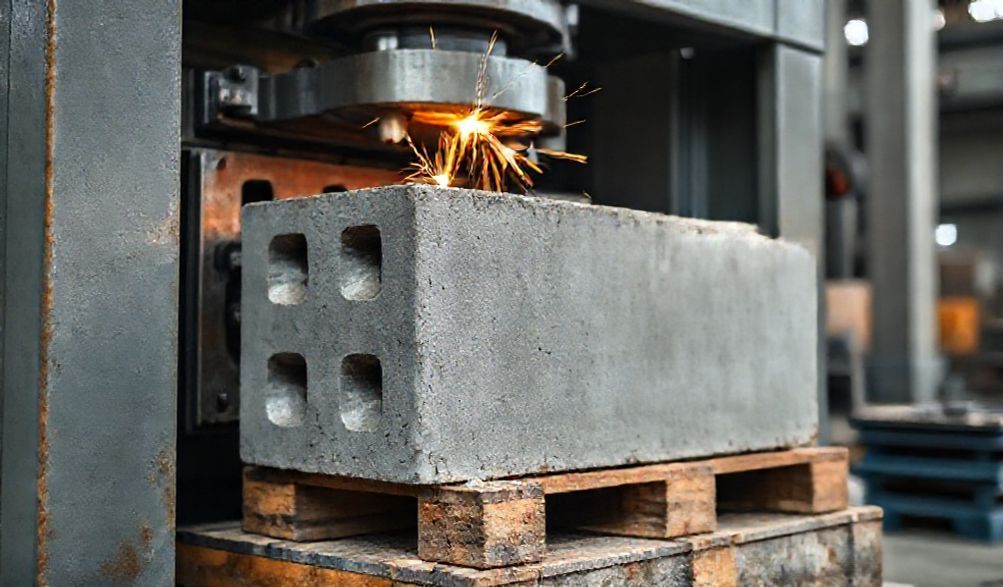
Блок қалыптау машиналарының жетілдірілген нұсқаулығы: Таңдаудан бастап жұмыс істеуге дейін
Кіріспе
Құрылыс және өндіріс әлемінде тиімділік пен дәлдік міндетті талап болып табылады. Біздің инфрақұрылымның негізгі құрылыс блоктарын өндірудің өзегінде блок қалыптау машинасы деп аталатын шешуші құрылғы жатыр. Бұл қуатты машиналар қарапайым шикізаттарды, мысалы, бетон, саз және композиттік қоспаларды дәл, берік және біркелкі блоктарға, кірпіштерге және тротуар тақталарына айналдырады.
Үлкен жобаларды басқаратын келісімшартшыларға, құрылыс алаңындағы тиімділікті арттырғысы келетін құрылысшыларға немесе табысты құрылыс материалдары нарығын көздеген кәсіпкерлерге арналған дұрыс блок қалыптау машинасын таңдау шешуші маңызды қадам болып табылады. Дұрыс таңдау сіздің жобаңыздың орындалу мерзіміне, бюджетіне және соңғы құрылымның сапасына тікелей әсер етеді. Керісінше, дұрыс емес таңдау тоқтап қалуларға, шығындардың артуына және сапасыз өнімдерге әкелуі мүмкін.
Бұл жан-жақты нұсқаулық блок қалыптау машиналарының жұмыс істеу принципін түсіндіруге арналған. Біз сату жарнамаларынан арылып, нақты, сенімді және практикалық шолу ұсынамыз. Сіз осы машиналардың жұмыс істеу тәсілдерін тереңірек түсініп, олардың әртүрлі түрлерін зерттейсіз және сенімді инвестиция жасауға көмектесетін іс-әрекетке бағытталған кеңестер аласыз. Білім негізін қалайық.
Блок қалыптау машиналарын түсіну
Осы машиналардың негізгі қағидаларын түсіну үшін, алдымен олардың сипаттамалары мен жеткізушілерін қарастырмас бұрын, маңызды болып табылады.
Блок қалыптау машинасы дегеніміз не?
Блок қалыптау машинасы - бұл шикізатты қалып қуысында белгілі бір пішінге сығатын, тұрақты құрылыс блоктарын шығаратын механикалық немесе гидравликалық құрылғы. Негізгі процес өте қарапайым:
1. ТолтыруҚұрғақ немесе жартылай құрғақ қоспа қалыпқа беріледі.
2. Тығыздау:Жоғары қысым – діріл, гидравликалық күш немесе екеуінің әсері арқылы – материалды тығыздап, ауа қуыстарын жояды.
3. Атқылау:Жаңадан қалыптасқан жасыл блок кептіру үшін паллетке немесе конвейерге шығарылады.
Бұл процесс әрбір блоктың біркелкі өлшемдерге, тығыздыққа және беріктікке ие болуын қамтамасыз етеді, бұл құрылымдық тұтастық үшін өте маңызды.
Негізгі құрамдас бөліктер және олардың жұмыс істеу принципі
Әрбір блок-машина, қарапайым қолмен басылатын пресстен толық автоматтандырылған зауытқа дейін, негізгі компоненттерден құралған.
- Хоппер:Бұл жүктеу аймағы. Ол шикізатты (мысалы, бетон қоспасын) ұстап, оны қалыптау камерасына біркелкі беріп отырады. Өнімнің біркелкілігі үшін тұрақты беріліс маңызды.
- Саңырауқұлақ немесе өлу:Машинаның жүрегі. Бұл болат қуыс соңғы өнімнің пішінін, өлшемін және құрылымын анықтайды—ол стандартты қуыс блок, тұтас кірпіш немесе күрделі өзара байланысатын төсеме тақта болсын. Қалыптар ауыстырылады, бірақ беріктік үшін дәлдікпен жасалған.
- Тығыздау жүйесі:Міне, сиқыр осында болады. Екі негізгі жүйе бар:
- Вибрациялық: Uses electric motors to create high-frequency vibrations that settle and densify the material. Excellent for fluid mixes.
- Гидравликалық: Uses pressurized fluid to exert immense, controlled force (measured in tons) on the material. Produces very dense, high-strength blocks and is common in larger machines.
- Many machines combine both for optimal results.
- Құтылу жүйесі: Once compacted, a mechanism (often a hydraulic ram or plate) carefully pushes the block out of the mold without damaging its edges. In advanced systems, this is synchronized with pallet movement.
- Басқару панелі: The machine’s brain. It ranges from simple manual levers and switches on basic models to sophisticated Programmable Logic Controller (PLC) panels on automatic machines. PLCs allow for programming block counts, cycle times, and diagnostics.
Блок қалыптау машиналарының түрлері
Your project’s scale, budget, and labor availability will point you toward one of these primary machine categories.
Қолмен блок қалыптау машиналары
- Операция: These are human-powered workhorses. An operator manually fills the mold, often uses a lever to apply compaction pressure, and then releases and removes the block for curing.
- Үздік: Extremely small-scale projects, DIY homebuilders, community-led initiatives, or regions where labor costs are minimal. Ideal for production of a few hundred blocks per day.
- Артықшылықтары мен кемшіліктері:
- Артықшылықтары: Very low initial investment, high portability, minimal maintenance, no power requirement for non-hydraulic models.
- Кемшіліктері: Low output, highly dependent on operator skill and stamina, inconsistent product quality, physically demanding.
Жартылай автоматты блок қалыптау машиналары
- Операция: This category strikes a balance. Key processes like compaction and ejection are mechanized (usually via a hydraulic system and electric vibrators). However, operators manually feed material into the hopper and remove finished blocks.
- Үздік: Small to medium-sized block-making businesses, dedicated on-site production for housing projects, and municipal works. They offer a significant productivity boost over manual machines.
- Артықшылықтары мен кемшіліктері:
- Артықшылықтары: Higher and more consistent output than manual machines, better block density and strength, reasonable upfront cost.
- Кемшіліктері: Still requires consistent operational labor, output is limited by the speed of manual feeding and removal.
Толық автоматты блок қалыптау машиналары
- Операция: These are integrated production lines. They feature automatic material feeding (from a mixer via conveyor), molding, compaction, ejection, block stacking, and pallet handling—all synchronized and controlled by a PLC.
- Үздік: Large-scale block production plants, industrial manufacturers supplying construction markets, and major infrastructure projects requiring vast, consistent block quantities.
- Артықшылықтары мен кемшіліктері:
- Артықшылықтары: Maximum output (thousands of blocks per shift), exceptional product consistency, minimal direct labor required per block, high efficiency.
- Кемшіліктері: Very high capital investment, requires significant space and stable 3-phase power, needs skilled technical maintenance, less flexibility for very short runs.
Mobile Block Machines
- Операция: These are compact, self-contained units mounted on a trailer or skid frame. They are designed to be transported directly to a job site to produce blocks on-location.
- Үздік: Large, remote construction sites like dams, rural housing developments, or road projects where transporting finished blocks over long distances is cost-prohibitive or logistically challenging.
- Артықшылықтары мен кемшіліктері:
- Артықшылықтары: Eliminates transport costs for heavy blocks, enables just-in-time production, reduces material waste on-site.
- Кемшіліктері: Output is typically lower than stationary plant machines, may require a supporting team for material handling on-site.
Key Applications and Materials Used
The versatility of block molding machines extends across construction and landscaping.
Құрылыстағы негізгі қолданыстар
- Housing & Building Construction: The primary application. Machines produce hollow concrete blocks for load-bearing and non-load-bearing walls, solid bricks for facades and paving, and specialized architectural blocks.
- Paving & Landscaping: Manufacturing interlocking concrete pavers for driveways, walkways, and patios; garden retaining wall blocks; curbstones; and decorative slabs.
- Infrastructure & Civil Works: Producing heavy-duty blocks for retaining walls, drainage systems (pervious blocks), sound barriers along highways, and blocks for erosion control.
Common Raw Materials
The machine must be compatible with your chosen material.
* Бетон: The most common material, a mix of cement, sand (fine aggregate), and gravel (coarse aggregate). It produces strong, durable, and weather-resistant blocks.
* Ұшқан күл: A pozzolanic byproduct from coal plants, often used to replace a portion of cement in concrete mixes. It enhances workability, long-term strength, and sustainability.
* Сарыбас Used for traditional fired bricks. The molding process is similar, but the “green” bricks require subsequent drying and firing in a kiln, a separate process from block molding.
* Compressed Stabilized Earth (CSEB): Uses local soil stabilized with a small percentage (5-10%) of cement or lime. It’s an eco-friendly, low-cost option for certain building types, requiring a machine capable of handling earth mixes.
How to Choose the Right Block Molding Machine: A Buyer’s Checklist
Navigating the market requires a structured approach. Use this checklist to evaluate your options.
1. Assess Your Production Requirements
- Шығу қабілеті: Be realistic. Calculate the blocks needed per day/week to meet your project deadline or sales goals. Don’t buy a massive automatic machine for a small, one-off project.
- Блок түрі мен өлшемі: List every product you need. Standard 4″, 6″, and 8″ hollow blocks? Interlocking pavers? Specialty shapes? Confirm the supplier offers these specific molds and that the machine can handle the required pressure.
- Қолжетімді шикізаттар: Audit what’s locally available and affordable. The machine must be suited to your aggregate size, sand quality, and potential use of alternative materials like fly ash.
2. Evaluate Machine Specifications
- Pressure & Compaction Force: This is a key indicator of potential block strength. Higher hydraulic pressure (measured in tons or MPa) generally produces denser, more durable blocks suitable for structural applications.
- Цикл уақыты: Ask: “How many seconds for one complete molding cycle?” Multiply this by the number of cavities in the mold to estimate hourly output. Faster cycle times mean higher productivity.
- Қуат көзі: Does your site have reliable 3-phase electricity? If not, a diesel-powered or hybrid model may be necessary. Factor in long-term energy costs.
- Автоматтандыру деңгейі: Honestly assess your labor situation. Do you have skilled technicians for a full-auto machine, or is a simpler semi-auto model a better fit for your team’s skills?
3. Consider Operational and Business Factors
- Иеліктің жалпы құны (TCO): Look beyond the sticker price. Include:
- Installation & foundation costs.
- Cost of spare molds and wear parts (liners, seals).
- Estimated energy consumption.
- Routine maintenance costs.
- After-Sales Support & Warranty: This is paramount. A reliable supplier should offer:
- A clear warranty period and terms.
- Availability of spare parts.
- Provision of operator training.
- Access to technical support (phone, online, or on-site).
- Supplier Reputation: Conduct due diligence. Read customer reviews, ask for references from past buyers in your region, and research the manufacturer’s history in the industry.
Maintenance and Safety Best Practices
Protecting your investment and your team is a mark of professional operation.
Routine Maintenance Checklist
A well-maintained machine lasts longer and produces better quality blocks.
- Күнделікті
- Clean the mold, hopper, and feed system thoroughly to prevent material buildup.
- Check for and tighten any loose bolts or nuts.
- Inspect for hydraulic oil or air leaks.
- Weekly/Monthly:
- Lubricate all moving parts (pivots, bearings, guide rods) as specified in the manual.
- Inspect wear parts: mold liners, ejection plate, vibration motor mounts.
- Check hydraulic oil level and condition.
- Annually: Schedule a major service, ideally with a technician from your supplier, to inspect the entire system, replace worn components, and ensure calibration.
Essential Safety Protocols
- PPE is Mandatory: Operators must wear safety glasses, hearing protection, heavy-duty gloves, and steel-toe boots at all times.
- Бұғаттау және Белгілеу (LOTO): Never attempt to clear a jam, clean the mold, or perform adjustments without first shutting off and locking the main power source.
- Use Safety Guards: Ensure all moving parts are properly guarded. Never operate a machine with removed safety covers.
- Train Thoroughly: Every operator must be trained not only on normal procedures but also on emergency stop locations and basic troubleshooting.
FAQ: Your Block Molding Machine Questions Answered
Q: What is the average production output of a medium-sized block machine?
A: A typical semi-automatic machine can produce between 800 to 2,000 standard 4″ hollow blocks in an 8-hour shift, depending on the model’s cycle time and operator efficiency. A fully automatic line can produce 4,000 to 10,000+ blocks in the same period.
Q: Can one machine produce different block types?
A: Yes, through mold changes. Most suppliers offer a range of compatible molds. However, changing molds takes time (from 30 minutes to a few hours). Discuss “quick-change” systems if you need frequent product switches.
Q: How important is the curing process after molding?
A: It is absolutely critical. Freshly molded concrete blocks gain most of their strength during curing. Proper curing (keeping blocks moist and covered, often for 7-14 days) is essential to achieve the published compressive strength and prevent cracking.
Q: What are the main cost factors besides the machine itself?
A: Key operational costs include: raw materials, wooden or steel pallets for block handling, a covered area for production and curing, labor (feeding, removal, curing management), energy, and a budget for routine maintenance and spare parts.
Q: How do I ensure the blocks meet quality standards?
A: Start with a consistent, well-proportioned mix design. Regularly test sample blocks for:
* Өлшемдік дәлдік: Using calipers.
* Тығыздық: Weighing and measuring.
* Қысу беріктігі: Sent to a lab or tested with an on-site compression tester.
Adhere to relevant standards like ASTM C90 (Concrete Masonry Units) or their local equivalents.
Қорытынды
Selecting a block molding machine is a strategic decision with long-term implications for your construction project or manufacturing business. Success hinges on a careful, informed matching process—aligning the machine’s capabilities with your specific output needs, material constraints, and operational capacity.
As you engage with suppliers, prioritize those who demonstrate real-world Біліктілік in your application, back their claims with the Сенімділік of proven track records and customer testimonials, and build Сенімділік through transparent communication, solid warranties, and reliable after-sales support.
By applying the framework outlined in this guide—from understanding core mechanics to rigorously evaluating suppliers—you move from being a buyer to a knowledgeable partner in the process. This foundation will enable you to make a confident investment, one that will lay the groundwork for efficiency, quality, and profitability for years to come.
<