Gabatarwa ga Fasahar Samar da Kayan Aikin Gine-ginen Zamani
Ƙwararrun masana'antun gine-gine na duniya sun himmatu ga neman ingantattun kayan gini masu dorewa da araha, wanda ya sanya tubalin siminti mai ramuka ya zama muhimmin sashi a cikin ƙirar gine-ginen zamani. Waɗannan ƙayyadaddun tubalan, waɗanda ke da ramuka da aka ƙera da dabaru, suna wakiltar gagarumin ci gaba a kimiyyar kayan gini. Injinan da ke samar da su sun haɗa da ƙwararrun ka'idojin injiniyan tsari, fasahar kayan gini, da sarrafa masana'anta ta atomatik. Ga masu rarrabawa, ƙwararrun sayayya, da masu saka hannun jari a masana'antu, fahimtar sarƙaƙƙiyar fasaha da tasirin kasuwanci na injinan yin tubalin siminti mai ramuka yana da mahimmanci don cin gajiyar karuwar buƙatar ingantattun kayan gini.
Ƙayyadaddun Fasaha da Binciken Tsarin Masana'antu
1.1 Ka'idojin Injiniya na Asali da Tsarin Gine-gine
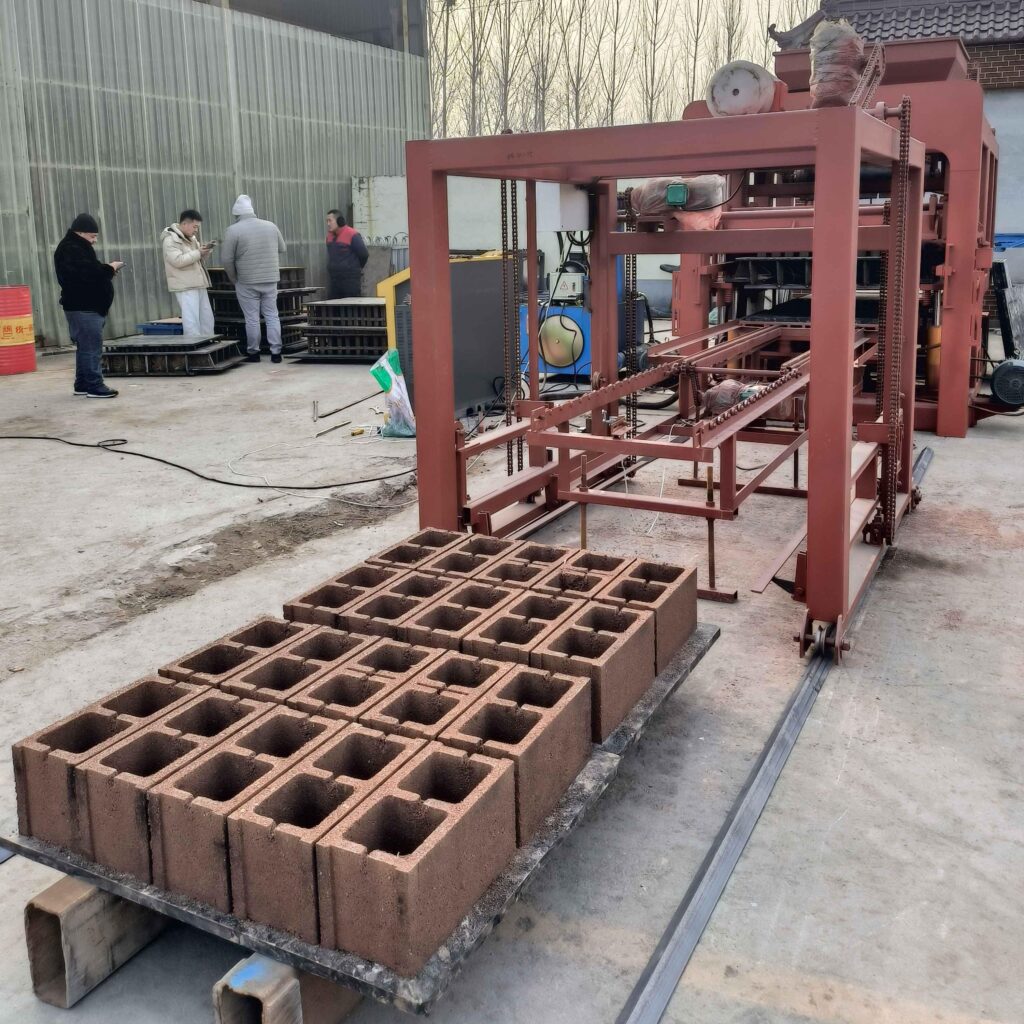
Na'urorin yin tubalin siminti na ramuka suna wakiltar wani nau'i na kayan aikin gini da aka ƙera musamman don samar da raka'a na masonry tare da daidaitaccen tsarin ramuka.
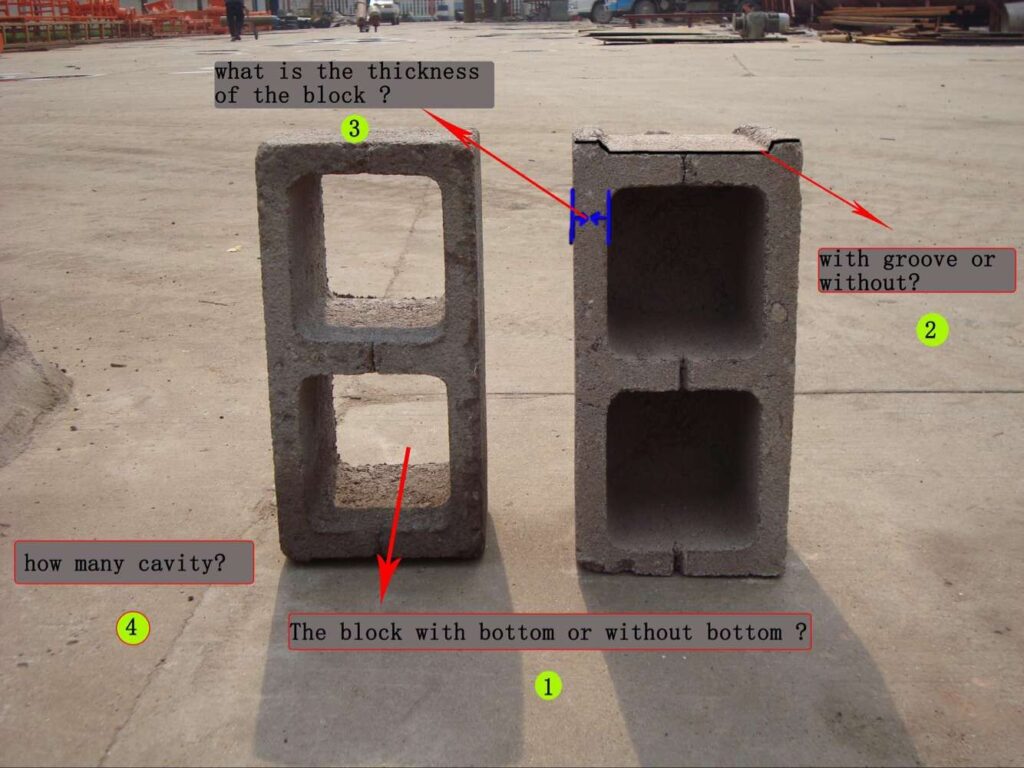
- Tsarin da Tsarin Sarari na Tsari:Tsarin masana'antu ya ta'allaka ne akan tsarin ƙirar ƙira na ƙira waɗanda ke ƙirƙirar ƙirar ramuka a cikin kowane ɓangaren bulo. Waɗannan ramukan yawanci suna ɗaukar kashi 25-50% na jimlar girman bulo, suna haifar da haɗin gwiwa na musamman na rage nauyi da ƙarfin tsari. Ƙirar ƙirar ta ƙunshi ƙwayoyin da aka ƙera na musamman waɗanda ke samar da waɗannan ramuka yayin da suke kiyaye mafi kyawun kauri na bango tsakanin ramuka da waje na bulo. Ƙwararrun tsarin suna da tsarin canzawa da sauri wanda ke ba masana'antu damar canza tsarin ramuka ba tare da cikakken maye gurbin ƙira ba, yana ba da sassaucin samarwa don buƙatun tsarin daban-daban da ka'idojin gine-gine na yanki.
- Fasahar Girgiza da Matsawa Haɗe-haɗe:Samar da tubalin ƙwāƙƙwaran zamani yana amfani da tsarin matsawa mai hanya biyu wanda ya haɗu da girgizar ƙarar mita mai girma tare da sarrafa matsa lamba na hydraulic. Girman girgizar, yawanci yana aiki tsakanin 3,000-4,500 RPM, yana tabbatar da cikakken rarraba kayan a cikin sassan ƙirar mul ɗin, yana kawar da yuwuwar ɓangarori ko raunana a cikin gidajen yanar gizo tsakanin sassan ƙwāƙƙwaran. A lokaci guda kuma, tsarin hydraulic yana amfani da daidaitaccen matsa lamba wanda ya kai daga tan 120-250, ya danganta da ƙarfin na'urar, don cimma mafi kyawun yawa da daidaiton girma. Wannan haɗin yana da mahimmanci don samar da tubalin ƙwāƙƙwaran tare da kauri na bango mai daidaito da ingantaccen aikin gini.
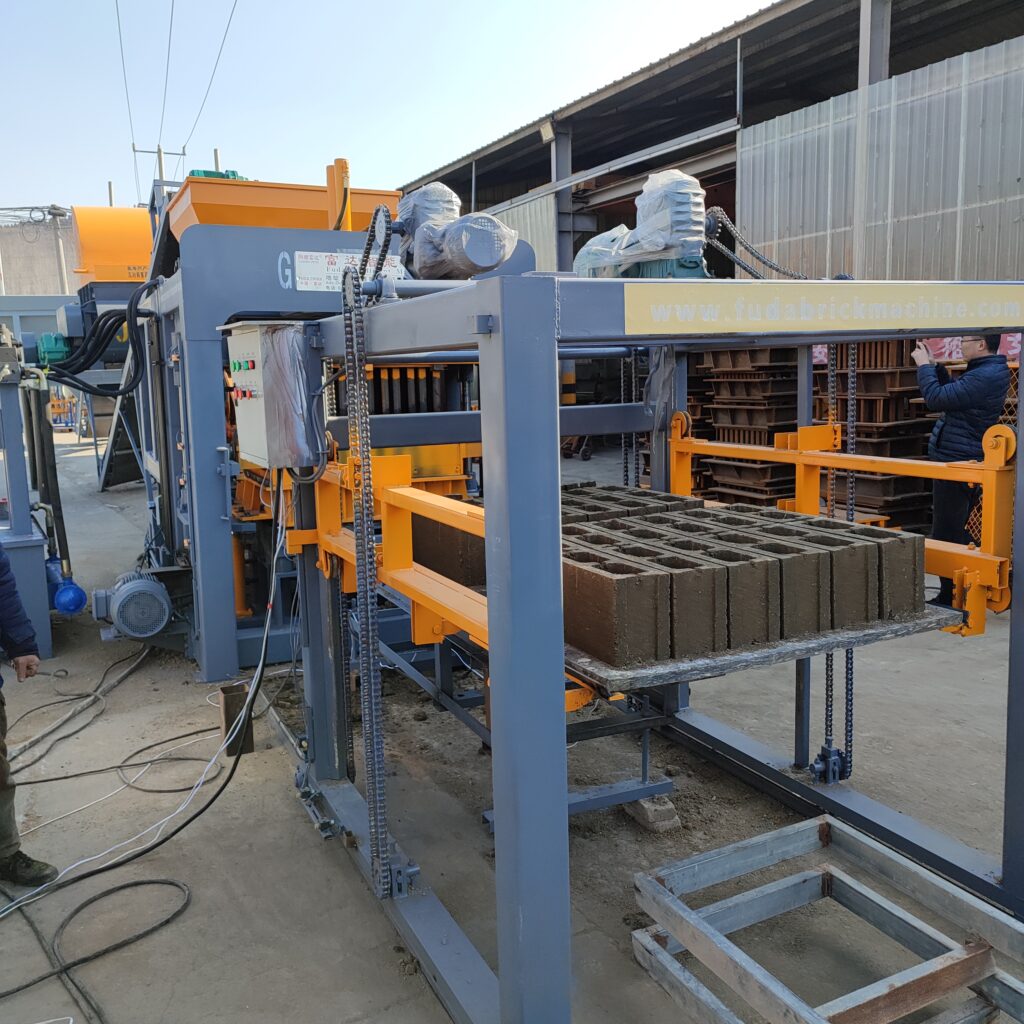
- Tsarin Samarwa ta Atomatik:Tsarin masana'anta yana bin daidaitaccen jerin lokaci wanda ke farawa da sarrafa kayan aiki ta atomatik zuwa cikin ramukan ƙirar. Tsarin ciyarwa na musamman yana tabbatar da rarraba ko'ina cikin hadadden yanayin ƙirar, gami da wuraren da ke kewayen abubuwan tsaki. Bayan rarraba kayan, lokacin matsa lamba ya fara aiki, tare da girgiza da matsa lamba da aka yi amfani da su bisa ka'idojin da aka riga aka tsara. Tsarin cire ƙirar yana amfani da ingantattun tsarin fitarwa waɗanda ke cire sabbin tubalan da aka ƙera a hankali ba tare da lalata ragowar yadudduka tsakanin ramuka ba. A ƙarshe, tsarin sarrafa pallet na atomatik yana canja wurin samfuran da ba a gama ba zuwa wuraren warkarwa, yana kiyaye ingancin samfurin a duk tsarin sarrafawa.
1.2 Rarraba Tsarin Masana'antu da Ƙarfin Fasaha
Kayan aikin samar da tubalin gwangwani sun ƙunshi fasaha daban-daban, tun daga na'urorin hannu masu sauƙi zuwa cikakkun tsarin masana'antu masu sarrafa kansa.
- Tsarin Matsin Matsi na Hydraulic na Tsaye:Wadannan injunan masana'antu suna wakiltar sashe mafi girman fasahar kera bulo mai ramuka. An siffanta su da manyan tsarin gini da ƙarfin tsarin injinan ruwa, suna samar da iyawar samarwa daga bulo 8,000 zuwa 20,000 a cikin zam 8 na aiki. Yawancin waɗannan tsare-tsaren sun haɗa da na'urori masu sarrafa dabaru (PLC) waɗanda ke kula da kowane bangare na tsarin samarwa, tun daga daidaita kayan aiki har zuwa fitar da bulo na ƙarshe. Ƙarfafaffen gininsu yana ba da damar ci gaba da samar da ingantattun bulo masu ramuka waɗanda suka dace da ma'auni na duniya na ASTM da ISO na jurewar matsi da daidaiton girma.
- Rukunin Samar da Wayoyin Hannu masu Aiki da Ruwa:Tsakanin matsakaicin sashi na kasuwa, waɗannan tsarin suna haɗa aiki na hydraulic tare da matakan sarrafa kansa daban-daban. Yawan samarwa yawanci yana tsakanin 2,000 zuwa 6,000 bulo a kowace rana, wanda ya sa su dace da ayyukan matsakaici da kera kayayyaki na musamman. Yawancin samfura a cikin wannan rukuni suna da ƙirar ƙira waɗanda ke ba da damar haɓaka sarrafa kansa a hankali, suna ba da sassaucin masana'antu ga kasuwancin da ke girma. Waɗannan tsarin sau da yawa sun haɗa da tsarin sarrafa lantarki na asali don daidaiton aiki yayin riƙe sauƙin aiki na dangi.
- Tsarin Aiki na Injiniya:Waɗannan injinan suna wakiltar matakin shiga, suna amfani da tsarin injiniya maimakon aikin injinan ruwa. Duk da yake suna ba da ƙananan yawan samarwa (yawanci tubali 800-1,500 a kowace rana), suna ba da damar shiga ga ƙananan ƴan kasuwa da masana'antun musamman. Sauƙin su yana haifar da ƙarancin buƙatun kulawa da farashin aiki, duk da cewa tare da raguwar saurin samarwa da ƙarancin daidaito a cikin yawan samfur da daidaiton girma idan aka kwatanta da tsarin injinan ruwa.
1.3 Kimiyyar Kayan Aiki da Tsarin Samarwa
Ingancin bulo na ciki da aka gama ya dogara sosai kan zaɓin kayan da tsarin haɗawa, tare da kayan aikin masana'antu da aka ƙera don sarrafa takamaiman halayen kayan.
- Madaidaicin Ƙayyadaddun Kayan Abinci na Asali:Samar da tubalin ramuka mai nasara yana buƙatar ƙaƙƙarfan tattarawar da aka ƙayyade a hankali tare da girman barbashi yawanci daga 0-6mm. Dole ne a inganta lanƙwan rarrabawar tattarawar don tabbatar da kwararar kayan cikin sifofin ƙirar ƙira masu sarkakiya yayin samun isasshiyar takura a kusa da abubuwan tsakiya. Abun cikin siminti gabaɗaya yana kewayo daga 1:6 zuwa 1:8 siminti-zuwa-tattarawar, ya danganta da buƙatun ƙarfin damfara da aka yi niyya. Dole ne a sarrafa abun cikin ruwa daidai, yawanci tsakanin 8-12% na jimlar nauyi, don samun ingantaccen hydration ba tare da lalata halayen cire siffa ba.
- Fasahar Sarrafa Kayan Kaya Mai Ci Gaba:Samar da tubalin guga na masana'antu ya haɗa da tsarin shirya kayan aiki na zamani. Waɗannan sau da yawa sun haɗa da kayan aikin sarrafa kayan aiki ta atomatik tare da tsarin auna daidai, masu haɗawa da tilastawa waɗanda ke tabbatar da rarraba siminti a ko'ina cikin matrix ɗin tarin, da tsarin sarrafa danshi waɗanda ke kiyaye ma'aunin ruwa-siminti akai-akai. Wasu tsare-tsare na ci gaba sun haɗa da sa ido kan danshi na ainihin lokaci tare da ramawa ta atomatik, wanda ke da mahimmanci don kiyaye ingancin samfur akai-akai a cikin yanayi daban-daban.
- Haɗin Ƙari na Musamman:Samar da tubalin ramuka na zamani akai-akai yana haɗa da ƙari na musamman don haɓaka takamaiman halayen samfur. Waɗannan na iya haɗawa da abubuwan rage ruwa don inganta aiki a ƙaramin abun ciki na ruwa, masu haɓaka tauraro don saurin haɓaka ƙarfi na farko, da mahaɗan hana ruwa don inganta dorewa. Dole ne kayan aikin masana'antu su dace da waɗannan ƙari, tare da tsarin sashi da ke da ikon yin allurar daidai gwargwado cikin cakuda.
1.4 Fa'idodin Kasuwanci na Dabarun da Aikace-aikacen Kasuwa
Samarwa da amfani da tubalin rami na inji suna ba da fa'idodi masu ban sha'awa a duk fa'idar sarkar gini.
- Fa'idodi na Tsari da Tattalin Arziki:Tsarin tsarin ramuka na dabarun yana rage nauyi da kashi 25-40% idan aka kwatanta da sassa masu ƙarfi, wanda ke haifar da tanadi mai mahimmanci a cikin farashin jigilar kaya da buƙatun tushen tsarin. Tasoshin iska a cikin bulo suna ba da rufin zafi na halitta, wanda zai iya rage amfani da makamashin dumama da sanyaya a cikin gine-ginen da aka kammala da kashi 15-30%. Bugu da ƙari, ƙarancin adadin kayan a kowane naúra yana fassara zuwa ceton farashin kayan kai tsaye ba tare da lalata aikin tsarin ba lokacin da aka ƙirƙira bisa ga ƙayyadaddun injiniya.
- Tasirin Muhalli da Haƙƙan Dorewa:Samar da tubalin ramuka yana wakiltar ingantaccen tsarin gini ta hanyar ingantaccen amfani da kayan aiki. Rage yawan siminti a kowace raka'a kai tsaye yana rage sawun carbon da ke tattare da samarwa. Bugu da ƙari, kaddarorin rufewar zafi suna ba da gudummawa ga ingantaccen amfani da makamashi a tsawon rayuwar ginin. Hanyoyin masana'antu yawanci suna haifar da ƙarancin sharar gida, tare da yawancin tarkacen samarwa ana sake yin fa'ida da su cikin tsarin samarwa.
- Fasahar Ginin Cikin Gaggawa:Ginshiƙan da aka daidaita da ingancin tubalin rami da aka kera da injina suna haɓaka ingantaccen aikin gini sosai. Daidaitaccen girmansa yana rage yawan amfani da turmi kuma yana ba da damar yin shimfiɗa cikin sauri idan aka kwatanta da madadin da ba na yau da kullun ko na hannu ba. Rage nauyin yana rage gajiyar ma'aikata da lokacin sarrafawa, yayin da aikin tsarin da ake iya hasashen ya sauƙaƙa lissafin injiniya da hanyoyin sarrafa inganci.
1.5 Abubuwan da ake Bukata don Aiwa da Shirin Kasuwanci
Samun nasarar haɗa fasahar kera bulo mai ramuka yana buƙatar nazari mai zurfi na abubuwan kasuwanci da aiki da yawa.
- Nazarin Kasuwa da Tsarin Kasuwanci: Prior to investment, comprehensive market assessment should identify specific opportunities in local construction sectors. Analysis should consider competition from alternative materials, regulatory environment regarding hollow brick utilization in structural applications, and potential partnerships with construction firms and distributors. The business plan must clearly define target markets, whether focusing on residential construction, commercial projects, or specialized applications such as partition walls or fencing.
- Technical Implementation and Operational Planning: Site selection must consider adequate space for production equipment, raw material storage, and product curing. Infrastructure requirements include appropriate power supply, water access, and waste management systems. The implementation timeline must account for equipment procurement, foundation construction, installation, and operator training. For larger systems, planning should include phased commissioning to identify and resolve operational issues before full-scale production.
- Financial Analysis and Investment Planning: Comprehensive financial modeling must extend beyond initial equipment acquisition to include all aspects of operational costs. The analysis should project production costs based on local material and labor rates, identify break-even production volumes, and model cash flow requirements. Sensitivity analysis should examine impact of variables such as fluctuations in cement prices, changes in market demand, and potential regulatory changes affecting material specifications.
Ƙarshe
Cement hollow brick making machinery represents a sophisticated convergence of mechanical engineering, materials science, and industrial automation. This technology enables manufacturers to produce building materials that simultaneously address structural requirements, economic constraints, and environmental considerations. The strategic advantages of hollow bricks—including reduced weight, improved thermal performance, and material efficiency—position them favorably within evolving construction methodologies focused on sustainability and cost-effectiveness. For commercial stakeholders, success in this sector requires thorough understanding of both the technical aspects of manufacturing and the market dynamics driving demand. With careful planning and strategic implementation, hollow brick manufacturing presents significant opportunities for growth and leadership in the competitive construction materials industry.
Tambayoyin da ake yawan yi (FAQ)
Q1: What are the key differences between manufacturing solid bricks versus hollow bricks?
A: The primary differences lie in mold design, compaction methodology, and material requirements. Hollow brick manufacturing requires more complex molds with core elements, precise vibration systems to ensure complete filling around cores, and carefully controlled material consistency to prevent web breakage. The production process typically operates at slightly slower cycle times to ensure proper formation of hollow sections, and requires more sophisticated handling systems to protect the green products before curing.
Q2: What compressive strength can be achieved with machine-produced hollow bricks?
A: Properly manufactured hollow bricks typically achieve compressive strengths ranging from 4-15 MPa (600-2,200 psi), depending on material配方, compaction pressure, and curing methods. Industrial-grade equipment with high-pressure compaction systems can produce bricks meeting ASTM C90 specifications for load-bearing units, with minimum compressive strengths of 13.1 MPa (1,900 psi) for individual units and 11.7 MPa (1,700 psi) for gross area.
Q3: How does the production output of hollow brick machines compare to solid brick equipment?
A: When comparing similarly sized and priced equipment, hollow brick production typically achieves 15-30% lower output in terms of units per hour due to more complex mold geometries and longer cycle requirements. However, when measured by volume of material processed or actual wall coverage area produced, the difference is less significant, typically in the range of 5-15% lower productivity.
Q4: What maintenance considerations are unique to hollow brick manufacturing equipment?
A: The core maintenance challenges involve mold integrity and core element preservation. The complex mold assemblies with core elements require regular inspection for wear and alignment. Maintenance schedules should include careful cleaning of core elements to prevent material buildup, inspection of web thickness consistency, and monitoring of ejection system alignment to prevent damage to freshly formed bricks. Hydraulic systems and vibration mechanisms require the same maintenance attention as solid brick equipment.
Q5: Can the same machine produce different sizes and patterns of hollow bricks?
A: Most modern hollow brick machines are designed with modular mold systems that allow for production of different brick sizes and void configurations. Changing brick specifications typically requires replacing the mold assembly and possibly adjusting compression parameters. Quick-change mold systems can reduce changeover time from several hours to under 30 minutes, while basic systems may require half a day or more for complete reconfiguration.
Q6: What are the specific power requirements for operating industrial-scale hollow brick machines?
A: Industrial hollow brick manufacturing systems typically require three-phase electrical power ranging from 25-75 kW, depending on production capacity and automation level. A medium-capacity system producing 5,000-8,000 bricks daily typically operates on 380-480V with 40-50 kW connected load. Specific requirements vary by manufacturer and should be verified during equipment selection, as inadequate power supply can significantly impact production efficiency and product quality.