Introducción a la Tecnología Avanzada en la Producción de Unidades de Mampostería
La implacable búsqueda de la industria de la construcción global por materiales de construcción eficientes, sostenibles y rentables ha posicionado a los bloques huecos de cemento como un componente fundamental en el diseño estructural contemporáneo. Estas unidades de mampostería especializadas, caracterizadas por sus vacíos estratégicamente diseñados, representan una evolución significativa en la ciencia de los materiales de construcción. La maquinaria responsable de su producción encarna una fusión sofisticada de principios de ingeniería estructural, tecnología de materiales y automatización manufacturera. Para los distribuidores, especialistas en adquisiciones e inversionistas industriales, comprender las complejidades técnicas y las implicaciones comerciales de la maquinaria para fabricar bloques huecos de cemento es primordial para capitalizar la creciente demanda de materiales de construcción avanzados.
Especificaciones Técnicas y Análisis del Proceso de Fabricación
1.1 Principios Fundamentales de Ingeniería y Arquitectura de Diseño
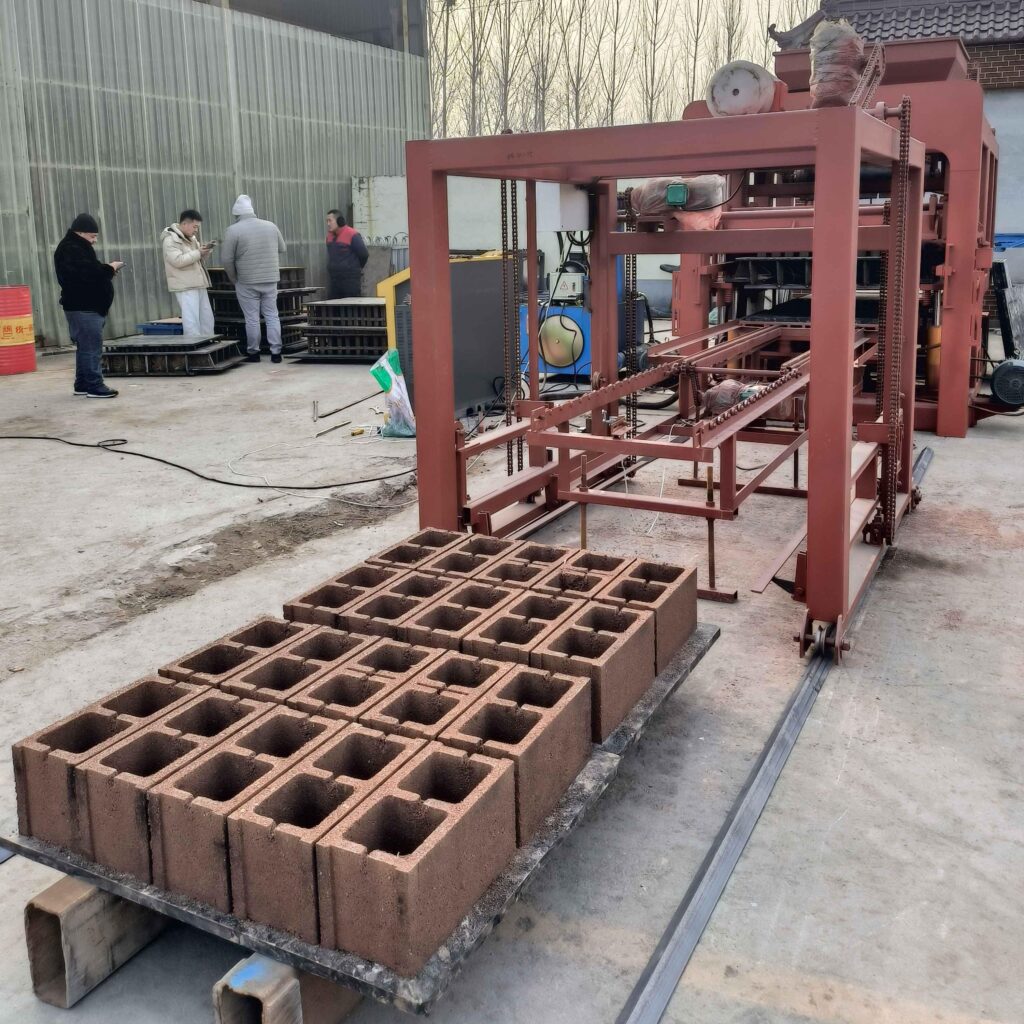
Las máquinas para fabricar ladrillos huecos de cemento representan una categoría especializada de equipos de construcción diseñados específicamente para producir unidades de mampostería con configuraciones de huecos precisas.
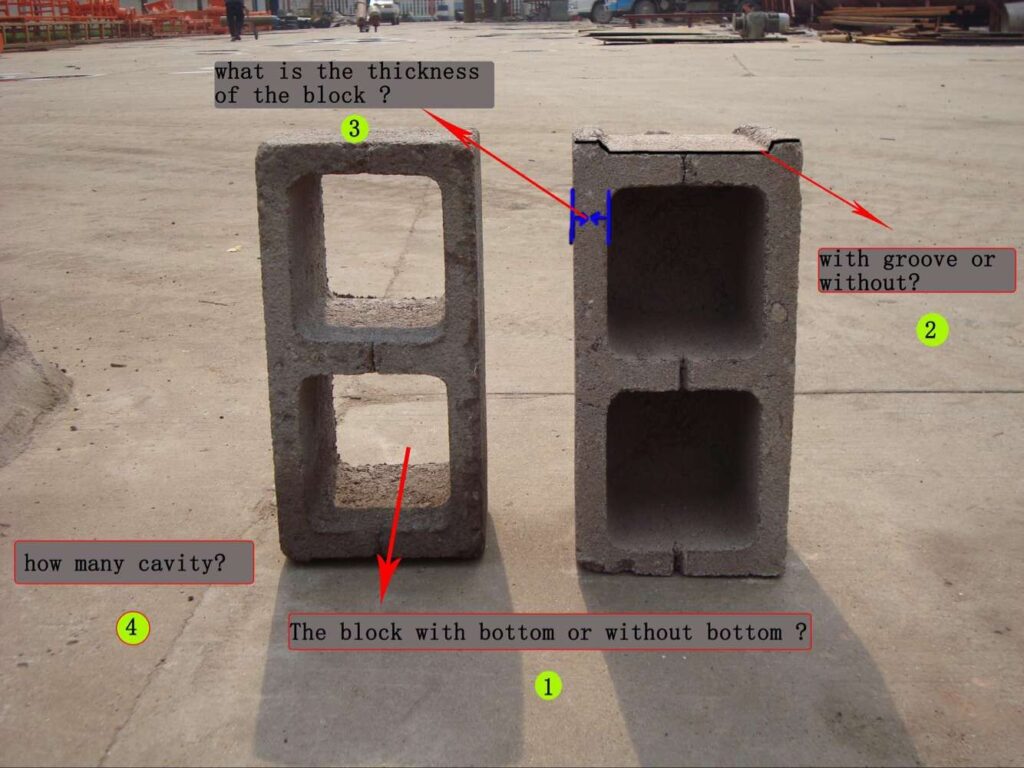
- Diseño y Configuración de Vacíos EstructuralesEl proceso de fabricación se centra en sistemas de moldes de ingeniería de precisión que crean patrones estratégicos de vacíos dentro de cada unidad de ladrillo. Estos vacíos generalmente constituyen del 25 al 50% del volumen total del ladrillo, creando una combinación única de reducción de peso e integridad estructural. El diseño del molde incorpora núcleos especialmente diseñados que forman estas cavidades mientras mantienen un espesor de pared óptimo entre los vacíos y el exterior del ladrillo. Los sistemas avanzados cuentan con mecanismos de cambio rápido de núcleos que permiten a los fabricantes alterar los patrones de vacíos sin reemplazar completamente el molde, lo que posibilita flexibilidad en la producción para diferentes requisitos estructurales y normas de construcción regionales.
- Tecnología Integrada de Vibración y Compresión:La fabricación moderna de ladrillos huecos emplea un sistema de compactación de doble enfoque que combina vibración de alta frecuencia con presión hidráulica controlada. La frecuencia de vibración, que generalmente opera entre 3,000 y 4,500 RPM, garantiza una distribución completa del material a lo largo de la geometría compleja del molde, eliminando posibles huecos o puntos débiles en las paredes entre las secciones huecas. Simultáneamente, los sistemas hidráulicos aplican una presión precisamente calibrada que varía entre 120 y 250 toneladas, dependiendo de la capacidad de la máquina, para lograr una densidad óptima y precisión dimensional. Esta combinación es crucial para producir ladrillos huecos con espesor de pared uniforme y un rendimiento estructural confiable.
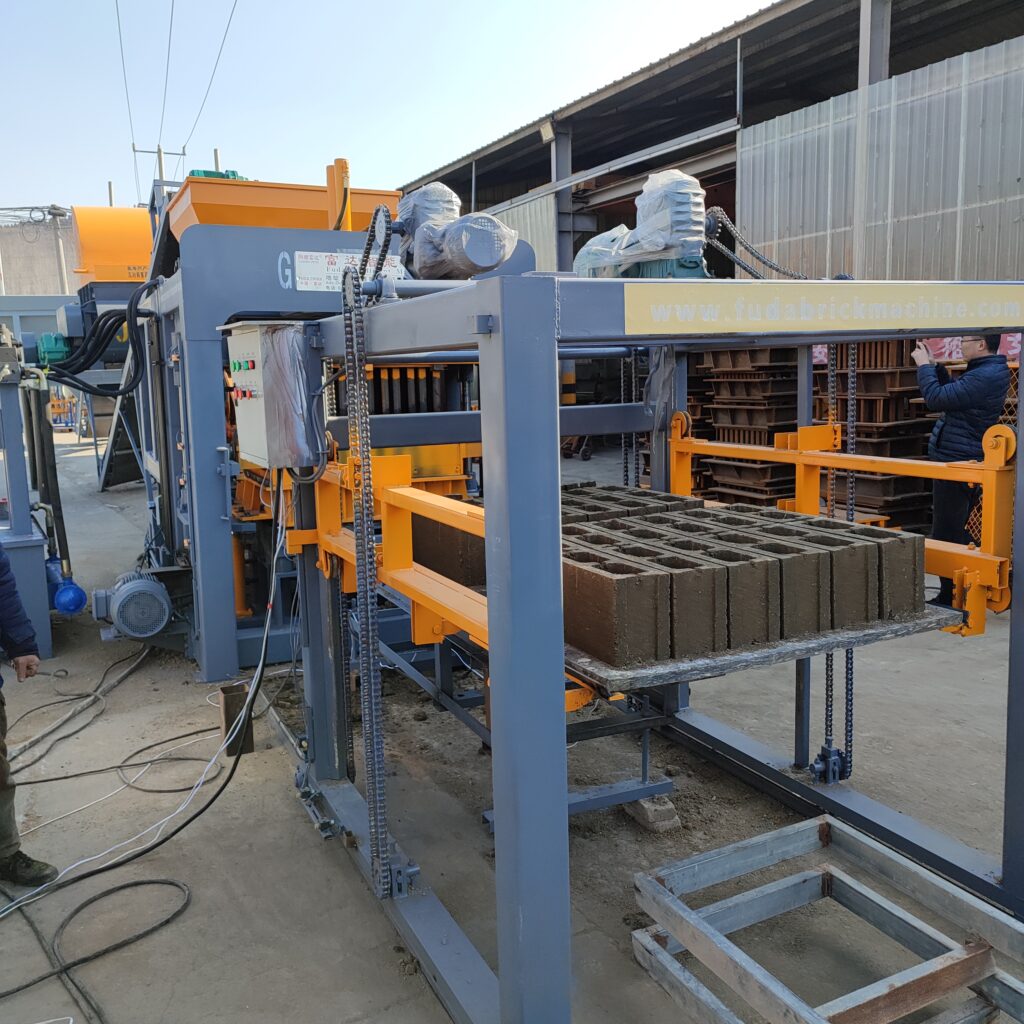
- Secuencia Automatizada de Producción:El ciclo de fabricación sigue una secuencia cronometrada con precisión que comienza con la alimentación automatizada de material en las cavidades del molde. Sistemas de alimentación especializados aseguran una distribución uniforme a lo largo de la geometría compleja del molde, incluyendo las áreas alrededor de los elementos del núcleo. Tras la distribución del material, se activa la fase de compresión, aplicando vibración y presión según parámetros preprogramados. El proceso de desmoldeo utiliza sistemas de eyección de precisión que retiran cuidadosamente los ladrillos recién formados sin dañar las delicadas redes entre los vacíos. Finalmente, los sistemas automatizados de manejo de paletas transfieren los productos verdes a las áreas de curado, manteniendo la integridad del producto durante todo el proceso de manipulación.
1.2 Clasificación de Sistemas de Manufactura y Capacidades Técnicas
El equipo para la producción de ladrillos huecos abarca un espectro de sofisticación técnica, que va desde operaciones manuales básicas hasta sistemas industriales completamente automatizados.
- Sistemas de Prensas Hidráulicas Estacionarias:Estas máquinas de grado industrial representan el segmento premium de la tecnología de fabricación de ladrillos huecos. Caracterizadas por sus estructuras macizas y potentes sistemas hidráulicos, ofrecen capacidades de producción que van de 8,000 a 20,000 ladrillos por turno de 8 horas. Estos sistemas generalmente incorporan controladores lógicos programables (PLC) que gestionan cada aspecto del proceso productivo, desde el dosificado de materia prima hasta la expulsión final del ladrillo. Su construcción robusta permite la producción consistente de ladrillos huecos de alta calidad que cumplen con los estándares internacionales ASTM e ISO para tolerancia dimensional y resistencia a la compresión.
- Unidades de Producción Móviles con Operación Hidráulica:Ocupando el segmento medio del mercado, estos sistemas combinan operación hidráulica con distintos grados de automatización. Las capacidades de producción generalmente oscilan entre 2,000 y 6,000 ladrillos por día, lo que los hace adecuados para operaciones de mediana escala y fabricación de productos especializados. Muchos modelos en esta categoría presentan diseños modulares que permiten mejoras de automatización incrementales, ofreciendo flexibilidad de fabricación para negocios en crecimiento. Estos sistemas a menudo incluyen sistemas de control electrónico básicos para consistencia operativa, manteniendo al mismo tiempo una relativa simplicidad operacional.
- Sistemas de Operación Mecánica:Representando el segmento de nivel básico, estas máquinas utilizan sistemas de palanca mecánica en lugar de operación hidráulica. Si bien ofrecen una producción más baja (típicamente de 800 a 1,500 ladrillos diarios), proporcionan un punto de entrada accesible para pequeños empresarios y fabricantes especializados. Su simplicidad se traduce en menores requisitos de mantenimiento y costos operativos, aunque con una velocidad de producción reducida y menos consistencia en la densidad del producto y precisión dimensional en comparación con los sistemas hidráulicos.
1.3 Ciencia de los Materiales y Formulaciones de Producción
La calidad de los ladrillos huecos terminados depende significativamente de la selección de materiales y el diseño de la mezcla, con equipos de fabricación diseñados para procesar características específicas de los materiales.
- Especificaciones Óptimas de Materias Primas:La producción exitosa de ladrillos huecos requiere agregados cuidadosamente graduados, con un tamaño de partícula que generalmente oscila entre 0 y 6 mm. La curva de graduación del agregado debe optimizarse para garantizar un flujo suave del material hacia las geometrías complejas del molde, logrando al mismo tiempo una compactación adecuada alrededor de los elementos del núcleo. El contenido de cemento generalmente varía en una proporción cemento-agregado de 1:6 a 1:8, dependiendo de los requisitos de resistencia a la compresión deseados. El contenido de agua debe controlarse con precisión, típicamente entre el 8% y el 12% del peso total, para lograr una hidratación óptima sin comprometer las características de desmolde.
- Tecnología Avanzada de Procesamiento de Materiales:La fabricación industrial de ladrillos huecos incorpora sistemas sofisticados de preparación de materiales. Estos a menudo incluyen equipos automatizados de dosificación con sistemas de pesaje de precisión, mezcladoras de acción forzada que garantizan una distribución homogénea del cemento en toda la matriz de agregados, y sistemas de control de humedad que mantienen relaciones agua-cemento consistentes. Algunos sistemas avanzados incorporan monitoreo de humedad en tiempo real con compensación automática, crucial para mantener una calidad de producto constante en condiciones ambientales variables.
- Integración Especializada de Aditivos.La producción moderna de ladrillos huecos frecuentemente incorpora aditivos especializados para mejorar características específicas del producto. Estos pueden incluir agentes reductores de agua para mejorar la trabajabilidad con menor contenido de agua, aceleradores de fraguado para un desarrollo más rápido de la resistencia inicial y compuestos impermeabilizantes para una mayor durabilidad. El equipo de fabricación debe ser compatible con estos aditivos, con sistemas de dosificación capaces de inyectarlos en la mezcla en proporciones precisas.
1.4 Ventajas Estratégicas Empresariales y Aplicaciones en el Mercado
La producción y utilización de ladrillos huecos fabricados a máquina ofrecen ventajas convincentes a lo largo de toda la cadena de valor de la construcción.
- Beneficios Estructurales y Económicos:La configuración de huecos estratégicos reduce el peso entre un 25 y 40% en comparación con las unidades sólidas, lo que genera ahorros significativos en costos de transporte y requisitos de cimentación estructural. Las bolsas de aire dentro de los ladrillos proporcionan aislamiento térmico natural, lo que potencialmente reduce el consumo de energía para calefacción y refrigeración en edificaciones terminadas entre un 15 y 30%. Además, el volumen reducido de material por unidad se traduce en ahorros directos en el costo de los materiales sin comprometer el rendimiento estructural cuando se diseña de acuerdo con las especificaciones de ingeniería.
- Impacto Ambiental y Credenciales de Sostenibilidad:La fabricación de ladrillos huecos representa un enfoque sostenible para la construcción mediante el uso optimizado de materiales. El contenido reducido de cemento por unidad disminuye directamente la huella de carbono asociada con la producción. Además, las propiedades de aislamiento térmico contribuyen a la eficiencia energética durante todo el ciclo de vida del edificio. Los procesos de fabricación generalmente generan un mínimo de residuos, ya que la mayoría de los desechos de producción son reciclables y pueden reintroducirse en el flujo productivo.
- Ventajas de Eficiencia en la Construcción:Las dimensiones estandarizadas y la calidad consistente de los ladrillos huecos fabricados a máquina mejoran significativamente la eficiencia de la construcción. El tamaño uniforme reduce el consumo de mortero y permite tasas de colocación más rápidas en comparación con alternativas irregulares o hechas a mano. El peso reducido disminuye la fatiga laboral y el tiempo de manejo, mientras que el rendimiento estructural predecible simplifica los cálculos de ingeniería y los procedimientos de control de calidad.
1.5 Consideraciones de Implementación y Planificación Comercial
La integración exitosa de la tecnología de fabricación de ladrillos huecos requiere un análisis cuidadoso de múltiples factores comerciales y operativos.
- Análisis de Mercado y Planificación Empresarial Prior to investment, comprehensive market assessment should identify specific opportunities in local construction sectors. Analysis should consider competition from alternative materials, regulatory environment regarding hollow brick utilization in structural applications, and potential partnerships with construction firms and distributors. The business plan must clearly define target markets, whether focusing on residential construction, commercial projects, or specialized applications such as partition walls or fencing.
- Technical Implementation and Operational Planning: Site selection must consider adequate space for production equipment, raw material storage, and product curing. Infrastructure requirements include appropriate power supply, water access, and waste management systems. The implementation timeline must account for equipment procurement, foundation construction, installation, and operator training. For larger systems, planning should include phased commissioning to identify and resolve operational issues before full-scale production.
- Financial Analysis and Investment Planning: Comprehensive financial modeling must extend beyond initial equipment acquisition to include all aspects of operational costs. The analysis should project production costs based on local material and labor rates, identify break-even production volumes, and model cash flow requirements. Sensitivity analysis should examine impact of variables such as fluctuations in cement prices, changes in market demand, and potential regulatory changes affecting material specifications.
Conclusión
Cement hollow brick making machinery represents a sophisticated convergence of mechanical engineering, materials science, and industrial automation. This technology enables manufacturers to produce building materials that simultaneously address structural requirements, economic constraints, and environmental considerations. The strategic advantages of hollow bricks—including reduced weight, improved thermal performance, and material efficiency—position them favorably within evolving construction methodologies focused on sustainability and cost-effectiveness. For commercial stakeholders, success in this sector requires thorough understanding of both the technical aspects of manufacturing and the market dynamics driving demand. With careful planning and strategic implementation, hollow brick manufacturing presents significant opportunities for growth and leadership in the competitive construction materials industry.
Frequently Asked Questions (FAQ)
Q1: What are the key differences between manufacturing solid bricks versus hollow bricks?
A: The primary differences lie in mold design, compaction methodology, and material requirements. Hollow brick manufacturing requires more complex molds with core elements, precise vibration systems to ensure complete filling around cores, and carefully controlled material consistency to prevent web breakage. The production process typically operates at slightly slower cycle times to ensure proper formation of hollow sections, and requires more sophisticated handling systems to protect the green products before curing.
Q2: What compressive strength can be achieved with machine-produced hollow bricks?
A: Properly manufactured hollow bricks typically achieve compressive strengths ranging from 4-15 MPa (600-2,200 psi), depending on material配方, compaction pressure, and curing methods. Industrial-grade equipment with high-pressure compaction systems can produce bricks meeting ASTM C90 specifications for load-bearing units, with minimum compressive strengths of 13.1 MPa (1,900 psi) for individual units and 11.7 MPa (1,700 psi) for gross area.
Q3: How does the production output of hollow brick machines compare to solid brick equipment?
A: When comparing similarly sized and priced equipment, hollow brick production typically achieves 15-30% lower output in terms of units per hour due to more complex mold geometries and longer cycle requirements. However, when measured by volume of material processed or actual wall coverage area produced, the difference is less significant, typically in the range of 5-15% lower productivity.
Q4: What maintenance considerations are unique to hollow brick manufacturing equipment?
A: The core maintenance challenges involve mold integrity and core element preservation. The complex mold assemblies with core elements require regular inspection for wear and alignment. Maintenance schedules should include careful cleaning of core elements to prevent material buildup, inspection of web thickness consistency, and monitoring of ejection system alignment to prevent damage to freshly formed bricks. Hydraulic systems and vibration mechanisms require the same maintenance attention as solid brick equipment.
Q5: Can the same machine produce different sizes and patterns of hollow bricks?
A: Most modern hollow brick machines are designed with modular mold systems that allow for production of different brick sizes and void configurations. Changing brick specifications typically requires replacing the mold assembly and possibly adjusting compression parameters. Quick-change mold systems can reduce changeover time from several hours to under 30 minutes, while basic systems may require half a day or more for complete reconfiguration.
Q6: What are the specific power requirements for operating industrial-scale hollow brick machines?
A: Industrial hollow brick manufacturing systems typically require three-phase electrical power ranging from 25-75 kW, depending on production capacity and automation level. A medium-capacity system producing 5,000-8,000 bricks daily typically operates on 380-480V with 40-50 kW connected load. Specific requirements vary by manufacturer and should be verified during equipment selection, as inadequate power supply can significantly impact production efficiency and product quality.