Hordhac Farsamada Soo Saarista Unugyada Dhismo ee Horumarsan
Shirkadaha dhismaha ee caalamka oo si adag u raadinaya qalab dhismo oo waxtar leh, badbaado leh, iyo qiimo jaban, ayaa ka dhigay birqiyada dhuumaan ee simenti qayb aasaasi ah oo loo isticmaalo dhismaha casriga ah. Qalabyadan gaar ah oo leh godobo loo qorsheeyay si hufan, waxay matalaan horumar muhiim ah oo ku saabsan sayniska qalabka dhismaha. Makiinadaha lagu sameeyo waxay ka kooban yihiin isdhexgalka sofistikeed ee mabda'aynta handarada dhismaha, teknoolajiyada qalabka, iyo otomaansho wax soo saar. Loo soo gudbiyo, khabiirrada iibsashada, iyo maalgashadayaasha warshadaha, fahanka muraayadaha farsamo iyo saameynta ganacsiga ee makiinadaha sameynta birqiyada dhuumaan ee simenti waa muhiim si loo faa'iidayso dalabka kordhaya ee qalabka dhismaha ee horumarsan.
Qeexitaannada Teknikooleed iyo Falanqaynta Habka Warshadeynta
1.1 Mabaadi'da Aasaasiga ah ee Handarada iyo Qaab-dhismeedka Naqshadeynta
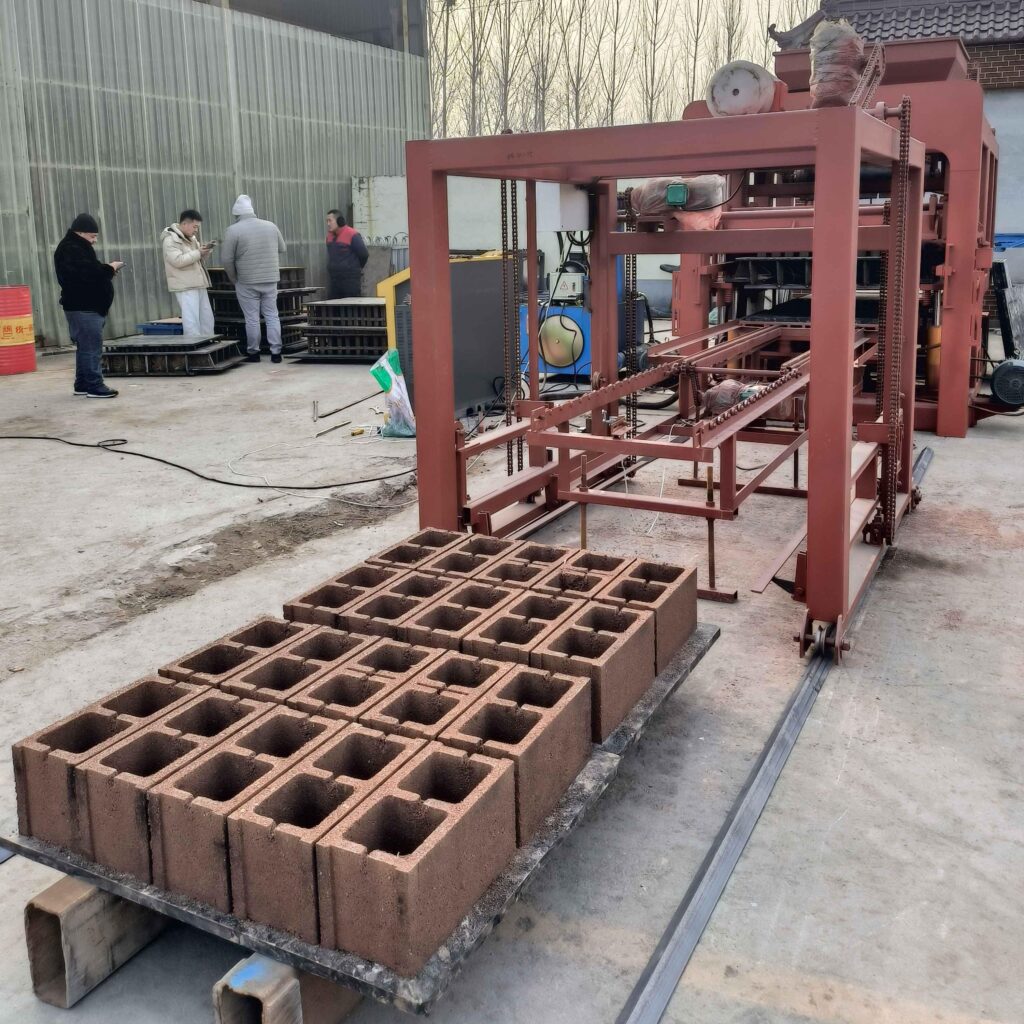
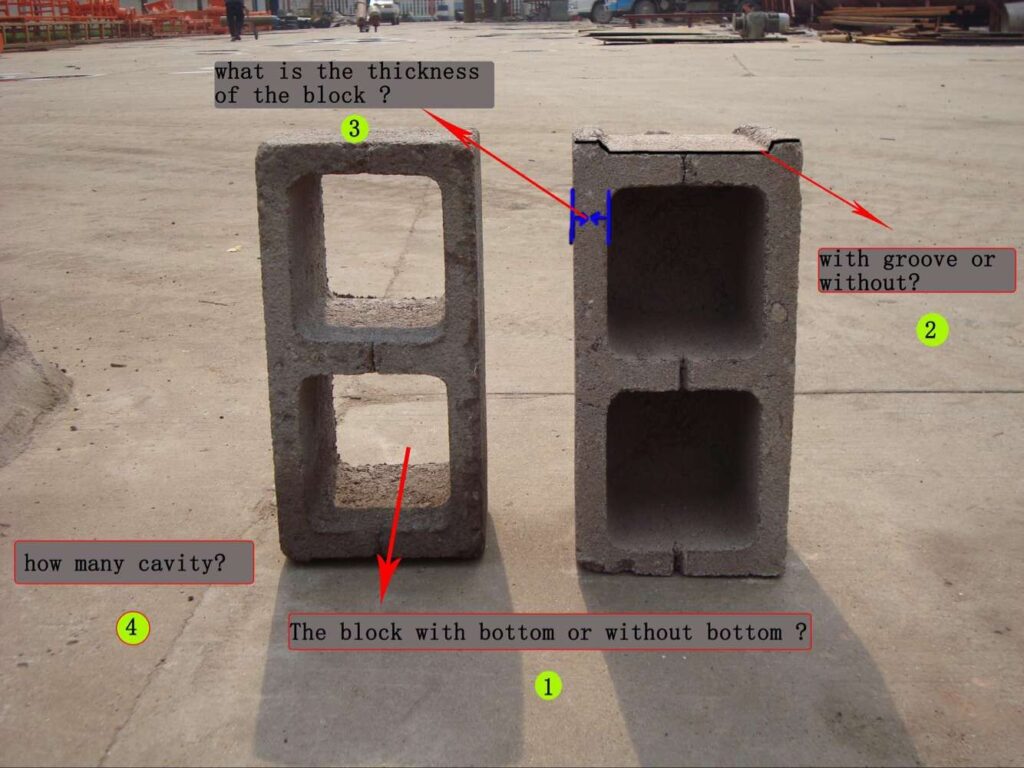
Makiinadaha sameynta lebbiska dhexdhexaadka ah ee simento ah waxay ka mid yihiin qayb gaar ah oo qalab dhismo ah oo loogu talagalay si gaar ah in lagu sameeyo unugyo dhismo oo leh qaab dhismeed go'an oo madhan.
- Qaab-dhismeedka iyo Habaynta Booska Qaab-dhismeedka:Habka warshadeyntu waxay ku xidhan tahay nidaamyada qalabka loo habeeyey si sax ah oo sameeya qaabab go'an oo madhan gudaha halbeeg kasta oo lebiska. Guud ahaan, madhan yadu waxay ka kooban tahay 25-50% tirada guud ee lebiska, taasoo keenta isku dheellitir gaar ah oo ah yareynta miisaanka iyo adkeysiga dhismaha. Naqshadaynta qalabku waxay ku jirtaa dhexdiiqa gaar ah oo sameeya godadkan iyadoo la ilaalinayo qeybinta ugu fiican ee dheecaanka dhexdiiqa iyo dibadda lebiska. Nidaamyada horumarsan waxay leeyihiin nidaamyada dhexdiiqa is-beddel degdeg ah oo u oggolaanaya warshaduhu inay beddelaan qaababka madhan iyada aan la beddelin qalabka oo dhan, taasoo suurtogelisaa is-beddelidda soo saarista ee loo baahan yahay shuruudaha kala duwan ee dhismaha iyo heerarka dhismaha gobollada.
- Teknolojiyada Isku-dhafka Gariirka iyo Cidhifka:Wax soo saarista lebbiska dhuuban ee casriga ah waxay adeegsaysa nidaam laba-geesood ah oo isku darsanaya gariir joogto ah oo xawaare sare leh iyo cadaadis hidroolik oo la xakameeyay. Xawaaraha gariirka, oo caadi ahaan u dhexeeya 3,000-4,500 RPM, wuxuu hubiyaa qaybinta buuxda ee qalabka geeddi-socodka qaab dhismeedka adag ee qalabka, isaga oo laga saarayo meelaha aan buuxnayn ama daciif ah ee dhexda qaybaha dhuuban. Sidoo kale, nidaamyada hidroolik waxay ku adeegsadaan cadaadis la miisaamiyay si sax ah oo u dhexeysa 120-250 ton, ku xiran awoodda mashruuca, si loo gaaro cufnaanta ugu fiican iyo saxnaanta cabbirka. Isku-darkani wuxuu muhiim u yahay samaynta lebbiska dhuuban ee leh qaaddiyo daaqad oo joogto ah iyo waxqabad qaab-dhismeed oo aamin ah.
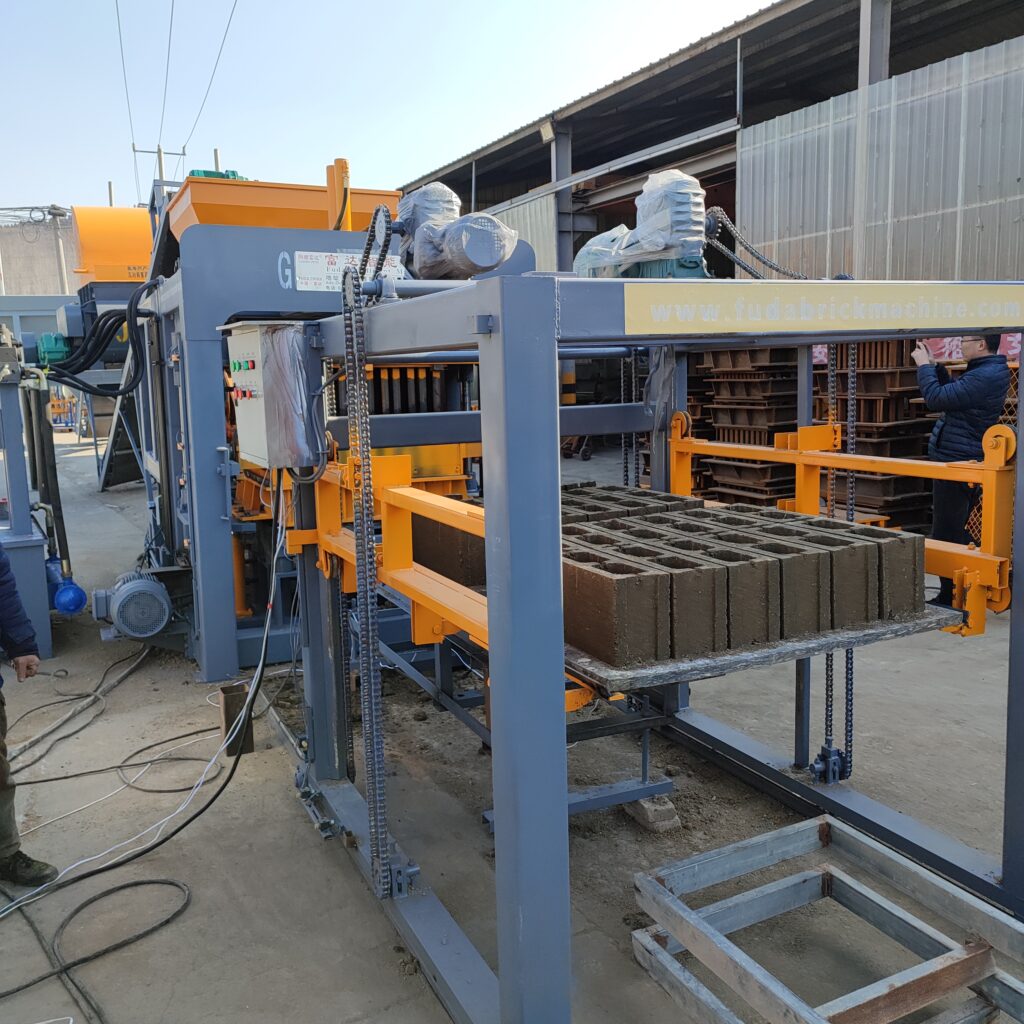
- Habka Warshadeynta Otoomaatiga ah:Habka wax soo saarka wuxuu raacaa taxane waqtiga si sax ah loo qiyaasay, kaasoo ku bilaabma xawaaraha qalabka oo si otomaatig ah loogu gelinayo godadka qalabka. Nidaamyada gaarka ah ee soo saarista waxay hubiyaan qaybin siman oo ku fiday qaab dhismeedka adag ee qalabka, oo ay ku jiraan goobaha ku wareegsan xubnaha dhexe. Ka dib qaybinta qalabka, markhaatiyada cadaadiska ayaa la geliyaa, iyadoo la adeegsanayo gariir iyo cadaadis iyadoo loo marayo qawaaniinta hore ee la dejiyay. Habka ka saarista qalabka wuxuu adeegsadaa nidaamyada si fiican loo tuuraya oo si taxadar leh uga saara doobada cusub ee la sameeyay iyadoon la dhaawicin daaqadaha dhuuban ee u dhexeeya meelaha madhan. Ugu dambayntii, nidaamyada otomaatiga ah ee maareynta paletada waxay gudbiyaan alaabta cagaaran goobaha lagu keydiyo, iyagoo ilaaliya dhammaystirka alaabta intii lagu gudajiray habka maareynta.
1.2 Habaynta Nidaamka Warshadeynta iyo Awoodaha Farsamada
Qalabka wax soo saarka leeggaha madhow ayaa ku kala duwan xirfadaha farsamada, laga bilaabo hawlo gacanta ee aasaasiga ah ilaa nidaamyada warshadeed ee si toos ah u shaqeeya.
- Nidaamyada Fiisigga Taagan ee Ku Shaqeeya Biyaha:Mashruucaan waaweyn ee warshadaha ayaa ka mid ah qaybta ugu sarreysa farsamada loo isticmaalo sameynta birigga dusha ka qaawan. Waxaa lagu gartaa qaab-dhismeedkooda culus iyo nidaamyadooda kuwa haydiroolik ee xoogga leh, waxayna samayn karaan inta u dhexeysa 8,000 ilaa 20,000 bir oo maalin kasta 8 saacadood gudahood. Nidaamadan inta badan waxaa ku jira maamulayaasha loojik ee barnaamijka leh (PLC) kaas oo maareeya dhammaan maraakibta habka wax-soo-saarka, laga bilaabo isku-dhismaha alaabta ee la isticmaalayo ilaa soo saarista birigga ugu dambeeya. Qaab-dhismeedkooda adag waxay u oggolaanayaan in si joogto ah loo soo saaro bir qalafsan oo dusha ka qaawan oo buuxiya shuruucaha caalamiga ah ee ASTM iyo ISO ee ku saabsan saamiga cabirka iyo xoogga isku-cufka.
- Unidadaha Soosaarka Mobilada oo leh Hawlgalka Hydraulic:Dhismaha dhexe ee suuqa qaadashada, nidaamyadan waa kuwo isku darsan oo ku shaqeeya tamarta biyaha iyo darajo kala duwan oo otomaatiko ah. Awoodda wax soo saarka guud ahaan waxay u dhexeysaa 2,000 ilaa 6,000 oo lebis maalin kasta, taas oo ka dhigan inay ku habboon yihiin hawlo dhexe iyo wax soo saarka gaar ah. Qaababka badan ee qaybtaan waxay leeyihiin naqshadooda qayb-qaybsan oo ogolaanaya kor u qaadista otomaatiko si tartiib ah, iyagoo siinaya isbadal u qalanta wax soo saarka ganacsiga koraya. Nidaamyadan badankood waxay ku jiraan nidaamyada aasaasiga ah ee kontaroolka elegtarooniga ah si loo hubiyo isku midka hawlgalka, iyagoo sii wadaya sahlanaanta hawlgalka.
- Nidaamyada Hawlaha Makaanikada:Kuwaas makiinado oo matalaaya heerka soo-gelitaanka, waxay isticmaalaan nidaamyo caawinta makaanikada halkii ay isticmaalaan ka hawl-galka haydiroolik. Inkasta oo ay bixiyaan soo saarista hooseeya (caadi ahaan 800-1,500 brick maalin kasta), waxay siiyaan meel la geli karo ganacsato yar yar iyo warshadooyin gaar ah. Fududahoodu waxay u rogantaa baahiyaha hooseeya ee dayactirka iyo kharashyada hawlgalka, inkastoo ay yaraadaan xawaaraha soo saarista iyo isku midka hooseeya ee miisaanka alaabta iyo saxnaanta cabirka marka loo barbardhigo nidaamyada haydiroolik.
1.3 Cilmiga Alaabta iyo Hababka Soosaarka
Tayada labada oo dhan ee la dhiso ayaa si weyn ugu xiran tahay doorashada qalabka iyo qorshaha isku dhiska, iyadoo qalabka warshadeynta loo habeeyay si loo shaqeeyo sifooyinka gaarka ah ee qalabka.
- Qeybaha Alaabta Asalka ee Ugu Fiican:Wax soo saarista toobada dhuumasha ah ee guulaysan waxay u baahan tahay dheecaan la kala saaray si taxadar leh oo xajmiga dhibicoodu inta ugu badan u dhaxayso 0-6mm. Xariiqda kala saarista dheecaanaha waa in la hagaajiyaa si loo hubiyo socodka macluumaadka si fudud oo geesooyinka qaabka adag la geliyo iyadoo la gaarayo isku dhufasho ku filan agagaarka walxaha asalka ah. Qaniinka semento guud ahaan wuxuu ka dhaxayaa 1:6 ilaa 1:8 saamiga semento-dheecaanaha, ku xiran baahida xoogga kala qaybsiga la bartilmaameedsan. Qaniinka biyaha waa in si sax ah loo maamulaa, inta ugu badan u dhaxayso 8-12% culayska wadarta, si loo gaaro hydration ugu wanaagsan iyadoon la dhibin sifooyinka qaabka laga saaro.
- Teknolojiyada Qaabeynta Qalabka Sare ee La Isticmaalo:Warshada dhagaxa dusha ka duulan ee heerka warshadeed waxay ku daraysaa nidaamyada diyaarinta qalabka ee xiisa leh. Kuwaas badanaa waxaa ka mid ah qalabka otomaatiga ah ee baadhista leh nidaamyada miisaanka saxda ah, kuwa isku dheellaadayaasha ku qasban oo hubinaya qaybinta simento ee isku midka ah dhammaan matrix-ka ururada, iyo nidaamyada xakameynta dareeraha oo ilaaliya isku xaddidka biyo-simento. Qaar ka mid ah nidaamyada horumarka ah waxay ku darayaan dareeraha casriga ah ee la socda oo lagu daro gargaarka otomaatiga ah, oo muhiim u ah ilaalinta tayooyinka alaabta ee joogtada ah xaaladaha kala duwan ee deegaanka.
- Ku-darid Gaar ah ee Isku-dhafan:Soo saarista leegooyinka dhuumaha ee casriga ah ayaa inta badan ku darista dheeraadaha gaar ah si loo wanaajiyo sifooyinka gaarka ah ee alaabta. Kuwaas waxaa ka mid ah dheeraadaha yareynta biyaha si loo wanaajiyo shaqaynta marka biyaha yar yihiin, dheeraadaha dhakhso leh ee qalaliska si loo horumariyo xoogga bilowga, iyo walxaha ilaaliyaha biyaha si loo wanaajiyo adkeysiga. Qalabka wax soo saarka waa inuu u qalmaan dheeraadahan, iyadoo nidaamyada doolista ay awood u leeyihiin inay si sax ah ugu daraan isku darka.
1.4 Faa'iidooyinka Ganacsiga ee Istaraatiijiyadeed iyo Codsiyada Suuqa
Wax soo saarista iyo isticmaalka labooyinka daboollo ah ee makineedka la sameeyo waxay bixiyaan faa'iidooyin aad u qiimo badan dhammaan silsiladda qiimaha dhismaha.
- Qaab-dhismeed iyo Faaiidooyinka Dhaqaale:Qaabka goobada khilaafsan ee qorshuhu wuu yareeyaa miisaanka 25-40% marka loo barbardhigo unugyo adag, taasoo keentay dhaqaale badan oo lagu kaydiyo kharashyada gaadiidka iyo shuruudaha aasaaska qaab-dhismeedka. Boosyada hawo ee ku jira lebiska waxay bixiyaan dabool kulayl dabiici ah, taasoo suurtagal ka dhigaysa in la yareeyo tamarta kulaylka iyo qabowga ee dhismayaasha dhammaystiran 15-30%. Intaa waxaa dheer, mugga yar ee alaabta ee unug kasta waxay u rogantaa dhaqaale toos ah oo lagu kaydiyo alaabta iyadoon la sii dhaafin waxqabadka qaab-dhismeedka marka loo qorsheeyo sida tilmaamaha injineernimadu sheegtay.
- Saameynta Deegaanka iyo Shahaadada Laamiga ah:Dhismaha lebiyada madhan waxay u taagan tahay hab dhisid oo waara iyo ku habboon adeegsiga qalabka. Qeybta siment ee hooseysa hal qeyb si toos ah ayay hoos ugu dhigaysaa saameynta karbaanka ee la xiriira soo saarista. Intaa waxaa dheer, hufnaanta kulku waxay ka gudbi kartaa kor u qaadista tamarta inta lagu jiro nolosha dhismaha. Hababka soo saarista guud ahaan waxay keenaan dhimista dhaqaalaha, iyadoo inta badan burburka soo saarista loo noqon karo dib u soo saarista.
- Wax-qabadka Faa'iidada Wax-soo-saarka:Qiyaasta caadiga ah iyo tayada isku midka ah ee lebiska dusha ka qaawan ee aaladda lagu sameeyo si weyn ayay u hagaajinayaan waxqabadka dhismaha. Cabbirka isku midku wuxuu yaraadinayaa isticmaalka dhoobada iyo si dhakhso leh u dhigista marka loo eego kuwa aan caadi ahayn ama gacanta lagu sameeyo. Miisaanka la yareeyay wuxuu yaraadinayaa daalida shaqaalaha iyo waqtiga la qabanayo, halka waxqabadka qaab dhismeedka la saadaalin karo ay fududeeyaan xisaabinta injineernimada iyo hababka ilaalinta tayada.
1.5 Talaabooyinka Fulinta iyo Qorshaynta Ganacsiga
Guul leh ee lagu dhex dhex geliyo farsamada wax soo saarka lebbiska dhuumaha ah waxay u baahan tahay falanqeyn taxadar leh oo lala sameeyo dhinacyo ganacsi iyo hawl-hawleed oo kala duwan.
- Suuq-geynta iyo Qorshaynta GanacsigaKa hor inta aan maalgelin la gudbin, qiimeynta suuqa oo dhammaystiran waa inay aqoonsadaan fursadaha gaar ah ee qaybaha dhismaha ee maxalliga ah. Falanqayntu waa inay tixgelisaa tartanka ka yimaada alaabta kale, deegaanka sharciyeed ee ku saabsan isticmaalka laf dhuuban ee codsiyada dhismaha, iyo iskaashiga suurtagalka ah shirkadaha dhismaha iyo qaybiyeyaasha. Qorshaha ganacsigu waa inuu si cad u qeexaa suuqyada la hadhay, haddii ay diiradda saarayso dhismaha guryaha, mashruucyada ganacsiga, ama codsiyada gaar ah sida darbiyada kala qaybsan ama daaqadaha.
- Fududeynta Farsamada iyo Qorshaynta Hawl-galka:Goobta la dooranayo waa in la tixgeliyo meel ku filan qalabka wax soo saarka, kaydinta alaabta la isticmaalo, iyo diyaarinta alaabta la soo saarayo. Shuruudaha dhismaha waxaa ka mid ah bixinta tamar ku habboon, helitaanka biyaha, iyo nidaamyada maareynta khadka. Jadwalka fulinta waa inuu ka tixgeliyo iibsashada qalabka, dhismaha saldhigyada, rakibidda, iyo tababarka hawlwadeennada. Nidaamyada waaweyn, qorshuhu waa inuu ku jiraa si kala-ahaan loo bilowdo si loo ogaado oo lagu xaliyo dhibaatooyinka ka soo baxa marka la fulinayo ka hor inta aan wax soo saarka guud la bilaabin.
- Financial Analysis and Investment Planning: Comprehensive financial modeling must extend beyond initial equipment acquisition to include all aspects of operational costs. The analysis should project production costs based on local material and labor rates, identify break-even production volumes, and model cash flow requirements. Sensitivity analysis should examine impact of variables such as fluctuations in cement prices, changes in market demand, and potential regulatory changes affecting material specifications.
Gabagabo
Cement hollow brick making machinery represents a sophisticated convergence of mechanical engineering, materials science, and industrial automation. This technology enables manufacturers to produce building materials that simultaneously address structural requirements, economic constraints, and environmental considerations. The strategic advantages of hollow bricks—including reduced weight, improved thermal performance, and material efficiency—position them favorably within evolving construction methodologies focused on sustainability and cost-effectiveness. For commercial stakeholders, success in this sector requires thorough understanding of both the technical aspects of manufacturing and the market dynamics driving demand. With careful planning and strategic implementation, hollow brick manufacturing presents significant opportunities for growth and leadership in the competitive construction materials industry.
Su'aalaha Inta Badan La Is Weydiiyo (FAQ)
Q1: What are the key differences between manufacturing solid bricks versus hollow bricks?
A: The primary differences lie in mold design, compaction methodology, and material requirements. Hollow brick manufacturing requires more complex molds with core elements, precise vibration systems to ensure complete filling around cores, and carefully controlled material consistency to prevent web breakage. The production process typically operates at slightly slower cycle times to ensure proper formation of hollow sections, and requires more sophisticated handling systems to protect the green products before curing.
Q2: What compressive strength can be achieved with machine-produced hollow bricks?
A: Properly manufactured hollow bricks typically achieve compressive strengths ranging from 4-15 MPa (600-2,200 psi), depending on material配方, compaction pressure, and curing methods. Industrial-grade equipment with high-pressure compaction systems can produce bricks meeting ASTM C90 specifications for load-bearing units, with minimum compressive strengths of 13.1 MPa (1,900 psi) for individual units and 11.7 MPa (1,700 psi) for gross area.
Q3: How does the production output of hollow brick machines compare to solid brick equipment?
A: When comparing similarly sized and priced equipment, hollow brick production typically achieves 15-30% lower output in terms of units per hour due to more complex mold geometries and longer cycle requirements. However, when measured by volume of material processed or actual wall coverage area produced, the difference is less significant, typically in the range of 5-15% lower productivity.
Q4: What maintenance considerations are unique to hollow brick manufacturing equipment?
A: The core maintenance challenges involve mold integrity and core element preservation. The complex mold assemblies with core elements require regular inspection for wear and alignment. Maintenance schedules should include careful cleaning of core elements to prevent material buildup, inspection of web thickness consistency, and monitoring of ejection system alignment to prevent damage to freshly formed bricks. Hydraulic systems and vibration mechanisms require the same maintenance attention as solid brick equipment.
Q5: Can the same machine produce different sizes and patterns of hollow bricks?
A: Most modern hollow brick machines are designed with modular mold systems that allow for production of different brick sizes and void configurations. Changing brick specifications typically requires replacing the mold assembly and possibly adjusting compression parameters. Quick-change mold systems can reduce changeover time from several hours to under 30 minutes, while basic systems may require half a day or more for complete reconfiguration.
Q6: What are the specific power requirements for operating industrial-scale hollow brick machines?
A: Industrial hollow brick manufacturing systems typically require three-phase electrical power ranging from 25-75 kW, depending on production capacity and automation level. A medium-capacity system producing 5,000-8,000 bricks daily typically operates on 380-480V with 40-50 kW connected load. Specific requirements vary by manufacturer and should be verified during equipment selection, as inadequate power supply can significantly impact production efficiency and product quality.