
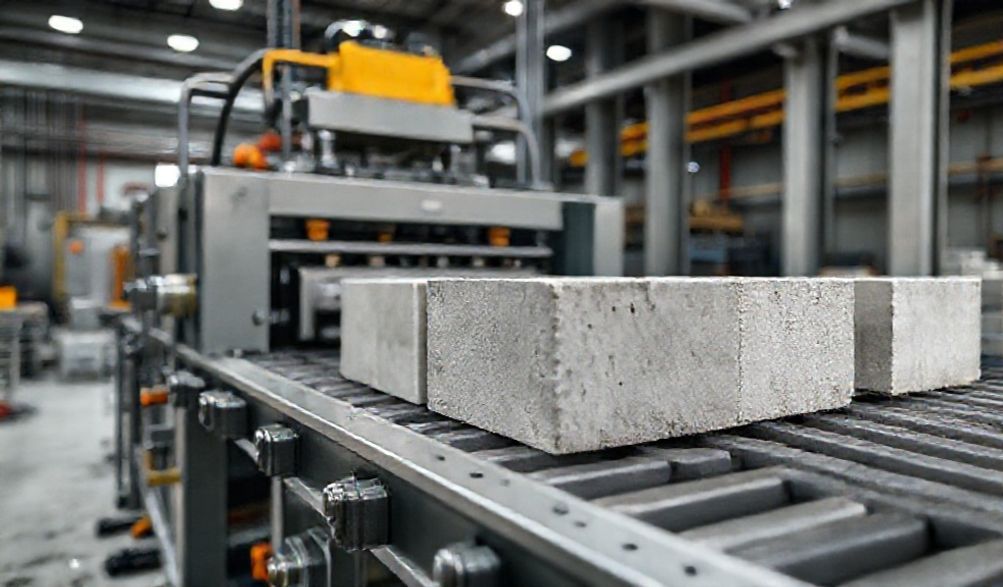
Daftar Harga Mesin Pembuat Blok 2024: Panduan Komprehensif untuk Pembeli
Menjelajahi pasar mesin pembuat bata bisa terasa seperti memecahkan kode rahasia. Anda melihat beragam harga secara daring—dari yang sangat rendah hingga sangat tinggi—dengan sedikit penjelasan mengenai perbedaan ini. Ketidakkonsistenan ini membuat banyak kontraktor dan pengusaha merasa tidak pasti, khawatir membayar terlalu mahal atau, yang lebih buruk, berinvestasi pada mesin yang gagal memberikan hasil. Jika Anda mencoba menentukan mesin pembuat bata yang andal...daftar harga mesin pembuat blokAnda mungkin pernah mengalami kekecewaan yang sama.
Panduan ini dirancang untuk mengatasi kebingungan. Tujuan kami adalah menyediakan kerangka kerja transparan berbasis keahlian yang melampaui sekadar label harga. Kami akan menganalisis faktor-faktor inti yang menentukan biaya, mulai dari jenis mesin dan tingkat otomatisasi hingga biaya operasional tersembunyi, dengan mengacu pada standar industri dan pertimbangan pembelian praktis. Anda akan memahami bukan hanya berapa harga mesin, tetapi jugamengapaMereka berharga sesuai dengan harganya, memberdayakan Anda untuk menilai nilai sebenarnya dan menganggarkan secara efektif untuk proyek spesifik Anda.
Baik Anda seorang kontraktor kecil, produsen blok startup, atau perusahaan konstruksi yang ingin memproduksi sendiri, sumber daya komprehensif ini akan membekali Anda dengan pengetahuan untuk membuat investasi yang percaya diri dan terinformasi.
Memahami Jenis Mesin Pembuat Blok dan Rentang Harganya
Langkah pertama untuk memahami harga adalah mengategorikan mesin itu sendiri. Tingkat otomatisasi dan skala produksi yang dituju merupakan pembeda utama, menciptakan segmen pasar yang berbeda dengan kisaran harga yang sesuai.
Mesin Blok Manual & Semi-Otomatis (Investasi Tingkat Pemula)
Mesin-mesin ini mewakili titik masuk paling terjangkau ke dalam produksi blok. Operasinya melibatkan tenaga manual yang signifikan: memasukkan campuran beton, mengaktifkan mesin (biasanya melalui tuas atau tombol), dan mengeluarkan blok yang telah mengering secara manual.
- Kasus Penggunaan Ideal:Cocok untuk proyek skala sangat kecil, konstruksi pedesaan, startup dengan modal terbatas, atau memproduksi balok untuk penggunaan pribadi. Outputnya diukur dalam ratusan balok per shift, bukan per jam.
- Kisaran Harga: $1.000 – $15.000
- Apa yang Mendasari Varians?Rentang harga di sini cukup lebar. Mesin press manual blok tunggal dasar bisa di bawah $2.000. Saat beralih ke model semi-otomatis dengan kapasitas cetakan lebih besar (misalnya 4-6 blok per siklus), sistem getaran mekanis, dan operasi yang sedikit lebih efisien, harganya naik ke kisaran $10.000-$15.000.
Mesin Pembuat Blok Stasioner Sepenuhnya Otomatis (Kuda Pekerja Kelas Menengah)
Kategori ini merupakan tulang punggung bagi halaman blok komersial skala kecil hingga menengah. Mesin-mesin ini digerakkan secara elektrik, mengintegrasikan sabuk konveyor untuk pembuangan produk otomatis, dan sering dilengkapi sistem pengendali logika terprogram (PLC) untuk operasi yang konsisten.
- Kasus Penggunaan Ideal:Dirancang untuk bisnis mapan yang memasok pasar konstruksi lokal. Mereka menawarkan keseimbangan yang kuat antara output (biasanya 1.000 hingga 5.000 blok per shift 8 jam) dan otomatisasi, hanya memerlukan intervensi manual minimal selain pemantauan dan pengisian bahan baku.
- Kisaran Harga: $25.000 – $100.000
- Apa yang Mendasari Varians?Faktor-faktor kunci meliputi kapasitas produksi per jam, kecanggihan sistem PLC dan hidrolik, jumlah stasiun cetakan, serta reputasi merek. Mesin yang memproduksi 1.500 balok per jam akan berada di ujung bawah kisaran harga, sementara model berkapasitas tinggi dengan teknologi getar canggih dan komponen premium akan menempati harga mendekati puncak kisaran tersebut.
Mesin Pembuat Blok Mobile Sepenuhnya Otomatis (Solusi Premium Berkinerja Tinggi)
Juga dikenal sebagai pabrik pembuatan blok, ini adalah solusi premium untuk produksi skala besar atau di lokasi. Terpasang pada trailer, mereka dapat diangkut langsung ke lokasi konstruksi, menghilangkan biaya transportasi untuk blok jadi. Mereka sangat otomatis, sering dilengkapi dengan penanganan palet robotik, sistem pencampuran berkelanjutan, dan panel kontrol yang canggih.
- Kasus Penggunaan Ideal:Proyek infrastruktur besar, produsen blok komersial berkapasitas sangat tinggi, dan kontrak pemerintah di mana produksi di lokasi merupakan keunggulan strategis. Output dapat melebihi 10.000 blok per hari.
- Kisaran Harga: $80.000 – $300.000+
- Apa yang Mendasari Varians?Batas atasnya pada dasarnya “sebatas langit.” Harga meningkat secara dramatis seiring dengan kapasitas produksi, penyertaan mixer terintegrasi, tingkat otomatisasi robotik, serta kualitas sasis dan komponen. Konfigurasi khusus untuk jenis blok tertentu juga menambah biaya.
Mesin Khusus: Pembuat Blok Berongga, Paving, dan Blok Pengunci
Produk akhir secara langsung memengaruhi desain mesin. Meskipun banyak mesin yang serbaguna dengan cetakan yang dapat diganti, beberapa mesin dirancang secara khusus untuk produksi optimal suatu produk tertentu.
- Mesin Bata Ringan:Memerlukan desain cetakan dan getaran yang presisi untuk membentuk rongga yang konsisten. Mesin standar seringkali dapat memproduksinya, tetapi terdapat mesin blok berongga khusus dengan output tinggi.
- Pembuat Paver & Blok Interlocking:Permintaan ini memerlukan tekanan pemadatan yang lebih tinggi dan desain cetakan yang lebih rumit untuk menciptakan permukaan pengunci yang detail serta permukaan bertekstur. Spesialisasi ini sering kali membawa10-25% price premium over a standard block machine of similar capacity due to the more complex engineering and hardened steel molds required.
Key Factors That Determine Block Machine Pricing
Two machines with similar “blocks per hour” claims can have wildly different prices. Here’s a breakdown of the core engineering and commercial factors that explain why.
Kapasitas Produksi (Blok Per Jam)
This is the single most significant cost driver. Industry practice shows that price does not scale linearly with output; doubling the capacity often more than doubles the price. This is due to the need for a more powerful motor, a larger and more robust frame, higher-capacity hydraulic systems, and more sophisticated vibration tables.
| Approximate Capacity (Blocks/Hour)* | Typical Machine Type | General Price Implication |
| :— | :— | :— |
| 200 – 800 | Manual / Semi-Auto | Entry-Level ($1K – $15K) |
| 1,000 – 2,500 | Stationary Automatic | Mid-Range ($25K – $60K) |
| 3,000 – 6,000 | Stationary Automatic | High Mid-Range ($60K – $100K) |
| 8,000+ | Mobile Plant | Premium ($80K+) |
*Based on standard 8″ hollow block. Output varies by block type.
Tingkat Otomasi & Teknologi
The journey from manual operation to full automation involves layers of technology, each adding cost but also efficiency and consistency.
* Manual Feed vs. Automatic Feed: An automated conveyor feeding the hopper reduces labor and improves mix consistency.
* Sistem Kontrol: A basic relay system is cheaper than a PLC (Programmable Logic Controller), but a PLC allows for precise control over vibration time, pressure, and cycle sequence, leading to higher quality blocks and easier troubleshooting.
* Teknologi Getaran: The heart of compaction. Machines with multiple high-frequency vibrators (often mounted on the mold head dan the table) ensure denser, stronger blocks but are more expensive to manufacture.
Machine Build Quality & Component Branding
The adage “you get what you pay for” is profoundly true here. The quality of materials and components dictates longevity and reliability.
* Rangka & Struktur Baja: Heavy-duty, reinforced steel withstands the constant stress of vibration and pressure far better than lighter-gauge materials.
* Sistem Hidrolik: A machine using imported pumps and valves from brands like Bosch Rexroth or Kawasaki will be more expensive than one using generic or local hydraulic parts. The premium buys smoother operation, precise pressure control, and much greater durability.
* Motors & Electricals: Reputable brands (e.g., Siemens, ABB) for motors and electrical components reduce the risk of failure and are often more energy-efficient.
Reputasi Merek & Dukungan Purna Jual
An established brand with a global or strong regional presence commands a higher price. This premium is not just for the name; it’s for risk mitigation. It covers:
* Proven Engineering: A track record of reliable machines.
* Garansi: A meaningful, enforceable warranty.
* Ketersediaan Suku Cadang: Quick access to genuine parts, minimizing downtime.
* Dukungan Teknis: Access to engineers who can help with setup, maintenance, and troubleshooting.
Investing in a reputable brand is essentially buying insurance for your business’s productivity.
Beyond the Sticker Price: Calculating Your Total Investment
The invoice from the manufacturer is just the beginning. A realistic budget accounts for the total cost of ownership (TCO). Based on buyer reports and industry experience, failing to plan for these expenses is a common pitfall.
Hidden Costs to Budget For
These are one-time or initial costs that can add 15-40% to your base machine price.
* Shipping, Customs, and Insurance: For international purchases, freight (FOB vs. CIF), import duties, taxes, and insurance can be substantial. Always get a clear “landed cost” quote.
* Foundation & Installation: Most stationary machines require a solid, level concrete foundation. Mobile plants need a prepared, stable site. Factor in civil work costs.
* Power Setup: Most automatic machines require a robust, three-phase electrical supply. Upgrading your facility’s electrical panel or running new lines is a significant cost.
* Initial Raw Material Stock: You’ll need to purchase cement, aggregates, and pigments to begin production.
Operational Costs & ROI Considerations
Your ongoing expenses directly impact profitability.
* Tenaga Kerja: Even automatic machines require operators, maintenance personnel, and material handlers.
* Pemeliharaan & Suku Cadang: Regular servicing and a budget for wear items (mold liners, hydraulic seals, vibrator motors) are essential.
* Mold Changes: Additional molds for different block types are a capital expense.
* Menghitung ROI: A simple framework: Estimate your monthly production volume. Subtract your total monthly costs (raw materials, labor, power, machine depreciation, maintenance). Compare the net profit to your total initial investment. A quality machine for a stable market should typically aim for an ROI period of 1.5 to 3 years.
Biaya Sebenarnya dari Mesin "Murah"
The allure of a low upfront price is strong, but the long-term economics are often poor. The true cost of a cheap machine may include:
* Sering Rusak: Low-quality components fail, leading to costly production halts.
* Layanan Purna Jual yang Buruk: Getting support or spare parts becomes a nightmare.
* Low-Quality Blocks: Inconsistent vibration or pressure produces weak or misshapen blocks you cannot sell.
* Bahaya Keselamatan: Compromised build quality can pose risks to operators.
* Higher Long-Term Cost: When you factor in lost production, repair bills, and early replacement, the “cheap” machine often becomes the most expensive option.
How to Get an Accurate Quote & Negotiate Effectively
Approaching suppliers with clarity puts you in a position of strength and ensures you get comparable, meaningful quotes.
Preparing Your Requirements for Suppliers
Create a brief specification sheet to send to potential suppliers:
* Desired block type(s) and dimensions.
* Target daily or monthly output (in blocks).
* Available factory space and ceiling height.
* Available power supply (Voltage, Phase).
* Preferred level of automation.
* Your overall budget range (be realistic).
Evaluating Quotes: A Comparison Checklist
Don’t just compare the bottom-line price. Create a spreadsheet to compare:
* Technical Specifications: Capacity (verify block type), motor power, vibration frequency.
* Inclusions: How many molds are included? Is the control panel in your language? Are spare parts kits offered?
* Garansi: Duration and what it covers (parts, labor, travel?).
* Delivery & Payment Terms: FOB Port? CIF Your Port? Payment schedule?
* Dukungan Purna Jual: Is installation supervision or operator training included?
Smart Questions to Ask Before You Buy
- “Can you provide contact information for 2-3 customers in my region who have purchased a similar model in the last 2 years?”
- “What is the guaranteed lead time for critical spare parts (like a hydraulic pump or main vibrator motor)?”
- “Do you have a service technician who can travel to my country if needed, and what are those terms?”
- “Can the machine be easily upgraded in the future (e.g., adding an automatic feeder)?”
FAQ: Block Making Machine Price List
Q1: What is the cheapest block making machine available?
A: Small, manual block presses can be found for as low as $1,000 to $3,000. However, it’s critical to understand their severe limitations in output and labor requirement. They are only “cheap” if your production needs are extremely minimal. Always prioritize a machine that is “fit for purpose” over the absolute lowest price.
Q2: How much does a fully automatic block making machine cost?
A: As detailed in the guide, “fully automatic” covers a broad spectrum. A stationary model for a small business can start around $25,000, while high-output mobile plants begin around $80,000 and can exceed $300,000. The final price is entirely dependent on your required production capacity and feature set.
Q3: Are used block making machines a good option to save money?
A: They can be, but caution is paramount. A used machine is only a good deal if it comes from a known brand, has a verifiable service history, and you can confirm the ongoing availability of spare parts. Factor in the cost of a thorough inspection by a mechanic and potential refurbishment. The risk of buying someone else’s problem is high.
Q4: Does the price include molds and installation?
A: This varies drastically by supplier. Some quotes are for the base machine only; others include a set of standard molds. Installation is rarely included for international sales but may be offered as a paid service. Always, always clarify what is included in the quoted price (FOB, EXW, CIF) and request a detailed breakdown in writing.
Q5: Which brand offers the best value for money?
A: Rather than naming one brand, we advise a strategic approach. The best value comes from a supplier that demonstrates transparency, has verifiable customer testimonials for your region, and offers a strong balance of three things: 1) Machine specifications that meet (not vastly exceed) your needs, 2) A fair price for those specs, and 3) Reliable after-sales support accessible to you. Focus on finding that balance.
Kesimpulan
Navigating the daftar harga mesin pembuat blok requires looking beyond the initial number. As we’ve explored, the final price is a direct reflection of machine type, production capacity, level of automation, and the quality of its components and support network. Remember, you are not just purchasing a piece of equipment; you are making a capital investment in the productivity and future of your business.
Therefore, the most trustworthy advice we can offer is this: shift your focus from seeking the lowest price to understanding the lowest total cost of ownership. A slightly higher initial investment in a reliable machine from a reputable supplier will almost always yield greater profitability and less stress over its lifespan.
Use this guide as your framework. Prepare your project specifications, consult with multiple suppliers using the checklist provided, and ask the hard questions about support and service. By doing so, you’ll move forward with the confidence needed to make an informed decision that fuels your business growth for years to come.
<